


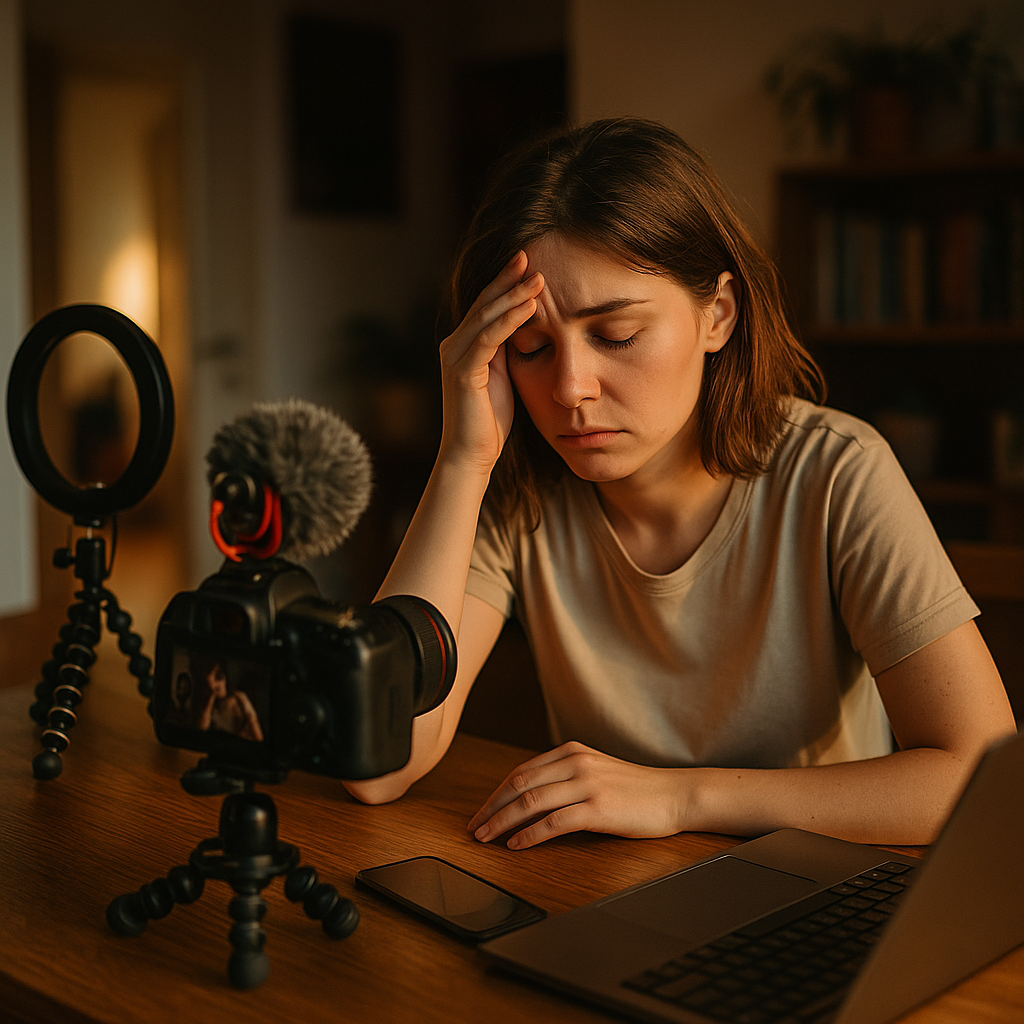
The rise of the creator economy burnout is rapidly reshaping digital marketing, impacting both individual creators and the brands that rely on them. As influencers face unrelenting demands, brands encounter unique challenges. How can companies and content creators navigate this shifting landscape—and what does burnout truly mean for brand partnerships?
Understanding Creator Fatigue in the Modern Marketplace
The growth of the creator economy has accelerated in 2025, with platforms like TikTok, Instagram, and YouTube hosting millions of influencers competing for attention. However, this rapid expansion comes at a price: creator fatigue. The pressure to produce frequent, highly-engaging content—often across multiple platforms—leads to emotional exhaustion, diminished creativity, and sometimes even mental and physical health issues.
Recent industry surveys suggest that nearly 70% of full-time digital creators have considered taking extended breaks or quitting altogether due to overwhelming stress. This exhaustion can have ripple effects not only on individuals but also on the brands investing heavily in creator partnerships.
The Impact of Influencer Burnout on Brand Partnerships
When creators experience burnout, their content quality, consistency, and authenticity tend to suffer. Brands that rely on these individuals for marketing campaigns may notice a dip in engagement rates, fewer positive interactions, and even reputational risks if a creator’s fatigue becomes public knowledge. In the worst-case scenarios, brands may need to swiftly replace creators, potentially disrupting campaigns and eroding audience trust.
Moreover, creators experiencing burnout may become less invested in the products they promote, leading to less genuine endorsements. Since authenticity is crucial to influencer marketing, the erosion of trust can reduce campaign effectiveness and negatively impact brand image.
Content Consistency and Its Effect on Audience Engagement
Consistent content is essential for sustaining audience attention in the crowded digital space. However, the pressure for frequent uploads strains creators, making it harder to maintain their trademark authenticity and quality. As a result, fans may detect a drop in creative energy, decreasing engagement rates and undermining long-term loyalty.
For brands, declines in creator engagement directly affect campaign ROI. According to analytics from multiple influencer marketing agencies in 2025, campaigns led by burnt-out creators saw up to 30% lower engagement than those led by rested, motivated influencers. These numbers highlight the importance of supporting creator wellbeing—not only for ethical reasons but also for tangible business results.
Brand Reputation Management Amidst Creator Burnout
Reputation management has become more complex as audiences grow more aware of creator wellbeing. Companies that push creators to their limits risk public backlash and may even be perceived as exploiting influencers. News of creator burnout can escalate on social channels, prompting calls for brands to demonstrate social responsibility.
To protect their reputation, brands are now developing formal wellness policies, setting more realistic campaign deadlines, and building longer-term relationships that emphasize quality over quantity. Proactive dialogue and transparent communication with creators help brands stay responsive and supportive, reinforcing trust within the community.
Strategies to Support Creator Wellbeing and Sustainable Partnerships
The most successful brands in 2025 recognize that sustainable partnerships start with support. Here are some practical strategies brands use to help prevent creator burnout:
- Flexible Timeline Planning: Setting realistic deadlines allows creators to plan content without unnecessary stress or last-minute rushes.
- Open Communication Channels: Encouraging honest conversations lets creators express concerns, flag early signs of burnout, and request support when needed.
- Investment in Mental Health Resources: Offering creators access to wellness programs, therapy stipends, or guidance on digital detoxes strengthens relationships and boosts content quality.
- Prioritizing Quality over Quantity: Shifting focus from frequent posts to impactful collaborations helps creators maintain authenticity and creativity.
- Regular Pulse Checks: Monitoring creator satisfaction through standardized feedback tools ensures issues are addressed proactively, strengthening long-term partnerships.
Such measures not only benefit creators but also reinforce brand reliability and campaign effectiveness—ensuring that sponsored messages land with genuine impact.
The Future of Creator-Brand Collaboration
Looking ahead, brands and creators are redefining what success looks like in the influencer space. Sustainable creator-brand collaboration now prioritizes healthy work-life balance, longer partnership timelines, and co-created content strategies that allow for flexibility. Brands who foster trust, invest in education, and celebrate creators’ unique voices are seeing more resilient and prosperous relationships.
Technology also plays a role: AI-driven content management tools, automated scheduling, and creator support platforms are evolving to help creators streamline workloads and enhance wellbeing. By embracing these advances alongside compassionate business practices, both brands and creators can continue to thrive without sacrificing mental health or creative quality.
In summary, acknowledging and addressing creator economy burnout is essential for brands aiming to sustain meaningful partnerships and campaign impact. In 2025 and beyond, investing in creator wellbeing is the clearest path to success for both brands and the influencers who power their messaging.
FAQs: Creator Economy Burnout and Brand Impact
-
What is creator economy burnout?
Creator economy burnout describes the exhaustion and stress experienced by content creators who face constant pressure to produce and perform online. This leads to lowered motivation, decreased creativity, and sometimes withdrawal from brand collaborations. -
How does creator burnout affect brands?
Creator burnout can reduce content quality, authenticity, and engagement—directly decreasing the effectiveness of brand campaigns and potentially harming brand trust and reputation. -
What signs should brands look for to identify creator burnout?
Signs include missed deadlines, inconsistent posting, reduced audience engagement, or creators openly discussing stress or fatigue online. -
What steps can brands take to help prevent burnout?
Brands should support flexible timelines, invest in mental health resources, prioritize long-term collaborations, and maintain open, honest communication channels with creators. -
Does addressing creator burnout really help brands?
Yes. Supporting creators’ wellness results in higher-quality content, improved engagement rates, and stronger, more authentic brand-influencer relationships—ultimately leading to better business outcomes.