


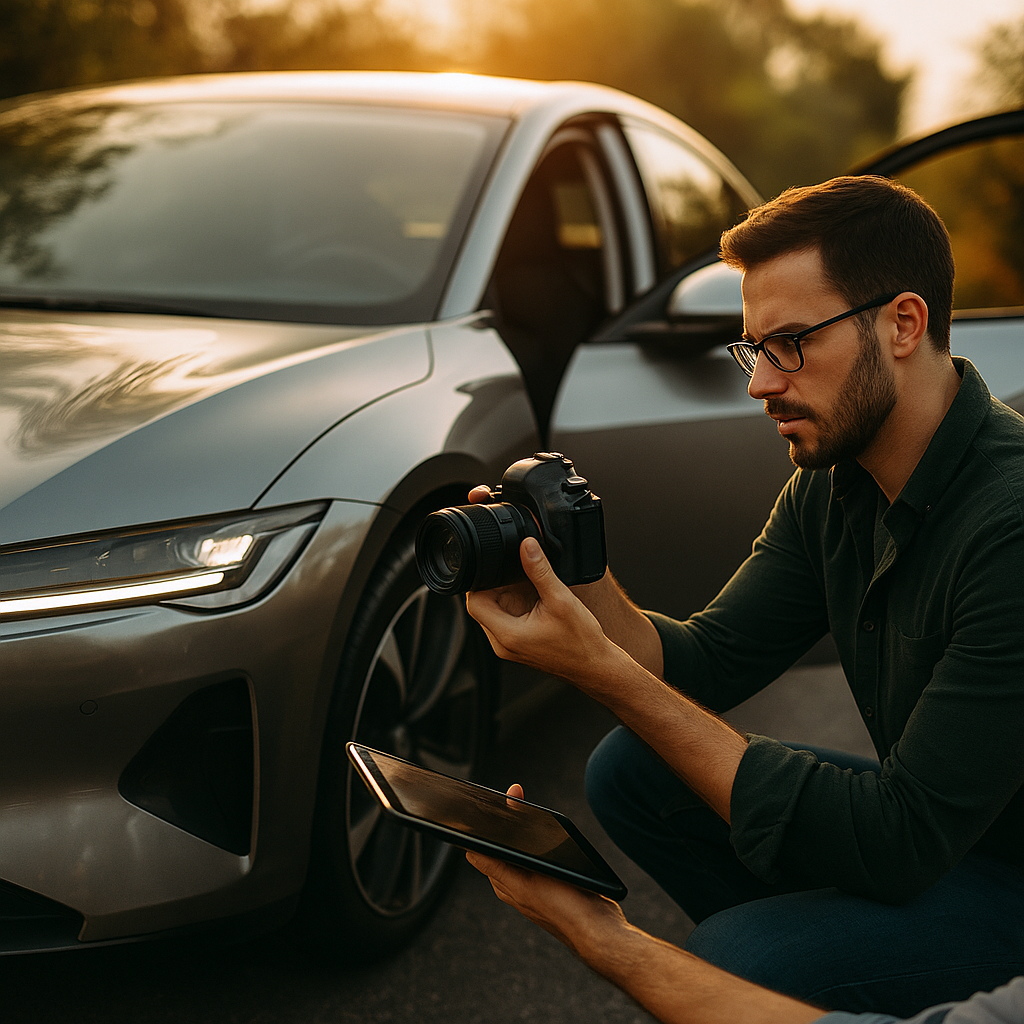
Automotive launches using tech reviewers are becoming a game-changer for car manufacturers in 2025. As vehicles get smarter and more connected, tech experts shape public opinion in ways traditional motoring journalists never could. Discover how influencer partnerships are redefining car launches and what this shift means for consumers and the auto industry moving forward.
How Tech Reviewers Are Influencing Modern Automotive Launches
As cars become increasingly digital, tech reviewers—known for their in-depth analysis of consumer electronics—are taking center stage at high-profile vehicle debuts. Their expertise in connectivity, user experience, and software integration appeals to a new generation of buyers, who often prioritize infotainment, driver-assist tech, and over-the-air updates as much as performance or design. According to 2025 surveys, 67% of prospective car buyers now research vehicles through technology-focused channels before a purchase.
Manufacturers recognize this influence and routinely invite top tech personalities to drive and review new models. Their candid, often highly visual content resonates with an audience eager for unbiased, tech-oriented insights over glossy marketing materials. These trusted voices help demystify complex features like ADAS (Advanced Driver-Assistance Systems), EV battery management, and smart dashboards, making technology more accessible to everyday drivers.
The Benefits of Leveraging Influencer Partnerships in Car Launches
Automakers increasingly partner with prominent tech reviewers to amplify launch impact. These collaborations offer a number of strategic advantages:
- Broader Reach: Tech influencers often command audiences in the millions, considerably expanding a launch’s visibility beyond dedicated automotive circles.
- Trust and Credibility: Consumers trust independent voices who have built reputations for honest, critical analysis—especially regarding complex tech features.
- Targeting Digital Natives: Younger buyers, who value digital convenience, tend to follow tech channels over traditional motoring magazines.
- Real-Time Engagement: Launch events and reviews are shared instantly across platforms like YouTube, Instagram, and X, driving buzz through dynamic, interactive conversations.
This synergy has led to some of the most talked-about car unveilings in recent memory, demonstrating the effectiveness of blending technology expertise with automotive excitement.
How Tech Reviewers Approach Automotive Product Testing
Unlike conventional auto journalists, tech reviewers apply unique criteria when evaluating new vehicles. Their primary focus areas include:
- User Experience: Assessment of infotainment systems, navigation interfaces, and connectivity with mobile devices.
- Software & Updates: Analysis of the vehicle’s operating system, over-the-air update capabilities, and app ecosystems.
- Advanced Driver Technology: In-depth testing of autonomous driving features, adaptive cruise, lane-keep assist, and safety automation.
- Integration with Smart Ecosystems: Examination of compatibility with digital assistants, smart home integration, and voice command functionality.
By making these topics accessible and relatable, tech reviewers help demystify advanced features that may otherwise intimidate or confuse new car buyers. Their side-by-side comparisons with rival models enable a clear, fact-based understanding of how each vehicle’s technology holds up in real-world use.
The Impact on Consumer Decision-Making
With purchasing journeys starting online, the credibility of a tech reviewer’s opinion can visibly sway buyer intent. In 2025, data from industry analysts shows that 80% of Gen Z and Millennial car buyers are influenced by at least one tech influencer before choosing their vehicle.
This shift is shaping product development as well. Automakers are investing more in intuitive software, seamless connectivity, and upgradeable platforms to ensure positive early buzz from tech reviewers. A single critical analysis can prompt immediate feedback loops on social media, sometimes resulting in software patches or feature upgrades prior to full-scale launch. For customers, this dynamic means better, more user-friendly products at launch—and a clearer roadmap of what to expect from a brand’s ongoing support.
Best Practices for Brands Engaging Tech Reviewers
For automotive companies planning to launch vehicles using tech reviewers, success hinges on authenticity and transparency. Here are some proven strategies from 2025:
- Provide Unfiltered Access: Allow tech influencers unrestricted hands-on time with vehicles, fostering trust and encouraging genuine, in-depth content.
- Briefings with Engineers: Arrange sessions with product teams, giving reviewers detailed insights into software architecture and innovation pipelines.
- Respect Reviewer Independence: Support honest evaluations—even criticism. Transparency boosts brand integrity and audience trust.
- Engage Across Platforms: Collaborate with creators on YouTube, social channels, and emerging live-stream platforms to maximize reach and format versatility.
Brands should avoid over-managing narratives or scripting reviews. As tech-savvy buyers look for authentic experiences, curated or overly controlled content can backfire and damage brand reputation.
What Does This Trend Mean for the Future of Car Launches?
Automotive launches using tech reviewers represent more than a marketing shift—they indicate a fundamental change in the auto landscape. Cars are now positioned as complex smart devices, and buyers demand the same ease of use, reliability, and ecosystem compatibility they expect from all their technology. For automakers, collaborating with tech reviewers will only grow in importance as vehicles become more software-driven, electrified, and connected.
Looking ahead, expect to see more immersive virtual launch experiences, increased transparency regarding software capabilities, and even greater power for tech reviewers to shape public perception and industry trends. Those automakers that embrace this change with openness and innovation will remain relevant as the lines between automotive and consumer technology continue to blur.
FAQs about Automotive Launches Using Tech Reviewers
- Why are tech reviewers becoming more prominent in auto launches?
As vehicles increasingly feature advanced digital systems, tech reviewers’ expertise helps consumers understand and compare technology-driven features, making them vital to effective product launches. - Do tech reviewers only focus on in-car electronics?
While their primary focus is infotainment, connectivity, and driver-assist tech, many tech reviewers also evaluate traditional car attributes such as design, comfort, and performance within a technology context. - How do automakers benefit from influencer partnerships?
Automakers reach wider, more tech-literate audiences, gain independent validation for their innovations, and receive rapid feedback for fine-tuning products before and after launches. - Is there a risk of biased reviews when influencers are involved?
Transparency and authenticity are key. The most effective partnerships encourage independent analysis; brands that attempt to control narratives may face reputation risks and lose audience trust. - Will this trend continue to expand in 2025 and beyond?
Yes. As cars evolve into connected smart devices, tech reviewers will play an ever-larger role in shaping consumer expectations and industry innovation.
In conclusion, automotive launches using tech reviewers are reshaping how vehicles are introduced and evaluated in 2025. By bridging the gap between tech and automotive audiences, this trend empowers consumers and accelerates industry progress. Expect tech reviewers to become even more influential as vehicles continue their evolution into next-generation smart mobility devices.