


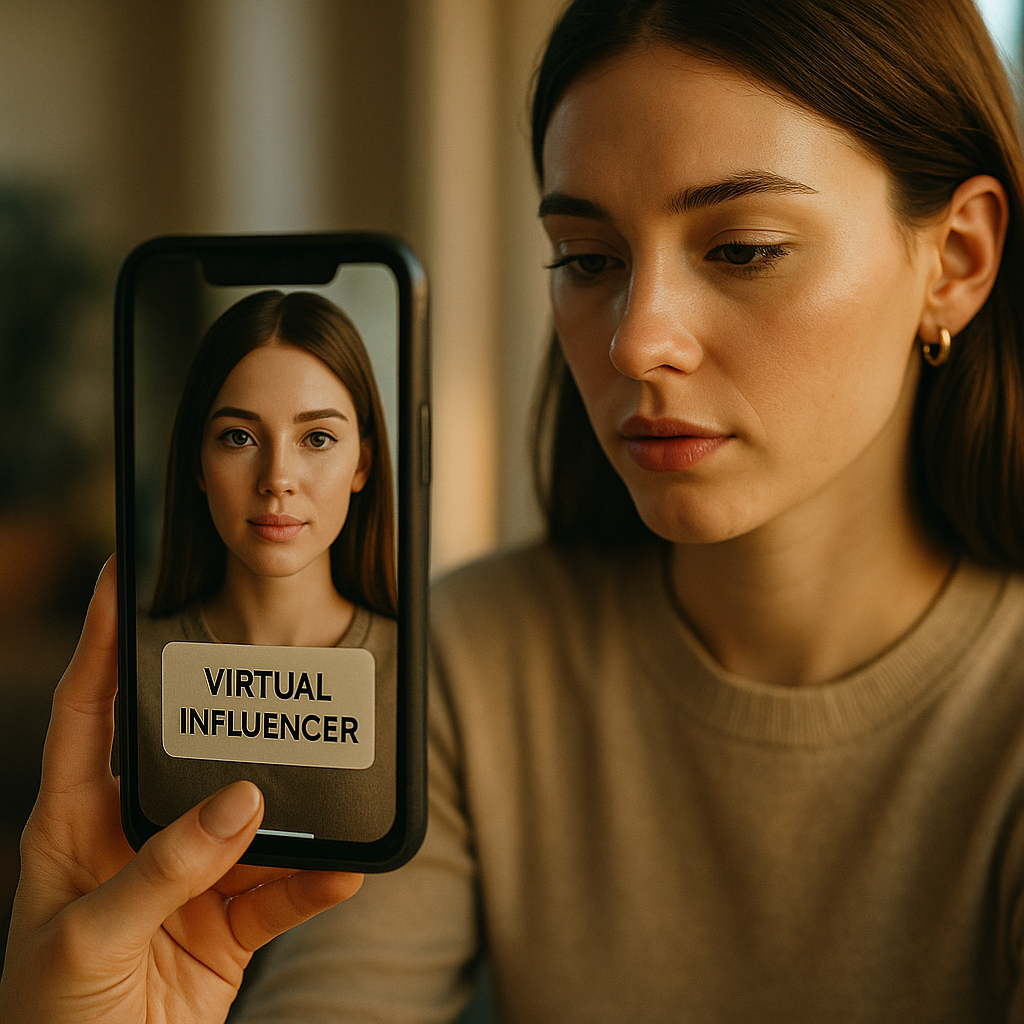
As ethical AI rapidly shapes online experiences, the question of how—and whether—to disclose virtual influencers to audiences is more pressing than ever. Brand trust and user welfare depend on openness, yet the lines between artificial and authentic keep blurring. What does responsible disclosure of digital personalities truly look like in today’s content landscape?
Understanding Virtual Influencers: The Rise of AI Personas
Virtual influencers are AI-generated personas, often resembling humans, that interact with audiences on social media and digital platforms. These digital characters partner with brands, endorse products, and amass large followings—sometimes rivaling real-life influencers. According to a 2025 MarketsandMarkets report, the global virtual influencer market is projected to surpass $3.5 billion. This surge owes much to the cost-efficiency, 24/7 engagement, and creative freedom they provide brands.
However, as these AI personas become more sophisticated and relatable, differentiating between authentic and artificial influence becomes challenging for viewers. This evolution highlights the urgent need for ethical AI practices, especially when a virtual influencer’s identity is not immediately clear to their audience.
Transparency in Artificial Intelligence: Why Disclosure Matters
Transparent disclosure of virtual influencers is crucial for audience trust and ethical AI deployment. In surveys conducted by Pew Research in 2025, 81% of users expressed concern about not knowing if social media content is AI-generated. Without clear labeling, audiences may unknowingly engage with computer-driven narratives, potentially influencing consumer decisions and opinions without informed consent.
Leading regulatory bodies, such as the European Union’s Digital Services Act, have emphasized the importance of transparency in algorithmic content and influencer marketing. Ethical disclosure ensures that followers can distinguish between genuine recommendations from humans and those created or managed by artificial intelligence. This practice protects both brands and consumers from deception and fosters a climate of trust in digital spaces.
Laws and Guidelines: Regulatory Requirements for Ethical Disclosure
With the growth of AI-driven virtual personas, several countries and regions have enacted laws mandating disclosure. In 2025, updated Federal Trade Commission (FTC) guidelines in the United States specifically address “non-human endorsers,” requiring brands and agencies to clearly identify sponsored or generated content by virtual influencers. The EU’s Digital Services Act also instructs digital platforms to inform users when they interact with AI-driven personas.
Most reputable social media networks have adopted policies indicating when content features virtual influencers. Compliance is enforced through standardized labels—such as “AI-generated” or “virtual character”—and penalties for misleading representations. These standards aim to safeguard younger or more vulnerable audiences who may not easily discern the difference between real and AI influencers.
- Explicit labeling: Posts must indicate when content is generated by AI.
- Brand responsibility: Brands are accountable for their influencers’ transparency.
- Consequences: Noncompliance can result in takedowns or financial penalties.
By adhering to these evolving legal frameworks, organizations demonstrate accountability and commitment to ethical AI.
User Perception: How Disclosure Affects Audience Trust
User studies show that disclosure strongly impacts trust in digital content. According to a 2025 Ipsos Mori survey, 72% of consumers are more likely to engage with a virtual influencer when they know it’s AI-generated. Transparency does not decrease effectiveness—in fact, it often enhances brand reputation by signaling honesty and technological leadership.
Audiences who discover undisclosed AI influencers may feel betrayed, damaging both brand loyalty and the influencer’s perceived authenticity. In contrast, clear disclosure opens the door to engaging conversations about artificial intelligence, creativity, and innovation. Educational communication about what an AI influencer is (versus a human creator) empowers users to approach the content with critical awareness, ensuring informed engagement.
- Disclosed AI personas foster curiosity and tech-savvy interaction.
- Hidden AI identities risk backlash and reduced trust.
- Empowered users make better-informed choices about who & what they follow.
Best Practices for Implementing Ethical AI Disclosure
Practical, transparent AI disclosure extends beyond regulatory compliance. Top brands lead by example, applying robust internal ethics standards:
- Clear identification: Always label virtual influencers in usernames, bios, and post captions.
- Consistent messaging: Use uniform language like “AI-generated” across platforms and formats.
- Accessible explanation: Provide FAQs or info sections that explain what a virtual influencer is, and how it operates.
- Ethical storytelling: Avoid narratives that intentionally blur the line between human and AI, unless fully disclosed for creative purposes.
- User feedback: Encourage and act on audience questions or concerns regarding authenticity.
These practices assure users that brands value their autonomy and right to make informed choices. They also position organizations as thought leaders in responsible AI adoption, setting industry benchmarks for future innovation.
The Road Ahead: Virtual Influencers and the Future of Authentic Content
The digital influence landscape is evolving, with AI-powered personas increasingly central in marketing campaigns, entertainment, and even news media. As virtual influencers become more lifelike and emotionally intelligent, the pressure for rigorous ethical disclosure will intensify. Brands that proactively adopt transparent practices, collaborate with regulatory bodies, and educate their audiences will lead not only in compliance, but in influence and innovation.
Cultivating an environment of openness enables brands to build lasting, trust-based relationships with audiences. Ethical disclosure of virtual influencers is not just a regulatory checkbox—it’s the cornerstone of a trustworthy and vibrant AI-powered future.
FAQs: Ethical AI and Virtual Influencer Disclosure
-
Q: What is a virtual influencer?
A virtual influencer is an AI-generated character, often with a social media presence, used by brands and creators to interact with online audiences, promote products, or convey messages.
-
Q: Why is it important to disclose when an influencer is not real?
Disclosure protects audience trust and ensures users are not misled by AI-generated content. It also complies with global advertising and consumer protection laws, especially for vulnerable viewers such as children.
-
Q: How are virtual influencers labeled on social media?
Most platforms require labels such as “AI-generated,” “virtual character,” or similar language in bios, captions, or directly on the content, ensuring audiences can readily identify synthetic personas.
-
Q: Can audiences benefit from interacting with virtual influencers?
Yes. With proper disclosure, virtual influencers can deliver entertainment, education, and engagement, fostering curiosity about AI, digital culture, and emerging technologies.
-
Q: What happens if a brand fails to disclose a virtual influencer?
Non-disclosure can result in fines, removal of content, and reputational damage. Enforcement is increasingly strict in 2025, reflecting a global movement toward ethical AI deployment.
As AI transforms digital storytelling, ethical AI disclosure sets the foundation for genuine audience relationships. Transparent labeling of virtual influencers empowers users and positions brands as trustworthy leaders in the evolving online ecosystem.