


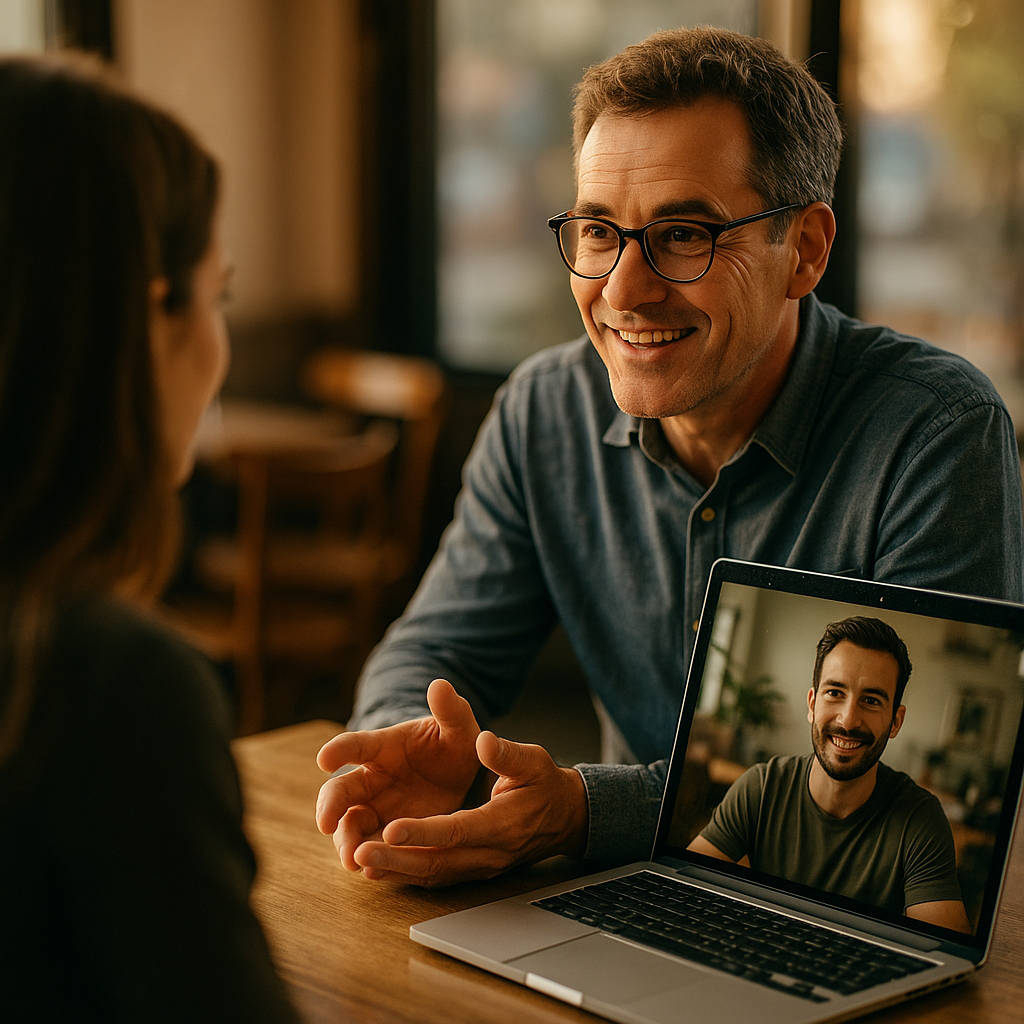
In 2025, attention is abundant but presence is scarce. As screens flatten experiences into endless sameness, a different kind of status is rising: showing up in person. The Offline Premium captures why physical events now communicate taste, access, and credibility better than digital signals ever could. When everyone can “be everywhere” online, the real flex is being somewhere specific—will you be there?
Luxury signal shift: why presence beats pixels
Luxury has always been about scarcity, discernment, and cultural capital. What changed is the medium. For years, digital visibility functioned as a proxy for relevance: follower counts, viral moments, and algorithmic reach. In 2025, those signals feel increasingly cheap because they’re easy to manufacture and hard to trust.
Physical attendance, by contrast, carries built-in friction: travel time, ticket cost, schedule constraints, and social risk. That friction creates a modern luxury signal—I chose this, I made time, I gained access, I belong. The signal is credible precisely because it’s inconvenient.
Many readers ask: “Isn’t digital still more scalable?” Yes, but luxury is rarely about scale. It’s about controlled access, consistency, and the feeling of being part of something not everyone can have. Physical events also reduce the noise problem. When your audience is in the room, you’re not competing with tabs, notifications, or feeds.
Another follow-up: “Do hybrid and livestreams dilute the signal?” They can—if the online experience replicates the best parts of being there. Most don’t. Livestreams often become passive content, while on-site attendees experience multi-sensory cues, spontaneous interactions, and private moments that never make it on camera. Hybrid can work, but only when the in-person layer remains unmistakably richer.
Experiential marketing: why senses create trust
Trust is the underlying currency of premium brands, communities, and high-end services. In-person events generate trust faster because they create shared context and measurable effort. People can see how an organizer handles details: check-in flow, hospitality, programming quality, and the caliber of attendees. Those cues are harder to fake than a polished landing page.
Experiential marketing works because it recruits the whole body, not just the eyes. Sound design, lighting, texture, scent, and spatial layout create emotional memory. A digital ad can inform; a well-produced physical experience can rewire perception.
To make this practical, here are event elements that reliably increase perceived value without relying on gimmicks:
- Intentional arrival: clear wayfinding, fast check-in, and a first moment that signals “you’re in the right place.”
- Curated pacing: alternating intensity (talks) and recovery (lounges, food, quiet zones) to prevent fatigue.
- Visible craft: materials, staging, and service that feel considered rather than maximalist.
- Human expertise: hosts, moderators, and staff who can answer questions confidently and escalate issues fast.
- Micro-moments: small, thoughtful touches that guests discover rather than get told about.
If you’re wondering whether this applies beyond luxury retail—yes. Professional services, B2B, wellness, education, and creator-led communities all benefit because the trust transfer is similar: people pay more when they believe the experience is real, the operator is competent, and the community has standards.
Social capital in real life: access, curation, and belonging
Online networks are broad; offline networks are dense. Dense networks create stronger opportunities: introductions that stick, deals that close, collaborations that form, and reputations that travel. That’s why physical events have become a powerful marker of social capital in real life.
The “offline premium” is not just about ticket price. It’s about curation. The guest list matters as much as the stage. When attendees believe the room is curated, they behave differently: they show up on time, they dress with intention, they stay longer, and they engage more seriously.
Readers often ask how to create that curation without becoming exclusionary. The answer is to define standards, not status. Premium events can set standards around:
- Purpose alignment: clear theme and outcomes so people self-select appropriately.
- Contribution: optional applications that ask what attendees want to share, not just what they want to take.
- Code of conduct: explicit expectations that protect conversation quality and psychological safety.
- Format design: structured networking that prevents dominance by the loudest voices.
Belonging is the quiet engine here. Many people don’t want more content; they want a place. A physical event offers a bounded world with its own norms. When guests feel recognized—by staff, by returning attendees, by thoughtful personalization—the event becomes an identity marker. That identity is the luxury signal: “This is my circle. These are my people.”
High-end networking events: the economics of scarcity
Scarcity isn’t just a marketing tactic; it’s an operational choice. Smaller rooms cost more per person to run well, but they also create higher conversion, deeper loyalty, and stronger word-of-mouth. The economics work because intimacy increases lifetime value.
In 2025, premium events increasingly justify pricing through outcomes, not spectacle. Attendees pay for proximity to expertise, peers, and decision-makers. They also pay for time compression: getting months of relationship-building done in a weekend.
If you’re building or sponsoring high-end networking events, answer these outcome questions explicitly in your communications:
- What problem does this room solve? (Hiring? Partnerships? Learning? Brand repositioning?)
- Who will be there, specifically? (Roles, industries, experience levels—without relying on vague “top leaders.”)
- How will people actually meet? (Structured introductions, guided small groups, hosted tables.)
- What happens after? (Member directory, follow-up facilitation, community channels, reunion sessions.)
Another common question: “Does limiting attendance reduce revenue?” It can reduce ticket revenue, but it often increases total revenue through higher-tier pricing, sponsorship fit, upsells, and retention. Scarcity also protects the brand. When everyone can get in, the signal weakens. When entry requires intention—application, referral, or limited release—the signal strengthens.
Brand authenticity offline: how to design events that feel premium
Premium is not the same as expensive. Premium means coherent: the promise matches the experience. That’s where brand authenticity offline becomes decisive. Guests notice inconsistencies instantly—overpromising, under-delivering, or copying formats that don’t fit the brand’s identity.
To design an event that genuinely feels premium, focus on operational integrity:
- Clarity: communicate agenda, dress expectations, and what’s included. Uncertainty doesn’t feel exclusive; it feels disorganized.
- Consistency: align venue, catering, programming, and messaging with the brand’s core values.
- Hospitality: staff-to-guest ratio, accessibility support, dietary accommodations, and calm problem resolution.
- Respect for time: start on schedule, manage transitions, and avoid filler segments.
- Documentation with restraint: allow guests to be present. Offer professional photos afterward so people don’t feel pressured to perform online.
EEAT in practice means demonstrating real competence and accountability. Include credible speakers with verifiable expertise. If claims are made from the stage—about performance, health, finance, or technology—ensure they are sourced and framed responsibly. Provide speaker bios, disclose sponsorship influence, and make it easy for guests to reach organizers after the event.
Risk management is part of premium design, too. Clear policies for safety, harassment, refunds, and data privacy protect the experience and signal maturity. Premium guests don’t only buy the program; they buy confidence that the operator has thought through the details.
Digital fatigue in 2025: why offline feels rare again
Digital tools are still essential, but they no longer feel special. In 2025, people are more aware of algorithmic manipulation, AI-generated sameness, and the endless churn of content. Many are also protecting attention more aggressively: fewer notifications, fewer feeds, more boundaries.
That environment makes offline time feel rare—and rarity drives value. A physical event becomes a temporary refuge from the scroll. It offers a clear beginning and end, plus social accountability to stay engaged.
To capitalize on this without turning “no phones” into theater, design for presence in ways that feel respectful:
- Create phone-optional zones: lounges or sessions where screens are discouraged but not policed.
- Use analog anchors: printed programs, physical name badges that encourage conversation, tangible takeaways.
- Shorten stage time: prioritize interaction, Q&A, workshops, and facilitated discussions.
- Build recovery into the agenda: quiet spaces and intentional breaks reduce the urge to escape into screens.
Readers often wonder whether this trend will last. The deeper driver—trust, scarcity, and human connection—doesn’t disappear with new platforms. Even if tech improves, premium status will keep migrating toward what remains difficult to replicate. Right now, that’s real-world presence with the right people in the right room.
FAQs: The Offline Premium and physical events
What is “The Offline Premium” in simple terms?
It’s the added value people assign to in-person experiences because they require real effort, offer richer sensory and social cues, and are harder to fake than online signals.
Are physical events only a luxury signal for wealthy audiences?
No. “Luxury” here refers to scarcity and credibility, not just money. A small, well-curated meetup can carry premium status within a niche because it signals standards, commitment, and community.
How do I make an event feel premium without inflating the budget?
Prioritize clarity, hospitality, and pacing. Smooth check-in, comfortable seating, good sound, and a well-run agenda often outperform expensive decor. Premium is coherence and care.
Do hybrid events weaken the offline signal?
Not automatically. Hybrid works when the online layer is useful and the in-person layer remains distinctly better—through access to speakers, intimate networking, and moments that can’t be replicated on a stream.
What size event creates the strongest offline premium?
It depends on the goal. For high-trust networking, smaller rooms often create more value. For brand awareness, larger events can work if curation and attendee experience remain tight.
How can brands measure ROI from premium physical events?
Track outcomes tied to the event’s purpose: qualified introductions, pipeline created, partnerships initiated, retention uplift, NPS, repeat attendance, and post-event community engagement.
What makes a guest list feel curated rather than exclusionary?
Transparent standards. Explain who the event is for, why, and what behavior is expected. Emphasize contribution and alignment instead of status markers.
Is it worth hosting an event if my audience lives globally?
Often, yes—if you choose a destination strategically and design strong follow-up. Many global communities use one or two anchor events per year, then maintain momentum through smaller local meetups and online touchpoints.
Physical events have become a modern status signal because they turn attention into action and pixels into proof. In 2025, the offline premium comes from scarcity, sensory trust, and curated social capital that algorithms can’t replicate. Brands and communities win by designing coherent, outcome-driven experiences with real hospitality. The takeaway is simple: make presence meaningful, and the market will price it accordingly.