


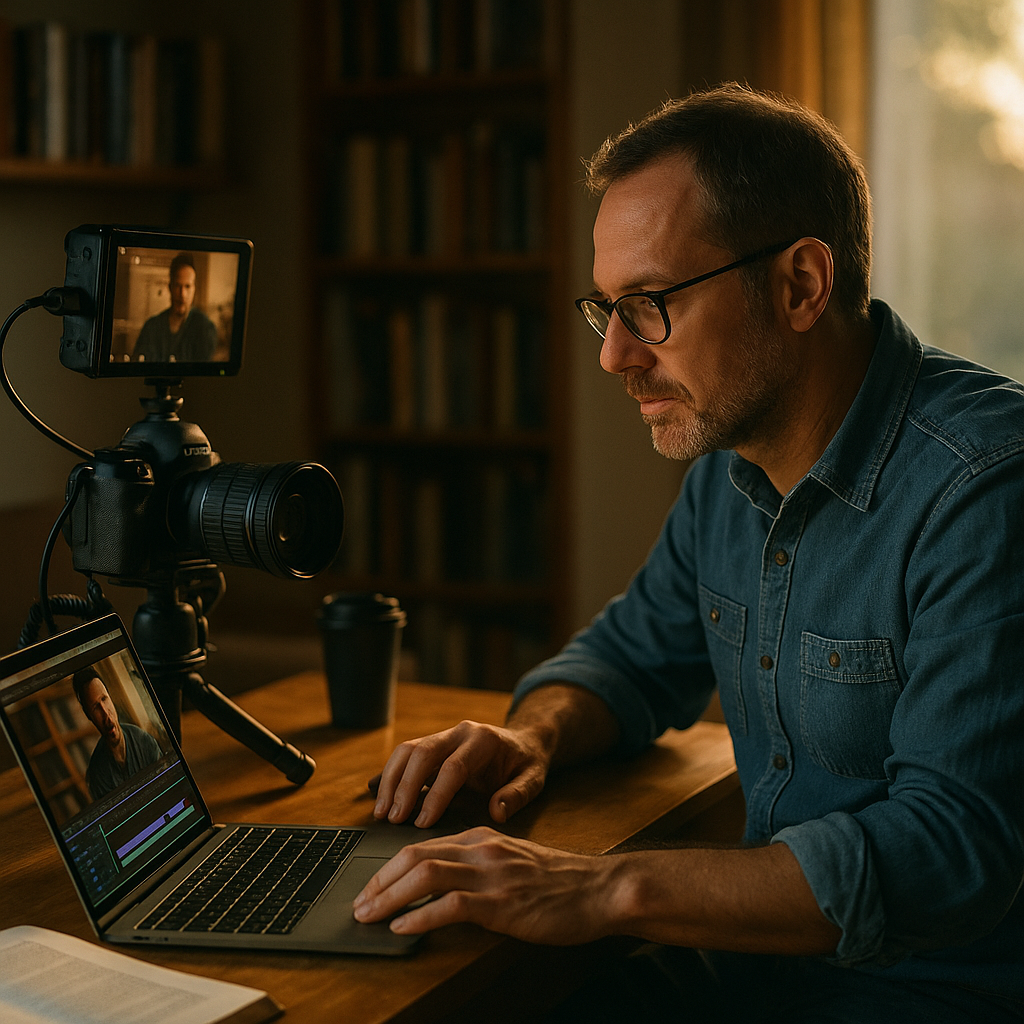
In 2025, audiences and algorithms reward depth over breadth. The Death of the Generalist Influencer and the Era of Domain Experts is not a trend headline—it’s a structural shift in how trust is earned online. Brands want measurable impact, platforms want credible signals, and followers want answers that work. If you create or buy influence, the new rules are already here—are you ready?
Why generalist creators are losing ground in 2025 (secondary keyword: generalist influencer)
The classic generalist influencer model—posting a little fitness, a little finance, a little skincare, a little “day in my life”—worked when reach was scarce and novelty drove discovery. In 2025, reach is abundant, and attention is expensive. Audiences compare advice instantly, and they punish vagueness.
Three forces are compressing the space for the generalist influencer:
- Audience skepticism: Viewers have learned the difference between storytelling and usable guidance. When a creator’s recommendations shift with each sponsorship category, trust drops.
- Algorithmic preference for satisfaction: Platforms increasingly optimize for retention, saves, shares, and “helpfulness” signals—metrics that correlate with specificity and repeatable outcomes, not broad lifestyle content.
- Buyer-side scrutiny: Brand teams now demand clearer attribution and lower risk. A niche creator with verified expertise often produces fewer but higher-quality conversions than a broad creator with thin authority.
Ask yourself the question your audience is already asking: “Why should I listen to you on this topic?” Generalists often answer with personality. Domain experts answer with proof, process, and perspective—then personality amplifies it.
The rise of domain experts and niche authority (secondary keyword: domain experts)
Domain experts win because they reduce uncertainty. People follow experts to avoid mistakes, save time, and gain an advantage. In a market flooded with “tips,” the expert’s edge is a framework plus a track record.
Domain expertise online is no longer limited to formal credentials, but it does require verifiable competence. In practice, high-performing expert creators typically show at least three of the following:
- Demonstrated outcomes: Before/after results, case studies, audits, experiments, or documented workflows.
- Clear scope: They stay in-lane. If they step outside it, they label content as opinion or learning.
- Repeatable methods: Checklists, templates, decision trees, and step-by-step breakdowns.
- Peer recognition: Collaborations with respected practitioners, citations, or invitations to speak/teach.
- Ethical boundaries: Disclosure, safety caveats, and a refusal to oversimplify high-stakes topics.
This is not about being “serious” all the time. It’s about being reliable. The creator who can explain a complex subject in plain language, show their work, and acknowledge limitations becomes the account people return to—and recommend privately.
If you’re a brand, the follow-up question is practical: “How niche is too niche?” In 2025, “too niche” is rare. Most markets are fragmented into micro-needs (beginner vs. advanced, budget vs. premium, regulated vs. unregulated, local vs. global). A domain expert can own one micro-need deeply and still scale through adjacent topics.
How platforms and AI reward expertise signals (secondary keyword: influencer marketing)
Influence now competes with AI summaries, search results, and expert communities. That changes what performs in influencer marketing: content must create value that is difficult to copy without real understanding.
Platforms don’t “understand” credentials the way humans do, but they can detect patterns that correlate with expertise:
- High-intent engagement: Saves, long comments, re-watches, clicks to supporting resources, and subscribers who return.
- Content clustering: Multiple posts that answer related questions from different angles (e.g., basics, mistakes, tools, advanced cases).
- Consistency over virality: Regularly solving the same category of problems trains both audience and recommendation systems.
- Low contradiction rate: Experts can update their views, but they don’t whiplash between opposing claims based on sponsorships.
AI has also raised the bar for originality. If your content is “5 tips” with generic explanations, it’s replaceable. If your content includes constraints, trade-offs, scenarios, and decision logic, it’s harder to replicate and more likely to be shared.
Brands should adjust their selection criteria accordingly. Instead of asking “How many followers?” start with:
- What problem do they solve, for whom, and with what method?
- Can they demonstrate outcomes without relying on hype?
- Do they have a credible stance on product fit and limitations?
This shift also reduces brand risk. Expert creators are more likely to catch compliance issues, make accurate claims, and communicate responsibly—especially in health, finance, legal-adjacent, and safety-related categories.
EEAT for creators: proving trust, not performing it (secondary keyword: EEAT best practices)
Google’s helpful content direction aligns with what audiences already want: evidence, clarity, and accountability. Applying EEAT best practices as a creator doesn’t mean copying academic style. It means making it easy to verify that you know what you’re talking about and that your advice is safe to act on.
Use this practical EEAT checklist in 2025:
- Experience: Show real usage and real decisions. Screenshots, walkthroughs, “what I tried and why,” and lessons from failures build credibility fast.
- Expertise: Define your lane in one sentence and repeat it. If you have credentials, state them plainly. If you don’t, demonstrate competence through consistent, correct analysis.
- Authoritativeness: Earn recognition through collaboration, guest appearances, citations, and being referenced by other experts. Authority is often a network effect.
- Trustworthiness: Disclose partnerships clearly. Separate what you know from what you assume. Add safety notes where appropriate. Correct errors publicly.
Creators often ask: “Do I need formal credentials to be a domain expert?” Not always. For many topics—software tools, productivity systems, design workflows, home cooking—proof of process and results can be enough. But for high-stakes areas (medical, financial advice, legal guidance), credentials or close collaboration with credentialed professionals dramatically strengthens trust and reduces liability.
Another follow-up: “How do I cite sources without sounding stiff?” Keep it simple. Mention the source and what it supports, then link or reference it in your description or resource list. The goal is not to impress; it’s to make verification easy.
Building a specialist brand without shrinking your opportunities (secondary keyword: niche content strategy)
The fear that stops many creators from specializing is economic: “If I pick a niche, I’ll limit my deals.” In 2025, the opposite is often true. A strong niche content strategy increases pricing power because it improves relevance and reduces wasted impressions.
Here’s a structured approach that keeps your niche tight and your opportunities wide:
- Choose a problem, not a demographic: “Helping busy parents” is broad. “Helping busy parents cook high-protein dinners in 20 minutes” is a problem you can own.
- Define your promise: State a measurable outcome (save time, reduce errors, improve performance, lower cost) and the constraint (budget, tools, skill level).
- Create a content ladder: Publish beginner, intermediate, and advanced content so audiences can grow with you. This increases retention and lifetime value.
- Document a signature framework: Name your method. Even a simple 3-step model becomes a memory anchor that differentiates you from “tips” accounts.
- Use proof assets: Case studies, teardown posts, experiments, and audits. If you work with clients, anonymize details and focus on decisions and outcomes.
To avoid being “boxed in,” expand through adjacency. If your core is strength training for runners, adjacencies might include injury prevention, mobility, race prep, or recovery nutrition—with clear labeling and, where necessary, expert collaboration.
Brands should also rethink their creator brief. Instead of forcing experts into generic scripts, ask them for the highest-leverage angle. A domain expert’s value is judgment. The best-performing partnerships often look like education first and product second: when the audience understands the problem, the product fit becomes obvious.
What brands must change: from reach buys to expertise partnerships (secondary keyword: creator economy)
The creator economy is maturing. Brands that still buy influence like billboard space will overpay for underperformance. Brands that treat domain experts as strategic partners will build durable demand.
In 2025, a stronger expert-partnership model includes:
- Better vetting: Evaluate accuracy, consistency, and audience fit. Ask to see examples of how the creator handles nuance, corrections, and product limitations.
- Outcome-based measurement: Track leads, qualified traffic, trial-to-paid, retention, and customer support tickets. Expert content often reduces churn and returns by setting correct expectations.
- Longer collaboration windows: Expertise compounds with repetition. A six-month series can outperform one viral post because it trains the market.
- Content re-use rights: Negotiate rights to repurpose expert explanations into FAQs, onboarding, sales enablement, and support content.
- Compliance and safety alignment: Especially for regulated categories, align on claims, disclaimers, and review processes before publishing.
Brands will ask: “How do we scale if experts have smaller audiences?” Scale through a portfolio of experts, each owning a clear subtopic. Ten expert creators with high trust often beat one broad creator with low conviction because the message lands in context.
Creators will ask: “How do I price as an expert?” Tie pricing to value, not posts. If your content improves conversion rates or reduces acquisition costs, you can price on performance bonuses, licensing, or retained advisory plus content deliverables.
FAQs (secondary keyword: expert influencer)
What is an expert influencer?
An expert influencer is a creator whose influence comes primarily from demonstrated competence in a defined domain. They teach, analyze, and recommend within a clear scope, using evidence, repeatable frameworks, and transparent disclosures.
Is the generalist influencer model dead everywhere?
It’s fading in categories where misinformation, exaggeration, or low-effort content is common and where audiences demand accurate guidance. Broad entertainment and personality-led storytelling can still work, but it increasingly competes with specialists for time and trust.
How do I choose a niche if I have multiple interests?
Pick the intersection of (1) a problem you can solve repeatedly, (2) an audience that can benefit now, and (3) proof you can show within 30 days. Keep other interests as secondary content until your primary lane is established.
Do I need certifications to create expert content?
Not always. For low-stakes topics, documented experience and consistent accuracy can be enough. For high-stakes advice (health, finance, legal), certifications or collaboration with credentialed professionals significantly improves trust and reduces risk.
How can brands evaluate expertise quickly?
Review past posts for consistency, accuracy, and depth. Look for case studies, clear methods, and responsible language around limitations. Ask the creator to explain a common misconception in the category; experts handle nuance without hedging into vagueness.
What content formats best showcase domain expertise?
Breakdowns, audits, step-by-step tutorials, “mistakes to avoid,” decision trees, and case studies perform well because they show reasoning. Live Q&A and teardown sessions also signal confidence and real-time competence.
In 2025, influence shifts from broad appeal to credible utility. Generalist creators struggle because audiences want proof, platforms reward satisfaction, and brands demand measurable outcomes. Domain experts win by staying in-lane, showing their work, and building trust through transparency. Specialization doesn’t reduce opportunity; it increases relevance and pricing power. The takeaway: build authority by solving one problem exceptionally well—and let growth follow.