


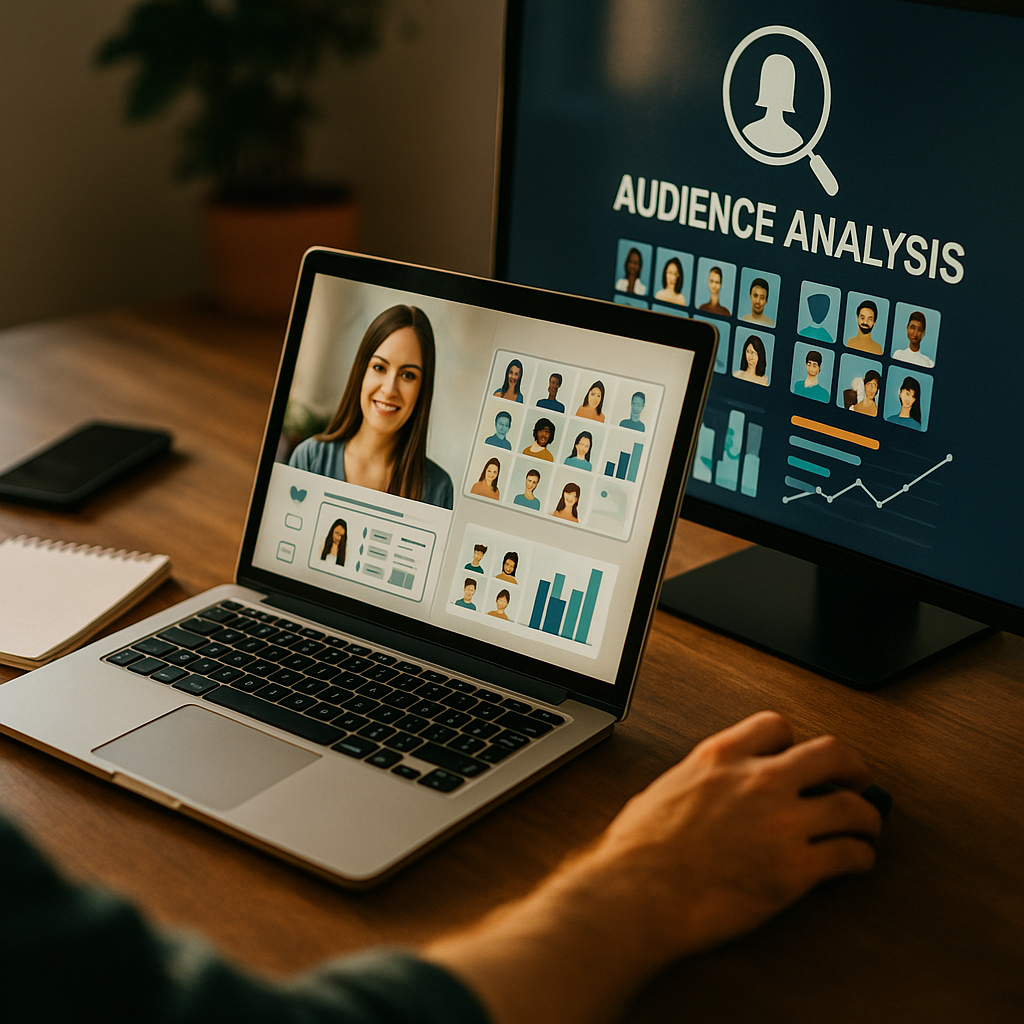
Finding the right tools for deep creator audience matching has become essential in today’s digital landscape. Brands and agencies require advanced solutions to precisely connect creators with hyper-relevant audiences. In 2025, leveraging these tools gives you a competitive edge. In this guide, discover the leading methods, platforms, and best practices to maximize campaign impact through smarter audience-aligned creator partnerships.
Understanding Deep Creator Audience Matching
The era of generic influencer marketing is over. Deep creator audience matching refers to the process of analyzing creator audiences beyond surface-level demographics. This involves examining psychographics, interests, buyer intent, engagement style, and even proprietary lookalike data. Such granularity ensures brand partnerships are genuinely resonant, driving higher ROI and lasting loyalty.
Audience matching is now a data-driven science. According to a June 2025 GWI report, campaigns using advanced audience mapping tools see up to 64% higher conversion rates compared to legacy methods. This strategic shift underscores the value of moving past mere follower counts and focusing on authentic audience-brand connection.
Criteria for Choosing Creator Audience Matching Tools
With dozens of influencer marketing platforms promising deep insights, it’s crucial to evaluate tools against key criteria:
- Data depth and accuracy: Does the platform analyze interests, behaviors, purchase intent, and audience overlap, or is it limited to basic demographics?
- Integrations: Can you connect the tool with your CRM or analytics suites for holistic measurement?
- Privacy compliance: Is the platform GDPR and CCPA compliant, ensuring data is ethically sourced and handled?
- Real-time analytics: Does the tool provide up-to-date audience snapshots, identifying shifts or trends as they happen?
- Creator and audience authenticity checks: Does it guard against fake followers, bots, or audience manipulation?
Prioritizing these factors helps both brands and agencies build robust, compliant pipelines for creator partnerships that reach true potential buyers, not empty numbers.
Top Platforms & Software for Deep Audience Matching
Let’s explore the leading tools for deep creator audience matching in 2025. These platforms distinguish themselves by offering precision-targeted datasets, AI-driven recommendations, and actionable insights:
- CreatorIQ: Utilizes identity-based audience analytics, allowing brands to map on-platform and off-platform behaviors. Enhanced in 2025, it now integrates AI-driven affinity scoring for hyper-specific brand-fit alignment.
- Tagger by Sprout Social: Known for advanced audience overlap reporting, Tagger leverages up-to-the-minute social listening and behavioral signals, factoring in emerging microtrends.
- Julius: Combines psychographic profiling with engagement authenticity verification. Brands can filter for audiences showing high intent within niche categories, thanks to Julius’s extensive proprietary datasets.
- Upfluence: Offers seamless integrations with ecommerce platforms, harnessing purchase data to connect brands with creators whose audiences already buy similar products.
- Modash: Focuses on vetting audience quality, spotlighting actual engagement and brand sentiment. The platform’s 2025 update introduces advanced fraud detection and passion-point segmenting.
All these platforms come with robust dashboards, customizable reporting, and support for multi-channel campaigns—crucial for scaling audience-aligned creator marketing across TikTok, Instagram, YouTube, and more.
Bespoke Data Solutions and AI-Driven Custom Matching
For brands with unique requirements, off-the-shelf solutions may not suffice. Bespoke data services and AI-powered matching provide unmatched precision:
- Custom Data Enrichment: Agencies can now commission third-party audience data overlays, blending public and private signals to build proprietary creator lookalike models. This creates brand-safe, in-depth audience maps tailored for each campaign.
- AI Recommendations: New-generation algorithms—some visible in platforms like CreatorIQ or bespoke enterprise solutions—process billions of signals (e.g., interaction recency, psychographic similarity, predictive churn risk) to suggest ideal matches that weren’t previously apparent.
- Predictive Audience Fit: Machine learning can forecast campaign success based on past performance, historical audience sentiment, and seasonal factors, giving brands confidence to invest in efficient, high-potential partnerships.
As noted in a recent Influencer Marketing Hub survey, brands deploying custom AI-driven audience-matching solutions report a 3x improvement in campaign relevance compared to traditional tools.
Best Practices for Effective Audience-Brand-Content Alignment
Identifying the perfect tool is just the first step. Ensuring deep creator audience matching delivers ROI requires a strategic approach:
- Set clear audience personas: Define target segments (e.g., Gen Z eco-shoppers, fitness-focused parents, or tech-savvy professionals), then prioritize tools capable of isolating these traits within creator followings.
- Regularly revalidate audience data: Social trends shift quickly; re-examine creator audience insights quarterly to ensure continued brand fit and avoid misalignment.
- Assess authenticity rigorously: Employ tools with rigorous bot/fake follower detection, as inflated numbers can tank campaign credibility and waste budget.
- Integrate audience insights into creative briefs: Share nuanced data with creators, empowering them to tailor content that resonates with the specific values and interests of your target cohort.
- Measure post-campaign audience engagement: Go beyond reach and impressions—track actions such as clicks, saves, and sentiment mentions to evaluate true resonance and conversion potential.
By embedding these best practices, brands ensure every campaign not only reaches but activates the right audiences, leading to measurable business growth.
Real-World Success: Case Studies in Precise Creator-Audience Alignment
Effective deep creator audience matching is already redefining digital marketing. Consider these recent examples:
- A consumer technology brand leveraged Tagger’s behavioral audience filtering to identify creators with significant “early adopter” followings. This resulted in a 2.5x lift in launch engagement for their new smart device.
- An eco-friendly skincare company combined Upfluence purchase intent data with Modash’s sentiment analysis to partner with micro-influencers whose audiences showed authentic affinity for sustainable products. Their campaign achieved a 32% increase in repeat purchases.
- A luxury travel operator worked with a data science firm to build a proprietary audience interest graph, pinpointing creators whose followers over-indexed in high-spend travel intent. The campaign’s cost-per-acquisition was reduced by 41%, exceeding all prior benchmarks.
These case studies highlight how sophisticated matching doesn’t just improve efficiency—it transforms campaign outcomes, driving deeper engagement and revenue.
FAQs About Tools for Deep Creator Audience Matching
-
What is deep creator audience matching?
Deep creator audience matching is the process of mapping brand objectives to the nuanced demographics, psychographics, and behavioral data of a creator’s audience to ensure accurate and impactful collaborations.
-
What are the benefits of advanced audience matching tools?
These tools increase campaign relevance, improve conversion rates, ensure advertising spend reaches qualified prospects, and reduce wasted budget on generic or misaligned audiences.
-
Are AI-driven audience matching platforms safe and compliant?
Reputable platforms strictly adhere to privacy regulations, including GDPR and CCPA, using anonymized and ethically sourced data to protect both brands and creator communities.
-
Can small brands or agencies also access these tools?
Yes, many leading platforms offer scalable pricing tiers and dashboard tutorials, making deep audience analysis accessible to businesses of all sizes—not just large enterprise brands.
-
How often should audience data be refreshed?
Best practice is to refresh and reassess audience data at least quarterly, or whenever starting a new campaign, to stay ahead of shifting trends and maintain campaign efficacy.
Using tools for deep creator audience matching is the key to transformative influencer marketing in 2025. Brands that harness these platforms’ advanced data and insights achieve remarkable audience alignment, higher engagement, and measurable business impact. Invest in sophisticated matching solutions to ensure every creator partnership drives powerful, lasting results for your brand.