


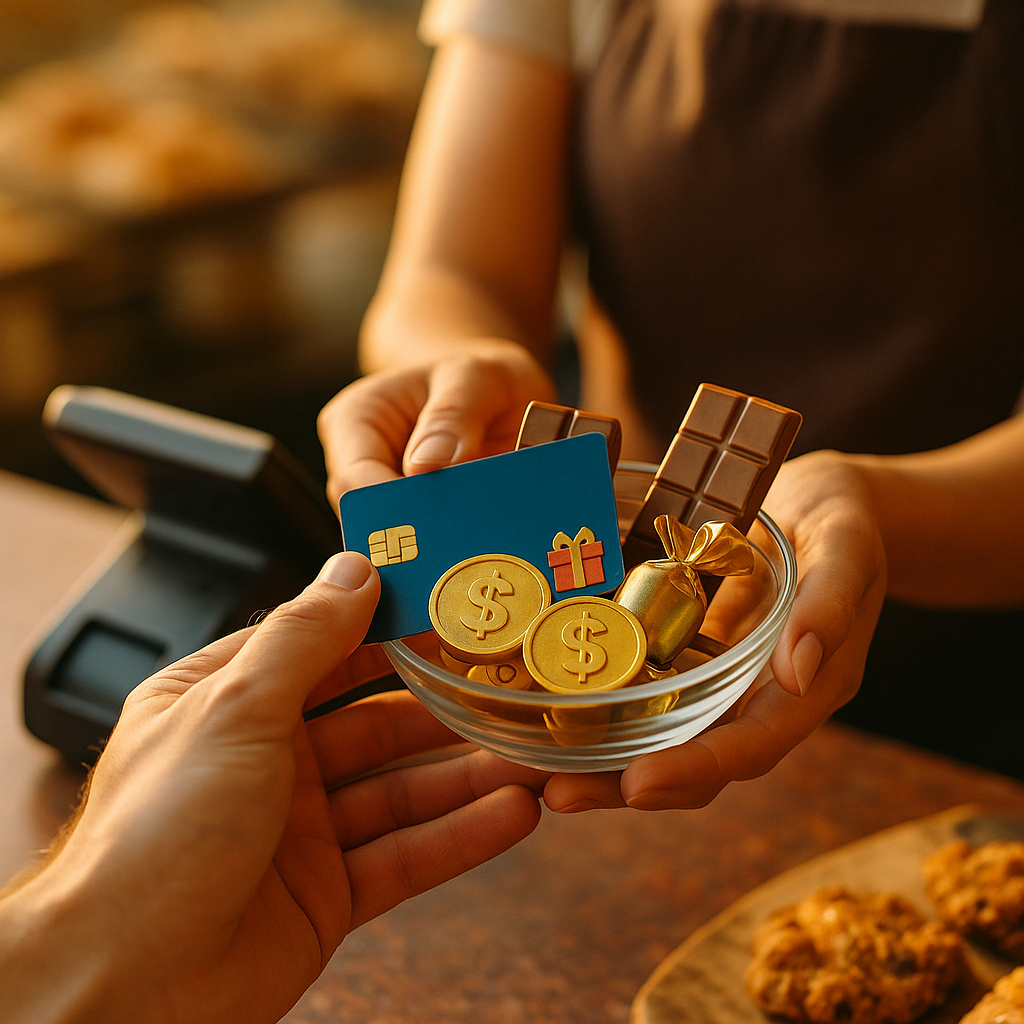
Treatonomics is reshaping how brands win customers in 2025, shifting value away from blanket price cuts and toward small, purposeful rewards that feel personal. As acquisition costs rise and consumers scrutinize every purchase, discounts alone can erode margins and trust. The new playbook emphasizes moments of delight, not perpetual markdowns—so what’s driving this shift, and how can you apply it next?
What treatonomics means for customer loyalty
Treatonomics describes a modern value strategy: instead of routinely lowering prices, brands offer targeted “treats” that customers perceive as meaningful—free upgrades, early access, exclusive bundles, members-only perks, surprise-and-delight credits, or service enhancements. The difference is not just semantic. Traditional discounting trains shoppers to wait for sales and compare on price. Treatonomics trains customers to stay for experiences, recognition, and convenience.
For customer loyalty, the advantage is structural. A discount is easy to copy; a well-designed treat is harder to replicate because it can be tied to your operations, data, and brand identity. A coffee subscription that includes a monthly rotating micro-roaster sample feels different than 10% off a bag. A retailer that offers free hemming, priority returns, and tailored product recommendations builds habit and reduces friction—outcomes that translate into repeat purchases without constant price erosion.
Readers often ask whether treats must be expensive. They don’t. The best treats are high perceived value and low marginal cost. Digital perks (exclusive content, expedited support, flexible delivery windows, or member-only restocks) can deliver a “premium” feeling with minimal unit cost. Even in physical goods, operational “treats” like easier exchanges, refill programs, or warranty extensions can increase confidence and reduce churn.
Pricing strategy shifts: why discounting is losing power
Discounting still has a role, but its influence is shrinking for several reasons that affect nearly every category:
- Margin compression: Rising input and fulfillment costs make constant markdowns less sustainable. If your baseline margin can’t absorb frequent promos, you end up cutting service, quality, or innovation—damaging the brand over time.
- Consumer skepticism: Always-on promotions can create doubt about “real” pricing and product quality. When customers see recurring 30% off, they assume the original price is inflated.
- Promo fatigue: Inbox-driven discount cycles can reduce engagement. Customers tune out because offers feel repetitive and impersonal.
- Competitive parity: If every competitor can match a coupon within hours, the only winner is the most margin-tolerant seller. That’s rarely a long-term advantage.
- Channel changes: Social and retail media reward novelty, community, and storytelling. A price cut is less shareable than a limited perk, a challenge, or a member experience.
In a strong pricing strategy, discounts become a precision tool—used for inventory management, acquisition tests, or lapsed-customer reactivation—rather than a default lever. Treatonomics replaces “How low can we go?” with “What can we add that customers will remember?” That question naturally supports healthier pricing architecture: fewer blanket promos, more segmented offers, and clearer value communication.
Retail promotions that build brand value (not just volume)
Retail promotions work best when they reinforce what your brand stands for. Treatonomics reframes promotions as a way to add value rather than subtract price. That shift protects brand equity while still giving shoppers a reason to act now.
High-performing treat-style promotions typically fall into a few categories:
- Access treats: Early product drops, member-only colors, or limited-edition bundles. These drive urgency without devaluing the core price.
- Service treats: Faster shipping thresholds for members, concierge chat, free alterations, or simplified returns. These reduce purchase anxiety and increase conversion.
- Upgrade treats: Free customization, premium packaging, or an upgrade to a higher-tier version when stock allows. Customers feel “seen,” and you preserve price integrity.
- Experience treats: Events, classes, virtual consultations, or community challenges that increase engagement and lower churn.
- Smart bundles: Pair a hero product with a complementary item at a slight value advantage, protecting headline price while increasing average order value.
To ensure these promotions don’t become “discounting in disguise,” set guardrails. Keep the core product price stable, limit treat eligibility to behaviors you want to encourage (repeat purchase, subscription, referrals), and measure whether the promotion improves retention—not just short-term volume. If a treat drives one-time deal-seekers, rework it into a loyalty-tier benefit or add qualification rules.
A common follow-up: “Will customers perceive treats as gimmicks?” Only if they lack relevance. The best treats solve a real friction point—fit uncertainty, shipping speed, product discovery, gifting—so the customer feels the benefit immediately.
Behavioral economics in marketing: the psychology behind treats
Treatonomics works because it aligns with how people evaluate value. Behavioral economics in marketing shows that customers don’t make decisions based purely on numeric savings; they respond to context, emotion, and perceived fairness.
Several principles explain why treats can outperform discounts:
- Loss aversion: A discount framed as “don’t miss 15% off” can be effective, but it quickly becomes routine. A treat framed as “you earned early access” feels like a status benefit customers don’t want to lose.
- Reciprocity: When a brand gives an unexpected perk—like a free upgrade or a thank-you credit—customers feel a subtle obligation to reciprocate through repeat purchases or positive word-of-mouth.
- Reference price anchoring: Frequent discounts lower the reference price customers hold in their minds. Treats preserve the reference price because they add value without resetting what “normal” costs.
- Endowment effect: Once customers feel ownership of a membership tier, points balance, or exclusive benefit, they value it more and stick around to avoid losing it.
- Peak-end rule: People remember the high point and the ending of an experience. A smooth return, a surprise bonus, or premium packaging can become the “peak” that drives loyalty more than a small price reduction.
To apply these insights, build treats around moments that matter: first purchase, second purchase (habit formation), post-delivery satisfaction checks, customer support interactions, and milestone anniversaries. Treats at these points can reduce buyer’s remorse, increase product adoption, and turn neutral customers into advocates.
Personalized offers and loyalty programs powered by first-party data
Treatonomics depends on relevance, and relevance depends on data you can trust. In 2025, many brands are leaning into first-party data—information customers share directly through purchases, preferences, quizzes, wish lists, subscriptions, and customer service interactions. This supports personalized offers that feel like recognition rather than surveillance.
Here’s how to structure treatonomics with personalized offers and loyalty programs:
- Segment by intent, not demographics: Group customers by behavior—new, active, high-frequency, category loyal, gift buyers, lapsed—so treats match what they actually need.
- Design tiers around benefits: Make higher tiers about better service and access, not just bigger coupons. Examples include priority support, free exchanges, or early drops.
- Use triggers: Send a treat after a second purchase, a product review, or a subscription renewal. Triggers turn perks into timely moments instead of random giveaways.
- Protect fairness: Customers accept personalization when it feels earned and consistent. Publish clear rules for how to qualify for benefits and avoid creating a sense that prices are arbitrary.
- Optimize for lifetime value: A treat should increase retention, purchase frequency, or basket size. If it doesn’t, it’s noise.
Brands also need to answer the privacy question proactively. Explain what data you collect, why you collect it, and what customers get in return. A clear value exchange strengthens trust—an essential part of EEAT—and makes customers more willing to opt in to personalized experiences.
How to measure treatonomics ROI without guesswork
Replacing discounting requires a measurement model that proves profitability, not just engagement. Treatonomics ROI is best assessed through controlled testing and customer-level metrics.
Use a practical measurement framework:
- Define the goal per treat: Conversion lift, retention lift, reduced returns, higher AOV, increased subscription adoption, or support cost reduction.
- Run holdout tests: Keep a control group that receives no treat. Compare outcomes over a meaningful window, especially for retention.
- Track contribution margin, not revenue: Treats often cost less than discounts, but you still need to account for fulfillment, service time, and opportunity cost.
- Measure incrementality: Ask: would the customer have bought anyway? If yes, the treat should be smaller or reserved for a different trigger.
- Watch long-term indicators: Repeat rate, churn, net revenue retention, return rate, customer support contacts, and review volume/quality.
Also anticipate operational constraints. If you promise faster shipping or priority support, your teams must deliver consistently. Treatonomics fails when the perk is marketed but not fulfilled. Build capacity first, then scale the offer.
Finally, keep a disciplined “promo calendar” even when you’re not discounting. Treatonomics still benefits from planning: align treats with product launches, seasonal gifting, membership drives, and inventory realities. The goal is to create momentum without teaching customers to wait for price cuts.
FAQs
-
Is treatonomics just another word for loyalty programs?
No. Loyalty programs are one vehicle for treatonomics, but treatonomics is the broader strategy of adding targeted, meaningful value instead of relying on constant markdowns. A brand can use treats through service upgrades, access perks, bundles, or post-purchase surprises—even without a points program.
-
Will treatonomics work in price-sensitive categories?
Yes, if treats reduce real friction or risk. In price-sensitive categories, focus on value-adds like warranty extensions, easy returns, replenishment subscriptions, or bundles that improve total utility. Keep discounts for specific use cases, such as clearing inventory or acquiring first-time buyers, and then transition customers into treat-based retention.
-
What are examples of low-cost treats with high impact?
Early access to new items, priority customer support, flexible delivery scheduling, free samples tied to past purchases, surprise bonus points, free gift wrapping, or a one-time free upgrade when stock permits. The best options feel personal and solve a problem the customer actually has.
-
How do I prevent customers from feeling it’s unfair if others get different treats?
Use clear qualification rules and “earned” framing. Explain that benefits are tied to behaviors like membership, milestones, or engagement. Avoid secretive pricing changes; instead, keep base prices consistent and make perks transparent.
-
How long does it take to see results after reducing discounting?
Conversion effects can appear quickly, but the main gains often show up in retention and repeat purchase behavior over multiple purchase cycles. Run tests with a defined evaluation window and track customer-level outcomes like repeat rate, churn, and contribution margin to confirm impact.
-
Can treatonomics replace discounts entirely?
In most businesses, no—and it shouldn’t. Discounts remain useful for inventory management, targeted reactivation, and testing acquisition offers. Treatonomics reduces dependence on blanket discounting by shifting the primary value lever to perks, experiences, and service that strengthen loyalty.
Treatonomics is replacing traditional discounting because it protects margins while building loyalty through relevance, service, and memorable value. In 2025, customers respond to brands that recognize them, reduce friction, and deliver consistent experiences—not brands that race to the lowest price. The takeaway: keep discounts as a tactical tool, but make “treats” your core growth engine to earn repeat buying.