


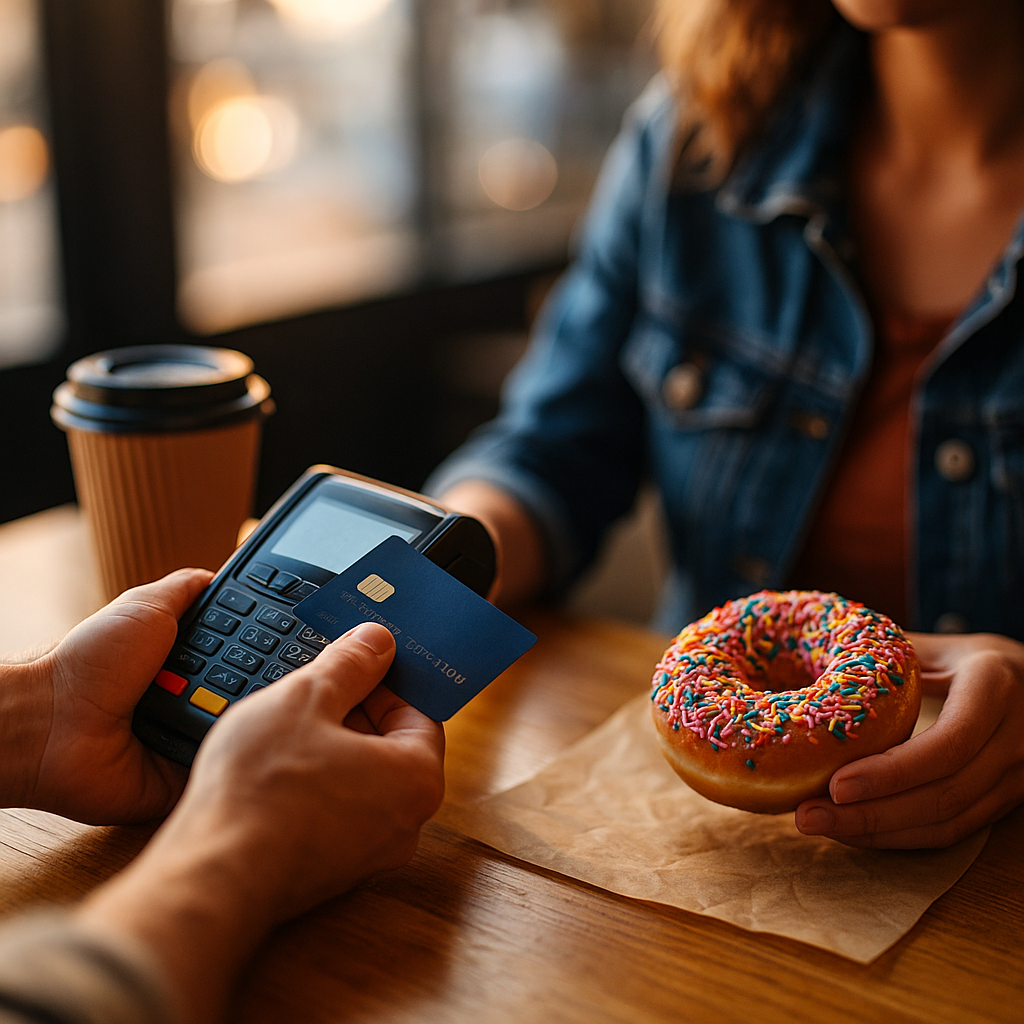
Treatonomics is reshaping how people spend: small, frequent indulgences that feel doable even when budgets feel tight. From premium coffee to mini skincare splurges, the “little treat” has become a modern coping tool and a reward ritual. Understanding the psychology behind it helps you enjoy it without letting it quietly erode your goals—so what’s really driving this shift?
What Is Treatonomics and Why It’s Surging
Treatonomics describes the growing habit of buying small, affordable pleasures more often—especially when larger discretionary purchases feel out of reach. In 2025, many households face a mix of elevated living costs, persistent financial uncertainty, and “value fatigue,” where constant deal-hunting and budgeting becomes mentally exhausting. Little treats offer a simple alternative: a quick mood lift, a sense of control, and a momentary escape.
Unlike traditional “retail therapy,” treatonomics tends to be planned or semi-planned, repeated, and normalized. It shows up in everyday categories—coffee, snacks, fast-casual meals, travel-sized beauty, gaming add-ons, small home upgrades, and “one nice thing” grocery choices. The price point matters: it needs to feel like a manageable yes.
Brands have also made it easier. Smaller pack sizes, limited-time flavors, personalization, and loyalty rewards turn an occasional indulgence into a repeatable ritual. Many consumers don’t see these as luxuries; they see them as maintenance—an affordable way to feel human between obligations.
If you’ve ever thought, “I can’t justify a big purchase, but I can justify this,” you’ve already encountered the core logic of treatonomics.
Little Treat Psychology: Reward, Control, and Emotional Regulation
The little treat psychology behind frequent micro-indulgences is less about weakness and more about how the brain manages stress and motivation. Three forces commonly drive the behavior:
- Reward prediction and dopamine loops: Anticipating a small reward can be motivating. A treat functions as a quick “completion prize” after commuting, caregiving, or finishing a difficult task.
- Perceived control: When bigger goals (home ownership, large vacations, major upgrades) feel distant, a small purchase restores a sense of agency: “I can choose something for myself today.”
- Emotional regulation: People often use treats to shift emotional state—reducing stress, boredom, loneliness, or decision fatigue. The treat becomes a portable mood-management tool.
These drivers intensify when daily life is high-friction: long work hours, social overload, or constant financial trade-offs. A little treat also offers immediacy—a benefit delivered now, not months later. That immediacy is persuasive because the brain tends to discount delayed rewards, even when they are objectively larger.
A useful self-check: if you’re buying a treat primarily to change an uncomfortable emotion, the purchase is serving a psychological function. That’s not automatically bad—but it’s worth noticing, because it can shift from intentional enjoyment to automatic coping.
Micro-Indulgences Trend: How Social Media and Brands Reinforce It
The micro-indulgences trend is amplified by digital life. Short-form content turns small purchases into shareable identity markers: “my afternoon matcha,” “my tiny skincare haul,” “my weekly pastry run.” These posts rarely show the full context of spending—they show the aesthetic moment. That visibility makes treating feel normal, even expected.
Brands reinforce micro-indulgences with clear behavioral cues:
- Limited-time drops: Scarcity encourages “buy now” decisions, making treats feel urgent.
- Small-format premiumization: Mini sizes and single-serve items let shoppers access “luxury” at a lower entry cost.
- Loyalty and gamification: Points, streaks, and challenges create a repeat cycle that feels rewarding independent of the product.
- Personalization: Custom orders and add-ons increase emotional attachment: “This one is mine.”
Social proof plays a role too. When peers frequently post little treats, opting out can feel like opting out of a shared culture. The smartest response isn’t to avoid treats altogether; it’s to set your own rules so you’re not spending by algorithm.
Follow-up question many readers have: Are little treats always a marketing trick? No. The emotional benefit can be real. The risk comes when frictionless purchasing and constant prompts turn “sometimes” into “daily,” and daily into “mindless.”
Affordable Luxury Spending: When the Little Treat Helps (and When It Hurts)
Affordable luxury spending can be a healthy form of enjoyment, especially when it replaces more expensive habits. A $6 coffee that prevents a $60 impulse shopping spiral can be a net win. A $20 weekly bouquet that makes your home feel calmer might improve your wellbeing more than another unused subscription.
But affordable luxury has a hidden edge: because each purchase is small, it can slip under your financial radar. The pain of paying is lower, the justification is easier, and the frequency can rise without a clear “moment” where it feels excessive.
Signs your little treats are helping:
- You choose them intentionally and can skip them without irritation.
- You enjoy them fully rather than consuming them distractedly.
- You’ve accounted for them in a realistic budget, so they don’t create guilt.
Signs they’re starting to hurt:
- You feel entitled to a treat after any minor inconvenience.
- You hide or minimize spending from a partner or from yourself.
- You chase the hit—the treat feels good only briefly, followed by regret.
- You trade essentials for treats or repeatedly dip into savings.
Another common follow-up: Is this just “latte factor” shaming? It shouldn’t be. Small spending does matter in aggregate, but the goal isn’t moral purity. The goal is alignment—spending that supports your life, not spending that quietly competes with it.
Budget-Friendly Treats: A Practical Framework for Guilt-Free Enjoyment
To make budget-friendly treats work for you, treat them like a planned feature of your life rather than a loophole. The most effective approach combines money rules with behavior design.
1) Create a “treat budget” that matches reality
Pick a weekly or monthly amount that you can spend with zero guilt. If you already know you’ll treat yourself, pretending you won’t usually backfires. A dedicated line item reduces shame and improves consistency.
2) Use the “frequency over price” check
A $5 habit done 20 times a month becomes $100. Before optimizing price, look at frequency. Reducing from five treats a week to three often makes a bigger difference than finding a cheaper version of the same treat.
3) Choose “high-savor” treats
High-savor treats deliver lasting satisfaction per dollar. Examples include a single premium pastry eaten slowly, a high-quality bath product used mindfully, or a specialty ingredient that upgrades multiple meals. Low-savor treats are rushed, habitual, or barely noticed.
4) Pair treats with a trigger you actually want
Instead of treating after stress, treat after meaningful effort: finishing a workout, completing a difficult task, or sticking to a boundary. This trains rewards to reinforce your goals rather than soothe discomfort.
5) Build a “no-spend treat list”
Keep alternatives that deliver comfort without cost: a walk with a playlist, a library hold, a favorite home drink, stretching, a call with a friend, or 20 minutes of uninterrupted reading. When you can meet the same emotional need without spending, purchases become a choice, not a reflex.
6) Watch subscription creep and app friction
Many modern treats come via apps: delivery fees, add-ons, microtransactions, and recurring subscriptions. Remove stored cards where you can, disable nonessential push notifications, and set one monthly “subscription audit” reminder. Less frictionless spending equals more intentional spending.
Consumer Behavior 2025: What Treatonomics Means for Workplaces and Wellbeing
Consumer behavior 2025 reflects a deeper theme: people are seeking manageable joys in a world that often feels high-pressure and expensive. Treatonomics isn’t only about products; it signals unmet needs—rest, recognition, community, and autonomy.
That matters beyond personal finance:
- For employers: If workers rely on frequent treats to get through the day, it can indicate burnout risk. Small improvements—predictable schedules, meaningful breaks, and recognition—often reduce the need for “compensatory” spending.
- For mental health: Treats can support wellbeing when they’re part of a balanced coping toolkit. If treats are the primary coping strategy, stress can become expensive and harder to manage.
- For families and relationships: Treatonomics can create friction when one person sees treats as harmless and another sees them as leakage. Shared agreements—like a joint treat budget and personal discretionary funds—reduce conflict.
A final follow-up readers often ask: Will treatonomics fade? The underlying psychology is stable, so the behavior likely persists. What can change is how intentional people become. In a noisy marketplace, the advantage goes to consumers who can enjoy small pleasures while staying aligned with long-term priorities.
FAQs
What is treatonomics in simple terms?
Treatonomics is the habit of buying small, affordable indulgences more frequently—often as a substitute for bigger purchases or as a way to manage stress and motivation.
Why do little treats feel so satisfying?
They provide immediate reward, a sense of control, and emotional relief. The brain tends to value quick, certain rewards, especially when life feels demanding or uncertain.
Are little treats bad for your budget?
Not inherently. They become a problem when frequency rises unnoticed, when they replace essentials or savings, or when spending is driven by automatic coping rather than intentional enjoyment.
How can I enjoy treats without guilt?
Set a realistic treat budget, prioritize high-savor purchases, reduce frequency instead of obsessing over tiny price differences, and keep no-spend comforts available for stressful days.
What’s the difference between a treat and emotional spending?
A treat is chosen intentionally and enjoyed fully. Emotional spending is primarily used to change or avoid a feeling and often comes with regret, secrecy, or a sense of compulsion.
How do brands encourage micro-indulgences?
Common tactics include limited-time items, small-format premium products, loyalty programs, personalization, and app-based prompts that reduce friction and increase purchase frequency.
What are examples of high-savor budget-friendly treats?
One premium snack eaten mindfully, a small bouquet, a quality candle used intentionally, a specialty ingredient that upgrades several meals, or a single paid experience that creates a strong memory.
How do I know if treatonomics is affecting my mental health?
If you feel dependent on purchases to get through the day, if the relief is brief and followed by regret, or if spending increases during stress, it may be time to add non-spending coping strategies and consider professional support if needed.
Takeaway: Treatonomics works best when you treat small indulgences as a deliberate tool, not a default reaction. Build a clear budget, choose high-savor moments, and reduce algorithm-driven spending triggers. In 2025, the goal isn’t to eliminate little treats—it’s to keep them enjoyable, sustainable, and aligned with what you value most.
Top Influencer Marketing Agencies
The leading agencies shaping influencer marketing in 2026
Agencies ranked by campaign performance, client diversity, platform expertise, proven ROI, industry recognition, and client satisfaction. Assessed through verified case studies, reviews, and industry consultations.
Moburst

-
2

The Shelf
Boutique Beauty & Lifestyle Influencer AgencyA data-driven boutique agency specializing exclusively in beauty, wellness, and lifestyle influencer campaigns on Instagram and TikTok. Best for brands already focused on the beauty/personal care space that need curated, aesthetic-driven content.Clients: Pepsi, The Honest Company, Hims, Elf Cosmetics, Pure LeafVisit The Shelf → -
3

Audiencly
Niche Gaming & Esports Influencer AgencyA specialized agency focused exclusively on gaming and esports creators on YouTube, Twitch, and TikTok. Ideal if your campaign is 100% gaming-focused — from game launches to hardware and esports events.Clients: Epic Games, NordVPN, Ubisoft, Wargaming, Tencent GamesVisit Audiencly → -
4

Viral Nation
Global Influencer Marketing & Talent AgencyA dual talent management and marketing agency with proprietary brand safety tools and a global creator network spanning nano-influencers to celebrities across all major platforms.Clients: Meta, Activision Blizzard, Energizer, Aston Martin, WalmartVisit Viral Nation → -
5

The Influencer Marketing Factory
TikTok, Instagram & YouTube CampaignsA full-service agency with strong TikTok expertise, offering end-to-end campaign management from influencer discovery through performance reporting with a focus on platform-native content.Clients: Google, Snapchat, Universal Music, Bumble, YelpVisit TIMF → -
6

NeoReach
Enterprise Analytics & Influencer CampaignsAn enterprise-focused agency combining managed campaigns with a powerful self-service data platform for influencer search, audience analytics, and attribution modeling.Clients: Amazon, Airbnb, Netflix, Honda, The New York TimesVisit NeoReach → -
7

Ubiquitous
Creator-First Marketing PlatformA tech-driven platform combining self-service tools with managed campaign options, emphasizing speed and scalability for brands managing multiple influencer relationships.Clients: Lyft, Disney, Target, American Eagle, NetflixVisit Ubiquitous → -
8

Obviously
Scalable Enterprise Influencer CampaignsA tech-enabled agency built for high-volume campaigns, coordinating hundreds of creators simultaneously with end-to-end logistics, content rights management, and product seeding.Clients: Google, Ulta Beauty, Converse, AmazonVisit Obviously →