


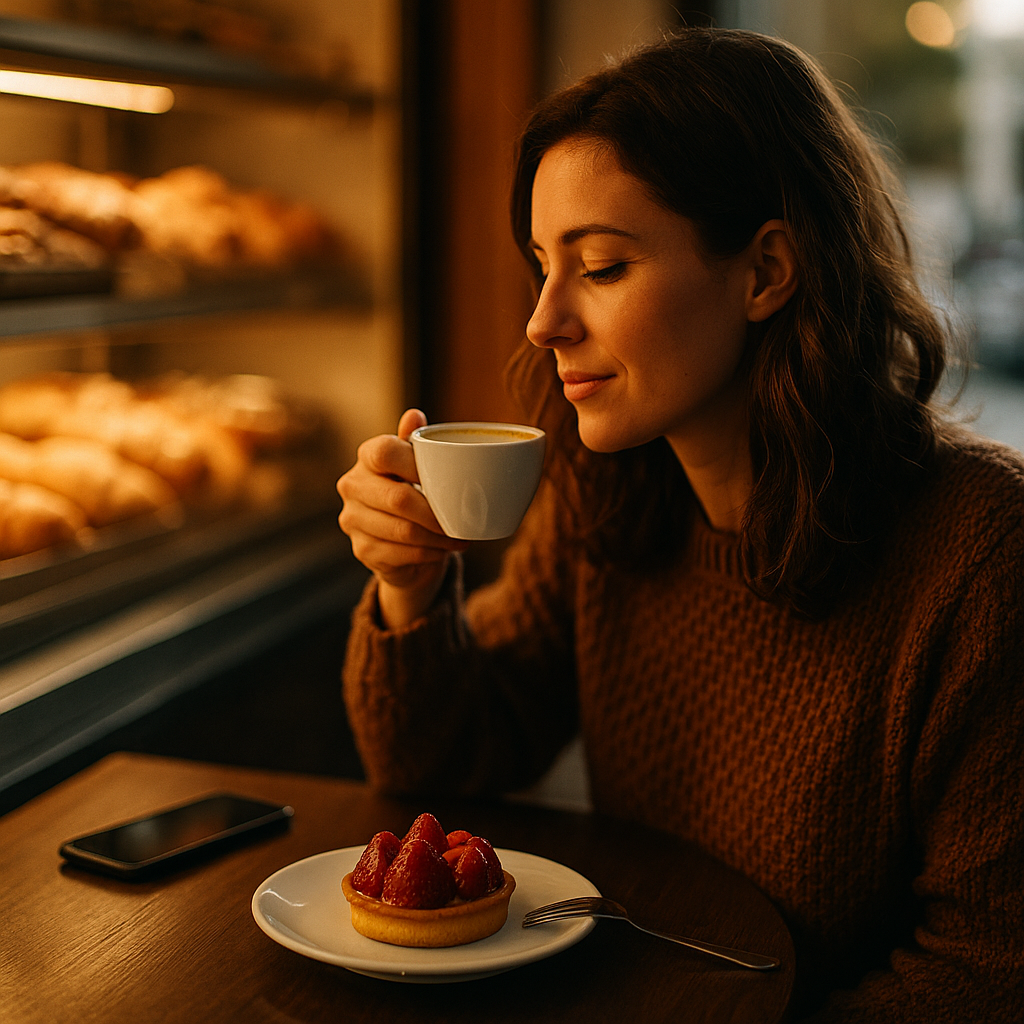
Treatonomics is reshaping consumer priorities in 2025, as people redirect spending from big-ticket items to small luxuries that deliver immediate pleasure and a sense of control. From prestige lip balms to artisanal chocolate and travel-size fragrances, “little upgrades” now feel like smart emotional investments. Brands that understand this shift can grow—even when wallets tighten. What’s driving it?
Micro-luxury spending: why small upgrades are winning
Small luxury goods—often called micro-luxuries—sit in a sweet spot between everyday essentials and traditional luxury. They cost less than handbags, fine jewelry, or long-haul vacations, but they still offer the signals consumers associate with luxury: elevated design, superior ingredients, heritage cues, scarcity, and an “experience” layer.
In 2025, many households are dealing with a mix of persistent cost pressure and cautious optimism. When uncertainty lingers, consumers commonly seek purchases that feel rewarding without creating long-term financial stress. Micro-luxury purchases meet that need because they are:
- Budget-legible: A $20–$80 item feels easier to justify than a $1,500 commitment.
- Instantly usable: A fragrance mist, specialty coffee, or silk scrunchie improves the day immediately.
- Low-regret: Smaller price tags reduce post-purchase anxiety, returns, and buyer’s remorse.
- Socially shareable: Unboxing, “what’s in my bag,” and daily routine content amplifies desire.
Consumers are not abandoning luxury; they are rebalancing it. Instead of one major splurge, many people prefer multiple smaller indulgences spread across the month. That creates a different competitive set: a premium hand cream competes not only with other creams, but also with a café treat, a limited-edition candle, or a boutique snack.
If you’re evaluating demand, watch the “trade-down, trade-up” pattern: people trade down in categories where difference feels marginal (generic basics) and trade up where quality and experience feel tangible (taste, scent, skin feel, presentation, personalization).
Affordable indulgence trend: the psychology behind treat purchases
The affordable indulgence trend is powered by psychology more than status. Treat purchases often act as small, controllable rewards during busy weeks. They also offer a sense of identity: “I’m someone who chooses better,” even if the item is small.
Three mechanisms matter most:
- Emotional regulation: A small luxury functions like a mood reset—especially when time and energy are limited.
- Progress markers: People use treats to punctuate milestones: finishing a project, getting through a hard week, or sticking to a habit.
- Identity reinforcement: Micro-luxuries help consumers feel consistent with a preferred self-image (healthy, refined, creative, minimalist, eco-aware).
These motivations explain why certain categories outperform in treat-led cycles. Beauty and personal care remain strong because they combine sensory pleasure (texture, scent) with perceived utility (self-care, confidence). Food and beverage treats work because they deliver immediate gratification. Home fragrance, stationery, and small décor items succeed because they improve the environment—an especially valued benefit for people spending more time at home or working hybrid.
Consumers also ask, “Is this worth it?” more directly in 2025. Value is not just price; it’s the ratio of pleasure, performance, and longevity. A “small luxury” must feel noticeably better than a standard alternative. If the premium isn’t obvious within minutes—taste, comfort, visible result—the product risks being dismissed as overpriced.
Premiumization in everyday goods: categories benefitting most
Premiumization in everyday goods describes the shift toward higher-quality versions of routine items. For brands, this is where treatonomics turns into predictable revenue: repeatable purchases with higher margins and strong loyalty when the experience stays consistent.
Top categories where premiumization aligns with treat demand:
- Beauty minis and “entry prestige”: Travel sizes, discovery kits, and hero-product minis allow consumers to buy into premium brands without full-price risk.
- Fragrance and scented body care: Layering products—mists, lotions, hair perfumes—create collectability and repeat purchases.
- Gourmet snacks and artisanal sweets: Portion-controlled indulgences feel both disciplined and rewarding.
- Specialty coffee and functional beverages: Consumers pay more for flavor stories, origin transparency, and perceived wellness benefits.
- Home scent and “small sanctuary” goods: Candles, diffusers, room sprays, and linen mists deliver atmosphere fast.
- Accessories with daily visibility: Sunglasses cases, wallets, phone charms, premium socks—items used constantly justify quality.
Within each category, the same purchase logic appears: the consumer wants a reliable upgrade they can feel. That means performance and sensory payoff are not optional. For example, a premium chocolate bar must taste distinctly better, not just look nicer. A prestige hand cream must absorb better, smell better, and leave skin feeling different for hours.
To meet EEAT expectations in 2025, brands should communicate clearly what makes the product premium. Replace vague claims (“luxurious,” “high-end”) with verifiable specifics:
- Ingredient or material details: percentages, grades, sourcing regions, certifications where relevant.
- Process cues: small-batch methods, maturation times, perfumer notes, formulation standards.
- Use-case clarity: what problem it solves and how quickly a user will notice.
Small luxury goods demand: what consumers expect from brands in 2025
Small luxury goods demand is rising, but expectations are sharper than in previous cycles. Consumers are willing to pay more for “small” luxuries only when brands deliver trust, transparency, and frictionless convenience.
Key expectations shaping purchase decisions:
- Proof of quality: Demonstrations, credible reviews, and clear product specs. Consumers rely on short-form video and detailed customer feedback to validate performance.
- Transparent pricing logic: People accept premium pricing when brands explain materials, craftsmanship, sourcing, and quality control.
- Ethics without theater: Sustainability and labor claims must be specific. Overstated or vague “green” messaging creates skepticism.
- Convenient access: Fast shipping, easy returns, and consistent availability. Treat purchases are often impulsive; friction kills conversion.
- Packaging that earns its keep: Consumers want packaging that feels premium and functional, not wasteful.
- Personalization: Scent profiles, curated bundles, engraving, or “choose your trio” sets increase perceived value.
Brands also need to anticipate follow-up questions consumers ask before buying:
How long will it last? State realistic usage duration (e.g., “30–45 uses”), and provide size-to-value comparisons.
Will I notice a difference? Explain the sensory and functional outcome in plain language, including how fast results appear.
Is it safe for me? Provide allergen guidance, fragrance disclosures where relevant, and clear suitability notes for skin types or dietary needs.
Can I try it without committing? Offer mini sizes, discovery kits, or sample-with-purchase options to reduce risk.
Consumer behavior in downturns: how treatonomics changes the purchase funnel
Consumer behavior in downturns tends to shift from aspiration to justification. That doesn’t eliminate desire; it changes how people buy. Treatonomics shortens the decision cycle in some cases (impulse treats) while increasing scrutiny in others (repeatable subscriptions, higher-priced prestige items).
In practical terms, the purchase funnel changes like this:
- Awareness becomes experience-led: Consumers discover treats through sensory storytelling—taste tests, “get ready with me,” desk setups, and ritual content.
- Consideration becomes proof-led: Shoppers look for comparisons, third-party reviews, and visible results. Brand claims alone carry less weight.
- Conversion becomes low-risk: Bundles, minis, limited-time drops, and “starter sets” reduce hesitation.
- Loyalty becomes ritual-based: Repurchase happens when the product integrates into a routine: morning coffee, nightly skincare, weekly candle, monthly snack box.
This also explains why “drop culture” works for small luxuries—when done responsibly. Limited editions can create excitement, but if scarcity feels manipulative or availability becomes unreliable, consumers move on quickly. The best-performing brands use scarcity to highlight creativity (seasonal flavors, collaboration scents) while keeping core favorites stocked.
For retailers and ecommerce teams, treatonomics also affects merchandising:
- Checkout strategy: Micro-luxuries placed near checkout (online and offline) lift average order value.
- Giftability: Treats often double as “thinking of you” gifts. Make gifting frictionless with notes, wrap options, and ship-to-recipient defaults.
- Cross-category pairing: Pair a candle with matches, a lip balm with a mini hand cream, coffee with a mug. Bundles create a complete ritual.
Brand trust and EEAT marketing: how to sell small luxuries credibly
EEAT marketing—demonstrating experience, expertise, authoritativeness, and trustworthiness—matters more for small luxuries than many brands assume. When consumers buy “a little upgrade,” they still want to feel confident the product is safe, authentic, and worth the premium.
To align with EEAT best practices in 2025, focus on these credibility builders:
- Show real expertise: Use qualified creators and internal experts (formulators, chocolatiers, roasters, perfumers) to explain choices and trade-offs.
- Document product development: Share testing standards, stability testing for cosmetics, allergen controls for food, or material specs for accessories.
- Use precise claims: Avoid medical or exaggerated promises. For example, describe hydration duration rather than claiming “repairs skin overnight.”
- Make sourcing legible: Provide origin, supplier standards, and certification details where relevant. If you can’t verify it, don’t market it.
- Elevate customer evidence: Feature verified reviews, before/after images where appropriate, and common Q&A with accurate answers.
- Keep policies simple: Clear pricing, transparent shipping, and easy returns reduce perceived risk and increase conversion.
One more practical point: small luxury marketing performs best when it doesn’t pretend the item is “necessary.” Treatonomics is about permission. Position products as enjoyable, high-quality choices that fit real budgets and real lives. Consumers respect honesty, and trust drives repeat purchases.
FAQs
-
What is treatonomics?
Treatonomics describes a consumer spending pattern where people prioritize small, affordable luxuries instead of large discretionary purchases. The goal is emotional reward, daily enjoyment, and a sense of control—without the financial commitment of traditional luxury.
-
What counts as a small luxury good?
Small luxury goods are premium, lower-priced items that feel special through quality, design, and experience—such as mini fragrances, prestige lip care, artisanal snacks, premium candles, specialty coffee, and elevated everyday accessories.
-
Why are consumers buying more micro-luxuries in 2025?
Many consumers want joy and self-care while staying budget-conscious. Micro-luxuries offer immediate sensory payoff and low regret, making them easier to justify than major purchases during periods of uncertainty or tighter discretionary spending.
-
How can brands price small luxuries without seeming overpriced?
Brands need to make the premium concrete: explain materials or ingredients, show performance differences, offer transparent sizing/value information, and provide low-risk trial options such as minis, bundles, or discovery sets.
-
Which marketing channels work best for small luxury goods?
Short-form video, creator demonstrations, verified reviews, and search-driven product pages perform well because they show sensory payoff and proof. Email and SMS work for limited drops, replenishment reminders, and curated bundles that support repeat rituals.
-
How do you build trust for premium treats online?
Use EEAT signals: expert-led explanations, transparent sourcing, precise claims, verified reviews, clear policies, and detailed FAQs about safety, allergens, usage duration, and results. Trust reduces hesitation and increases repurchase.
In 2025, treatonomics turns small luxuries into a practical growth engine: consumers still want premium experiences, but they want them in manageable sizes and prices. The brands that win make quality obvious, reduce risk with minis and bundles, and earn trust through transparent, expert-backed messaging. Build products people can feel instantly—and they’ll come back for the ritual.