


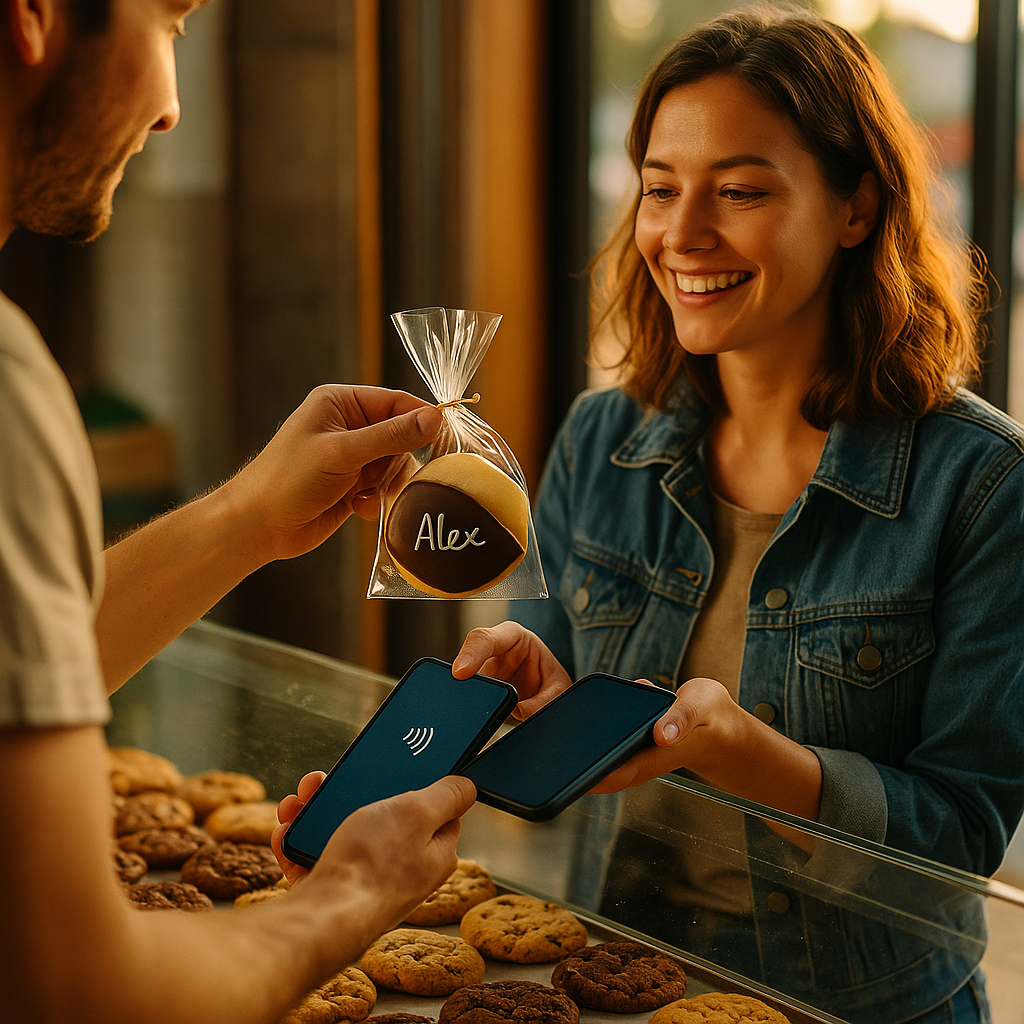
Treatonomics is reshaping how brands win loyalty in 2025, replacing blunt discounting with curated moments that feel personal, premium, and worth paying for. As shoppers become more selective and marketing costs rise, “just lower the price” stops working—and can even train customers to wait. The new playbook rewards engagement, not bargain-hunting. Why is this shift accelerating right now?
Why experiential rewards outperform price cuts
Traditional discounting is simple: reduce the price, spike demand, and hope customers return later at full margin. In practice, repeated discounts often produce three problems: they compress profit, weaken brand perception, and condition customers to delay purchases until the next promotion.
Treatonomics replaces the “cheaper” promise with a “better” promise. Instead of offering the same product for less, brands create micro-experiences—small, high-perceived-value benefits that make a customer feel recognized. These “treats” can be tangible (a surprise sample, a free upgrade) or intangible (early access, concierge support). The key is that the value is felt, not merely calculated.
This approach works because customers do not evaluate every purchase as a spreadsheet exercise. Many categories—beauty, food, fitness, travel, electronics, even household staples—include emotional drivers: confidence, convenience, identity, relief, and status. A discount speaks to the rational mind; a well-timed treat speaks to both.
Brands also gain a practical benefit: experiential rewards can be delivered at a lower cost than a blanket price cut while producing a comparable or better conversion lift. A thoughtful upgrade on shipping speed for a loyalty member, for example, can cost less than a 20% promotion—and does not reset the customer’s price expectations.
Loyalty strategy shifts toward perks, not points
In 2025, loyalty is less about hoarding points and more about receiving benefits that remove friction or create delight. Many consumers have joined multiple programs, yet they do not actively engage with most of them. When loyalty becomes complicated, it becomes invisible. Treatonomics simplifies the value exchange: do business with us, and we will treat you better.
That changes loyalty design in several concrete ways:
- Perks replace math. Customers do not want to calculate redemption thresholds. They respond to clear perks like “free repairs,” “members-only drops,” or “priority support.”
- Status becomes useful. Tiers matter when they unlock meaningful convenience (faster fulfillment, easier returns), not when they only change badge color.
- Recognition beats repetition. A “thank you” upgrade on a third purchase can outperform a predictable coupon because it signals the brand is paying attention.
If you are wondering, “Won’t customers still want discounts?”—yes, but increasingly as a situational tool, not the default. Treatonomics repositions discounts as targeted interventions: win-back offers, inventory clearance, first-order acquisition tests, or competitive response. The loyalty core shifts to benefits that build habit without eroding margin.
Customer value personalization makes discounts obsolete
The strongest force behind Treatonomics is the ability to tailor value to the individual. A generic discount assumes customers share the same motivations. They don’t. Some prioritize speed. Others want discovery. Some want reassurance and support. Treatonomics uses customer signals to match the right treat to the right moment.
Personalization here does not mean creepy surveillance or overfitted recommendations. It means using first-party data a customer expects you to have—purchase history, membership status, preferences they explicitly set, and service interactions—to deliver a benefit that is clearly connected to their behavior.
Examples of personalized treats that reduce reliance on discounts:
- Convenience treats: free expedited shipping on refill items, one-click reorders, bundled setup help.
- Discovery treats: curated samples, trial sizes aligned to past purchases, early access to new releases in a favorite category.
- Assurance treats: extended returns for members, free sizing exchanges, priority troubleshooting.
- Community treats: invitations to small online events, expert Q&A sessions, local pop-ups with limited capacity.
When customers receive the benefit they care about, the brand doesn’t need to “pay” them with margin. That is why Treatonomics can feel like discounting is becoming obsolete: the value is not a lower sticker price, but a better experience. The practical follow-up is measurement—so the next section addresses how brands prove this approach works.
Profitability analytics proves treat-based marketing ROI
Discounts are easy to measure and easy to justify: “We reduced price and sold more units.” Treatonomics requires stronger analytics because the “treat” often shows up as improved retention, higher average order value, lower returns, or better referral behavior—not only an immediate sales spike.
In 2025, more teams can operationalize this because modern commerce stacks can link customer events across channels. To make Treatonomics defensible to finance, marketers and product teams align on a few metrics that translate directly into profitability:
- Incremental retention lift: does a treat increase repeat purchase rate versus a matched control group?
- Margin-adjusted revenue: does the program improve contribution margin after fulfillment and service costs?
- Return rate changes: do perks like better sizing guidance or exchanges reduce expensive returns?
- Customer lifetime value (CLV) movement: do treated cohorts show higher CLV with stable acquisition costs?
- Redemption and breakage realism: are rewards designed for use (good) rather than “breakage” (risky for trust)?
A helpful way to answer the internal follow-up question—“Should we still run promotions?”—is to treat discounting as a cost center and treats as an asset. Promotions often buy short-term volume. Treats can build customer equity that compounds through habit and advocacy. The ROI conversation shifts from “What did we sell this week?” to “What did we build into next quarter?”
Brand differentiation in crowded markets depends on emotional value
As paid media becomes more competitive and product features converge, brands struggle to stand out on “better specs” alone. Discounting makes that problem worse because it pulls you into a race where the cheapest offer wins—and the next cheapest offer appears tomorrow.
Treatonomics creates differentiation that competitors can’t instantly copy because it is built from operational choices: service design, fulfillment options, community, content, and partnerships. A rival can match a 15% coupon in minutes. They cannot quickly match a well-run “members get it first” supply chain, a responsive support team, or a distinctive experience layer around the product.
This is especially important for premium and emerging brands. Premium positioning collapses when discounts become frequent. For emerging brands, constant promotions can attract deal-seekers who churn fast, leaving the brand with weak unit economics. Treatonomics allows both to scale without sacrificing identity.
To keep this credible, brands must deliver treats that are consistent with their promise. A sustainable brand should not “treat” customers with wasteful packaging. A performance brand should not “treat” with random freebies that dilute focus. The treat must reinforce what the brand stands for.
How to implement Treatonomics without training customers to expect freebies
A common concern is that treats can become a new form of entitlement: customers expect constant extras, and the brand ends up giving away margin anyway. Treatonomics avoids this by using surprise, relevance, and rules.
Implementation steps that keep the strategy disciplined:
- Define the “treat budget” per customer segment. Allocate a cost envelope based on predicted CLV and service costs, not on gut feel.
- Choose treat triggers. Tie treats to meaningful milestones: first purchase completion, third order, subscription renewal, high NPS response, or a recovered service issue.
- Make treats occasional, not constant. A treat feels like recognition when it is not guaranteed. The customer should feel pleasantly surprised, not entitled.
- Use a mix of low-cost and high-impact perks. Priority support, flexible returns, or early access often cost less than product giveaways.
- Protect perceived value. Present the treat as a benefit with clear worth (for example, “complimentary express shipping”) rather than an invisible backend adjustment.
- Build an escalation path for service recovery. When something goes wrong, a targeted treat can restore trust faster than a generic discount code.
Brands also need guardrails for ethics and trust. Be clear about what data you use and why. Allow customers to set preferences. Keep offers consistent across protected groups. Treatonomics should feel like better service, not manipulation.
FAQs
What is Treatonomics in marketing?
Treatonomics is a strategy that replaces broad price discounting with curated benefits—perks, upgrades, surprise-and-delight moments, and service advantages—designed to increase loyalty and conversion without eroding brand value.
Is Treatonomics just another name for loyalty programs?
No. Loyalty programs often focus on points and redemption mechanics. Treatonomics focuses on delivering immediate, relevant value through experiences and perks, sometimes inside a loyalty program and sometimes as part of standard customer experience.
Do customers still want discounts in 2025?
Yes, but they increasingly expect discounts to be targeted and purposeful. Many customers respond better to convenience, recognition, and assurance perks than to constant coupons, especially in categories where trust and service matter.
How do you measure Treatonomics results?
Measure incremental lift against control groups, margin-adjusted revenue, repeat purchase rate, return rate changes, customer lifetime value, and customer satisfaction signals. The goal is to prove profitable behavior change, not only short-term volume.
Which industries benefit most from Treatonomics?
Retail and e-commerce, beauty, food and beverage, fitness and wellness, travel and hospitality, subscription businesses, and marketplaces benefit strongly—especially where repeat purchases, customer experience, or service costs drive profitability.
Will Treatonomics work for small businesses with limited budgets?
Yes. Small businesses can use low-cost treats like handwritten thank-you notes, early access to limited inventory, flexible return policies, priority response times, and community access. The key is relevance and consistency, not expensive giveaways.
How do you avoid customers gaming treat-based offers?
Use milestone-based triggers, limit frequency, require account verification where appropriate, and focus treats on behaviors you want to reinforce (repeat purchase, referrals, subscription renewals). Avoid making every treat predictable or easy to exploit.
When should a brand still use traditional discounting?
Use discounts for specific purposes: clearing seasonal inventory, acquiring first-time buyers in controlled tests, reactivating churned customers, matching a competitive threat, or correcting pricing mismatches. Keep discounts occasional and strategically targeted.
Traditional discounting is losing power because it trades margin for volume while teaching customers to wait. Treatonomics replaces that pattern with personalized perks, service upgrades, and meaningful recognition that customers value beyond price. In 2025, the brands that win will measure treats like investments—improving retention, lowering friction, and protecting positioning. The takeaway: stop leading with cheaper, and start leading with better.