


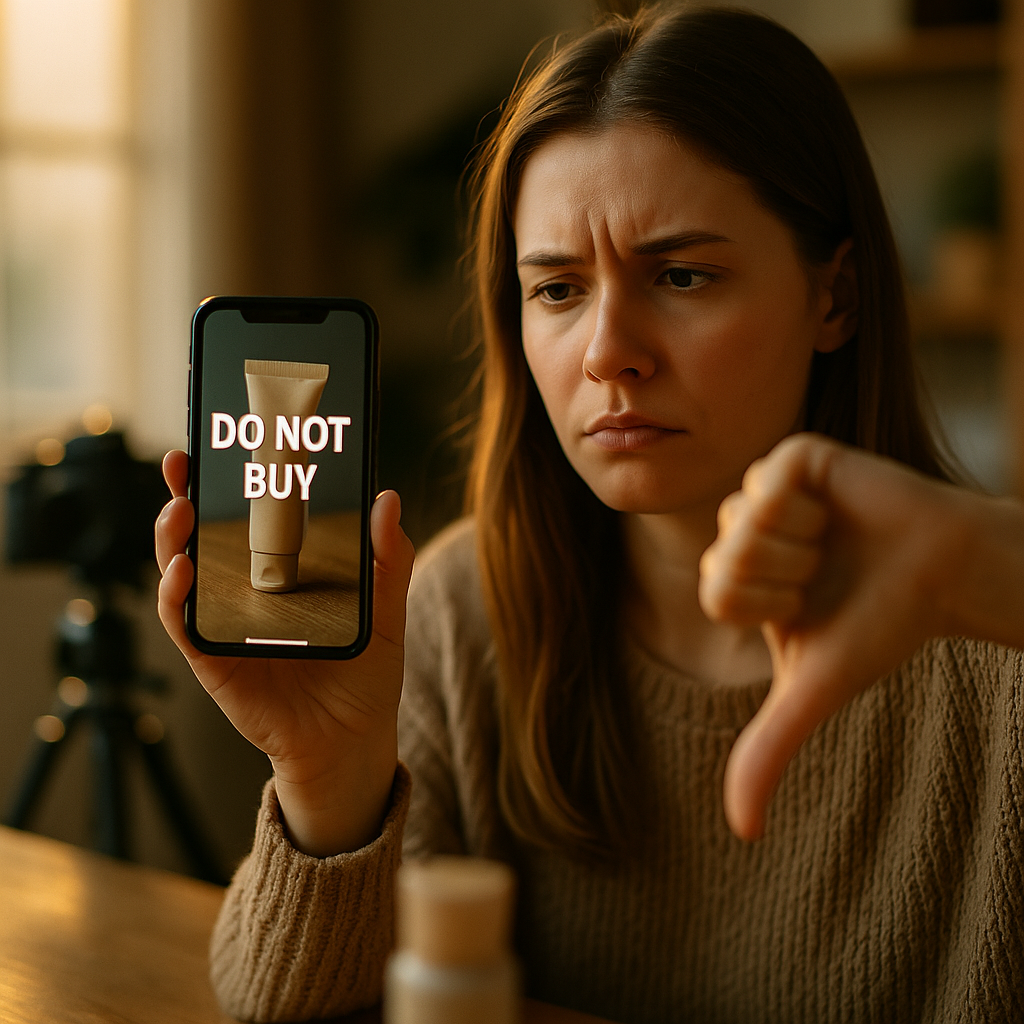
The “De-Influencing” Aftermath: Where Is Trust Now? As the world of digital marketing experiences a seismic shift, the phenomenon of de-influencing has challenged how consumers perceive credibility online. With so much noise and skepticism, brands and consumers alike are asking: Where can trust be found now? Let’s dive into the new dynamics of trust after de-influencing.
The Rise and Fallout of De-Influencing Trends
De-influencing exploded onto social media platforms, notably on TikTok and Instagram, as creators began calling out overhyped products and unsustainable consumption habits. This movement arose from a collective desire for honesty in a saturated influencer landscape rife with sponsored posts. By exposing misleading endorsements, de-influencers empowered audiences to think twice before clicking “buy,” recalibrating the trust dynamic fundamentally.
However, the initial aftershock was disorienting. A Statista report from early 2025 found that 63% of surveyed Gen Z and Millennials felt “less certain” about social media recommendations now than pre-de-influencing. As the pendulum swung from blind trust to rampant skepticism, the industry questioned whether trust could ever be fully restored—and if so, in what form?
Authenticity in Influencer Marketing After “De-Influencing”
The aftermath of de-influencing prompted a pivot towards authenticity as a cornerstone of influencer marketing. Brands that relied heavily on influencer endorsements scrambled to adjust their strategies, prioritizing transparent partnerships and genuine storytelling over paid placements.
Consumers now actively seek out creators who practice full disclosure, share balanced pros and cons, and show consistent alignment with the products they promote. A 2025 Nielsen Social Insights study revealed that posts with unfiltered, behind-the-scenes content earned up to 45% more engagement than highly produced advertisements. In response, micro-influencers—creators with smaller, tightly knit followings—have gained ground as their recommendations are perceived as more relatable and trustworthy.
The Role of Third-Party Validation in Rebuilding Trust
As faith in influencer opinions wanes, third-party validation has emerged as a powerful trust lever. Reviews on verified platforms, expert testimonials, and independent product comparisons all shape purchase decisions more than ever. In fact, 58% of consumers surveyed by GlobalWebIndex in February 2025 reported that third-party endorsements had more impact on their buying choices than influencer posts.
This shift has compelled both brands and influencers to substantiate claims with external validation. Partnerships with credentialed professionals—such as dermatologists in beauty or nutritionists in wellness—add a layer of authenticity, helping to bridge the trust gap. Additionally, many brands have started adopting independent audit certifications to bolster their credibility in the eyes of wary consumers.
Transparency and Disclosure: The New Baseline for Consumer Trust
With skepticism at an all-time high, transparency is no longer optional—it’s the baseline. Influencers and brands are now expected to disclose sponsorships, gifting, affiliate links, or any form of compensation in clear, accessible ways. In 2025, regulatory initiatives from the Federal Trade Commission have tightened guidelines, making robust disclosure standard practice.
Transparency extends beyond legal compliance. Audiences want influencers to openly discuss their personal experiences with products, including drawbacks or negative results. This approach turns creators into trusted advisors rather than mere advertising channels. Brands that recognize and support honest feedback are seeing returns in both loyalty and sales, as consumers flock to those who value openness over perfection.
Community-Driven Conversations: Building Meaningful Relationships
The de-influencing movement highlighted the importance of genuine community engagement. Instead of operating solely as mouthpieces for products, today’s creators invest time in fostering meaningful, two-way conversations with their audiences. Live Q&As, comment replies, and participatory content have become central to building long-term trust.
According to a Social Trends Monitor poll in April 2025, creators who regularly solicit and incorporate feedback are rated as “highly trustworthy” by 71% of their followers. These interactive practices not only strengthen relationships but also empower consumers, making them feel heard and valued in the buying process. As a result, trust now relies as much on dialogue as it does on disclosure.
The Brand Perspective: Recalibrating for the Trust Economy
For brands, the de-influencing aftermath has been a wake-up call. Companies are now investing more in long-term partnerships with credible creators—those with deep expertise or a track record of honesty—rather than chasing viral moments. Data-driven vetting, ongoing performance audits, and alignment with brand values are all part of this recalibration.
A BrandWatch survey from May 2025 reports that 68% of marketers now rate “credibility and niche expertise” as their top criteria when selecting partners, surpassing raw follower counts or viral reach. The brands that thrive in this environment are those who prioritize collaboration, transparency, and mutual value creation over transactional influencer deals.
Conclusion: Trust Finds New Roots in the Post-De-Influencing Era
In the wake of de-influencing, trust has been reshaped but not lost. Genuine relationships, transparent practices, and community-centric engagement now form the backbone of credible online marketing. For brands, creators, and consumers alike, trust in 2025 is earned—not given—and it starts with honest, ongoing conversations.
Frequently Asked Questions (FAQ)
-
What is de-influencing?
De-influencing refers to the social media movement where creators discourage followers from purchasing overhyped or unnecessary products, often advocating for more honesty and less consumerism in online recommendations.
-
How has de-influencing impacted trust in influencer marketing?
De-influencing has made audiences more discerning and skeptical, prompting brands and influencers to prioritize transparency, honesty, and genuine engagement over purely promotional content.
-
What strategies are effective for rebuilding trust after de-influencing?
Effective strategies include transparent disclosure of relationships, third-party validation, fostering open communication with audiences, and partnering with highly credible or expert creators.
-
Are micro-influencers more trusted now?
Yes. Micro-influencers generally maintain closer, more authentic relationships with their audiences, making their recommendations more trusted than those of larger, celebrity influencers in the current climate.
-
How can consumers identify trustworthy creators or brands?
Look for consistent disclosure, honest reviews—including negatives—and creators who actively respond to community feedback. Third-party endorsements and transparent affiliations are strong indicators of trustworthiness.