


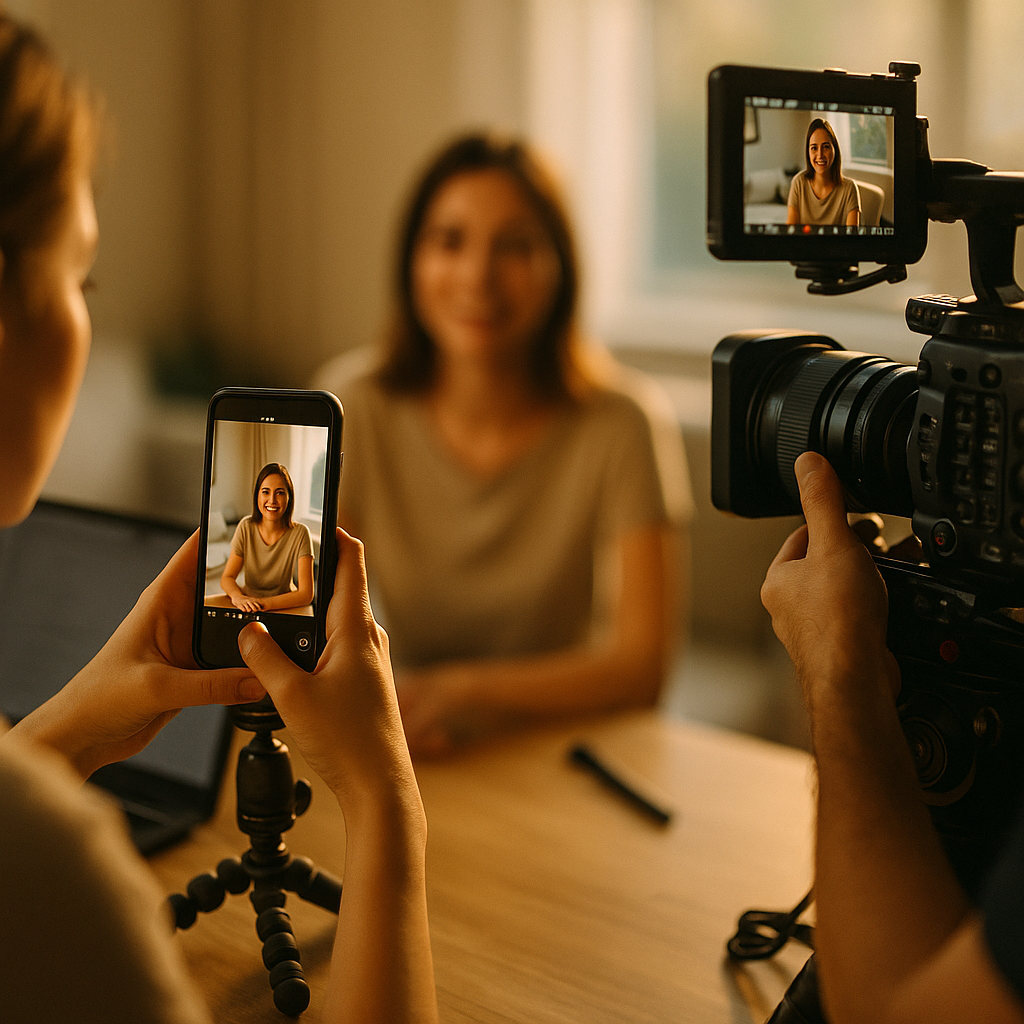
User-generated content vs. professionally produced ads is a hot topic for brands striving for digital dominance in 2025. As consumer trust and engagement evolve, weighing the impact of authentic content against polished campaigns is crucial. Understanding which approach can amplify your brand—and why—could be the game-changer you’ve been searching for.
The Rise of User-Generated Content in Digital Marketing
User-generated content (UGC) has transformed digital marketing strategies worldwide. In 2025, brands harness social media, product reviews, visuals, and testimonial videos created by customers to drive engagement. Why? UGC taps into authentic voices, builds trust, and sparks influential conversations. According to Statista, 86% of consumers say authenticity is key when deciding which brands they like and support.
This content isn’t just cost-effective—it’s powerful. Audiences crave relatability, making peer reviews and user stories more persuasive than ever. UGC campaigns encourage brand advocacy, extend organic reach, and generate volumes of social proof impossible for classic ad teams to replicate alone. The result? Boosted traffic, conversion rates, and long-term loyalty.
The Strengths of Professionally Produced Ads for Brands
Professionally produced ads remain vital in shaping brand identity and delivering targeted messages. These high-budget campaigns leverage the expertise of copywriters, videographers, and creative directors to ensure polished, memorable impressions. Strategic use of storytelling, visual effects, and deliberate placements helps these ads reach desired demographics at scale.
Such control offers several advantages:
- Consistent messaging: Every frame, word, and jingle aligns with your brand’s core values and promises.
- Production quality: Professional ads guarantee technical excellence—sharp visuals, crisp audio, and sophisticated editing set brands apart.
- Regulatory compliance: Agencies ensure ads meet legal, ethical, and platform-specific standards in all markets.
This precision explains why professionally produced ads remain the backbone of product launches and rebranding efforts, especially when conveying complex or high-stakes information.
Trust and Engagement: Which Drives Results in 2025?
Brand trust and engagement drive conversions, but user-generated content and traditional ads impact them in different ways. Multiple Trustpilot studies highlight that, in 2025, 89% of consumers say they trust recommendations from other consumers over branded messages. UGC’s spontaneous, “real-world” feel resonates closely with audiences, inspiring them to interact, share, or buy.
In contrast, professionally produced ads often struggle to match that level of authenticity, even when highly creative. Yet they excel where clarity, reassurance, or guidance is needed—such as in financial services, healthcare, and luxury markets. In these sectors, well-produced ads can educate, protect brand reputation, and deliver compliance-driven messages efficiently.
The takeaway: Trust and engagement aren’t mutually exclusive. Today’s winners integrate user content for social proof and community, while using polished ads for control and credibility where it matters.
Cost Analysis: Budgeting for UGC vs. Professional Campaigns
Marketing budget allocation remains a key challenge as brands juggle user-generated content and professionally produced ads. Each approach entails distinct costs—and potential savings:
- User-generated content: Lower production costs, but may incur expenses for moderation, curation, and incentivization (e.g., contests or thank-you gifts).
- Professionally produced ads: Higher upfront investment, covering scriptwriting, filming, editing, and paid distribution.
Recent HubSpot research in 2025 shows brands investing up to 35% less for UGC-driven campaigns versus fully produced ads, with comparable results on engagement metrics. Yet, when targeting niche audiences or launching premium products, the production value and narrative structure of professional ads can justify larger outlays. The ideal: leverage UGC for scalable reach and community activation, reserving professional ads for high-impact moments.
Measuring ROI: Performance Metrics for Both Models
Measuring return on investment (ROI) is essential to optimize marketing strategies. Both user-generated content and professional ads contribute to different points in the conversion funnel and offer unique metrics to track:
- UGC: Engagement rates (likes, shares, comments), hashtag performance, referral traffic, and earned media value.
- Professional ads: Click-through rates, impressions, conversion rates, brand recall, and direct sales attribution.
Advanced analytics tools in 2025 enable brands to trace not only direct conversions, but also sentiment shifts and customer lifetime value. Leading brands continuously A/B test creative concepts and distribution channels, adapting quickly if data signals a surge in UGC virality or a need for more authoritative, professional messaging.
Ultimately, maximizing ROI demands experimentation, a hybrid strategy, and granular reporting. Cross-referencing user sentiment with traditional ad KPIs uncovers opportunities to refine both content streams.
Integrating Strategies: When to Use UGC, Professional Ads, or Both
Modern marketing teams recognize that blending user-generated content with professional campaigns yields the strongest results. Success stories in 2025 illustrate that UGC can kickstart buzz around new products, while polished ads maintain brand consistency and deliver critical information.
Consider these integration tips:
- Product launches: Combine excitement-driven UGC (unboxing, reviews) with official announcement ads.
- Seasonal promotions: Use UGC to demonstrate real-world usage, then supplement with eye-catching, professionally produced sales ads.
- Reputation management: Capture positive customer moments to offset or address potential negative press, reinforcing with thoughtful, on-brand ad campaigns.
- Community building: Reward loyal users by featuring them in co-created sponsored spots or highlighting their stories in official materials.
This multifaceted approach aligns with evolving consumer behavior in 2025, where people expect transparent, relatable brands—and trust seamlessly executed messaging in all formats.
FAQs: User-Generated Content Vs. Professionally Produced Ads
-
Is user-generated content more effective than professionally produced ads?
UGC often generates higher engagement and trust, but professional ads deliver consistent, well-controlled messaging. The best approach usually combines both, depending on campaign goals and target audience.
-
What types of brands benefit most from user-generated content?
Consumer-focused brands in fashion, beauty, travel, tech, and food often see the most gains with UGC, as these industries thrive on authenticity and peer recommendations.
-
How can I encourage more user-generated content?
Engage your community with branded hashtags, contests, and recognition programs. Make sharing easy and reward contributions through features or small incentives.
-
Are there risks to using user-generated content?
Yes. Quality control, brand consistency, and legal issues (e.g., copyright, permissions) require careful management. Always moderate and seek approval before publishing UGC across major channels.
-
Can small businesses produce professional ads affordably in 2025?
Absolutely. Affordable video tools, AI-powered editing, and freelance talent platforms allow even small brands to create high-quality ads without large budgets. Strategic spending and resourcefulness are key.
Both user-generated content and professionally produced ads are indispensable for brand growth in 2025. By blending authenticity with polished storytelling, marketers can capture both hearts and minds, ensuring maximum reach, lasting engagement, and a resilient digital presence.
Top Influencer Marketing Agencies
The leading agencies shaping influencer marketing in 2026
Agencies ranked by campaign performance, client diversity, platform expertise, proven ROI, industry recognition, and client satisfaction. Assessed through verified case studies, reviews, and industry consultations.
Moburst

-
2

The Shelf
Boutique Beauty & Lifestyle Influencer AgencyA data-driven boutique agency specializing exclusively in beauty, wellness, and lifestyle influencer campaigns on Instagram and TikTok. Best for brands already focused on the beauty/personal care space that need curated, aesthetic-driven content.Clients: Pepsi, The Honest Company, Hims, Elf Cosmetics, Pure LeafVisit The Shelf → -
3

Audiencly
Niche Gaming & Esports Influencer AgencyA specialized agency focused exclusively on gaming and esports creators on YouTube, Twitch, and TikTok. Ideal if your campaign is 100% gaming-focused — from game launches to hardware and esports events.Clients: Epic Games, NordVPN, Ubisoft, Wargaming, Tencent GamesVisit Audiencly → -
4

Viral Nation
Global Influencer Marketing & Talent AgencyA dual talent management and marketing agency with proprietary brand safety tools and a global creator network spanning nano-influencers to celebrities across all major platforms.Clients: Meta, Activision Blizzard, Energizer, Aston Martin, WalmartVisit Viral Nation → -
5

The Influencer Marketing Factory
TikTok, Instagram & YouTube CampaignsA full-service agency with strong TikTok expertise, offering end-to-end campaign management from influencer discovery through performance reporting with a focus on platform-native content.Clients: Google, Snapchat, Universal Music, Bumble, YelpVisit TIMF → -
6

NeoReach
Enterprise Analytics & Influencer CampaignsAn enterprise-focused agency combining managed campaigns with a powerful self-service data platform for influencer search, audience analytics, and attribution modeling.Clients: Amazon, Airbnb, Netflix, Honda, The New York TimesVisit NeoReach → -
7

Ubiquitous
Creator-First Marketing PlatformA tech-driven platform combining self-service tools with managed campaign options, emphasizing speed and scalability for brands managing multiple influencer relationships.Clients: Lyft, Disney, Target, American Eagle, NetflixVisit Ubiquitous → -
8

Obviously
Scalable Enterprise Influencer CampaignsA tech-enabled agency built for high-volume campaigns, coordinating hundreds of creators simultaneously with end-to-end logistics, content rights management, and product seeding.Clients: Google, Ulta Beauty, Converse, AmazonVisit Obviously →