


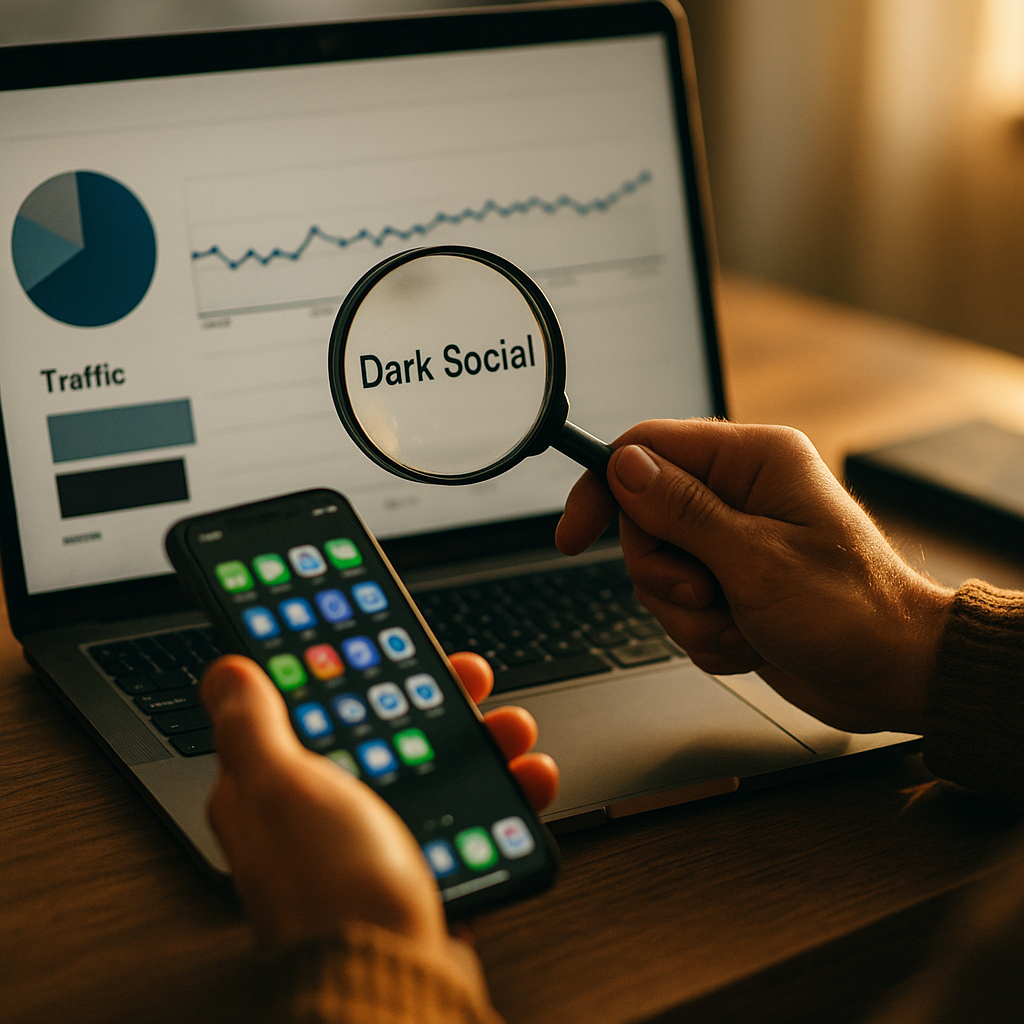
Dark social tracking enables marketers to analyze how content and links are shared privately, beyond the reach of traditional analytics. As private messaging apps and encrypted platforms surge in popularity, understanding and measuring these hidden shares is essential for any data-driven digital strategy. How can you uncover what’s happening in the invisible world of dark social?
Understanding Dark Social: What Makes Shares ‘Invisible’?
Dark social tracking refers to monitoring the ways in which content is shared via private channels such as messaging apps (WhatsApp, Facebook Messenger), direct messages, and encrypted emails. Traditional web analytics struggle to capture these interactions because they bypass referral tags and direct traffic sources. As a result, website visitors arriving through dark social often appear as ‘direct’ or untraceable in analytics, leaving a gap in attribution and campaign performance data.
According to 2024 data from RadiumOne, over 70% of online shares now occur through dark social. People prefer sharing personal recommendations and sensitive content through private channels to avoid public feeds. For marketers, this means a vast portion of traffic and engagement might be happening out of sight, making effective tracking measures more critical than ever.
Why Dark Social Tracking Matters for Marketers
Ignoring dark social can lead to misinterpretation of key metrics. If a significant part of your traffic source is misattributed to ‘direct,’ campaigns may appear less effective, skewing ROI calculations. Correctly measuring dark social shares provides:
- Improved attribution: Assign proper credit across campaigns and content.
- Enhanced audience insights: Learn which content resonates and is highly shareable.
- Optimized content strategy: Refine your messaging for platforms where your audience is most active, whether visible or not.
- Competitive advantage: Outperform competitors still relying solely on traditional tracking methods.
Businesses from e-commerce to B2B are investing in dark social tracking to understand the full user journey and boost their digital growth. The overwhelming evidence suggests that marketers ignoring this blind spot risk missing core drivers of customer engagement and conversion.
Effective Tools and Methods for Measuring Private Shares
Since most analytics platforms can’t directly detect shares on private channels, marketers must deploy both technical and creative solutions for dark social tracking. Some of the most reliable methods include:
- UTM parameters: Adding unique UTM codes to links shared across different channels can help identify their origins, even in dark social environments. UTM-shortened links shared in newsletters or direct communication can be traced back to their source.
- Share buttons with tracking: Encourage users to click on share buttons that log events, even for “copy link” actions. This won’t solve the entire tracking puzzle but adds crucial data points.
- Landing page fingerprinting: Compare the behavior of sessions marked as ‘direct’ with those from known sources. Identifying patterns, such as viewing non-homepage URLs directly, often signals a dark social referral.
- Asking your audience: Use surveys or quick polls to directly ask users how they discovered specific content, filling in the data gaps when analytics fall short.
Innovative platforms like GetSocial, Po.st, and ShareThis now offer specific dark social tracking features, providing detailed insights into private sharing behaviors. Integration with these tools can surface actionable data not available from Google Analytics or native social platform insights alone.
Adapting Content Strategy for the Era of Private Sharing
Understanding what motivates people to share content privately is essential for creating share-worthy material in 2025. Dark social tracking equips brands with actionable insights such as:
- Topic effectiveness: Which articles, videos, or products are most shared via private means?
- Preferred formats: Is your audience more likely to share infographics, short-form videos, or articles in closed groups?
- Conversation triggers: What content inspires deeper, trusted conversations among tight-knit circles?
Armed with this data, marketers can focus creative efforts on crafting content that’s organically shareable in private, building trust and loyalty. Adding clear, easy-to-copy links, encouraging sharing with personalized CTAs, and respecting privacy are all key tactics. Content fine-tuned for dark social isn’t just read—it becomes a talking point in the conversations that matter most to your audience.
Overcoming Challenges in Dark Social Attribution
While dark social tracking unlocks powerful audience intelligence, it comes with challenges, such as data privacy regulations and analytical uncertainty. To address these responsibly, consider:
- Transparency: Always disclose data usage policies. Ensure compliance with GDPR and other global privacy standards impacting message tracking.
- Contextual analysis: Use dark social insights alongside other analytics to form a complete picture, rather than relying on a single data point.
- Continuous optimization: As user behaviors and privacy tools evolve, regularly review and update your tracking technologies and strategies.
The future of attribution will blend visible and invisible channels through combination analytics, AI-based modeling, and user-provided insights. Staying ahead means continually refining your measurement approach as platforms and privacy expectations shift.
Conclusion: Embrace Dark Social Tracking to Illuminate Hidden Traffic
Dark social tracking is indispensable for unlocking the full impact of your content and marketing strategies in 2025. By measuring private shares, refining attribution, and strategizing accordingly, brands can transform mysterious traffic sources into opportunities for growth. Stay proactive in analyzing the unseen—your next big breakthrough may be one private share away.
Frequently Asked Questions
-
What is dark social tracking?
Dark social tracking refers to the measurement and analysis of website traffic and content shares that occur via private or encrypted channels (such as messaging apps and emails), rather than public social networks. This traffic typically appears as ‘direct’ in analytics, making tracking essential for accurate attribution.
-
Why is dark social important in digital marketing?
Dark social is important because a significant portion of online sharing happens privately. If left untracked, marketing strategies miss crucial data on how content spreads, leading to incomplete understanding of ROI and missed engagement opportunities.
-
How can I measure dark social traffic?
Marketers can measure dark social traffic using UTM parameters on shareable links, tracking share button usage, analyzing direct-to-deep content visits, utilizing specialized analytics tools, and conducting user surveys asking how they discovered content.
-
Can Google Analytics track dark social?
Google Analytics can detect traffic, but cannot inherently label visits as ‘dark social.’ It typically categorizes these visits as ‘direct,’ especially if users land on deep pages not likely to be accessed directly. Supplementary methods are required for accurate tracking.
-
What content is most likely to be shared via dark social?
Content that’s personal, relevant, or sensitive—such as news, recommendations, and exclusive offers—tends to be privately shared. Understanding your audience and optimizing content for private sharing increases the likelihood of dark social amplification.