


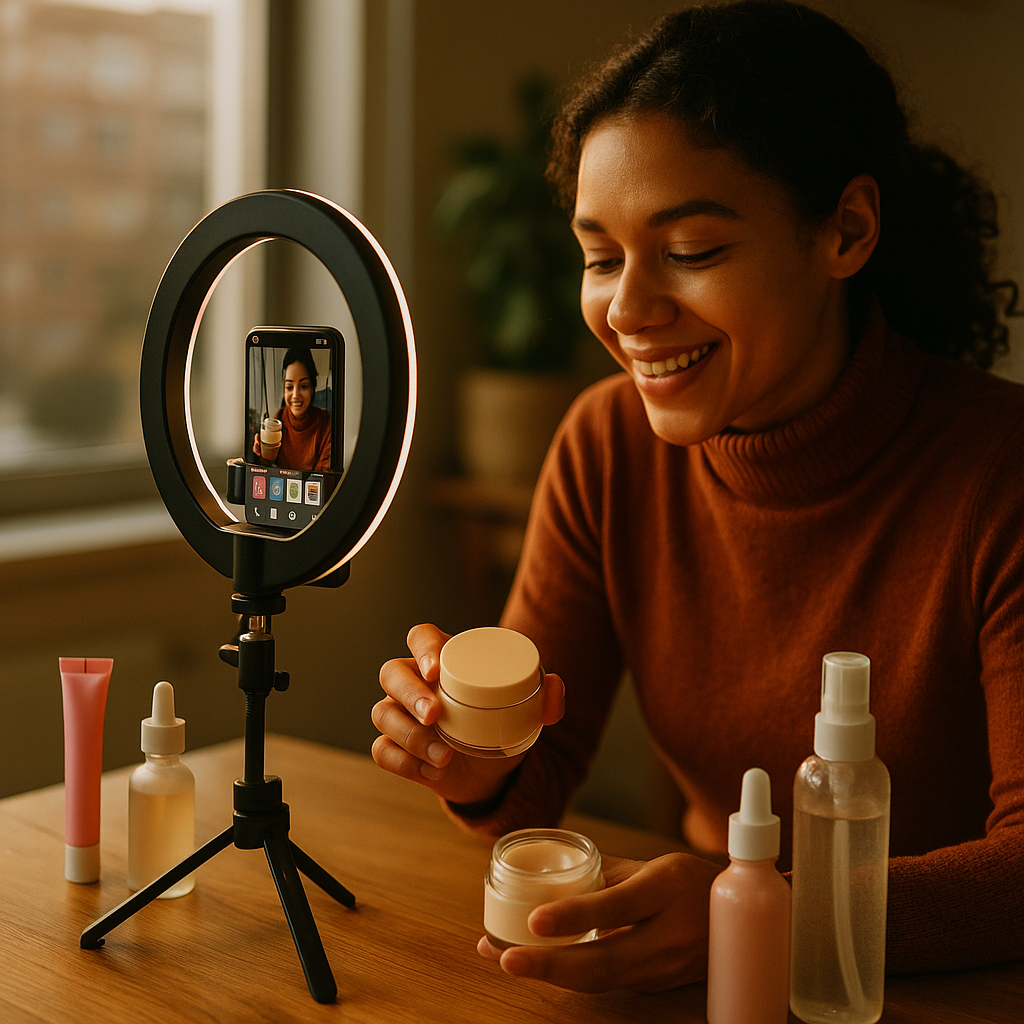
Social commerce has moved far beyond product inspiration and now powers a seamless path from content to checkout. In 2026, consumers expect to discover, evaluate, and purchase without leaving their favorite platforms. For brands, this shift changes media, merchandising, and measurement. The real opportunity is not just visibility, but reducing friction at every step of the buying journey.
How social shopping evolved from discovery to transaction
The first wave of commerce on social platforms focused on attention. Brands posted images, creators shared recommendations, and users clicked out to external websites. That model generated awareness, but it also created drop-off. Every extra tap, page load, login, or payment field reduced conversion rates.
Today, social shopping is built around continuity. Platforms now support product tags, native storefronts, in-feed product catalogs, live shopping, direct messaging for sales support, and full in-app checkout. This matters because user behavior has changed. People no longer separate entertainment, research, and buying into different sessions. They move through all three within a single scroll.
The evolution happened for practical reasons:
- Consumers wanted convenience. Mobile-first users prefer fewer redirects and faster decisions.
- Platforms wanted to keep attention. If transactions happen inside the app, session time and platform value increase.
- Brands needed better conversion paths. Native experiences make it easier to connect creative performance with actual sales outcomes.
- Creators became commerce channels. Their influence now extends beyond discovery into product validation and conversion.
This shift is not just a feature upgrade. It changes the role of social media from a top-of-funnel channel into a revenue engine. A product video can now act as an ad, a review, a demonstration, and a storefront at the same time.
Why in-app checkout is changing customer behavior
In-app checkout is the defining step in the maturity of social commerce. It compresses the purchase journey by removing the need to visit a separate ecommerce site. That changes both user expectations and brand strategy.
When checkout happens inside the app, the buying moment becomes more impulsive but not necessarily irrational. Users often arrive at purchase after a rapid sequence of signals: they see a product in use, watch a review, compare variants, read comments, and confirm price or shipping details. The platform enables all of that without interruption.
For brands, the benefits are clear:
- Lower friction. Fewer steps usually mean higher completion rates.
- Faster mobile conversion. Saved payment details and native UX reduce abandonment.
- Stronger attribution. Sales can be tied more directly to creators, placements, or specific content formats.
- Better retargeting signals. Add-to-cart, product view, and checkout events become easier to capture within the platform ecosystem.
Still, there are tradeoffs. Brands may have less control over the checkout environment, customer data, and post-purchase experience than they do on their own site or app. Fees, platform rules, and limitations around merchandising can also affect margins and flexibility. That is why mature teams do not treat in-app checkout as a replacement for owned channels. They use it as part of a broader commerce strategy.
The winning approach is to match the purchase path to customer intent. A low-consideration beauty product may convert best through native checkout. A higher-ticket item may still benefit from moving the user to a brand site for richer education, bundling, financing, or loyalty enrollment.
The role of creator marketing in full-funnel social commerce
Creator marketing sits at the center of modern social commerce because trust is now part of the transaction. Users often believe a creator’s demonstration, comparison, or recommendation more than a polished brand ad. That trust accelerates movement from discovery to purchase.
Creators influence buying in several ways:
- They show products in context. Instead of static listings, audiences see use cases, fit, texture, setup, or results.
- They answer objections early. Good creator content addresses sizing, durability, ease of use, and value.
- They create urgency. Limited drops, live demos, and audience-specific codes prompt action.
- They supply social proof. Comments and community engagement validate the recommendation in real time.
However, not every creator drives sales equally. Brands that apply EEAT principles look for more than follower count. They assess relevance, audience quality, category credibility, content consistency, and demonstrated conversion impact. In practice, a niche creator with strong authority in skincare, fitness, gaming, or home organization can outperform a general lifestyle account with a much larger audience.
Brands should also structure creator programs for measurable outcomes. That includes unique links or codes, platform shop tagging, clear usage rights, and testing across content types such as tutorials, comparisons, unboxings, and live sessions. The best programs combine creator authenticity with brand-grade merchandising. A strong video may spark interest, but conversion still depends on clear product titles, pricing, delivery details, and stock availability.
One common question is whether creator-led commerce works only for consumer products. It is most effective in categories that benefit from visual demonstration or personal endorsement, but the broader principle applies across sectors: people buy faster when they understand the product and trust the source presenting it.
How live shopping and short-form video drive conversion
Live shopping and short-form video have transformed social commerce from passive browsing into active decision-making. These formats do more than entertain. They compress evaluation time by showing product benefits instantly and answering common questions before users leave the feed.
Short-form video works because it respects mobile behavior. Users want fast, visual, useful information. A 20-second clip can demonstrate a product outcome more effectively than a long product description. Hooks matter, but clarity matters more. The top-performing commerce videos tend to do a few things well:
- Show the product immediately. Delay costs attention.
- Lead with a problem or outcome. Users need a reason to care in the first seconds.
- Demonstrate proof. Before-and-after shots, tests, or side-by-side comparisons increase confidence.
- Use native platform language. Content should feel like it belongs in the feed, not like a repurposed TV ad.
- End with a direct action. Product tag, offer, or limited stock message helps convert interest into sales.
Live shopping adds another layer: interactivity. Viewers can ask questions, see responses in real time, and purchase while momentum is high. This is especially powerful for product categories where hesitation is common, such as apparel fit, beauty shades, electronics features, or household tools.
To make live commerce effective, brands need operational discipline. Hosts must know the product line. Inventory must be synced. Offers must be clear. Customer support and fulfillment must be prepared for spikes in volume. Live shopping fails when it is treated as just another content format instead of a coordinated sales event.
The larger takeaway is simple: social commerce performs best when content reduces uncertainty. Video, whether live or short-form, gives brands a practical way to do that at scale.
Building a stronger social commerce strategy with trust, data, and operations
A successful social commerce strategy requires more than opening a shop on a platform. Brands need alignment across creative, media, ecommerce, analytics, and customer service. The most effective programs are designed around the full buying journey, not isolated posts or campaigns.
Start with trust. EEAT best practices matter because consumers are increasingly skeptical of low-quality claims and low-transparency sellers. Helpful commerce content should be accurate, specific, and verifiable. Product descriptions should reflect real features. Testimonials should be authentic. Return, shipping, and support information should be easy to find. If a brand sells skincare, supplements, or products that influence health or safety, extra care around claims and sourcing is essential.
Next comes measurement. Teams should track more than engagement. Important metrics include:
- Product view rate
- Add-to-cart rate
- Checkout completion rate
- Average order value
- Return rate
- Creator-assisted conversion
- Customer acquisition cost
- Repeat purchase rate
Operational readiness is just as important as media efficiency. If an item trends unexpectedly and goes out of stock, the moment is lost. If delivery times are unclear, users hesitate. If customer questions go unanswered in comments or direct messages, trust declines. Social commerce is real commerce, which means merchandising, logistics, service, and retention all affect profitability.
Brands should also decide where social commerce fits within their channel mix. Some platforms are stronger for discovery, others for conversion, and others for community-led retention. The right balance depends on category, audience behavior, price point, and the brand’s owned assets. A healthy setup usually includes platform-native selling plus a strong website or app for long-term customer relationships, loyalty, and first-party data development.
What the future of mobile commerce means for brands in 2026
The next phase of mobile commerce is not just about more transactions inside social apps. It is about smarter, more personalized buying journeys. Recommendation engines are improving. Search inside social platforms is becoming more purchase-oriented. AI-assisted discovery is helping users find products through intent, not just hashtags or follows.
Several trends are shaping the landscape in 2026:
- Search-driven social discovery. Users increasingly treat social platforms like product search engines.
- Stronger personalization. Feeds, offers, and storefronts adapt faster to browsing and purchase behavior.
- Integrated customer support. Messaging, FAQs, and post-purchase updates happen inside the same ecosystem.
- Cross-border social selling. Platforms are making local currency, language, and fulfillment options easier to manage.
- More pressure on authenticity. As AI-generated content grows, human expertise and transparent reviews become even more valuable.
For brands, the implication is clear: social commerce should no longer sit in a silo between social media and ecommerce. It deserves executive attention because it influences acquisition, conversion, customer experience, and retention. Teams that treat it as a strategic business capability will move faster than those still using social only for reach and engagement.
The brands most likely to win are those that make buying easier while keeping trust high. They will combine strong content, reliable operations, transparent product information, and precise measurement. In a crowded feed, convenience gets the click, but credibility gets the sale.
FAQs about social commerce
What is social commerce?
Social commerce is the process of discovering, evaluating, and buying products directly within social media platforms. It reduces the need to leave the app by combining content, product information, and checkout in one experience.
How is social commerce different from ecommerce?
Ecommerce usually refers to online selling through websites, apps, or marketplaces. Social commerce is a subset of ecommerce that happens inside social platforms, often using creator content, product tags, native shops, and in-app checkout.
Why does in-app checkout improve conversion?
It removes extra steps. Users do not need to open a browser, re-enter payment details, or navigate a separate site. Less friction usually leads to higher completion rates, especially on mobile devices.
Which products work best for social commerce?
Products with strong visual appeal, clear use cases, and moderate price points often perform best. Beauty, fashion, accessories, home products, fitness items, and gadgets are common examples. That said, success depends more on content quality and trust than on category alone.
Is creator marketing necessary for social commerce success?
No, but it is often highly effective. Creators add credibility, demonstration, and social proof. Brands can still succeed with strong native content and paid media, but creator partnerships often improve both reach and conversion efficiency.
What metrics should brands track in social commerce?
Focus on sales-oriented metrics such as product views, add-to-cart rate, checkout completion, average order value, return rate, repeat purchase rate, and creator-assisted revenue. Engagement metrics are useful, but they should not be the main measure of success.
Does social commerce replace a brand website or app?
No. Social commerce is best used alongside owned channels. Platforms are powerful for discovery and conversion, while brand websites and apps remain important for loyalty, customer data, deeper product education, and long-term retention.
What are the biggest challenges in social commerce?
Common challenges include inventory sync, limited control over platform checkout, attribution complexity, customer service demands, fee structures, and maintaining trust in a crowded content environment. Solving these requires close coordination across marketing, ecommerce, and operations.
Social commerce now connects inspiration, evaluation, and purchase in one mobile-native journey. Brands that win in 2026 are not simply posting shoppable content; they are building trusted, low-friction buying experiences supported by creators, video, data, and strong operations. The takeaway is practical: remove steps, answer objections early, and make trust as scalable as your media investment.