


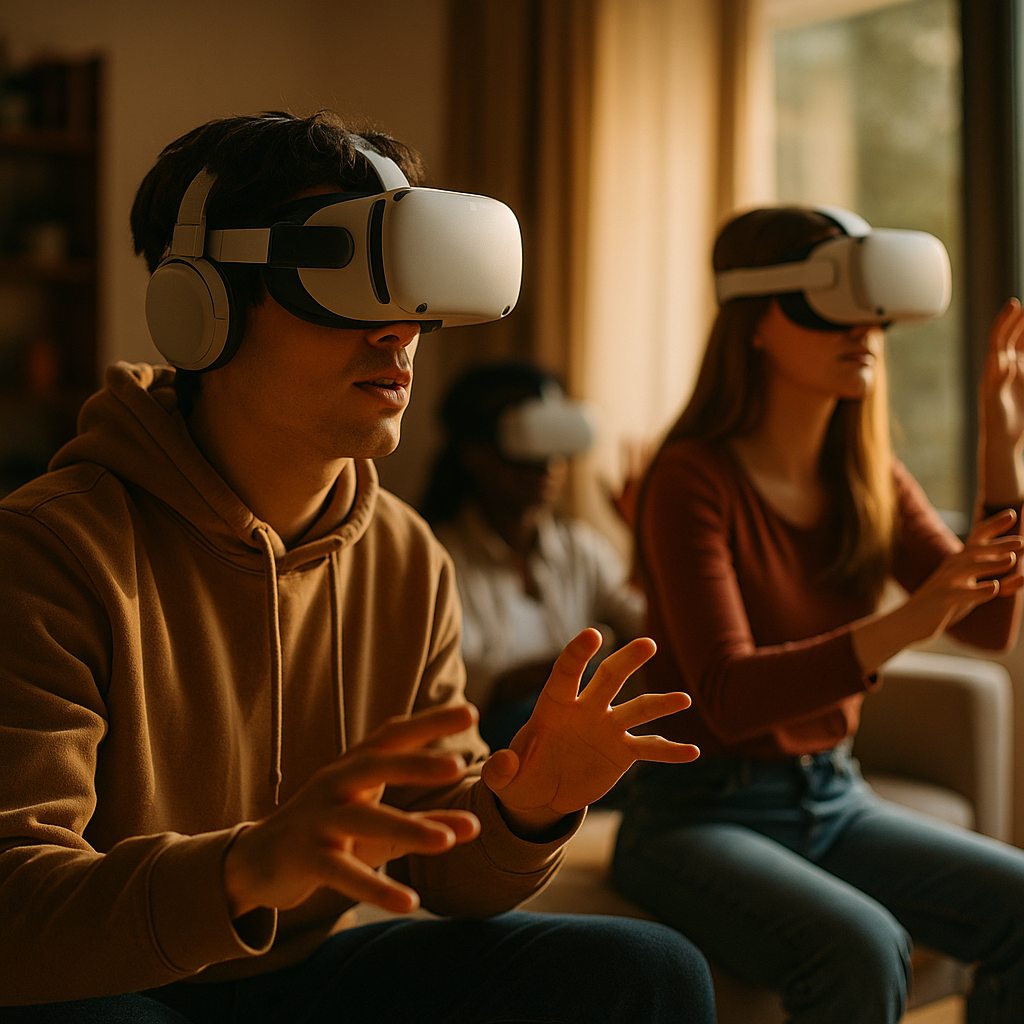
The impact of virtual reality headsets on social content is unmistakable in 2025, reshaping how users interact, share, and experience digital communities. With immersive technology now mainstream, VR is creating new opportunities for brands, creators, and everyday users alike. What does this mean for the future of social engagement and content creation? Let’s explore.
How Immersive Technology is Revolutionizing Social Interaction
Virtual reality headsets have transitioned from niche gaming devices to powerful tools shaping social engagement. Unlike traditional content platforms, VR allows users to communicate through avatars, access shared 3D spaces, and interact with digital elements in real time. This leap from passive scrolling to dynamic participation means communities feel genuine, geographically unbound, and visually rich.
Recent adoption studies indicate more than 40% of Gen Z and Millennials in developed markets used VR headsets for social activities at least monthly in early 2025. Social VR applications such as Meta’s Horizon Worlds and VRChat are seeing exponential user growth, as people gather for concerts, live debates, or collaborative art projects. Instead of simply viewing photos or status updates, participants now step inside events, creating unforgettable shared memories.
Expanded Creative Opportunities for Content Creators
For creators, VR headsets have unlocked new avenues to tell stories and build audiences. Immersive storytelling shifts the focus from two-dimensional images and videos to 360-degree environments where viewers become participants. Creators can guide their audience’s attention through spatial audio cues, interactive puzzles, or collaborative narrative arcs.
Brands and influencers are pioneering “VR-first” content, such as virtual meet-and-greets, product showcases, and branded experiences. These events deliver far higher engagement and retention rates than standard livestreams. The best-performing VR content blends education, entertainment, and interactivity, ensuring users remain active rather than passive—resulting in deeper, more loyal communities.
- Virtual event hosting for global audiences.
- Interactive educational tutorials with hands-on tasks.
- Fan meetups in custom-designed digital worlds.
Boosting Authenticity and Accessibility in Social VR
Virtual reality headsets have not only changed the medium but elevated the authenticity of social content. When users create and interact through personalized avatars, they experience greater social presence—a sense of “being there” with others, which text or video alone cannot deliver. This translates to improved understanding, richer feedback, and more empathetic communication.
Accessibility continues to improve thanks to battery advancements, lower headset costs, and adaptive input for users with disabilities. Platforms now offer voice-to-text, haptic feedback, and gesture recognition, reducing barriers while inviting more diverse creators and audiences into the virtual world. As a result, VR is becoming an inclusive platform that champions varied voices and experiences.
Redefining Privacy and Moderation Challenges in Virtual Spaces
With increased immersion, the challenges of privacy and moderation in social VR spaces have taken center stage. Users naturally share more personal interactions in these environments, but this also raises concerns about data collection, virtual harassment, and digital consent. Leading platforms employ end-to-end encryption, AI-driven moderation, and visible user controls to protect their communities.
Transparency reports released in mid-2025 show that incidents of inappropriate behavior in VR are effectively mitigated through real-time reporting tools and proactive education campaigns. Users are empowered with private spaces, customizable blocklists, and the ability to curate their virtual experiences without sacrificing social connection. As a result, trust in social content platforms is strengthening.
The Role of AI and Personalization in VR Social Content
Artificial intelligence plays an integral role in shaping personalized social experiences within VR. AI-driven algorithms recommend content, curate virtual events, and even moderate discussions in real time. This leads to highly relevant content feeds, more meaningful interactions, and a social ecosystem tailored to individual interests.
Creators benefit from AI-powered analytics, which offer actionable insights into user engagement and preferences. By using these tools, they can refine their content and build stronger bonds with their audiences. Dynamic avatars, adaptive virtual worlds, and intelligent translation systems further lower language barriers, connecting people across cultures within immersive environments.
- AI-moderated live events minimize trolling and disruption.
- Personalized recommendations boost content discovery.
- Real-time language translation broadens community reach.
Practical Considerations for Adopting Social VR In 2025
Organizations and content strategists considering VR integration must weigh a few practical points. Hardware compatibility now includes affordable standalone headsets, meaning entry barriers are lower than ever. However, delivering great social VR content requires investment in 3D creative tools, robust bandwidth, and upskilled teams trained in immersive design.
Best practices include setting clear community guidelines, prioritizing accessibility features, and emphasizing ethical moderation. It’s also crucial to monitor ongoing platform updates and industry trends to remain competitive. Getting started with small-scale VR meetups or branded experiences can provide valuable feedback before scaling up to large campaigns or persistent worlds.
In summary, the impact of virtual reality headsets on social content is transforming how we connect, create, and collaborate. By fostering deeper engagement, authenticity, and accessibility, VR is setting a new standard for digital communities—and the opportunities are just beginning for those ready to embrace immersive social experiences.
FAQs: The Impact of Virtual Reality Headsets on Social Content
-
How do virtual reality headsets change social media content?
VR headsets enable immersive, interactive content instead of standard images or videos. Users can participate in shared 3D spaces, attend events, and interact with digital objects, leading to more engaging and authentic social experiences.
-
Are virtual reality social platforms accessible to everyone?
Accessibility has improved significantly: standalone, affordable headsets and features like voice-to-text and adaptable controls now cater to a wide range of users, including those with physical or sensory disabilities.
-
How is privacy managed in social VR spaces?
Leading platforms implement robust moderation, AI-driven monitoring, and user-controlled privacy settings. Users can report issues, create private rooms, and set boundaries, allowing for safer digital interactions.
-
What kinds of content can creators produce with VR?
Creators are producing interactive events, educational tutorials, branded experiences, 3D storytelling, and community meetups—all within immersive, virtual environments that encourage participation and creativity.
-
Will VR replace traditional social content formats?
While VR offers unique advantages, it complements rather than replaces traditional content. Many users enjoy both immersive and conventional platforms, depending on their needs and interests.