


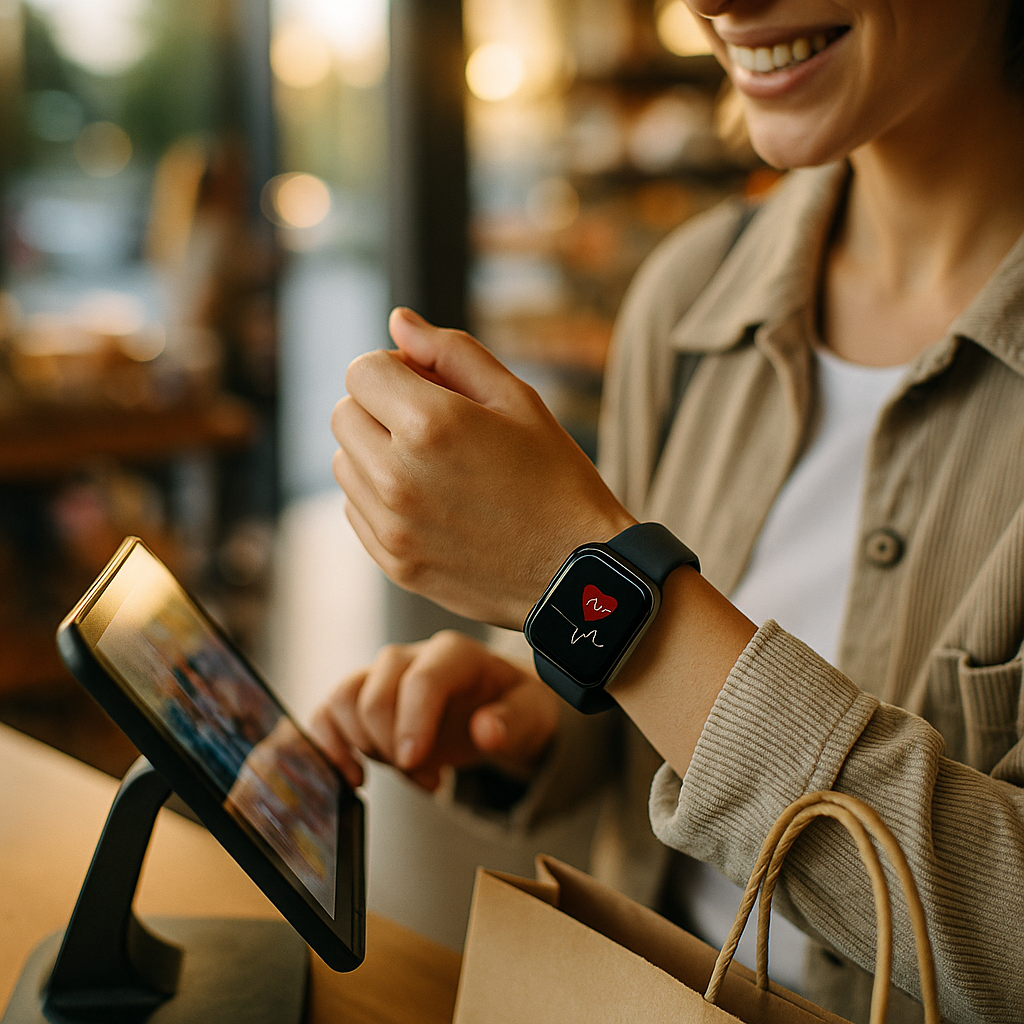
BioMetric Branding is reshaping how marketers engage audiences by turning wearable signals into timely, relevant experiences. In 2026, smartwatches, fitness bands, and health-enabled earbuds can reveal context that clicks and cookies never could. Used responsibly, this data helps brands act with greater precision, empathy, and usefulness. The real opportunity starts when personalization becomes genuinely responsive.
What wearable data marketing means for modern brands
Wearable data marketing refers to the use of signals from connected devices such as smartwatches, fitness trackers, smart rings, and biometric earbuds to inform brand messaging, offers, and experiences. These signals may include heart rate trends, movement, sleep quality, recovery scores, workout activity, stress indicators, body temperature changes, or location patterns tied to routines.
The key difference between wearable data and traditional digital data is context. A page view suggests intent. A biometric signal can suggest state. That distinction matters. If a customer has just finished a run, is in a high-focus work block, or appears to be under stress, a brand can adapt timing, tone, and channel to fit the moment more accurately.
That does not mean brands should chase every signal. Effective BioMetric Branding starts with restraint. The best programs use limited, clearly permissioned data to improve customer experience in ways users can easily understand. For example:
- Fitness brands can trigger recovery-focused content after intense activity.
- Food and beverage brands can time hydration reminders around workouts.
- Travel brands can offer lounge access or wellness prompts during long transit periods.
- Retail apps can delay non-urgent promotions when users are asleep or in deep focus windows.
When done well, wearable data marketing feels less like surveillance and more like service. That shift is central to earning trust and meeting modern expectations for relevance.
How contextual marketing with biometrics actually works
Contextual marketing with biometrics relies on a simple process: collect consented wearable inputs, interpret them through business rules or machine learning models, and trigger a response across digital touchpoints. The complexity sits behind the scenes, but the user experience should feel seamless.
Most programs follow five operational steps:
- Consent and onboarding: Users connect a wearable device through an app, customer account, or health platform integration. They are told exactly what data will be used and why.
- Signal selection: The brand chooses a small number of data points that map directly to valuable actions. This might be activity completion, elevated exertion, or sleep debt thresholds.
- Interpretation layer: Rules translate signals into states such as energized, recovering, commuting, resting, or highly engaged.
- Trigger logic: Marketing automation decides when to send a message, suppress one, change creative, or personalize the app experience.
- Measurement: Teams assess outcomes such as conversion, opt-in retention, app engagement, satisfaction, and unsubscribe rates.
An example makes this concrete. Imagine a sports nutrition brand with an app integrated into a smartwatch ecosystem. When a customer completes a high-intensity workout and the device shows prolonged exertion, the brand can trigger a post-workout flow: a hydration reminder, a recovery content article, and a limited-time offer on replenishment products. The sequence is useful because it aligns with real behavior and probable need.
Another example: a meditation app detects repeated elevated stress markers during weekday afternoons for users who explicitly opted into wellness nudges. Instead of sending a sales push, it offers a three-minute breathing session. After repeated use, the app may suggest a premium subscription. This is a stronger path to conversion because utility comes first.
The practical lesson is clear: biometric contextual marketing should react to states that matter, not just events that are easy to collect.
Privacy-first personalization strategies for ethical engagement
Privacy-first personalization is not optional when biometric inputs are involved. Wearable data can be intimate, and consumers are right to expect stronger safeguards than those used for generic browsing data. Helpful content and trustworthy marketing begin with transparency, control, and proportional use.
To align with strong EEAT principles, brands should demonstrate experience, expertise, authority, and trustworthiness in both message and method. That means building programs that are clear, defensible, and useful in the real world.
Start with these operating standards:
- Collect only what is necessary: If workout completion is enough, do not gather continuous heart rate.
- Use plain-language consent: Tell users what data is used, for what purpose, how long it is stored, and how they can revoke access.
- Separate health sensitivity from marketing ambition: Avoid making claims or inferences that feel medical unless you are qualified and compliant to do so.
- Offer granular controls: Let users opt into some triggers and decline others.
- Design for data minimization: Store derived states where possible instead of raw biometric streams.
- Audit bias and misfires: Biometric models can misread context. Review edge cases and false assumptions regularly.
Trust also depends on frequency and tone. A message triggered by biometric data must feel genuinely appropriate. If users suspect their body signals are being exploited to maximize clicks, trust drops quickly. If the interaction saves time, reduces friction, or supports a goal they already care about, trust grows.
Brands should also prepare for internal governance. Marketing, legal, product, data science, and customer support need shared rules for how biometric-driven campaigns are approved and monitored. This is especially important when campaigns operate across multiple regions or platforms with different privacy expectations.
Customer experience optimization through real-time health signals
Customer experience optimization is where BioMetric Branding creates its strongest business case. Wearable inputs can improve not only campaign performance but also the overall relevance of brand interactions across the customer journey.
Here are the highest-value use cases in 2026:
- Timing optimization: Delay outreach during sleep, workouts, meetings, or high-stress periods, then engage when receptivity is likely higher.
- Creative adaptation: Shift copy and imagery based on activity state, energy level, or wellness goals.
- Offer relevance: Promote products tied to immediate context such as recovery, hydration, nutrition, comfort, or rest.
- Journey suppression: Hold back aggressive promotions when the customer is overwhelmed, inactive, or disengaged.
- Loyalty enhancement: Reward healthy routines, consistency, or milestone achievements with value-based perks.
Consider how this works across industries:
Retail: A footwear brand can send personalized care tips after a user logs a long-distance run, then recommend replacement timing based on cumulative mileage rather than a generic promotional calendar.
Hospitality: A hotel app can detect travel fatigue patterns from connected wearables and offer a late checkout, room upgrade, or sleep kit recommendation, subject to user permission.
Insurance and wellness: Programs can focus on encouragement and education, using progress signals to offer coaching content rather than punitive messaging.
Entertainment: Audio platforms can adapt playlists to workout intensity or wind-down patterns, then connect those moments to relevant subscription messaging.
What should brands avoid? Overreacting to noisy data. Biometric inputs are probabilistic, not definitive. Elevated heart rate may reflect exercise, caffeine, stress, excitement, or simple device error. That is why successful teams combine biometric signals with first-party behavior, user-stated preferences, and situational context. The goal is not certainty. The goal is better odds of being useful.
First-party data strategy and measurement for biometric campaigns
First-party data strategy is essential because wearable-triggered marketing works best when integrated with owned channels and known customer relationships. Third-party tracking is less relevant here. Brands need direct value exchange, authenticated users, and reliable measurement frameworks.
A strong measurement plan should include four layers:
- Permission metrics: Opt-in rate, connection rate, retention of device permissions, and preference center usage.
- Engagement metrics: Open rates, tap-through rates, session depth, feature usage, and content completion for triggered experiences.
- Business metrics: Conversion rate, average order value, subscription upgrades, repeat purchase, and loyalty participation.
- Trust metrics: Unsubscribes, permission revocations, complaint rate, and customer satisfaction after biometric-triggered touchpoints.
Incrementality matters more than vanity metrics. Do not assume a triggered message worked simply because it was opened. Compare biometric-triggered experiences against holdout groups, delayed-send groups, or non-personalized versions. This reveals whether wearable-informed timing and content actually improve outcomes.
It is also important to define a narrow pilot before scaling. Start with one audience segment, one signal family, and one action. For instance, test activity-based replenishment reminders for existing customers who already use your app weekly. Measure impact for a full cycle, refine the logic, and only then expand into broader customer states like sleep, recovery, or stress.
Teams that rush to broad activation often create noise. Teams that sequence learning build durable performance. In most cases, the winning formula is simple: one useful signal, one clear benefit, one controlled test.
Wearable technology trends shaping contextual advertising in 2026
Wearable technology trends are pushing biometric marketing from experimental to operational. Devices are becoming more accurate, operating systems are offering more health and activity frameworks, and consumers are increasingly comfortable connecting wearables to apps that provide clear value.
Several trends are especially relevant in 2026:
- Multi-device identity: Users now switch between smartwatches, rings, earbuds, and phones, creating richer but more complex context graphs.
- On-device processing: More interpretation happens locally, improving privacy and reducing the need to transmit raw signals.
- State-based APIs: Platforms increasingly provide normalized activity and wellness summaries, making it easier to trigger experiences without handling highly sensitive raw data.
- Wellness ecosystem partnerships: Brands are connecting content, commerce, and coaching into unified journeys rather than isolated notifications.
- Consumer demand for control: Preference centers and transparent data dashboards are becoming expected, not optional.
This shift will reward brands that build responsibly now. The strongest competitors will not be those with the most data. They will be the ones that interpret context accurately, communicate clearly, and respect boundaries. As biometric signals become more available, trust will become a key differentiator.
Marketers should ask a practical question before launching any initiative: Would a reasonable customer understand why this message appeared and see a clear benefit? If the answer is yes, the campaign is probably on the right path. If not, the logic needs work.
FAQs about biometric branding and wearable-triggered marketing
What is BioMetric Branding?
BioMetric Branding is the practice of using consented wearable or biometric data to personalize marketing, product experiences, and messaging based on a person’s real-time or recent context.
Is wearable data marketing legal?
It can be, provided brands obtain clear consent, follow applicable privacy laws, limit data use to disclosed purposes, and protect sensitive information appropriately. Legal review is essential before launch.
What types of wearable data are most useful for marketing?
The most useful data is often the least sensitive: activity completion, movement state, workout detection, sleep windows, or recovery summaries. Brands should avoid collecting more detail than they need.
How is biometric marketing different from standard personalization?
Standard personalization often uses browsing history, purchases, or demographics. Biometric marketing adds physical or behavioral state, allowing brands to respond to context such as exertion, rest, or stress.
Which industries benefit most from contextual marketing with biometrics?
Fitness, wellness, nutrition, retail, travel, hospitality, insurance, and entertainment can all benefit when they use wearable data to improve timing, relevance, and utility.
What are the biggest risks?
The main risks are privacy violations, overcollection of sensitive data, poor consent design, incorrect inferences, and messages that feel intrusive. Governance and testing reduce these risks.
Should brands use raw biometric data?
Usually no. In most cases, derived states or summarized events are enough. Using less sensitive, purpose-specific data supports better privacy and simpler compliance.
How should brands start?
Begin with a small pilot tied to one clear user benefit, such as activity-based replenishment reminders or recovery content after exercise. Measure incrementality, trust signals, and opt-in retention before scaling.
BioMetric Branding gives marketers a new way to align communication with real human context, but its success depends on discipline. Brands should use consented wearable signals sparingly, solve clear customer problems, and measure both performance and trust. In 2026, the advantage belongs to companies that treat biometric data as a responsibility first and a marketing input second.