


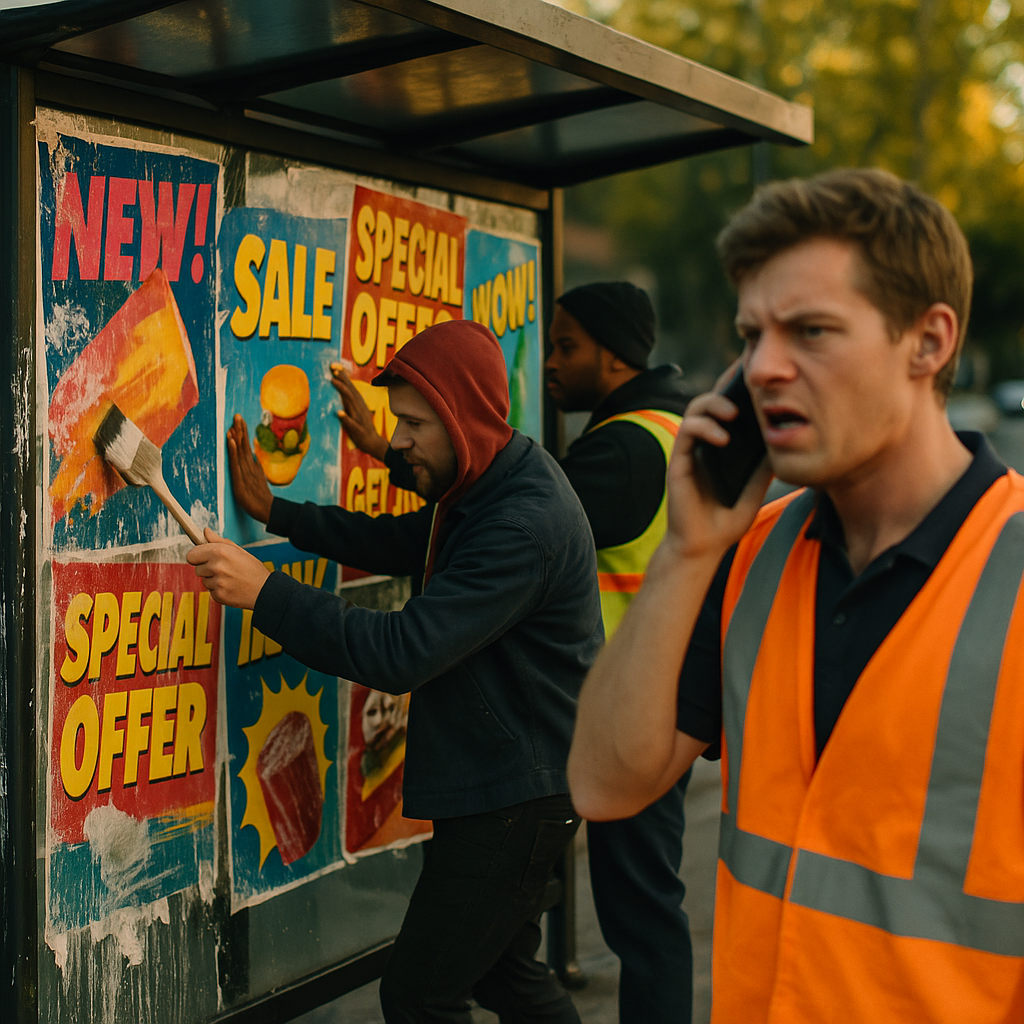
Guerrilla marketing campaigns are known for their creativity and ability to attract attention, but what happens when a guerrilla marketing campaign becomes a public nuisance? In this post-mortem, we’ll analyze a real-life case where a bold marketing move crossed the line, unravel the consequences, and reveal what both brands and marketers must learn to avoid similar pitfalls.
The Rise of Guerrilla Marketing: Unconventional Brand Awareness Tactics
Guerrilla marketing has skyrocketed in popularity thanks to its disruptive, cost-effective approach. Brands employ these unconventional strategies to break through advertising noise and foster direct engagement. According to the Interactive Advertising Bureau, 78% of marketers in 2025 believe that memorable experiences now outperform traditional ad impressions for lasting brand recall. However, the pursuit of virality often risks chaos—especially when public spaces or safety are impacted. For instance, flash mobs, pop-up installations, and unsanctioned murals have generated both applause and pushback in recent campaigns.
Case Analysis: When Guerrilla Marketing Becomes a Public Nuisance
Let’s examine a high-profile 2025 guerrilla marketing campaign that backfired. A beverage company orchestrated hundreds of branded balloons to float across a city’s main squares overnight, aiming for a viral reveal at sunrise. Unfortunately, most balloons drifted uncontrollably, blocking intersections, tangling in trees, and littering public parks. Emergency services were called multiple times, and the incident dominated local headlines.
- Public safety: Unattended installations posed hazards for pedestrians, cyclists, and drivers.
- Environmental impact: Cleanup took days, with city crews collecting over two tons of debris.
- Brand perception: Despite global coverage, social media skewered the campaign as irresponsible, causing a notable drop in brand sentiment.
This scenario underscores a crucial truth: there is a fine line between attention-grabbing and aggravating the community.
Legal and Ethical Risks in Guerrilla Marketing Campaign Disasters
Ignoring local regulations and public welfare exposes brands to legal action and reputational harm. In this example, city officials cited the beverage brand for multiple ordinance violations. According to recent data from the Global Marketing Compliance Authority, municipalities in 2025 have increased fines for unauthorized marketing by 35%, reflecting zero tolerance for stunts that endanger or inconvenience citizens.
Beyond fines, brands may face:
- Revoked permits or advertising bans in key markets
- Civil lawsuits from individuals or businesses affected by the campaign
- Negative press, which can linger online and impact search reputation
EEAT recommendations stress the necessity of ethical marketing: strategies should enhance—not detract from—community life. Brands must consult legal teams and local authorities before activation to mitigate risk and demonstrate responsibility.
Balancing Creativity and Community: Lessons Learned from Guerrilla Failures
How can marketers innovate without alienating the public? Drawing on expert interviews and post-campaign surveys, successful brands now integrate risk assessment and public consultation into campaign planning. Key takeaways from failed campaigns include:
- Stakeholder engagement: Partner with city councils, local organizations, and resident groups before deploying large-scale activations.
- Environmental considerations: Use sustainable materials and commit to post-event cleanup.
- Real-time monitoring: Assign teams to supervise installations and respond to unforeseen disruptions immediately.
- Transparent communication: Inform the public ahead of time wherever possible, turning potential irritants into anticipated events.
Brands embracing these practices gain more than viral moments—they earn lasting community trust and positive sentiment.
Case Study: Transforming Setbacks into Marketing Successes
Recovery is possible after a disastrous guerrilla marketing campaign. In our beverage brand example, company executives took full responsibility publicly, provided funds for city beautification, and partnered with environmental NGOs for cleanup. According to a 2025 Brand Trust Index survey, customer perception rebounded within three months due to the company’s proactive, transparent actions. Industry experts highlight swift accountability, meaningful reparations, and open dialogue as essential recovery steps after marketing missteps.
Brands that treat mistakes as learning opportunities and act with empathy can emerge even stronger.
Expert Advice: Future-Proofing Your Guerrilla Marketing Plans
How can marketers avoid becoming a public nuisance in their pursuit of creative impact? Thought leaders in digital advertising and public relations recommend prioritizing the following:
- Collaborative ideation: Workshop campaign concepts with both creative teams and public safety experts.
- Scenario planning: Anticipate all potential public, legal, and ecological outcomes—and plan contingencies.
- Regulatory review: Secure necessary permits, comply with local ordinances, and continually monitor changes in public policy.
- Social listening: Track real-time feedback to intervene early if campaigns generate unintended backlash.
The future of guerrilla marketing belongs to brands marrying innovation with social intelligence—fostering positive brand legacy while minimizing community disruption.
Conclusion
A guerrilla marketing campaign that becomes a public nuisance is a cautionary tale for the entire industry: creative ambition must be balanced with responsibility and respect. Brands that plan thoughtfully, consult communities, and act transparently can inspire both viral buzz and long-term trust—redefining what it means to market with impact in 2025.
FAQs
-
What is guerrilla marketing?
Guerrilla marketing is an unconventional advertising strategy focused on low-cost, imaginative tactics that create memorable public interactions, often in unexpected places.
-
Why can guerrilla marketing become a public nuisance?
When campaigns disrupt daily routines, affect public safety, or cause environmental harm—such as obstructing streets or leaving behind waste—they quickly shift from being creative to problematic.
-
How can brands avoid legal trouble with guerrilla marketing?
Brands should secure permits, consult with local authorities, and strictly follow all relevant regulations before launching campaigns to avoid legal issues and protect their reputation.
-
What are examples of responsible guerrilla marketing?
Responsible campaigns use eco-friendly materials, engage the local community, provide safety measures, and ensure all installations are promptly cleaned up, reinforcing positive brand values.
-
Can brands recover from failed guerrilla marketing campaigns?
Yes. By addressing the mistake transparently, compensating affected parties, and improving future planning, brands can rebuild public trust and demonstrate sincere accountability.