


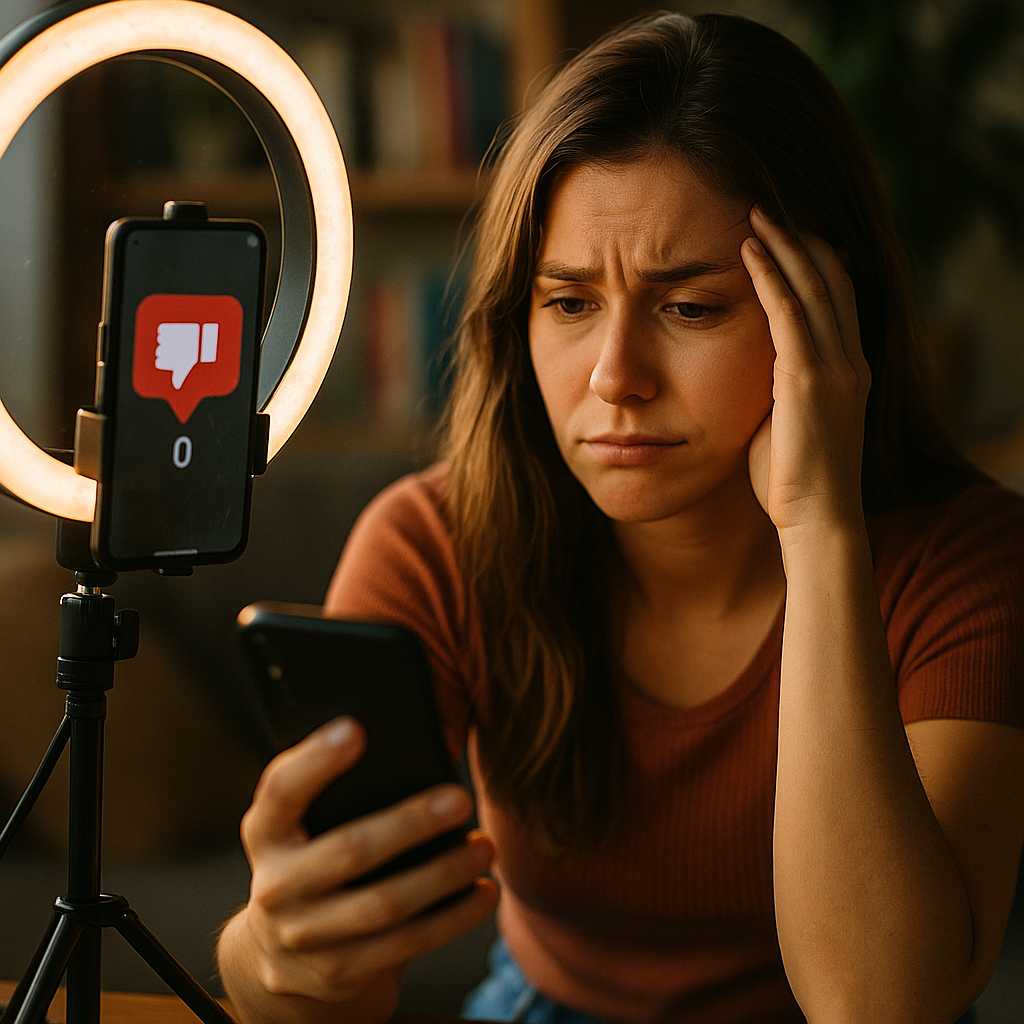
63% of marketers say influencer ROI is harder to prove now than three years ago — despite bigger budgets and better tools. If your creator strategy still looks like a 2022 campaign calendar with fancier reporting, you’re not running a program. You’re running a slow leak. This is the year that traditional influencer strategy gets exposed, and the brands that reassess now will own the next cycle.
The creator economy didn’t just grow. It matured, stratified, and professionalized — and most brand playbooks didn’t keep pace. Let’s break down exactly where the old model breaks and what replaces it.
The Old Playbook Was Built for a Different Market
Rewind five years. Influencer marketing meant identifying reach, negotiating a flat fee, shipping product, and hoping the post performed. Attribution was an afterthought. Contracts were one-off. Relationships lasted exactly as long as the campaign brief.
That approach worked when the market was undersupplied and platforms rewarded almost any branded content with organic reach. Neither condition holds anymore. Platforms have throttled organic distribution for sponsored content, creators have built sophisticated rate cards and legal teams, and finance departments now expect the same rigor from creator spend that they demand from paid media.
Brands still running single-campaign, flat-fee, gifting-heavy programs are essentially competing in a market that no longer exists. The creator partnership maturity model is a useful mirror here — most legacy programs are stuck at Stage 1 (transactional, campaign-by-campaign) while the top quartile of brands have moved to embedded, equity-linked, always-on relationships.
The gap between “we ran an influencer campaign” and “we operate a creator channel” is now the single biggest predictor of program ROI.
Why Vanity Metrics Finally Stopped Working
Reach and engagement rate used to be enough to justify renewal. They aren’t anymore, and finance stakeholders are the reason. CFOs sitting in on marketing reviews now ask the same question they ask of every other channel: what’s the incremental revenue? Platforms like TikTok Shop and Amazon Influencer have made commerce-linked attribution possible, which means there’s no longer an excuse for reporting impressions as the primary success metric.
According to eMarketer, brands that shifted a meaningful share of creator budgets to performance-linked compensation saw materially better cost-per-acquisition outcomes than flat-fee-only programs. That’s not a coincidence — it’s a structural shift in how creator pay should be designed.
Three Cracks in the Traditional Model
Crack one: campaign-burst spending can’t build durable audience trust. One-off posts read as ads, and audiences know it. Long-term creator relationships, by contrast, compound — the tenth mention from a trusted creator converts differently than the first. Brands still budgeting in quarterly bursts are leaving that compounding effect on the table. The always-on vs. campaign-burst decision framework lays out exactly when burst spending still makes sense (product launches, seasonal moments) versus when it’s actively counterproductive.
Crack two: flat-fee contracts misalign incentives. Paying a creator the same rate regardless of performance removes any reason for them to optimize the content, push it in feed, or care about conversion. Commission and hybrid structures fix this — but only if contracts are renegotiated deliberately rather than left to auto-renew. This is exactly the transition mapped out in flat fee to commission contract models, which treat the shift as a multi-year migration rather than a single renegotiation event.
Crack three: no governance means no scalability. As creator rosters grow past a handful of names, brands without formal governance — approval workflows, disclosure protocols, risk registers — start accumulating compliance debt. The FTC has made clear that disclosure enforcement isn’t going away (see the FTC’s endorsement guidance), and UK brands face similar scrutiny from the ICO on data handling in creator partnerships. A creator risk register isn’t bureaucratic overhead anymore. It’s the thing that keeps a scaling program out of a board-level incident report.
What “Maturing” Actually Means for Budget Structure
Here’s the uncomfortable part for a lot of marketing leaders: the creator economy maturing means creator budgets need to stop looking like discretionary marketing spend and start looking like a capital allocation decision.
That means zero-based thinking, not last year’s number plus 10%. It means asking, for every dollar, whether it belongs in flat fees, commission, or equity — and whether it should sit in the creator line at all versus retail media or GEO (generative engine optimization). The quarterly split model across creator, retail media, and GEO is becoming the standard planning unit for brands that got tired of siloed budget requests fighting each other for the same finance approval slot.
Zero-based budgeting specifically for creator spend is no longer a fringe practice among efficiency-obsessed CFOs. It’s becoming table stakes. The zero-based approach to creator equity and sponsorships forces every renewal to justify itself against current performance data rather than historical spend — which sounds obvious until you realize how many brands still auto-renew creator retainers annually without a real review.
If you’re planning cycles now, the practical question isn’t “how much more should we spend on creators.” It’s “which structure — flat fee, hybrid, commission, equity — earns this creator’s continued budget.” That’s a fundamentally different planning conversation, and it requires marketing and finance to actually sit in the same room. The budget approval playbook is worth reading if your last planning cycle involved more Slack threads than decisions.
Equity Deals Aren’t a Novelty Anymore
A few years ago, giving a creator equity or revenue share felt experimental — something DTC beauty and supplement brands did because they had nothing to lose. Now it’s a recognized structure with its own valuation logic, exit clauses, and governance requirements.
The brands doing this well have built real frameworks: a CFO framework for creator equity valuation and exit, a governance charter for equity-holding creators that defines what happens if the creator’s public conduct becomes a liability, and sequencing logic so equity-based deals don’t accidentally breach existing sponsorship contracts (see equity sequencing without breaking contracts).
This isn’t a fit for every brand or every creator relationship. But if your 2027 planning conversation doesn’t at least evaluate equity as an option for your top three or four creator relationships, you’re likely underpricing the retention risk of losing them to a competitor who will offer it.
The Operational Layer Nobody Budgets For
Strategy conversations get the attention. Operations quietly determine whether the strategy survives contact with reality.
Brands moving away from agency-of-record models toward in-house creator teams consistently underestimate the operational lift — sourcing, contracting, content review, payment processing, performance reporting. The 12-month roadmap to in-house creator management and the more compressed 4-quarter agency-to-in-house plan both exist because brands kept trying to flip the switch in one quarter and burning out their internal teams in the process.
This connects directly to headcount planning. AI tools now handle a meaningful share of creator discovery, content moderation, and reporting — but someone still needs to own strategy, relationships, and judgment calls that AI can’t make. The headcount planning framework for AI execution and strategic oversight is a useful gut-check before you assume automation lets you cut your creator team down to one person and a dashboard.
Automation replaces tasks, not judgment. Brands that cut creator headcount purely because they bought a discovery tool tend to relearn this the expensive way.
Tooling Decisions Are Now Strategic, Not IT Line Items
Platform sprawl is its own tax on program maturity. Discovery tools, contract management, payment rails, attribution dashboards — many brands run four or five disconnected point solutions because each one was bought to solve an immediate fire. The consolidation-versus-best-of-breed debate matters more now that agentic AI is entering the martech stack directly (see martech consolidation in the agentic AI era), and it’s worth revisiting vendor contracts before renewal season rather than after (zero-based planning for martech renewals).
For platform-specific execution, tools like TikTok’s ad platform and Meta Business Suite now offer native creator-boosting and paid amplification features that didn’t exist in earlier iterations — which is part of why paid boosting rights in creator contracts have become a negotiation line item rather than an afterthought.
What a Reassessed Strategy Actually Looks Like
Pulling this together, a mature 2027-ready creator strategy generally has five characteristics:
- Budget allocated across flat fee, hybrid, commission, and equity structures based on creator tenure and performance data, not blanket policy
- A documented risk register reviewed quarterly, not just after an incident
- A roster built deliberately across macro, mid-tier, and micro creators rather than chasing whoever has the biggest following this quarter (the tiered roster blueprint is a solid starting structure)
- Governance that spans not just creators but the broader data and platform operating model (governance framework for creator and data operating models)
- A steering committee or equivalent structure where creator, retail media, and GEO budgets are reviewed together rather than in separate silos (steering committee charter for merged budgets)
None of this is theoretical. It’s the operating model that separates brands compounding creator equity year over year from brands still relitigating the same “should we do influencer marketing” debate every planning cycle. Track engagement benchmarks through resources like Sprout Social’s industry reports or Statista’s creator economy data if you need external validation for the internal case you’re building — finance teams respond well to third-party numbers.
Next Step
Don’t wait for a full-year strategy overhaul. Pick your three highest-spend creator relationships, run them through a zero-based review this quarter, and decide — deliberately — whether flat fee still earns its place. That single exercise will tell you more about your program’s maturity than any benchmark report.
FAQs
Why are traditional influencer strategies failing now specifically?
Platforms have cut organic reach for sponsored content, creators have professionalized their rates and contracts, and finance teams now demand the same ROI rigor applied to paid media. Flat-fee, campaign-burst approaches weren’t built to survive that combination.
What should replace flat-fee creator contracts?
Most mature programs are shifting toward hybrid models that blend a base fee with commission or performance bonuses, and in select cases, equity. The right mix depends on the creator’s tenure, audience overlap with your buyer, and how measurable their content’s conversion impact is.
How do I know if my creator program is still stuck in an outdated model?
If your team can’t answer “what’s the incremental revenue from our top five creators” without a lengthy caveat, or if every contract renews automatically without a performance review, you’re likely still running a legacy, campaign-first program.
Is creator equity worth the complexity for mid-sized brands?
Not always. Equity deals make the most sense for a small number of high-tenure, high-trust creator relationships where retention risk is real. For most of a roster, hybrid commission structures deliver similar alignment with far less legal and governance overhead.
How should brands budget for creator programs during planning cycles?
Treat creator spend with the same zero-based scrutiny applied to other channels — justify every renewal against current performance data, split budget deliberately across compensation structures, and review it alongside retail media and GEO spend rather than in isolation.
FAQs
Why are traditional influencer strategies failing now specifically?
Platforms have cut organic reach for sponsored content, creators have professionalized their rates and contracts, and finance teams now demand the same ROI rigor applied to paid media. Flat-fee, campaign-burst approaches weren’t built to survive that combination.
What should replace flat-fee creator contracts?
Most mature programs are shifting toward hybrid models that blend a base fee with commission or performance bonuses, and in select cases, equity. The right mix depends on the creator’s tenure, audience overlap with your buyer, and how measurable their content’s conversion impact is.
How do I know if my creator program is still stuck in an outdated model?
If your team can’t answer “what’s the incremental revenue from our top five creators” without a lengthy caveat, or if every contract renews automatically without a performance review, you’re likely still running a legacy, campaign-first program.
Is creator equity worth the complexity for mid-sized brands?
Not always. Equity deals make the most sense for a small number of high-tenure, high-trust creator relationships where retention risk is real. For most of a roster, hybrid commission structures deliver similar alignment with far less legal and governance overhead.
How should brands budget for creator programs during planning cycles?
Treat creator spend with the same zero-based scrutiny applied to other channels — justify every renewal against current performance data, split budget deliberately across compensation structures, and review it alongside retail media and GEO spend rather than in isolation.
Top Influencer Marketing Agencies
The leading agencies shaping influencer marketing in 2026
Agencies ranked by campaign performance, client diversity, platform expertise, proven ROI, industry recognition, and client satisfaction. Assessed through verified case studies, reviews, and industry consultations.
Moburst

-
2

The Shelf
Boutique Beauty & Lifestyle Influencer AgencyA data-driven boutique agency specializing exclusively in beauty, wellness, and lifestyle influencer campaigns on Instagram and TikTok. Best for brands already focused on the beauty/personal care space that need curated, aesthetic-driven content.Clients: Pepsi, The Honest Company, Hims, Elf Cosmetics, Pure LeafVisit The Shelf → -
3

Audiencly
Niche Gaming & Esports Influencer AgencyA specialized agency focused exclusively on gaming and esports creators on YouTube, Twitch, and TikTok. Ideal if your campaign is 100% gaming-focused — from game launches to hardware and esports events.Clients: Epic Games, NordVPN, Ubisoft, Wargaming, Tencent GamesVisit Audiencly → -
4

Viral Nation
Global Influencer Marketing & Talent AgencyA dual talent management and marketing agency with proprietary brand safety tools and a global creator network spanning nano-influencers to celebrities across all major platforms.Clients: Meta, Activision Blizzard, Energizer, Aston Martin, WalmartVisit Viral Nation → -
5

The Influencer Marketing Factory
TikTok, Instagram & YouTube CampaignsA full-service agency with strong TikTok expertise, offering end-to-end campaign management from influencer discovery through performance reporting with a focus on platform-native content.Clients: Google, Snapchat, Universal Music, Bumble, YelpVisit TIMF → -
6

NeoReach
Enterprise Analytics & Influencer CampaignsAn enterprise-focused agency combining managed campaigns with a powerful self-service data platform for influencer search, audience analytics, and attribution modeling.Clients: Amazon, Airbnb, Netflix, Honda, The New York TimesVisit NeoReach → -
7

Ubiquitous
Creator-First Marketing PlatformA tech-driven platform combining self-service tools with managed campaign options, emphasizing speed and scalability for brands managing multiple influencer relationships.Clients: Lyft, Disney, Target, American Eagle, NetflixVisit Ubiquitous → -
8

Obviously
Scalable Enterprise Influencer CampaignsA tech-enabled agency built for high-volume campaigns, coordinating hundreds of creators simultaneously with end-to-end logistics, content rights management, and product seeding.Clients: Google, Ulta Beauty, Converse, AmazonVisit Obviously →