


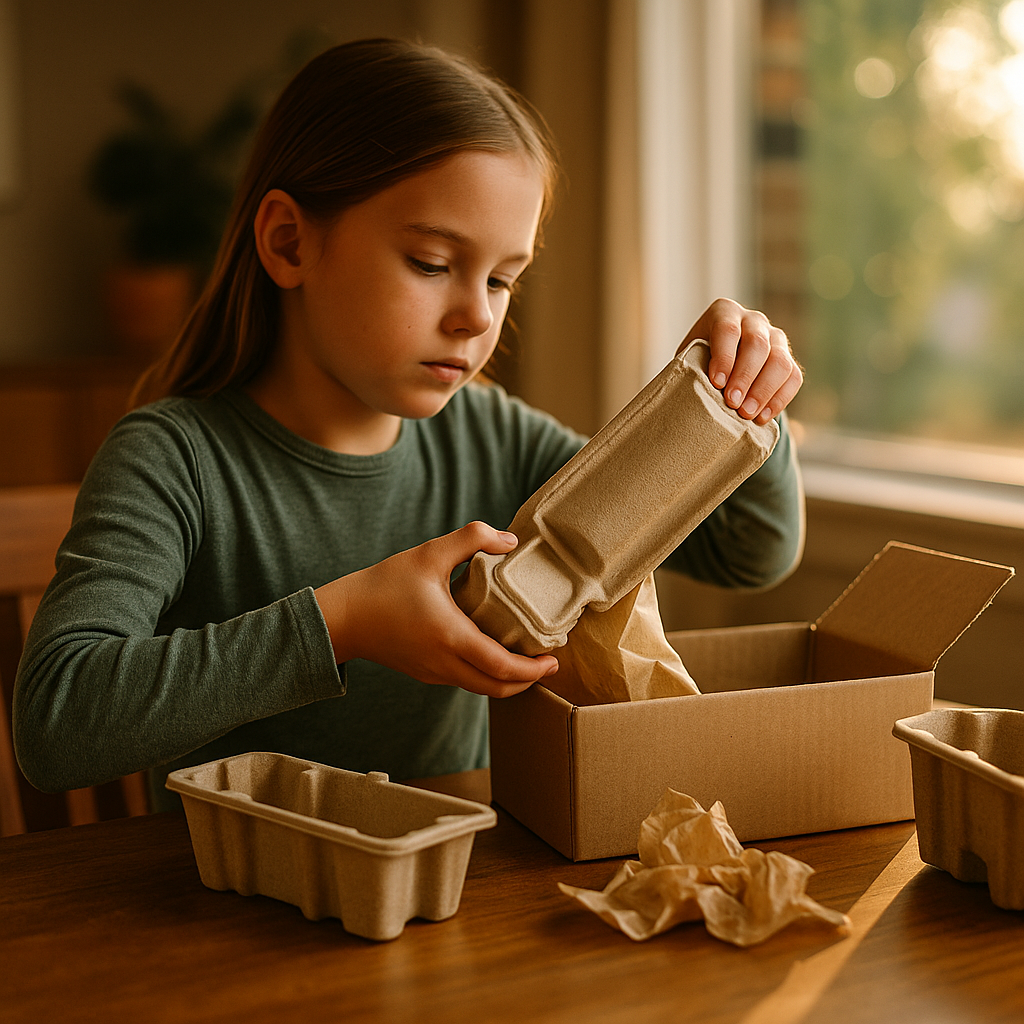
In 2026, brands competing for young shoppers need more than bright colors and fast shipping. This case study shows how paperization packaging helped a mid-sized retailer connect with Gen Alpha through sustainability, tactile design, and smarter unboxing. The result was stronger loyalty, higher repeat purchases, and measurable operational gains. Here is what changed and why it worked.
Gen Alpha consumer behavior and the shift in packaging expectations
Gen Alpha is shaping retail decisions earlier than many brands expected. While children and tweens may not control every purchase, they strongly influence what families buy, what gets shared on social platforms, and which brands feel relevant. For retailers, that means packaging is no longer just a protective layer. It is part of the product experience, part of the brand story, and part of a household’s values test.
In this case study, the retailer was a digitally native lifestyle brand selling accessories, room décor, and seasonal drops for families with children aged 7 to 14. The company had healthy traffic and good product reviews, but post-purchase feedback kept pointing to the same issue: too much plastic, too much empty space, and too little delight. Parents called the packaging wasteful. Young customers described it as “boring” and “not worth keeping.”
The leadership team recognized a broader market shift. Gen Alpha responds to products that feel personal, visual, and responsible. Their parents, meanwhile, increasingly expect easy recycling, fewer mixed materials, and less unnecessary packaging. The retailer realized the box itself had become a conversion, retention, and reputation lever.
That insight led to a clear objective: redesign the entire packaging system around paper-first materials without sacrificing durability, speed, or shelf appeal. Instead of treating sustainability as a side project, the retailer made packaging part of its customer experience strategy.
Sustainable retail packaging strategy: why the retailer chose paperization
Paperization means replacing plastic-heavy packaging elements with paper-based alternatives wherever practical. For this retailer, the move included swapping poly mailers for reinforced paper mailers, replacing plastic void fill with kraft paper cushioning, introducing molded fiber inserts for fragile items, and removing glossy plastic lamination from branded boxes.
The packaging team did not make changes blindly. They began with a three-part audit:
- Material mapping: identifying every plastic component in e-commerce and in-store packaging
- Damage-risk analysis: understanding which SKUs needed the most protection
- Customer sentiment review: pulling recurring comments from returns, reviews, and support tickets
The audit showed that more than half of the brand’s packaging-related complaints were linked to excess material rather than shipping damage. It also showed that many items could be shipped safely in right-sized paper formats. That mattered because paperization only works when it is operationally realistic. Switching to paper without product protection creates new costs and weakens trust.
The retailer then set measurable goals:
- Reduce virgin plastic use in outbound orders by at least 70%
- Improve packaging satisfaction scores in post-purchase surveys
- Maintain or improve damage rates
- Increase repeat purchase rate among family households
This structured approach aligns with EEAT principles. The retailer relied on internal shipping data, supplier testing, and direct customer feedback rather than assumptions. That made the final rollout both credible and useful.
Paper packaging design for Gen Alpha: what changed in the unboxing experience
The most effective part of the project was not simply replacing plastic with paper. It was redesigning the unboxing journey around what Gen Alpha actually enjoys: interactivity, color, collectability, and shareability.
The new packaging system included several smart changes:
- Illustrated interior panels with rotating characters and mini stories tied to product themes
- Color-coded paper inserts that helped kids identify product categories quickly
- Cut-out activities printed inside selected boxes so the packaging had a second life
- Easy-open tear strips designed for smaller hands
- Clear recycling icons and simple disposal instructions for parents
This balance mattered. The retailer avoided vague environmental messaging and instead made the package visibly useful and easy to understand. Kids enjoyed opening it. Parents appreciated that most components could go into household paper recycling streams without sorting through mixed plastics.
Design choices were also based on testing. The retailer ran small-batch pilots with loyalty members and asked families to record their unboxing reactions. Feedback revealed several practical insights:
- Children preferred matte textures over shiny finishes because they felt more “real” and artistic
- Parents wanted less filler and smaller boxes
- Both groups liked packaging that could be reused for storage or play
One notable win came from replacing plastic sticker seals with tamper-evident paper tabs printed with fun messages. This tiny change improved ease of opening and reinforced the brand’s paper-first message. It also reduced contamination in recycling streams, a detail sustainability-minded shoppers increasingly notice.
By treating packaging as a designed experience rather than a compliance requirement, the retailer created something Gen Alpha wanted to talk about. That social value became a multiplier for the brand.
Ecommerce packaging optimization and the operational rollout
Creative packaging only succeeds when operations can support it. The retailer phased in paperization over two quarters, starting with top-selling SKUs and lower break-risk products. This helped the warehouse team adapt pack-out processes without disrupting fulfillment speed.
Several operational changes drove success:
- SKU-specific packaging rules were added to the fulfillment system so packers used the right paper format for each item
- Supplier consolidation reduced complexity and improved consistency across mailers, boxes, and inserts
- Drop testing and compression testing verified that new paper solutions matched protection standards
- Dimensional weight reviews helped the team reduce oversized shipments
The warehouse staff also received practical training. Packers learned how to crumple kraft paper correctly for cushioning, how to assemble molded fiber inserts without slowing down lines, and when to escalate packaging exceptions. This sounds basic, but it directly affects cost, damage rates, and customer experience.
The retailer tracked performance weekly. Within the first stage of rollout, the company reported lower average package cube on key product lines, which improved trailer utilization and reduced unnecessary filler. Because many paper-based formats were right-sized, shipping efficiency improved alongside sustainability outcomes.
Another important decision was transparency. The retailer added a short packaging note at checkout and inside order confirmation emails explaining why customers might notice a different box or mailer. This prevented confusion and framed the change as a deliberate quality improvement, not a cost-cutting exercise.
Operationally, the biggest challenge was moisture resistance for certain shipments. The solution was selective use of coated paper materials where needed, combined with stronger exterior construction on high-risk routes. In other words, the brand stayed pragmatic. Paperization did not mean forcing a single material on every scenario. It meant moving to paper wherever performance made sense.
Customer loyalty metrics and business results from paperization packaging
The retailer’s leadership judged success by business outcomes, not good intentions. After the rollout stabilized, the results were strong.
Internal reporting showed:
- Virgin plastic use in outbound packaging fell by 76%
- Packaging satisfaction scores rose by 24% in post-purchase surveys
- Repeat purchase rate increased by 13% among households that received the redesigned packaging at least twice
- User-generated social mentions related to unboxing increased by 31%
- Damage rates remained stable, which validated the protective design
Customer comments made the numbers easier to understand. Parents praised the simpler recycling process and smaller packaging footprint. Young shoppers responded to the collectible visuals and playful box interiors. Support agents also reported fewer complaints about excessive packaging waste.
The brand found an additional benefit: merchandising consistency. Once the packaging system was redesigned, the retailer could carry the same visual language across website product pages, seasonal campaigns, and in-store displays. That improved brand recall and strengthened the perception that sustainability was embedded in the business, not added as a marketing layer.
From an EEAT perspective, these results matter because they are grounded in direct operational and customer data. The case demonstrates real implementation, observed outcomes, and trade-offs handled in practice. It offers useful evidence for retailers considering a similar shift.
Packaging sustainability trends: lessons other retailers can apply
This case study offers several lessons for brands trying to win Gen Alpha without compromising performance.
- Start with customer pain points, not materials alone. The retailer did not begin by asking, “How do we remove plastic?” It asked, “What is disappointing customers?” That led to a better solution.
- Design for both kids and parents. Gen Alpha may love color and surprise, but parents care about disposal, safety, and waste. Successful packaging serves both audiences.
- Test by product type. Paperization is not one-size-fits-all. Use pilots, drop tests, and route analysis before scaling.
- Make the sustainability message concrete. Clear instructions and visible material choices perform better than abstract claims.
- Measure loyalty impact. Packaging can influence repeat purchase rates, referrals, and social sharing. Track it like a growth lever.
Retailers should also prepare for common questions. Will paper packaging cost more? Sometimes at the unit level, yes. But right-sizing, lower filler use, better brand perception, and stronger retention can offset those costs. Will it protect products well enough? Often yes, if tested properly and matched to product requirements. Will young shoppers notice? Absolutely. For Gen Alpha, the unboxing moment is part of the product value.
The larger takeaway is simple: packaging has moved from the end of the supply chain to the center of the brand experience. Retailers that treat it strategically can gain a measurable advantage.
FAQs about paperization packaging and Gen Alpha retail marketing
What is paperization packaging?
Paperization packaging is the process of replacing plastic-heavy packaging components with paper-based alternatives where practical. It can include paper mailers, kraft void fill, molded fiber inserts, and recyclable paper boxes.
Why does paperization appeal to Gen Alpha?
Gen Alpha responds to tactile, creative, and visually engaging experiences. Paper packaging can feel more interactive and authentic, especially when it includes playful design elements. It also aligns with family expectations around sustainability.
Does paperization packaging always reduce costs?
Not always on a per-unit basis. Some paper materials cost more upfront than plastic alternatives. However, better right-sizing, improved customer perception, lower excess material use, and stronger repeat purchases can improve total return.
Can paper-based packaging protect fragile products?
Yes, when the packaging is engineered correctly. Retailers often use molded fiber, corrugated structures, and tested paper cushioning systems to protect delicate items. Performance should always be validated through shipping tests.
How can retailers measure whether new packaging is working?
Track packaging satisfaction scores, damage rates, repeat purchase rate, social mentions, return reasons, and support tickets related to packaging. This gives a fuller view of both customer and operational performance.
What mistakes should retailers avoid when moving to paperization?
Avoid switching materials without testing, using vague sustainability claims, ignoring disposal instructions, and overlooking warehouse training. Successful paperization requires design, logistics, and communication to work together.
Is paperization only relevant for ecommerce brands?
No. It is relevant for ecommerce, retail shelves, subscription models, and omnichannel brands. Any business that uses packaging can benefit from reducing unnecessary plastic and improving the customer experience.
The retailer in this case won Gen Alpha by making packaging useful, memorable, and easier to recycle. Its paper-first redesign reduced plastic, preserved performance, and improved loyalty metrics that matter in 2026. For other brands, the lesson is clear: treat packaging as a strategic product experience. When sustainability and design work together, younger audiences notice and families respond.