


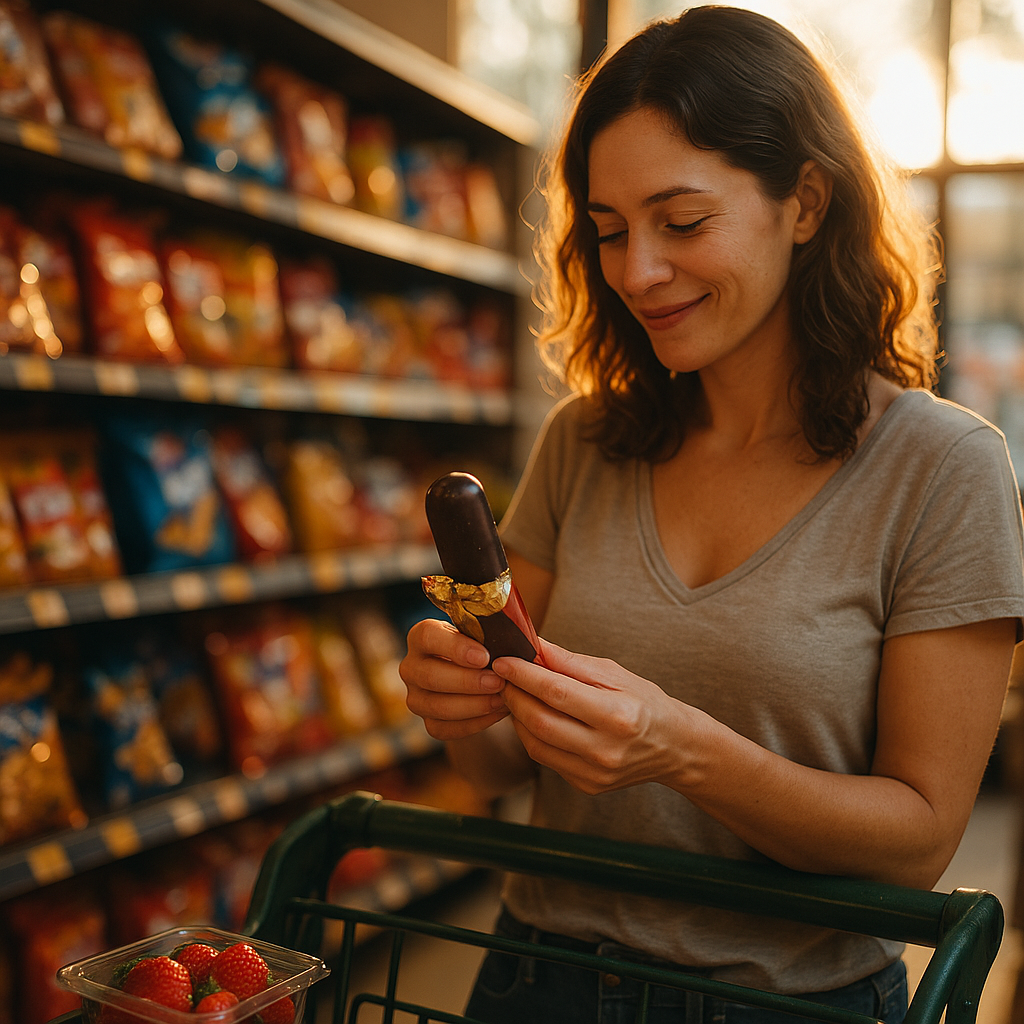
In 2025, consumers are cutting back on big purchases but still buying small delights that feel earned. This shift is powering Treatonomics, the new logic of “little luxuries” in everyday shopping. Brands that understand why people reward themselves—and how to market without feeling manipulative—can win loyalty and margin. The question is: are you building for the treat, or missing it?
Treatonomics definition and the “small indulgence” mindset
Treatonomics describes a pattern where shoppers reduce discretionary spend on large-ticket items while protecting (or even increasing) spending on small indulgences: a premium coffee, a better skincare serum, a limited-edition snack, a “just for me” digital upgrade. The purchase is less about necessity and more about emotional return on a modest cost.
This behavior isn’t simply “impulse buying.” Most treat purchases are planned micro-rewards. They sit at the intersection of budgeting and self-care: people want to feel in control of money and mood at the same time. A $6 upgrade can feel like a win when a $600 splurge feels irresponsible.
Marketers often misread this as price sensitivity alone. It’s more precise to think in terms of value-per-feeling. Consumers evaluate treats through questions like:
- Does it brighten my day? (mood lift, comfort, novelty)
- Is it “worth it” relative to my constraints? (budget fit, low regret)
- Does it align with my identity? (wellness, sustainability, aesthetics)
- Can I justify it? (a reward after work, a small celebration)
Practical implication: treat purchases are often defended with a story. Brands that supply that story—clearly and ethically—reduce buyer friction and increase repeat.
Small indulgence consumer behavior: why treats win in 2025
The small indulgence consumer isn’t irrational; they’re optimizing. In 2025, household budgets face pressure from essentials, and uncertainty makes long-term discretionary commitments feel riskier. Treats solve three problems at once: emotional relief, controllable spend, and immediate gratification.
Several forces shape this behavior:
- Budget compartmentalization: Consumers may pause big upgrades, but keep a “sanity line item” for small pleasures. This helps them stick to broader financial goals without feeling deprived.
- Fewer big occasions, more micro-occasions: People celebrate small wins—finishing a task, surviving a stressful week, hitting a health milestone—creating more purchase moments across the month.
- Convenience and speed: Treats typically require minimal research. A quick buy at checkout, a one-click add-on, or a limited drop fits into a busy life.
- Social proof and content culture: A snack, fragrance, or beauty mini can be shared, reviewed, or “unboxed” easily, which amplifies discovery without needing a major purchase.
To market effectively, map the treat journey rather than the full-funnel journey. The treat journey is shorter, more emotional, and highly context-driven:
- Trigger: stress, boredom, reward, social influence, seasonal moment
- Permission: “I deserve this,” “It’s small,” “It’s healthier,” “It’s limited”
- Selection: trusted brand, flavor/scent, novelty, price ceiling
- After-feel: delight, guilt, satisfaction, desire to repeat
Brands that reduce guilt and increase satisfaction—without overpromising—create durable “treat habits.”
Micro-luxury marketing strategies: positioning, packaging, and pricing
Micro-luxury marketing is not “premium everything.” It’s the ability to deliver a premium moment at an accessible price. The goal is to make the treat feel special while keeping the decision easy.
1) Position the treat as a moment, not just a product
Describe the experience in concrete terms: taste, texture, scent, ritual, or outcome. Replace vague claims (“indulgent,” “amazing”) with specific cues (“silky finish,” “warm spice note,” “15-minute reset”). If you can’t describe the moment, the consumer can’t justify the spend.
2) Use “entry premium” tiers
Create a ladder: mini sizes, trial kits, single-serve packs, travel editions, or a “starter” subscription. This meets the treat consumer’s need for low-commitment delight and opens the door to higher-value purchases later.
3) Package for gifting-to-self
Small indulgences often act like personal gifts. Packaging should feel like “I chose this for me,” not like “I grabbed this.” Consider tactile materials, clean typography, and a clear payoff message. Keep it sustainable and honest—over-packaging can backfire.
4) Price for decisiveness
Treat buyers often have an internal threshold. Instead of racing to the bottom, design around “easy yes” points: a price that fits a quick mental budget without requiring comparison shopping. Pair pricing with clear value cues (ingredients, craftsmanship, portion count, performance).
5) Engineer repeatability
Treatonomics wins when you earn frequency. Build “collectable” and repeat-friendly mechanics: rotating flavors, limited seasonal drops, stamps/points, or curated bundles. Make replenishment simple and avoid patterns that feel exploitative.
Follow-up question you’re likely asking: Can any brand play here? Yes—if you can carve a small premium moment that is believable in your category. A hardware brand can sell a “satisfying fix kit.” A software brand can sell a “focus upgrade.” The principle is the same: a modest upgrade that feels like a reward.
Emotional value marketing: messaging that earns trust (EEAT)
Treat purchases are emotion-led, but consumers still demand credibility. In 2025, helpful content wins because people are tired of hype. Apply EEAT by making your marketing verifiable, transparent, and user-centered.
Show experience, not just claims
- Use demonstrations, real customer routines, and practical “how to enjoy” guidance.
- Publish clear usage instructions, storage tips, and expectation-setting (“what it does” and “what it doesn’t”).
Strengthen expertise and authoritativeness
- In wellness, beauty, and food: cite qualified formulation, sourcing, or safety standards.
- Use credentialed reviewers for technical products and disclose evaluation criteria.
- Maintain consistent terminology across ads, product pages, and customer support.
Earn trust with transparency
- Disclose subscription terms and renewal timing prominently.
- Use clear pricing: avoid hidden shipping surprises that turn treats into regrets.
- Publish ingredient lists, allergen info, and performance limitations plainly.
Write “permission” copy without manipulation
Good treat messaging helps consumers feel confident, not pressured. Avoid anxiety-based tactics like countdown spam or guilt triggers. Instead, use supportive framing:
- “Small upgrade, big reset” (proportionate promise)
- “Your 10-minute ritual” (habit-friendly)
- “A premium taste without the premium commitment” (budget-aware)
Answer follow-up concerns inside your content: Is it worth it? Provide comparisons (size, servings, cost-per-use). Will I like it? Offer flavor/scent profiles and satisfaction guarantees. Is it ethical? Provide sourcing details and measurable sustainability practices.
Consumer trends 2025: channels and moments where treats convert
Treatonomics is shaped by where and when consumers feel the urge to reward themselves. In 2025, the strongest conversion contexts are high-friction days and high-sharing environments.
High-intent micro-moments
- Commute and morning start: coffee, breakfast upgrades, audio subscriptions
- Post-work decompression: snack rituals, mocktails, gaming add-ons, skincare
- Weekend reset: home fragrance, meal kits, DIY kits, “Sunday night” routines
- Milestones: finishing a project, gym streaks, personal admin wins
Channel approaches that fit treat behavior
- Retail and checkout: Ensure your product reads as a “yes” in three seconds: clear benefit, clear price, clear delight cue.
- Social commerce: Short-form content works when it demonstrates the moment (pour, snap, peel, fizz, glow) and sets realistic expectations.
- Email/SMS: Use fewer blasts, more timing: “Friday wind-down,” “midweek reset,” “limited seasonal flavor.” Keep frequency respectful.
- Search: Capture “best small gift for myself,” “mini [category] set,” “affordable premium,” “treat under [price]” queries with honest product guides.
To reduce returns and dissatisfaction, align creative with reality. Treat buyers have low tolerance for feeling tricked because the purchase is emotionally loaded. One mismatch can break the ritual and the relationship.
Retention and loyalty: turning indulgence into repeat revenue
The most profitable treat strategy is not a single spike—it’s repeatable, low-regret replenishment. Build retention by designing the post-purchase experience as carefully as the ad.
1) Reduce remorse, increase satisfaction
- Send a “how to enjoy” guide immediately after purchase.
- Offer easy exchanges (especially for scent/flavor-driven categories).
- Ask for preference data (“sweet vs. salty,” “warm vs. fresh,” “strong vs. subtle”) to personalize future offers.
2) Create a treat calendar
Rather than constant urgency, plan predictable limited runs: seasonal, monthly, or collaboration drops. Predictability builds anticipation without exhausting the audience.
3) Loyalty that rewards frequency, not just spend
Treat consumers may buy often but in small baskets. Reward check-ins, streaks, reviews, referrals, and bundles—so customers feel recognized even if they’re not “big spenders.”
4) Subscription done right
Subscriptions fit treatonomics when they remain optional and flexible. Use:
- Pause, skip, and swap options
- Transparent renewal reminders
- Benefits tied to discovery (new flavors, curated picks) rather than lock-in
5) Measure what matters
- Repeat rate by time window: 30/60/90 days depending on category
- Regret signals: returns, cancellations, negative reviews referencing value
- Attachment rate: how often the treat is added to an essential order
- “Moment fit” conversion: performance by daypart and occasion-based campaigns
If repeat is weak, don’t default to discounts. Often the fix is clearer usage guidance, better sizing, or improved “moment” storytelling.
FAQs about Treatonomics and small indulgence marketing
What is Treatonomics in marketing?
Treatonomics is a consumer spending pattern where shoppers reduce big discretionary purchases but still buy small indulgences that offer emotional value at a manageable cost. In marketing, it means designing products and campaigns around affordable premium moments, not just low prices.
Which industries benefit most from Treatonomics?
Food and beverage, beauty, personal care, wellness, home fragrance, affordable fashion accessories, and digital subscriptions often see strong results. Any category can participate if it can create a credible “micro-upgrade” with a clear emotional payoff.
How do you price products for the small indulgence consumer?
Price for decisiveness: keep the purchase within a simple mental budget and justify the cost with clear value cues like quality, portion count, durability, or performance. Use entry sizes and bundles to reduce commitment while preserving premium perception.
How can brands market treats without feeling manipulative?
Use transparency, realistic claims, and supportive messaging. Avoid fear-based urgency and hidden fees. Provide practical guidance, clear terms for subscriptions, and honest comparisons so the customer feels informed and in control.
What content works best for Treatonomics SEO?
Occasion-based guides (“Friday wind-down”), budget-framed lists (“treats under $10”), comparison pages (mini vs. full size), and sensory detail pages (flavor/scent profiles) perform well. Helpful content should answer “Will I like it?” and “Is it worth it?” directly.
How do you increase repeat purchases for treat products?
Make the treat easy to repeat: simplify replenishment, personalize recommendations, build a predictable drop calendar, and reward frequency with loyalty perks. Reduce buyer remorse with post-purchase education, easy exchanges, and accurate creative that matches the real experience.
In 2025, Treatonomics rewards brands that respect tight budgets while delivering real moments of delight. The small indulgence consumer isn’t chasing status; they’re buying relief, ritual, and a sense of control at a reasonable price. Build entry-premium options, market with transparency, and design for repeatable occasions. If your product makes the “easy yes” feel earned, you’ll grow loyalty and margin.