


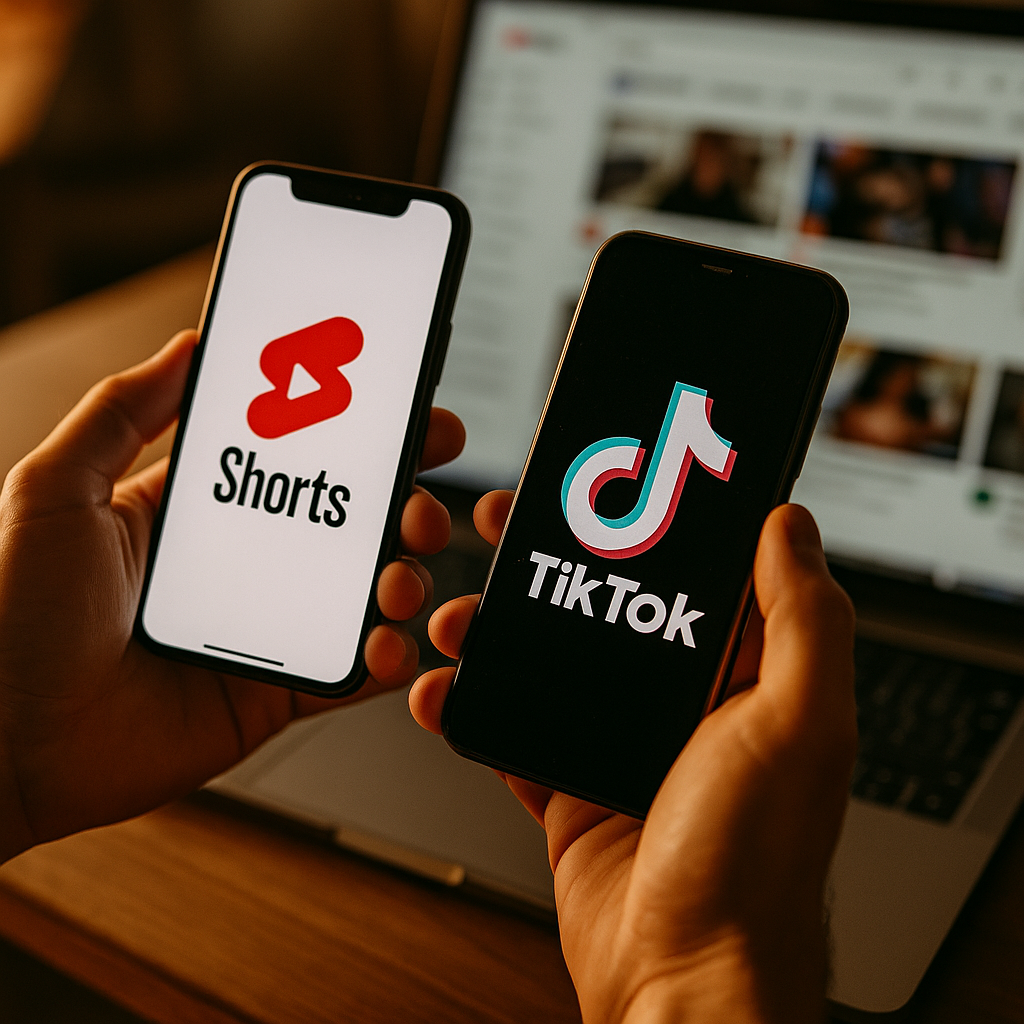
YouTube Shorts vs. TikTok: where should you put your ad budget in 2025? As both platforms command enormous audiences and evolve rapidly, making the right investment choice is more crucial than ever for marketers and creators. Let’s break down which platform offers better ROI, audience reach, and advanced features—helping you make the smartest move this year.
YouTube Shorts Advertising: Reach and Brand Safety
YouTube Shorts, Google’s answer to the short-form video trend, has built on the established YouTube ecosystem. In 2025, it reportedly commands more than 2.5 billion monthly logged-in users. This scale offers unparalleled global reach. Brands benefit from:
- Extensive audience targeting: Leverage Google’s robust user data for demographic, interest, and behavioral targeting.
- Brand safety: Google’s strict moderation minimizes unsafe environments for brands.
- Ad format variety: Seamlessly integrate Shorts with traditional YouTube campaigns using skippable, non-skippable, and interactive ad units.
Moreover, creators and brands can access YouTube Analytics, providing deep insights into audience retention and engagement. Even for small businesses, YouTube’s existing ad infrastructure makes it easy to scale from local to global without switching platforms.
TikTok Ad Strategies: Virality and Creative Innovation
TikTok continues to redefine short-form engagement in 2025, with a user base of 1.8 billion active users. Its strength lies in its uncanny ability to set trends. TikTok’s key advertising advantages include:
- Virality potential: The recommendation algorithm can turn even small budgets into massive organic reach if content resonates.
- Innovative ad formats: Try out Spark Ads, Branded Hashtag Challenges, and interactive shopping tools.
- Creator-driven culture: Authenticity, humor, and storytelling drive higher engagement rates, especially among Gen Z and Millennials.
TikTok’s analytics dashboard, while not as granular as YouTube’s, is rapidly evolving. Brands seeking fast traction for new products, cultural relevance, or viral campaigns often see higher returns here when their content aligns with platform culture.
Comparing Audience Demographics: Who Is Watching Where?
Understanding the unique demographic splits of YouTube Shorts and TikTok is critical for budget decisions.
- YouTube Shorts: Appeals to a broad age range—from teens to adults in their 50s—thanks to YouTube’s existing user loyalty.
- TikTok: Still skews younger, with over 60% of its U.S. users aged 16-34 in 2025, according to Statista.
That said, TikTok’s older audience segment is growing, closing the age gap with Shorts. Geographic diversity is another factor: YouTube holds strong in North America, Europe, and emerging markets, while TikTok dominates in Southeast Asia and Latin America. Brands targeting families or professionals might prefer YouTube, while youth-driven entertainment or lifestyle brands could find greater success on TikTok.
Cost-Effectiveness and Ad Performance in 2025
Budget allocation hinges on which platform delivers better results for your investment. In 2025:
- YouTube Shorts: CPMs (Cost Per Thousand Impressions) average between $4-$8, offering cost-efficient reach for broad awareness. Its mature ad infrastructure can deliver consistent video view rates and higher completion rates for longer stories.
- TikTok: CPMs are similar, averaging $5-$9, but overall CPA (Cost Per Acquisition) can be lower due to high organic engagement and potential viral boosts. TikTok’s in-app shoppable links and interactive tools are optimized for direct sales and impulse buys.
However, YouTube’s integration with Google Ads provides advanced retargeting and cross-platform tracking—useful for multi-channel campaigns. Meanwhile, TikTok’s creative, trend-driven ecosystem can reduce paid costs if your campaign gains organic traction. Allocate test budgets on both to identify which delivers the best ROI for your goals.
Content Strategies: Which Platform Favors Your Brand?
The effectiveness of your budget also depends on how well your content fits each platform’s strengths.
- YouTube Shorts: Excels with polished, educational, or evergreen content that can be discovered over months, not just days. If your brand already produces long-form YouTube videos, Shorts is a natural extension.
- TikTok: Rewards spontaneity, humor, and responsiveness to current trends. Quick pivots on trending sounds, hashtags, and challenges can create rapid growth. Short-form UGC (user-generated content) campaigns thrive here.
If your brand can consistently produce authentic, creative content, TikTok may stretch your marketing dollars further. Brands favoring professional, lasting value or seamless integration with established channels may prefer YouTube Shorts as an extension of their video marketing.
Making the Decision: Where Should You Put Your Budget?
The correct answer to “YouTube Shorts vs. TikTok: where to put your budget” depends on your unique goals, audience, and creative resources in 2025. Here’s a quick decision framework:
- Audience first: Target teens and trendsetters? Go TikTok. Seeking cross-generational impact or leveraging existing YouTube assets? Opt for Shorts.
- Content strengths: Lean on TikTok for rapid experimentation and viral potential; use Shorts for brand safety, analytics, and longer-term discovery.
- Test and refine: Start with pilot campaigns on both platforms, then scale budget to the channel delivering the highest ROI.
Many top brands in 2025 split their digital budgets, using each platform’s unique strengths to their advantage.
In 2025, brands should clearly match their investment to platform strengths: tap YouTube Shorts for scale, analytics, and brand safety; turn to TikTok for virality, trend-alignment, and rapid engagement. By testing both, marketers can allocate budget confidently—and grow faster in the evolving short-form video landscape.
FAQs: YouTube Shorts vs. TikTok for 2025 Ad Budgets
-
Is YouTube Shorts or TikTok better for B2B marketing?
YouTube Shorts often suits B2B brands better, given its reach among professionals and integration within the Google ecosystem. However, TikTok B2B success is growing—especially with creative recruiting, storytelling, or thought leadership content.
-
Which platform is less expensive to advertise on?
CPMs are similar in 2025, but TikTok may yield lower acquisition costs for brands able to create viral, platform-native content. YouTube Shorts delivers more consistent, predictable costs with broader audience targeting.
-
Can I run the same campaign on both platforms?
While possible, you should adapt creative assets for each. TikTok rewards on-trend, authentic content, while YouTube Shorts can benefit from slightly more polished, evergreen or educational footage.
-
What kinds of analytics are available on each?
YouTube Shorts provides advanced analytics integrated with YouTube Studio—demographics, watch time, engagement. TikTok’s analytics now include real-time metrics, trending insights, and creative performance, but may be less granular.
-
Which platform is best for direct sales?
TikTok’s shoppable ads and native checkout make it highly effective for impulse purchases. YouTube Shorts excels at brand awareness with conversion benefits when used alongside Shopping Ads or Google integrations.