


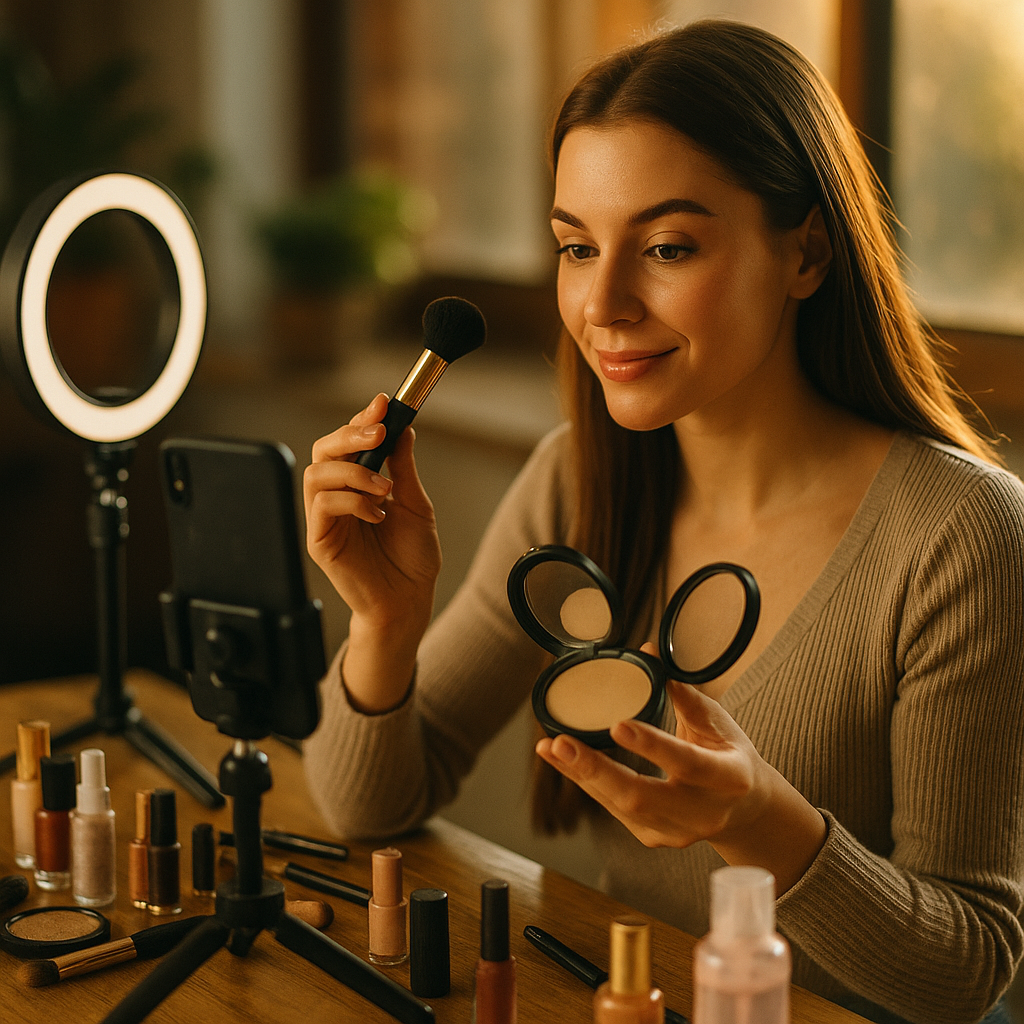
In 2026, marketers are rethinking growth as platforms reward native content over outbound clicks. This case study on zero click social education shows how one beauty brand turned short-form teaching into trust, community, and revenue. Instead of pushing traffic, it answered questions where attention already lived. The result was measurable scale built on relevance. Here’s how they did it.
Zero click social strategy: Why education beat promotion
The brand in this case study was a fast-growing skincare company with strong product reviews, a modest paid media budget, and a common scaling problem: customer acquisition costs were rising while social engagement was flattening. Its team noticed a pattern across Instagram, TikTok, YouTube Shorts, and Pinterest Idea content. Posts that tried to “drive traffic now” underperformed, while posts that explained ingredients, routines, and common skin concerns earned saves, shares, comments, and repeated views.
That insight led to a strategic shift. Instead of asking social channels to act like a website funnel, the brand treated them as learning environments. It committed to zero click social education, meaning the content delivered most of the value inside the post itself. Captions answered likely questions. Videos showed product texture, usage order, and expected timelines. Carousels broke down misconceptions such as whether exfoliating acids and barrier repair products could be used together.
This worked because beauty is a category driven by uncertainty. Buyers want reassurance before they buy. They ask practical questions:
- Is this right for my skin type?
- How long until I see results?
- Can I mix this with my current routine?
- What mistake am I making now?
Educational social content met those needs directly. It reduced friction before the click. By the time users visited the product page, they were not cold prospects. They were informed shoppers with stronger purchase intent.
The brand also aligned its content with EEAT principles. It used licensed estheticians and in-house product educators on camera. It cited ingredient mechanisms in plain language. It avoided exaggerated claims and framed results realistically. That increased credibility and helped the audience trust both the messenger and the message.
Beauty brand growth marketing: The baseline, goals, and audience research
Before changing its strategy, the team audited six months of social and ecommerce data. It found three important truths. First, top-of-funnel traffic from social was inconsistent, but social-assisted conversions were stronger than last-click reporting suggested. Second, the highest-converting customers often consumed multiple pieces of educational content before purchase. Third, recurring questions in comments, DMs, and customer support were extremely repetitive, which meant the brand had a scalable content roadmap hiding in plain sight.
The company defined clear business goals:
- Increase qualified social engagement, especially saves and shares.
- Improve assisted revenue from organic social.
- Lift conversion rate on hero products through pre-purchase education.
- Reduce support tickets tied to routine confusion and product misuse.
- Strengthen retention by teaching customers how to get better outcomes.
Audience research came from four sources: comment mining, direct message analysis, on-site search queries, and post-purchase surveys. The marketing team tagged recurring themes by topic, skin concern, and purchase stage. It learned that beginners needed routine order education, ingredient-curious shoppers wanted concise science, and existing customers needed guidance on consistency and expectation setting.
From there, the brand built content pillars:
- Skin concern explainers: acne, redness, dehydration, sensitivity, uneven tone
- Ingredient education: niacinamide, ceramides, salicylic acid, peptides
- Routine building: morning vs. evening, layering, frequency, patch testing
- Product fit: who should use what and why
- Myth busting: over-exfoliation, “purging” confusion, instant results expectations
This planning mattered because zero click content is not random posting. It is structured demand creation. Each post addresses a specific buying objection or trust barrier. Each platform version keeps the same core lesson but adapts to user behavior. TikTok videos leaned conversational and direct. Instagram carousels worked as swipeable mini-guides. Shorts summarized one clear lesson in under a minute. Pinterest captured evergreen search intent with visual how-tos.
Social education content: The format system that drove saves, shares, and trust
The brand did not scale with a single viral hit. It scaled by building a repeatable educational format system. That system had four core post types.
1. The 30-second answer. These short videos opened with one highly specific question: “Why does my skin sting after exfoliating?” or “Can oily skin still be dehydrated?” The creator gave a concise explanation, one practical action, and one caution. This format worked because it respected short attention spans while still delivering a complete answer.
2. The routine builder carousel. Each slide moved the user through a simple process: concern, goal, product order, frequency, common mistake, realistic expectation. These posts earned saves because they were useful at the sink, not just in the feed.
3. Texture and technique demos. Instead of glossy promotional shots, the brand showed exactly how much product to use, how long to wait between steps, and what “gentle” application looked like. This reduced misuse and improved customer outcomes, which later supported retention and reviews.
4. Expert reaction content. Estheticians responded to audience questions collected from comments and DMs. This created a feedback loop: social education informed the audience, and the audience informed the next batch of content.
Every post was built with the same framework:
- Start with a real customer question
- Give a direct answer in the first few seconds or lines
- Explain the why without jargon
- Show or list one action the viewer can take today
- Set realistic expectations
- Invite a related question rather than forcing a click
That last point was critical. The call to action often looked like “Comment ‘routine’ if you want a version for sensitive skin” or “Tell us what step confuses you most.” This increased relevance signals on-platform and produced more first-party audience insight.
The team also made content more discoverable. It used descriptive on-screen text, keyword-informed captions, and clear topical hooks tied to search behavior. In 2026, social search matters deeply in beauty. Consumers often search platforms directly before opening a browser. The brand optimized for that behavior by making each post answer a search-like question in plain language.
Organic social case study: Distribution, measurement, and revenue impact
Execution discipline separated this program from ordinary content marketing. The team published consistently, but not blindly. It ran a weekly review that connected engagement quality to commerce outcomes. Instead of chasing views alone, it tracked:
- Save rate by content pillar
- Share rate by audience segment
- Comment quality and question depth
- Profile visits after educational posts
- Assisted conversions from social-exposed users
- Product page conversion lift for featured SKUs
- Reduction in support tickets tied to usage confusion
- Repeat purchase rate among viewers of onboarding content
The results were strong because the brand tied content to customer intent. Over two quarters, educational posts generated the highest save and share rates across all organic formats. Product pages linked from bio and shop surfaces converted better after users had been exposed to ingredient and routine education. Support teams reported fewer repetitive “how do I use this?” questions. Meanwhile, creators and community managers had a growing bank of high-intent audience language to turn into new content and product page copy.
One especially effective sequence focused on barrier repair. The team published:
- A short video explaining signs of a damaged skin barrier
- A carousel on what to stop using temporarily
- A demo showing a three-step recovery routine
- A comment-led Q&A with an esthetician
- A soft product integration featuring the brand’s ceramide serum
That sequence outperformed standard product promotion because it taught the audience how to think, not just what to buy. By the time the serum appeared, viewers understood the problem, the mechanism, and the role of the product in the routine.
The team also used light paid amplification, but only after organic content proved useful. That kept creative testing efficient. High-saving educational assets became ad variants for warm audiences, including viewers, engagers, and site visitors. Because the message was already validated, paid performance improved without changing the educational tone.
Skincare content marketing: How EEAT improved credibility and conversion
Beauty buyers are skeptical for good reason. They have seen overpromises, vague ingredient claims, and polished content with little substance. This brand earned trust by applying EEAT in practical ways.
Experience: Content showed real routines, real application, and common mistakes. It reflected lived skincare behavior rather than idealized marketing. The team featured creators with different skin concerns and tones so users could see relevant examples.
Expertise: Licensed professionals reviewed scripts for sensitive topics, ingredient interactions, and claims language. Posts explained mechanisms carefully and clearly. When results varied by skin type or consistency, the content said so.
Authoritativeness: The brand established recurring expert faces and consistent educational series. That repetition matters. Authority is built when a brand becomes a dependable source of answers, not when it posts one technical explainer.
Trustworthiness: It avoided absolutes, disclosed when content was general education rather than medical advice, and redirected serious skin concerns to dermatologists when appropriate. It also connected social claims to transparent product page information, including usage directions and expectation windows.
This approach improved conversion because trust shortens decision time. When people believe a brand is helping them make a better choice, they stop treating every post as an ad. They engage, ask better questions, and buy with fewer doubts.
The internal benefits were just as important. Customer support, product marketing, and social teams became more aligned. Instead of answering the same questions in separate silos, they built shared knowledge assets. That made the content more accurate and the customer journey more consistent.
Zero click marketing results: Lessons other beauty brands can apply
This case study offers a clear lesson: in beauty, education is not a brand extra. It is a growth lever. Zero click social education works when the audience can learn enough inside the platform to move closer to purchase with confidence.
Brands looking to replicate this model should focus on five practices.
- Mine real questions first. Do not guess at content topics. Use comments, DMs, search queries, reviews, and support logs.
- Teach one thing per post. Specificity beats broad advice. “How to layer niacinamide with exfoliants” is stronger than “all about serums.”
- Use qualified voices. Especially in skincare, have experts review claims and appear in content where useful.
- Measure business impact, not vanity alone. Saves, shares, assisted conversions, retention, and support deflection matter.
- Let education lead the sale. Product integration should feel like the natural next step, not the opening move.
There are also common mistakes to avoid. Do not overload posts with jargon. Do not promise timelines you cannot support. Do not hide the answer behind “link in bio.” And do not assume reach equals relevance. A smaller audience that trusts your guidance often delivers better revenue outcomes than a larger audience that scrolls past generic content.
For beauty leaders planning 2026 growth, this model is especially valuable because platform behavior continues to favor native value. Users want answers quickly. Algorithms reward content that keeps attention. And consumers increasingly decide what to buy based on who educated them best before they ever clicked.
FAQs about zero click social education for beauty brands
What is zero click social education?
It is a content strategy where the user gets the main value directly on the social platform instead of needing to click away. In beauty, that often means teaching routines, ingredients, and product use through videos, carousels, captions, and comments.
Why does zero click content work so well for skincare brands?
Skincare buyers have high information needs. They want clarity on fit, order, frequency, and results. Educational content reduces uncertainty before purchase, which improves trust and often increases conversion quality.
Does zero click social hurt website traffic?
Not necessarily. It may reduce low-intent clicks, but it often improves the quality of visits that do happen. Users who click after consuming educational content are typically more informed and more likely to convert.
What metrics should beauty brands track?
Track save rate, share rate, profile visits, comment quality, assisted conversions, product page conversion lift, support ticket reduction, repeat purchase rate, and audience retention on educational videos.
What types of content perform best?
Short question-and-answer videos, routine carousels, ingredient explainers, myth-busting posts, technique demos, and expert-led Q&As tend to perform well because they match real buyer questions.
How often should a beauty brand post educational content?
Consistency matters more than volume. A sustainable weekly cadence built around recurring content pillars usually outperforms erratic bursts. The key is to keep publishing content that answers repeat customer questions.
Should brands use experts in every post?
No, but expert review is wise for claims-heavy topics, sensitive skin concerns, and ingredient interactions. A mix of creator-led education and expert-validated content often works best.
Can zero click social education support paid media too?
Yes. High-performing organic educational posts can be adapted for paid amplification, especially for warm audiences. This often improves efficiency because the message has already been validated through organic engagement.
The beauty brand in this case study scaled by making social genuinely useful. It answered real questions, used credible voices, and measured outcomes beyond clicks. Zero click education did more than grow engagement; it improved conversion quality, customer confidence, and retention. The takeaway is simple: teach first on-platform, and sales become the byproduct of trust earned at scale.