


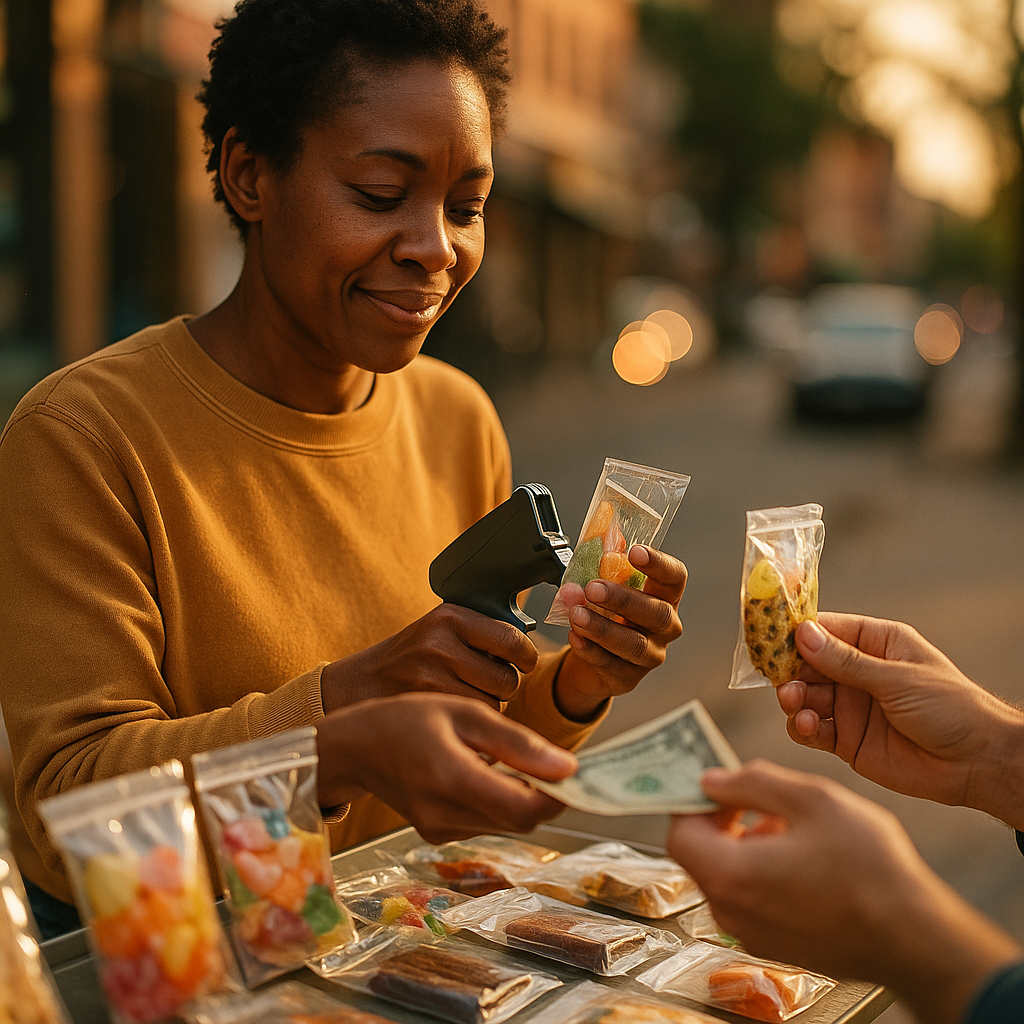
In 2025, shoppers are trimming big-ticket splurges but still rewarding themselves with small pleasures. This shift—often called Treatonomics—is reshaping how brands win attention, loyalty, and margin. The “little treat” isn’t frivolous; it’s a purposeful purchase that fits real budgets and real emotions. So how do you market indulgence without looking out of touch?
Small indulgence consumer trends: why “little treats” keep winning
Treat purchases rise when consumers feel squeezed, tired, or overloaded with decisions. The small indulgence consumer isn’t searching for luxury status; they’re searching for a controlled moment of relief, novelty, or comfort that still feels financially responsible. In 2025, that motivation shows up across categories—snacks, coffee, beauty minis, affordable fragrances, mobile game boosts, streaming add-ons, and even “premium” grocery upgrades.
Several forces make treat behavior durable:
- Budget psychology: When large discretionary purchases feel risky, consumers “downshift” while still preserving some joy. A $6 upgrade feels safer than a $600 purchase.
- Emotional regulation: Small indulgences act as mood management—reward, stress relief, and a sense of control.
- Time scarcity: A treat offers instant gratification when people can’t schedule bigger experiences.
- Social influence: Short-form video and creator culture normalize micro-rewards and make discovery frictionless.
Marketers often ask whether treat behavior is “rational.” The better question is: what is the consumer trying to accomplish? They’re buying a moment—taste, scent, texture, surprise, convenience, identity—and they want it delivered reliably, quickly, and at a price that doesn’t trigger regret. If you can define the moment and remove purchase anxiety, you can compete effectively even in crowded categories.
Affordable luxury marketing: positioning that respects tighter budgets
Affordable luxury marketing works when it is honest about value and intentional about what feels premium. The fastest way to lose trust is to inflate prices and then shout “premium.” The most effective treat brands in 2025 do the opposite: they clarify what makes the product special and why the consumer deserves it now.
Focus your positioning on three pillars:
- Specific craftsmanship or quality cues: Ingredient sourcing, sensory design, performance claims, or durability—explained plainly.
- Clear “why it’s worth it” math: Cost-per-use, portioning, refill systems, or multi-benefit formulas.
- Permission to indulge: Messaging that reframes the purchase as a smart, small reset—not reckless spending.
In practice, this means swapping vague language (“elevated,” “luxury-inspired”) for concrete proof (“roasted in small batches,” “clinically tested,” “double-filtered,” “hand-finished,” “shade-matched in 30 seconds”). It also means acknowledging the consumer’s reality. A line like “a small upgrade that fits your week” can outperform aspirational copy when budgets are tight.
Common follow-up question: Should we compete on price? Compete on risk reduction first—then price. If the shopper believes the treat will deliver, they’ll pay a modest premium. If they fear disappointment, even a discount can’t save conversion.
Impulse purchase strategy: designing the path to “yes” in seconds
Treat purchases are often semi-impulsive: the consumer may not plan the exact item, but they’re open to the idea. Your impulse purchase strategy should reduce friction and make the reward feel immediate.
Build for speed across the journey:
- Instant comprehension: Packaging and product pages should answer “What is it?” “What does it do?” “How will it feel?” in under 5 seconds.
- Low-commitment entry points: Minis, single-serve packs, trial sizes, travel formats, discovery kits, and “starter” bundles.
- Smart merchandising moments: Checkout zones, endcaps, app add-ons at cart, “complete your routine” prompts, and post-purchase one-click offers.
- Confidence signals: Review highlights, creator demos, clear returns, and quality guarantees that don’t require fine-print decoding.
Digital teams should map the “micro-yes” moments: thumbnail, headline, first image, price reveal, shipping info, and reviews. In 2025, shipping speed and clarity can make or break treat conversion. If delivery takes too long or costs too much relative to the treat price, the impulse fades. Options that work well include free shipping thresholds paired with small add-ons, local pickup, and subscription “treat drops” that bundle discovery with convenience.
Another follow-up question: Do promotions cheapen the brand? Not if the promotion matches the treat mindset. Use offers that feel like a reward: limited-time flavors, bonus minis, gifts-with-purchase, or loyalty “treat credits.” Avoid constant price slashing, which trains shoppers to wait and signals low confidence in the product.
Emotional value proposition: selling the moment, not just the product
Treatonomics is fundamentally emotional, but strong brands avoid manipulative tactics. Your emotional value proposition should be grounded in real consumer outcomes and communicated with empathy.
Start by defining the “treat job” your product performs. Common treat jobs include:
- Reset: a brief mental break (tea ritual, skincare mini routine, a calming scent).
- Reward: celebrating effort (Friday dessert, post-workout upgrade, game perk).
- Comfort: familiar flavors or textures that reduce stress.
- Identity: a small signal of taste (a niche fragrance sample, a premium notebook).
- Discovery: novelty and surprise (limited editions, seasonal drops).
Then translate that job into sensory and behavioral proof. If your treat is a “reset,” show how fast it fits: “two minutes,” “one cup,” “one step.” If it’s “discovery,” show variety and a clear reason to try now. If it’s “identity,” show design and creator validation without overhyping.
Trust matters. In 2025, consumers are quick to question inflated claims, especially in wellness-adjacent categories. Use responsible language, cite testing when you have it, and avoid turning everyday treats into medical promises. If you work with creators, insist on accurate demonstrations and clear disclosures. That’s not only compliance—it’s credibility.
Customer loyalty in a tight economy: turning treats into habits
Treat purchases can be frequent, which makes them powerful for retention—if you build a loyalty engine that feels generous, simple, and personal. Customer loyalty in a tight economy comes from consistent delivery: the treat should taste, perform, or feel the same every time, and the brand should remove small annoyances that trigger churn.
Practical retention levers that fit treat behavior:
- Points that convert quickly: If rewards take months, they don’t feel like treats. Offer small, frequent redemptions.
- Tier benefits that reduce effort: free shipping, early access to drops, faster checkout, preferred support.
- Personalized replenishment: reminders based on usage cycles, not spam calendars.
- Ritual-building content: short videos and guides that make the product part of a routine (morning reset, 3-minute glow, desk snack pairing).
- Community without pressure: polls for new flavors, limited beta tests, and transparent feedback loops.
Marketers often ask: What if our product isn’t consumable? You can still create treat frequency through accessories, refills, seasonal designs, and curated bundles. The key is to make repeat purchases feel like “small upgrades” rather than replacements.
Use measurement that matches the model: repeat rate by cohort, time-to-second-purchase, add-on attach rate, and margin after promotions. Treatonomics can look like “small orders,” but it often produces strong lifetime value when the brand nails ritual and replenishment.
EEAT content strategy: building trust with proof, transparency, and expertise
To compete in treat-driven categories, your content must do more than entertain. Google’s EEAT expectations in 2025 reward content that demonstrates real experience, clear expertise, and trustworthy sourcing—especially when you make performance or wellness-adjacent claims.
Apply EEAT through operational choices, not buzzwords:
- Show real experience: Use first-hand demos, preparation steps, wear tests, taste notes, and side-by-side comparisons that a shopper can verify.
- Clarify authorship and review: Have knowledgeable contributors (e.g., baristas, formulators, chefs, product designers) review key pages and explain what they looked for.
- Be precise with claims: Separate sensory promises (“creamy,” “long-lasting scent”) from measurable ones (“SPF rating,” “clinically tested”) and provide the basis.
- Make policies easy to find: Shipping, returns, subscriptions, allergens, and ingredients should be straightforward and readable.
- Use trustworthy social proof: Highlight verified reviews, include critical feedback themes, and explain improvements when you change a formula or packaging.
EEAT also improves conversion. When shoppers are buying “just a little treat,” they don’t want to waste money. Your job is to remove doubt: what it is, how it works, who it’s for, and what happens if it disappoints. A transparent brand can charge more than a vague one because it reduces the fear of regret.
FAQs
What is treatonomics in marketing?
Treatonomics describes the rise of small, affordable indulgences as consumers reduce larger discretionary spending. In marketing, it means designing products, pricing, and messaging around quick, emotionally satisfying “micro-rewards” that feel budget-safe and easy to justify.
Which categories benefit most from the small indulgence consumer?
Food and beverage (snacks, specialty coffee), beauty and personal care (minis, masks, fragrance samples), affordable home upgrades (candles, decor accents), digital add-ons (subscriptions, game boosts), and seasonal limited editions often perform well because they deliver fast sensory or emotional payoff.
How do I price a “little treat” without racing to the bottom?
Price for confidence, not just affordability. Offer an accessible entry point (mini, single-serve, starter kit) while protecting margin through bundles, refills, or premium variants. Support the price with specific value proof and a low-friction guarantee.
What messaging converts best for treat purchases in 2025?
Concrete, sensory, and time-aware messaging performs well: what it does, how fast it fits, and how it will feel. Avoid vague luxury language. Give the shopper permission with practical framing, such as “a small upgrade that fits your week.”
How can brands use creators without damaging trust?
Prioritize accurate demonstrations, clear disclosures, and creator-fit over follower count. Provide claim guidance, require honest pros/cons, and use creators to show real usage moments—unboxing alone is rarely enough for sustained trust.
What KPIs matter most for treatonomics?
Track repeat purchase rate, time to second purchase, cohort retention, add-on attach rate, conversion by shipping speed/cost, and margin after promotions. Treatonomics wins when small orders turn into consistent habits.
In 2025, treat-led spending is less about escapism and more about control, comfort, and small moments that feel earned. Brands that win treatonomics make indulgence easy to understand, easy to justify, and reliable every time. Build trust with proof, reduce friction from discovery to delivery, and reward repeat behavior quickly. The takeaway: market the moment, then deliver it.