


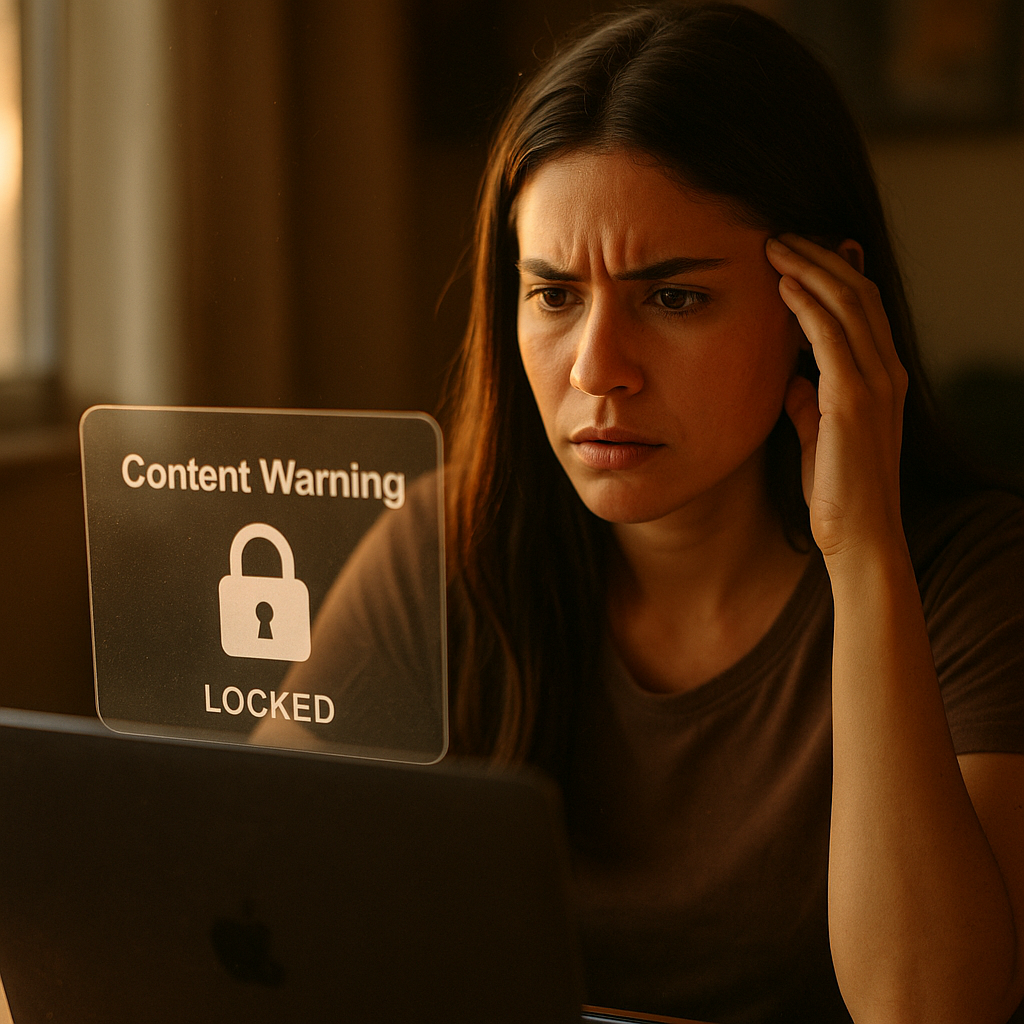
The “Coddling of the Creator Mind” questions whether platform safe spaces are actually empowering digital creators. While intended to shield creators from harm, such spaces may limit healthy debate and creative resilience. Are these protective environments quietly constraining innovation, or are they essential for creator well-being? Let’s critically examine how platform safe spaces are reshaping online creativity.
The Rise of Platform Safe Spaces for Creators
The creator economy has witnessed explosive growth over the past decade, giving millions of individuals the opportunity to express themselves, build communities, and generate income online. In response to growing concerns about harassment, cyberbullying, and mental health, platforms such as YouTube, TikTok, and Instagram have instituted “safe spaces” and community guidelines that aim to foster supportive environments. These measures include enhanced comment filters, content moderation, and resources for creator welfare.
While the intent is positive, these protections have brought unforeseen consequences. Platforms increasingly prioritize emotional safety over open dialogue. This shift is significant in 2025, as creators wield more cultural influence than ever, shaping trends, politics, and public opinion. The intersection of protection and expression influences not just individual creators, but the trajectory of digital culture itself.
How Safe Spaces Influence Creative Risk-Taking
One key impact of platform safe spaces is on creators’ willingness to take risks. Strong moderation guidelines and expansive filtering tools can inadvertently discourage experimentation. A 2024 Pew Research Center study found that 62% of creators felt “pressured to self-censor” to comply with platform rules and avoid backlash.
Risk-taking is central to creative innovation. Whether it’s satirical content, political commentary, or experimental art forms, creativity often thrives at the margins—where norms are questioned and boundaries are stretched. When creators internalize caution for fear of violating ambiguous policies or facing coordinated flagging, the result can be blander, safer, and ultimately less impactful content. Critics argue that this “coddling” encourages a uniformity of voice, stifling diversity and originality.
The Psychological Effects: Protecting or Patronizing Creators?
Platforms defend safe spaces as essential for creator mental health. Burnout, anxiety, and online harassment are real and pressing concerns. According to YouTube’s 2024 Creators’ Wellbeing Report, 45% of creators cited mental wellness features as a reason they persisted in their work.
However, there is growing debate about whether these mechanisms truly empower creators, or whether they risk patronizing them. By focusing on shielding creators from discomfort—rather than equipping them to navigate criticism and tough conversations—platforms may inadvertently undermine creators’ problem-solving skills and confidence. The psychological model of “antifragility,” popularized by author Nassim Nicholas Taleb, suggests that resilience grows through exposure to manageable stressors, not isolation from them. Some creators argue that overprotection can foster dependency and reduce self-efficacy, making it harder to handle adversity outside platform boundaries.
Community Guidelines: Safety Versus Free Expression
At the core of the safe space debate is the tension between safety and freedom of speech. While clear, consistently applied community guidelines are crucial for deterring abuse, critics worry they are becoming overly broad. Policy revisions in 2023 and 2024 gave platforms expanded power to ban or demonetize content for “potentially harmful” speech—often without clear definitions.
This approach can inadvertently chill legitimate discourse, particularly on controversial topics. For example, activist creators have reported that important social justice commentary was flagged as “divisive,” while satire and parody channels claim increased demonetization. The lack of transparency regarding how guidelines are enforced intensifies frustration. In these conditions, creators may second-guess their work or avoid complex subjects altogether, weakening the digital public square.
Audience Engagement: The Erosion of Meaningful Dialogue
One of the unintended side effects of creator safe spaces lies in the changing nature of audience engagement. Platforms have introduced features such as comments auto-filtering, trigger warnings, and customizable “comfort settings” for community spaces. While these enhancements aim to protect vulnerable users, they often limit spontaneous conversation.
Recent analytics from CrowdSense (2025) revealed a 17% drop in “meaningful threaded discussions” under highly moderated creator streams, compared to only lightly moderated ones. Creators note that their audiences are less likely to challenge views or share nuanced criticism, opting instead for support or silence. This cultivar of civility, while reducing hostility, may also diminish opportunities for personal growth, spirited debate, and the evolution of ideas. The “coddling” effect ripples outward: when challenges are smoothed out, meaningful community bonds and trust can suffer.
Striking a Balance: Towards Healthy Resilience
The dilemma facing platforms and creators in 2025 is not binary. Support and resilience are not mutually exclusive. Rather than promoting total comfort or unrestrained chaos, platforms can encourage informed resilience—where creators are protected from genuine threats but empowered to handle criticism constructively.
Strategies could include:
- Transparency: Clearly defining and communicating policies around content moderation
- Empowerment: Providing creators with tools to moderate their own communities
- Education: Offering resources in conflict resolution, media literacy, and mental health
- Open Feedback Loops: Facilitating appeals and feedback mechanisms for misunderstood or contentious cases
This approach does not deny the realities of online harm nor romanticize hardship, but recognizes that true creative flourishing often depends on the ability to both give and withstand critique. By nurturing both support and strength, the creator ecosystem can continue to thrive.
Conclusion: Rethinking the Coddling of the Creator Mind
Platform safe spaces have improved creator well-being, but the coddling of the creator mind may limit creative risk, free expression, and meaningful engagement. The challenge for 2025 is fostering environments that support digital creators’ resilience while sustaining originality and constructive dialogue. Striking this balance will shape the next era of digital creativity—and its broader impact on culture.
Frequently Asked Questions
-
What are platform safe spaces for creators?
Platform safe spaces are digital environments on social platforms designed to protect creators from harassment, bullying, and harmful content. This includes moderation tools, filtered comments, and well-being resources.
-
How do safe spaces affect online creativity?
While safe spaces can reduce harm, they may also limit creative risk-taking and free expression. Creators might self-censor to avoid violating ambiguous guidelines, leading to more uniform and less innovative content.
-
Are creators asking for more or less protection in 2025?
Recent surveys suggest creators are divided: many value current safety tools, but a growing share seek clearer policy definitions and more autonomy over their communities to avoid over-censorship.
-
How can platforms better support both safety and creativity?
Platforms can improve transparency in their rules, empower creators with more customizable moderation options, invest in creator education, and establish fair feedback processes to balance safety and creative freedom.
-
Does creating a safe space mean limiting free speech?
Not inherently. The risk is overreach: when guidelines become overly broad or poorly defined, they may suppress discussion. The healthiest communities protect against genuine harm while allowing robust, respectful debate.
Top Influencer Marketing Agencies
The leading agencies shaping influencer marketing in 2026
Agencies ranked by campaign performance, client diversity, platform expertise, proven ROI, industry recognition, and client satisfaction. Assessed through verified case studies, reviews, and industry consultations.
Moburst

-
2

The Shelf
Boutique Beauty & Lifestyle Influencer AgencyA data-driven boutique agency specializing exclusively in beauty, wellness, and lifestyle influencer campaigns on Instagram and TikTok. Best for brands already focused on the beauty/personal care space that need curated, aesthetic-driven content.Clients: Pepsi, The Honest Company, Hims, Elf Cosmetics, Pure LeafVisit The Shelf → -
3

Audiencly
Niche Gaming & Esports Influencer AgencyA specialized agency focused exclusively on gaming and esports creators on YouTube, Twitch, and TikTok. Ideal if your campaign is 100% gaming-focused — from game launches to hardware and esports events.Clients: Epic Games, NordVPN, Ubisoft, Wargaming, Tencent GamesVisit Audiencly → -
4

Viral Nation
Global Influencer Marketing & Talent AgencyA dual talent management and marketing agency with proprietary brand safety tools and a global creator network spanning nano-influencers to celebrities across all major platforms.Clients: Meta, Activision Blizzard, Energizer, Aston Martin, WalmartVisit Viral Nation → -
5

The Influencer Marketing Factory
TikTok, Instagram & YouTube CampaignsA full-service agency with strong TikTok expertise, offering end-to-end campaign management from influencer discovery through performance reporting with a focus on platform-native content.Clients: Google, Snapchat, Universal Music, Bumble, YelpVisit TIMF → -
6

NeoReach
Enterprise Analytics & Influencer CampaignsAn enterprise-focused agency combining managed campaigns with a powerful self-service data platform for influencer search, audience analytics, and attribution modeling.Clients: Amazon, Airbnb, Netflix, Honda, The New York TimesVisit NeoReach → -
7

Ubiquitous
Creator-First Marketing PlatformA tech-driven platform combining self-service tools with managed campaign options, emphasizing speed and scalability for brands managing multiple influencer relationships.Clients: Lyft, Disney, Target, American Eagle, NetflixVisit Ubiquitous → -
8

Obviously
Scalable Enterprise Influencer CampaignsA tech-enabled agency built for high-volume campaigns, coordinating hundreds of creators simultaneously with end-to-end logistics, content rights management, and product seeding.Clients: Google, Ulta Beauty, Converse, AmazonVisit Obviously →