


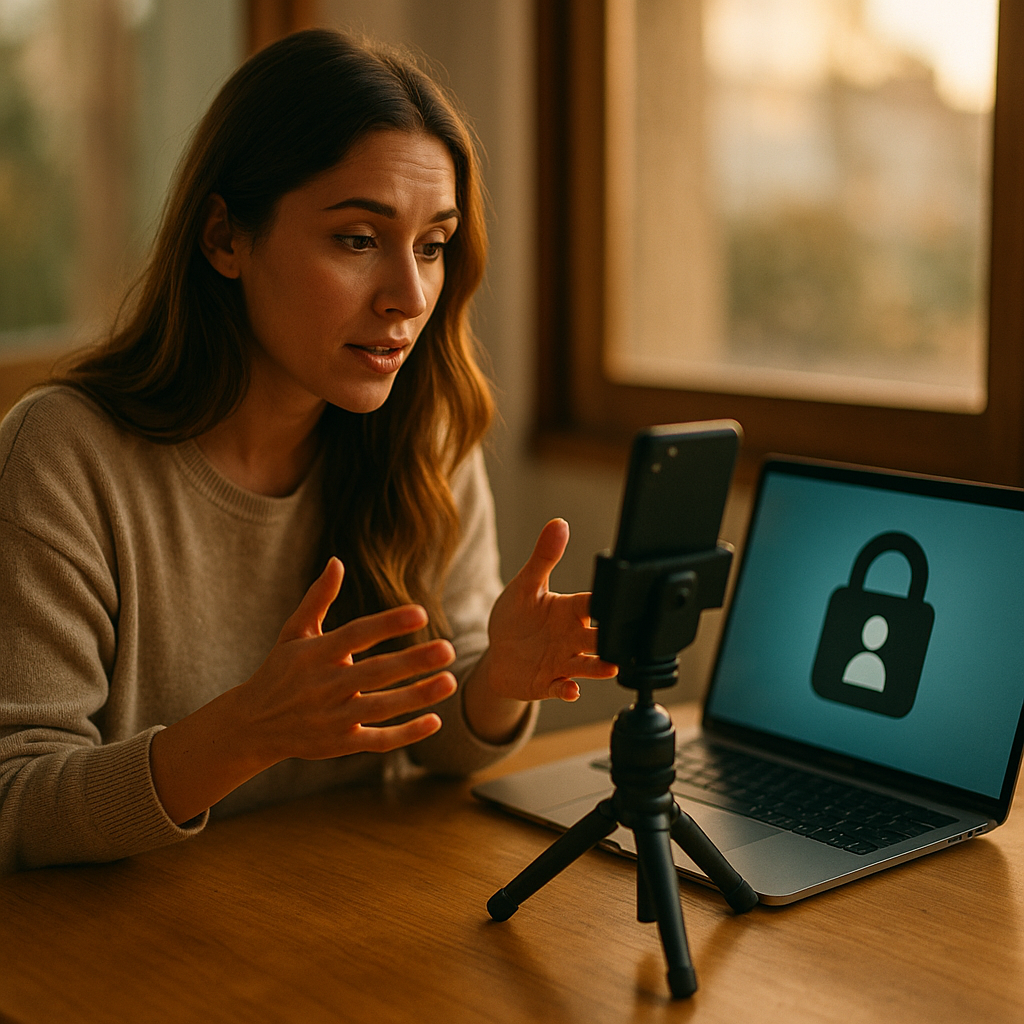
The impact of data privacy changes on influencer marketing is reshaping how brands connect with audiences in 2025. As regulatory frameworks tighten and platforms restrict access to personal data, influencer marketing strategies face new challenges and opportunities. Understanding these shifts is vital for brands and creators eager to thrive in the evolving digital landscape—read on to discover what’s changing and how to adapt.
Data Privacy Regulations Reshaping Influencer Audience Targeting
With the enforcement of stringent data privacy laws such as the GDPR, CCPA, and new global standards, platforms are collecting less personal data and offering fewer targeting options. As a result, marketers must rethink how they identify and reach their ideal audiences through influencer partnerships. Previously, advanced social media targeting relied heavily on granular user data like browsing behavior, geo-location, and purchase intent. In 2025, this information is often inaccessible or available only in anonymized, aggregated forms.
This shift requires brands and agencies to focus on broader audience segments and contextual targeting. Influencer vetting processes now emphasize organic fit and alignment over micro-targeted reach. First-party data, willingly shared by users with brands and influencers, is increasingly prized. Marketers must establish clear consent for any data collection—transparency and compliance are now strategic advantages, not just legal obligations.
Influencer Content Strategy Amid Privacy-First Social Platforms
Leading social platforms such as Instagram and TikTok have responded to regulatory pressure by limiting the data they share with brands and creators. Detailed analytics once available to creators—think demographic breakdowns beyond age and gender—have been restricted. Sponsored content is subject to tighter disclosure guidelines, and algorithms favor posts that demonstrate authentic engagement over vanity metrics.
Influencer content strategies in 2025 reflect these changes. Successful creators invest in transparency, audience education, and engagement-driven campaigns. Brands collaborate with influencers who can foster genuine conversations and trust, encouraging users to voluntarily share feedback and insights. Interactive features—like Q&As, live streams, and polls—enable privacy-compliant data gathering while building stronger communities. This approach also aligns with the growing demand for authenticity and credibility, further enhancing campaign effectiveness under stricter privacy settings.
Measuring ROI: Adapting to Limited Data and New Metrics
As access to granular tracking data diminishes, influencer marketing measurement is evolving. Traditional KPIs—such as conversion tracking through pixel data or third-party cookies—are less reliable or outright unavailable. Brands now look to alternative methods to assess campaign performance:
- Promo Codes & Affiliate Links: Custom codes and links help attribute sales directly to influencer efforts, even when user-level tracking is constrained.
- Brand Lift Studies: Surveys and pre/post-campaign assessments offer insights on shifts in brand awareness, sentiment, and recall.
- Social Listening: Advanced social listening tools monitor relevant conversations and sentiment around campaigns—without requiring personal identifiers.
- Community Growth: Brands measure success by audience growth, engagement rate, and the quality of user-generated content spurred by influencer campaigns.
This metrics shift rewards long-term relationship building and community engagement over short-term conversion spikes. It also highlights the importance of qualitative analysis and holistic data sources in reporting influencer ROI.
Consumer Trust, Transparency, and the Creator Economy
Consumers in 2025 are more privacy-conscious than ever. Deloitte’s 2024 “Global Consumer Trust” study revealed 74% of digital consumers are more likely to engage with brands and creators whose data policies they understand and trust. As a result, influencers who prioritize audience trust—by being upfront about how they handle followers’ data—are thriving.
Transparency goes beyond legal compliance. Influencers are adopting privacy-first best practices:
- Disclosing sponsorships and data-collection plainly in posts and stories
- Giving audiences a say in what data is used, and how
- Inviting feedback on privacy preferences via interactive features
This two-way communication strengthens the creator-audience bond, leading to higher engagement and brand advocacy. Brands that empower influencers to champion privacy and transparency build more resilient, loyal communities—and achieve better marketing outcomes in the privacy-first era.
Strategic Opportunities: First-Party Data and Collaborative Campaigns
With third-party data diminishing in value, first-party data—collected directly from consenting users—becomes a critical asset. Brands and influencers are now collaborating to co-create unique value for their audiences, asking for data in exchange for exclusive access, personalized offers, or community benefits.
Examples of effective strategies include:
- Private Communities: Inviting followers to exclusive Discord or WhatsApp groups, where they voluntarily opt-in for deeper engagement and updates.
- Email List Growth: Running giveaways or content series that require an email signup—a direct channel for nurturing relationships in a privacy-compliant way.
- Value-Driven Data Exchange: Offering access to premium downloads, event invites, or tailored recommendations in exchange for consented data.
Collaboration between brands, influencers, and audiences fosters trust and unlocks sustainable long-term marketing strategies. By centering campaigns on value exchange and transparency, all parties benefit.
Navigating the Future: Compliance and Innovation in Influencer Marketing
Looking forward, successful influencer marketing in 2025 depends on staying ahead of evolving privacy requirements while innovating engagement techniques. Ongoing education—both for influencers and brands—on data privacy law and platform rules is essential. Investing in privacy-compliant technology, such as clean rooms or advanced analytics platforms, enables deeper insights that do not compromise individual identities.
Future-proofed campaigns will:
- Leverage privacy-safe technology for aggregate analysis
- Emphasize value-driven, opt-in user experiences
- Empower influencers as advocates for transparent, ethical marketing
Both brands and creators must actively participate in building a privacy-respecting digital culture to foster real connection and sustainable growth.
Conclusion: Turning Privacy Challenges into Influencer Marketing Success
In 2025, the impact of data privacy changes on influencer marketing is clear: strategies must prioritize trust, transparency, and value-driven engagement. Brands and creators that embrace privacy-first thinking—and adapt their tactics to comply and connect—will outpace competitors. By transforming challenges into opportunities, influencer marketing remains a powerful, resilient force in the digital economy.
Frequently Asked Questions
-
How have data privacy laws changed influencer marketing in 2025?
Data privacy laws have restricted access to granular audience data, changing how marketers target, measure, and engage with audiences. Brands now focus on compliant, consent-based strategies, emphasizing first-party data and authentic engagement through influencers.
-
What are the best ways to measure influencer marketing ROI under new privacy rules?
Marketers use promo codes, affiliate links, brand lift studies, social listening, and audience growth as alternative metrics. These approaches provide reliable, privacy-compliant insights without invasive user tracking.
-
How can influencers maintain trust while collecting data?
Influencers maintain trust by transparently disclosing data practices, asking for informed consent, and offering clear value in exchange for information. Engaging audiences in privacy conversations also strengthens loyalty and compliance.
-
What opportunities has privacy reform created for influencer marketing?
Greater emphasis on first-party data has led to collaborative, community-driven campaigns. By nurturing private groups and direct sign-ups, brands and influencers build strong, data-compliant relationships and unlock new growth channels.
-
What should brands do to ensure influencer campaigns are privacy-compliant?
Brands should educate themselves and their influencer partners on changing laws and platform rules, use privacy-compliant measurement tools, and prioritize transparent, opt-in engagement strategies at every campaign stage.
Top Influencer Marketing Agencies
The leading agencies shaping influencer marketing in 2026
Agencies ranked by campaign performance, client diversity, platform expertise, proven ROI, industry recognition, and client satisfaction. Assessed through verified case studies, reviews, and industry consultations.
Moburst

-
2

The Shelf
Boutique Beauty & Lifestyle Influencer AgencyA data-driven boutique agency specializing exclusively in beauty, wellness, and lifestyle influencer campaigns on Instagram and TikTok. Best for brands already focused on the beauty/personal care space that need curated, aesthetic-driven content.Clients: Pepsi, The Honest Company, Hims, Elf Cosmetics, Pure LeafVisit The Shelf → -
3

Audiencly
Niche Gaming & Esports Influencer AgencyA specialized agency focused exclusively on gaming and esports creators on YouTube, Twitch, and TikTok. Ideal if your campaign is 100% gaming-focused — from game launches to hardware and esports events.Clients: Epic Games, NordVPN, Ubisoft, Wargaming, Tencent GamesVisit Audiencly → -
4

Viral Nation
Global Influencer Marketing & Talent AgencyA dual talent management and marketing agency with proprietary brand safety tools and a global creator network spanning nano-influencers to celebrities across all major platforms.Clients: Meta, Activision Blizzard, Energizer, Aston Martin, WalmartVisit Viral Nation → -
5

The Influencer Marketing Factory
TikTok, Instagram & YouTube CampaignsA full-service agency with strong TikTok expertise, offering end-to-end campaign management from influencer discovery through performance reporting with a focus on platform-native content.Clients: Google, Snapchat, Universal Music, Bumble, YelpVisit TIMF → -
6

NeoReach
Enterprise Analytics & Influencer CampaignsAn enterprise-focused agency combining managed campaigns with a powerful self-service data platform for influencer search, audience analytics, and attribution modeling.Clients: Amazon, Airbnb, Netflix, Honda, The New York TimesVisit NeoReach → -
7

Ubiquitous
Creator-First Marketing PlatformA tech-driven platform combining self-service tools with managed campaign options, emphasizing speed and scalability for brands managing multiple influencer relationships.Clients: Lyft, Disney, Target, American Eagle, NetflixVisit Ubiquitous → -
8

Obviously
Scalable Enterprise Influencer CampaignsA tech-enabled agency built for high-volume campaigns, coordinating hundreds of creators simultaneously with end-to-end logistics, content rights management, and product seeding.Clients: Google, Ulta Beauty, Converse, AmazonVisit Obviously →