


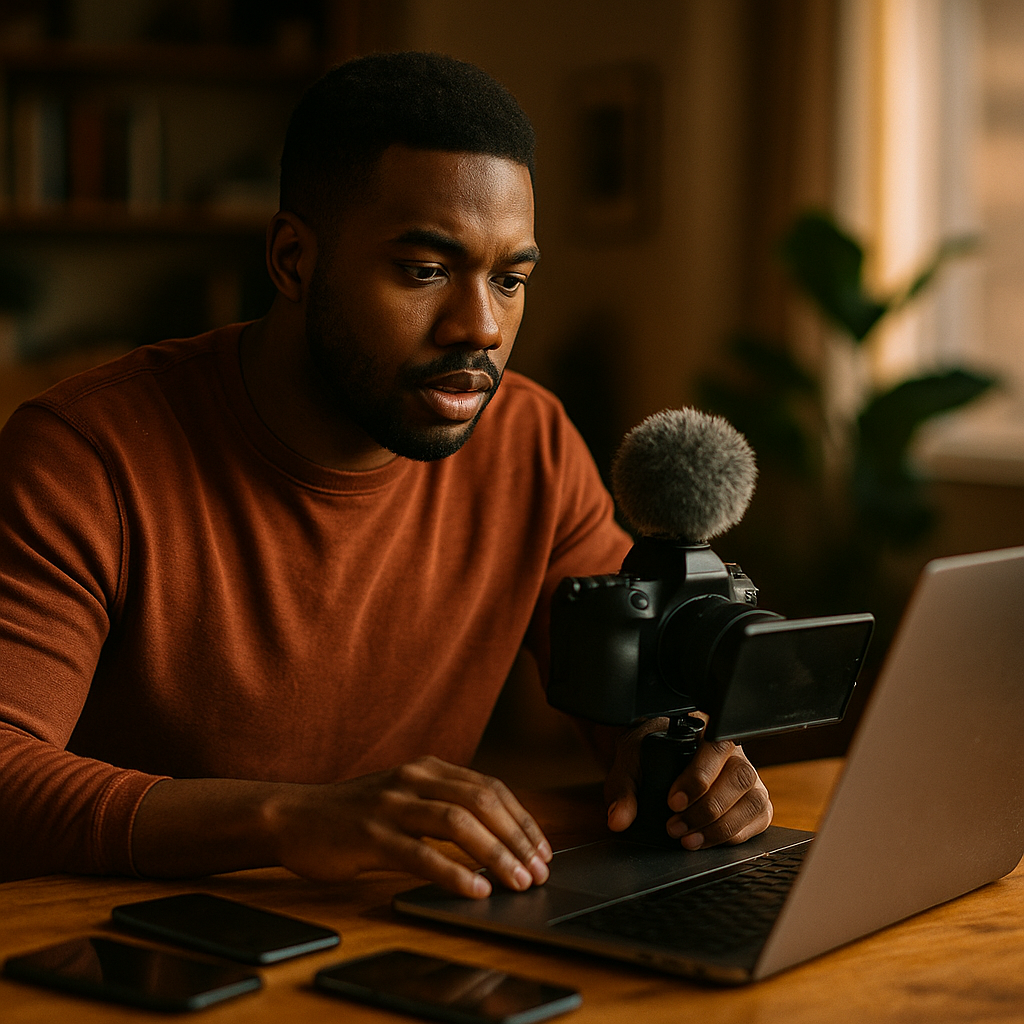
The post-social creator is transforming the influencer landscape in 2025, as more digital leaders abandon mainstream platforms like Instagram and TikTok for new digital frontiers. Why are these creators leaving the massive audiences and familiar algorithms behind? The answers signal a new era of authenticity and creativity—one that could redefine what influence means for millions online.
The Rise of Post-Social Creators: What Driving Influencers Off Mainstream Platforms?
Creators—once the heart of mainstream social networks—are finding themselves stifled by platform policies, algorithm changes, and monetization struggles. According to the Digital Creator Economy Report 2025, over 30% of mid-tier influencers have considered shifting away from traditional platforms in the past year alone. The primary motivators include:
- Decreased organic reach: Algorithms now favor paid content, leaving organic creators struggling to be seen.
- Monetization barriers: Ad revenue declines and vague partnership policies make sustainable incomes elusive.
- Burnout: Constant content demands and platform volatility impact creator well-being.
- Desire for creative control: Mainstream platforms often restrict content choices and direct interaction with fans.
This post-social trend isn’t a reactionary exit but a strategic movement towards more meaningful digital communities and sustainable content ecosystems.
Alternative Platforms: Where Are Post-Social Creators Going?
While some influencers are decreasing their online presence altogether, many are migrating to alternative platforms offering greater autonomy and engagement. The most popular destinations in 2025 include:
- Private communities: Platforms like Circle and Geneva empower creators with direct community-building tools, paid memberships, and content freedom.
- Decentralized networks: Service like Mastodon and emerging Web3 communities provide creators with ownership and transparent monetization through blockchain-based models.
- Newsletters and podcasts: Substack, Ghost, and custom podcast channels offer creators direct audience relationships and predictable recurring revenue.
- Fan-supported ecosystems: Patreon and Ko-fi remain stalwarts for creators who prioritize independence and fan interaction.
Each alternative addresses specific pain points creators faced on mainstream social networks, offering flexibility, privacy, and deeper community ties.
Monetization in the Post-Social Era: Sustaining Influencer Careers Off Mainstream Social
Monetization has long been a sticking point for influencers. In 2025, post-social creators are building more resilient income streams by leveraging:
- Membership models: Paid newsletters, subscription content, and closed communities allow creators to earn consistent revenue while rewarding their most loyal audiences.
- Digital products and courses: Many creators offer exclusive workshops, eBooks, templates, or online courses through independent platforms, bypassing traditional sponsorship deals.
- Brand partnerships: With more targeted, niche audiences, post-social creators command higher-value, long-term collaborations with brands aligned with their values.
- Fan support and tipping: Decentralized micro-payments and blockchain tokens give fans unprecedented ways to directly support their favorite voices.
According to a 2025 survey by Creator Economy Insights, 62% of post-social creators reported higher satisfaction with their revenue models compared to those still dependent on traditional social networks.
Challenges and Benefits: How Influencer Life Changes Beyond Mainstream Platforms
Transitioning from massive mainstream networks brings both opportunities and hurdles for post-social creators. The main challenges include:
- Audience migration: Convincing followers to join a new platform or pay for content isn’t always easy.
- Reduced discoverability: Up-and-coming creators may struggle with growth without algorithmic boosts.
- Platform volatility: New and decentralized platforms can face tech glitches, smaller audiences, or business instability.
However, the benefits are reshaping the creator experience:
- Creative freedom: Freed from restrictive algorithms, creators experiment more with content and formats.
- Tighter communities: Smaller, more engaged audiences foster genuine relationships and feedback.
- Data ownership: Creators gain more control over their audience data, messaging, and analytics.
- Well-being: Reduced pressure to go viral around the clock leads to lower burnout rates and better mental health.
Ultimately, these shifts help creators develop durable, satisfying careers built on genuine value exchange with their audiences.
Impact on Brands, Audiences, and Social Media at Large
The post-social creator movement has ripple effects beyond the influencers themselves. For brands, it changes the nature of partnership marketing. Brands are focusing less on reach and more on alignment, seeking out creators whose values echo their own and whose niche communities deliver engaged, trusting audiences.
Audiences benefit from more personalized, relevant content. These smaller communities often engage more deeply, with participation replacing passive scrolling.
Meanwhile, mainstream social platforms are forced to innovate or adapt. They’re investing in new creator tools, transparency around algorithms, and better monetization routes. Yet, the fragmentation is likely to continue, with audiences and creators both pursuing richer, less commoditized online experiences.
The Future of Influence: What Does a Post-Social World Look Like?
By 2025, the post-social creator symbolizes a transformation in how we define influence online. Instead of a handful of mega-celebrities commanding mass attention, influence becomes distributed—across micro-communities, personal touchpoints, and direct value exchanges.
New standards of trust and authenticity are taking hold, where creators prioritize serving their communities over pleasing arbitrary algorithms. For professionals in content creation and marketing, keeping pace with these changes isn’t optional—it’s essential for relevance and sustainability in the digital arena ahead.
FAQs About Post-Social Creators and Leaving Mainstream Platforms
-
Why are influencers leaving mainstream social media platforms?
Influencers are leaving due to declining organic reach, challenging monetization, content burnout, and a desire for more creative control and community engagement. -
What are alternative platforms for creators in 2025?
Popular alternatives include membership and community platforms like Patreon and Circle, decentralized networks such as Mastodon, and direct audience tools like Substack for newsletters and podcasts. -
How can creators make money outside mainstream social platforms?
Post-social creators earn revenue through paid memberships, digital products and courses, brand partnerships, and direct fan support, including tips or micro-payments. -
Is it risky for influencers to leave big platforms?
While audience migration can be challenging and discoverability may be limited on smaller platforms, many creators report increased satisfaction and stability once they control their audience and monetization. -
What does the future look like for social media influencers?
The future is more decentralized and community-driven, with niche audiences and multiple revenue streams replacing the mass-broadcast, algorithm-led model of the past.
The post-social creator movement is changing digital influence and opportunity in 2025. By leaving mainstream platforms, creators are building tighter communities, innovative income streams, and healthier relationships with their audiences. For brands, creatives, and fans alike, the future belongs to those who value authenticity, direct engagement, and sustainable digital ecosystems.
Top Influencer Marketing Agencies
The leading agencies shaping influencer marketing in 2026
Agencies ranked by campaign performance, client diversity, platform expertise, proven ROI, industry recognition, and client satisfaction. Assessed through verified case studies, reviews, and industry consultations.
Moburst

-
2

The Shelf
Boutique Beauty & Lifestyle Influencer AgencyA data-driven boutique agency specializing exclusively in beauty, wellness, and lifestyle influencer campaigns on Instagram and TikTok. Best for brands already focused on the beauty/personal care space that need curated, aesthetic-driven content.Clients: Pepsi, The Honest Company, Hims, Elf Cosmetics, Pure LeafVisit The Shelf → -
3

Audiencly
Niche Gaming & Esports Influencer AgencyA specialized agency focused exclusively on gaming and esports creators on YouTube, Twitch, and TikTok. Ideal if your campaign is 100% gaming-focused — from game launches to hardware and esports events.Clients: Epic Games, NordVPN, Ubisoft, Wargaming, Tencent GamesVisit Audiencly → -
4

Viral Nation
Global Influencer Marketing & Talent AgencyA dual talent management and marketing agency with proprietary brand safety tools and a global creator network spanning nano-influencers to celebrities across all major platforms.Clients: Meta, Activision Blizzard, Energizer, Aston Martin, WalmartVisit Viral Nation → -
5

The Influencer Marketing Factory
TikTok, Instagram & YouTube CampaignsA full-service agency with strong TikTok expertise, offering end-to-end campaign management from influencer discovery through performance reporting with a focus on platform-native content.Clients: Google, Snapchat, Universal Music, Bumble, YelpVisit TIMF → -
6

NeoReach
Enterprise Analytics & Influencer CampaignsAn enterprise-focused agency combining managed campaigns with a powerful self-service data platform for influencer search, audience analytics, and attribution modeling.Clients: Amazon, Airbnb, Netflix, Honda, The New York TimesVisit NeoReach → -
7

Ubiquitous
Creator-First Marketing PlatformA tech-driven platform combining self-service tools with managed campaign options, emphasizing speed and scalability for brands managing multiple influencer relationships.Clients: Lyft, Disney, Target, American Eagle, NetflixVisit Ubiquitous → -
8

Obviously
Scalable Enterprise Influencer CampaignsA tech-enabled agency built for high-volume campaigns, coordinating hundreds of creators simultaneously with end-to-end logistics, content rights management, and product seeding.Clients: Google, Ulta Beauty, Converse, AmazonVisit Obviously →