


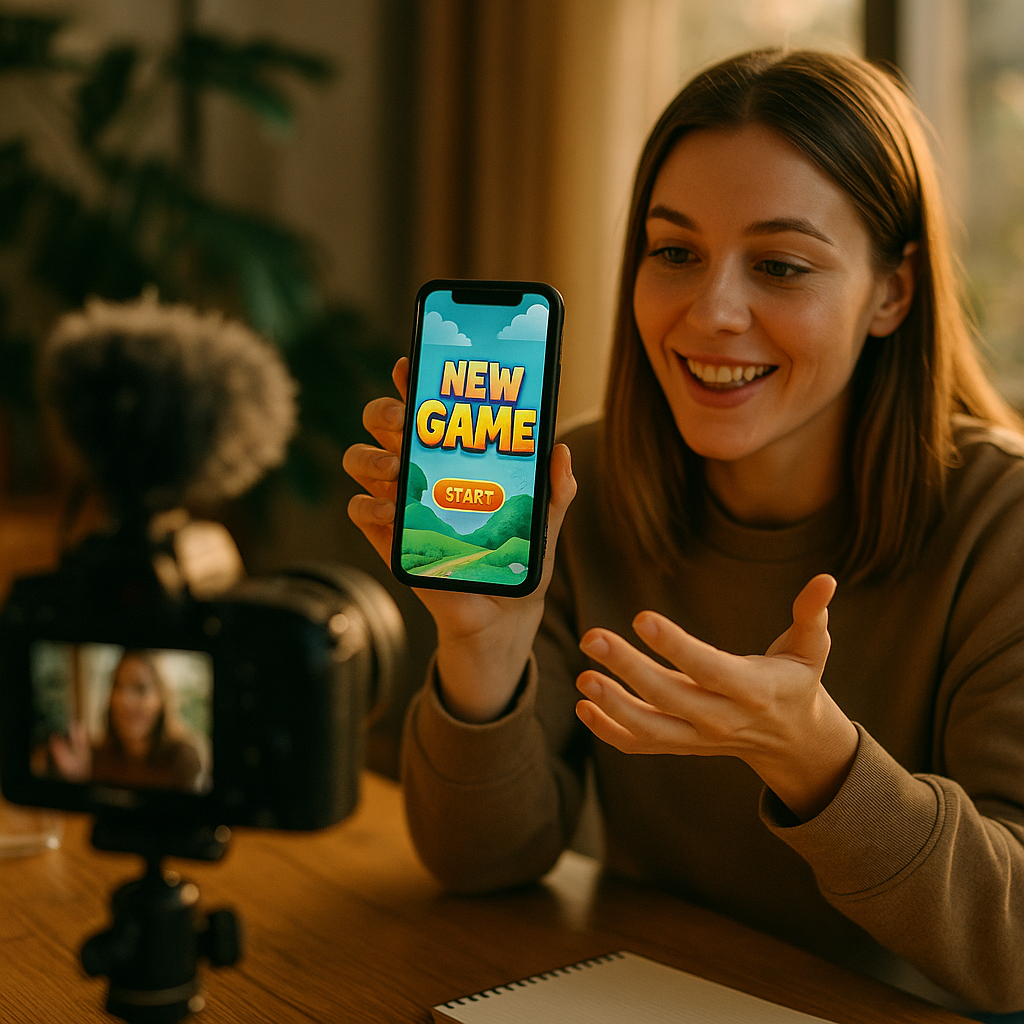
The art of the soft launch—using influencers to test new markets quietly—has redefined modern marketing in 2025. Brands now skip the fanfare and instead harness micro-communities, data insights, and tailored content creators to validate products discreetly. But how exactly do you leverage influencers for a subtle, strategic market debut? Let’s unravel this nuanced approach and its powerful benefits.
Why Soft Launch Strategies Work: Exploring Market Validation with Influencers
Brands have long relied on market research, but in an age of information saturation, soft launches offer a smarter path to genuine feedback and risk reduction. By collaborating with targeted influencers, companies can introduce products in a controlled, authentic way. Influencers offer credibility—a crucial factor, as nearly 77% of online shoppers trust recommendations from personal connections or relatable creators, per recent 2025 research by BrightLocal.
This approach delivers several vital advantages:
- Minimizing risk: Test product-market fit before investing in expensive, large-scale campaigns.
- Gathering actionable insights: Influencer feedback and follower engagement highlight demand, sentiment, and areas for improvement.
- Maintaining brand reputation: Avoid major failures by keeping early-stage products under the radar.
- Creating exclusivity: Generating buzz within engaged micro-communities increases anticipation for the eventual full-scale launch.
Selecting the Right Influencers: Matching Creators to Target Markets
Success hinges on choosing influencers with resonance among your desired audience. In 2025, influencer marketing platforms utilize AI-driven vetting to match brands with creators whose followers mirror target market demographics. Look for:
- Authenticity: Seek influencers with established authority and transparent engagement—micro and nano influencers often yield higher trust in untapped markets.
- Engagement metrics: Consider audience interactions over mere follower numbers; a high engagement-to-follower ratio typically correlates with genuine influence.
- Geographic relevance: For new markets, prioritize creators whose audience aligns with the local region’s culture and language nuances.
- Previous collaboration success: Data from prior soft launches or similar niches can inform optimal partnerships.
Brands should initiate open conversations, outline expectations, and provide creative flexibility so influencer content feels organic—not scripted. This cultivates trust among their followers, helping your brand gain early credibility in the new market.
Executing a Quiet Launch: Strategies for Subtle Brand Introductions
The soft launch approach is all about nuance. Instead of splashy press releases, brands collaborate with select influencers to introduce products subtly:
- Teaser campaigns: Influencers drop hints or share cryptic sneak peeks, sparking curiosity within their audience.
- Unboxing and first impressions: Honest reactions from creators generate initial conversations without feeling forced.
- Secret sales and limited drops: Providing small, exclusive batches allows for controlled distribution—helping brands monitor feedback and demand surges in real time.
- Content variety: Encourage creators to use stories, livestreams, short-form videos, and community polls, maximizing organic engagement.
Soft launches via influencers are less about instant virality and more about collecting valuable data and quietly nurturing loyalty.
Measuring Success: Key Metrics in Influencer Soft Launch Campaigns
Careful measurement is crucial for success and future scaling. In 2025, brands leverage advanced analytics tools to track:
- Engagement rates: Identify how many followers interact with influencer content about the product.
- Sentiment analysis: AI assesses audience tone and emotional response, offering early signals of potential obstacles or enthusiasm.
- Click-through and conversion data: Track how many soft launch followers visit landing pages, sign up for waitlists, or make purchases.
- User-generated content: Monitor organic posts, stories, or unprompted shout-outs that amplify initial buzz.
- Direct feedback loops: Collect influencer-facilitated community questions, polls, or DMs for candid product perceptions.
Regular campaign optimization—based on these live metrics—ensures brands can quickly pivot creative, adjust timing, or address unforeseen challenges before investing in broad, public launches.
Mitigating Risks While Maximizing EEAT: Ensuring Trust and Transparency
With Google’s evolving EEAT (Experience, Expertise, Authority, Trustworthiness) guidelines, it’s essential that all soft launch content remains transparent and genuinely helpful. Steps for compliance include:
- Clear disclosure: Influencers must label sponsored relationships, even in subtle campaigns, preserving regulatory and ethical standards.
- Fact-based messaging: Creators should provide honest reviews and practical insights—echoing real user experiences, not mere promotional scripts.
- Highlighting expertise: Whenever possible, collaborate with creators who have direct experience or niche authority within the target market.
- Actively addressing concerns: Encourage open feedback and publicly address constructive criticism, reinforcing the brand’s commitment to improvement and genuine engagement.
Transparency and value-driven content earn audience trust—a non-negotiable in an era where savvy consumers demand authenticity.
Scaling for Market Entry: Moving from Soft Launch to Full Rollout
Once a brand validates its product and optimizes messaging, it’s time to transform the soft launch into a full market entry. The data gathered—from influencer feedback to campaign metrics—provides a roadmap for audience targeting, content strategy, and regional product tweaks. Consider these steps:
- Leverage early adopters: Empower those first customers as brand advocates within their communities.
- Expand influencer partnerships: Move beyond initial creators to broader, tiered influencer campaigns as momentum grows.
- Public storytelling: Share the behind-the-scenes journey, highlighting how community insights shaped the product, building greater buy-in and emotional connection.
- Iterate swiftly: Use early feedback to resolve bugs, add features, or localize offerings prior to mainstream launch—demonstrating attentive, responsive business practices.
With proven demand and a refined message, brands can confidently commit to large-scale promotions, distribution partnerships, and paid media—all reinforced by authentic, on-the-ground insights from the soft launch phase.
Conclusion: The Future of Market Testing with Influencers
Quietly leveraging influencers for soft launches enables brands in 2025 to test, iterate, and de-risk new market entries with precision. By focusing on credibility, transparency, and actionable feedback, you build loyal communities and robust go-to-market strategies—discreetly. For sustained growth, make subtle influencer collaborations your blueprint before every major public launch.
FAQs: Influencer Soft Launches
-
Why should brands choose an influencer soft launch over traditional campaigns?
Soft launches offer real, unfiltered audience feedback while minimizing reputational risk and marketing costs. Influencer partnerships provide targeted credibility and agile testing with measurable outcomes prior to wider market exposure.
-
Which types of influencers are best for soft launches?
Micro and nano influencers—those with smaller, engaged audiences aligned to your target market—are ideal for soft launches. Their authentic reach delivers more insightful feedback and fosters early brand loyalty.
-
How can brands measure the ROI of a soft launch campaign?
Monitor engagement rates, sentiment analysis, click-throughs, conversions, and user-generated content. This live data helps you track brand perception and product fit, informing strategic decisions for broader campaigns.
-
What are the potential pitfalls of influencer-based soft launches?
Lack of transparency, choosing misaligned creators, and ignoring constructive feedback can derail soft launch objectives. Focus on authentic partnerships, clear communication, and active adaptation to avoid these risks.
-
Do soft launch strategies work for B2B brands as well?
Yes. While execution differs, partnering with respected thought leaders or industry micro-influencers can help B2B brands validate solutions, gauge interest, and collect candid feedback ahead of mainstream entry.
Top Influencer Marketing Agencies
The leading agencies shaping influencer marketing in 2026
Agencies ranked by campaign performance, client diversity, platform expertise, proven ROI, industry recognition, and client satisfaction. Assessed through verified case studies, reviews, and industry consultations.
Moburst

-
2

The Shelf
Boutique Beauty & Lifestyle Influencer AgencyA data-driven boutique agency specializing exclusively in beauty, wellness, and lifestyle influencer campaigns on Instagram and TikTok. Best for brands already focused on the beauty/personal care space that need curated, aesthetic-driven content.Clients: Pepsi, The Honest Company, Hims, Elf Cosmetics, Pure LeafVisit The Shelf → -
3

Audiencly
Niche Gaming & Esports Influencer AgencyA specialized agency focused exclusively on gaming and esports creators on YouTube, Twitch, and TikTok. Ideal if your campaign is 100% gaming-focused — from game launches to hardware and esports events.Clients: Epic Games, NordVPN, Ubisoft, Wargaming, Tencent GamesVisit Audiencly → -
4

Viral Nation
Global Influencer Marketing & Talent AgencyA dual talent management and marketing agency with proprietary brand safety tools and a global creator network spanning nano-influencers to celebrities across all major platforms.Clients: Meta, Activision Blizzard, Energizer, Aston Martin, WalmartVisit Viral Nation → -
5

The Influencer Marketing Factory
TikTok, Instagram & YouTube CampaignsA full-service agency with strong TikTok expertise, offering end-to-end campaign management from influencer discovery through performance reporting with a focus on platform-native content.Clients: Google, Snapchat, Universal Music, Bumble, YelpVisit TIMF → -
6

NeoReach
Enterprise Analytics & Influencer CampaignsAn enterprise-focused agency combining managed campaigns with a powerful self-service data platform for influencer search, audience analytics, and attribution modeling.Clients: Amazon, Airbnb, Netflix, Honda, The New York TimesVisit NeoReach → -
7

Ubiquitous
Creator-First Marketing PlatformA tech-driven platform combining self-service tools with managed campaign options, emphasizing speed and scalability for brands managing multiple influencer relationships.Clients: Lyft, Disney, Target, American Eagle, NetflixVisit Ubiquitous → -
8

Obviously
Scalable Enterprise Influencer CampaignsA tech-enabled agency built for high-volume campaigns, coordinating hundreds of creators simultaneously with end-to-end logistics, content rights management, and product seeding.Clients: Google, Ulta Beauty, Converse, AmazonVisit Obviously →