


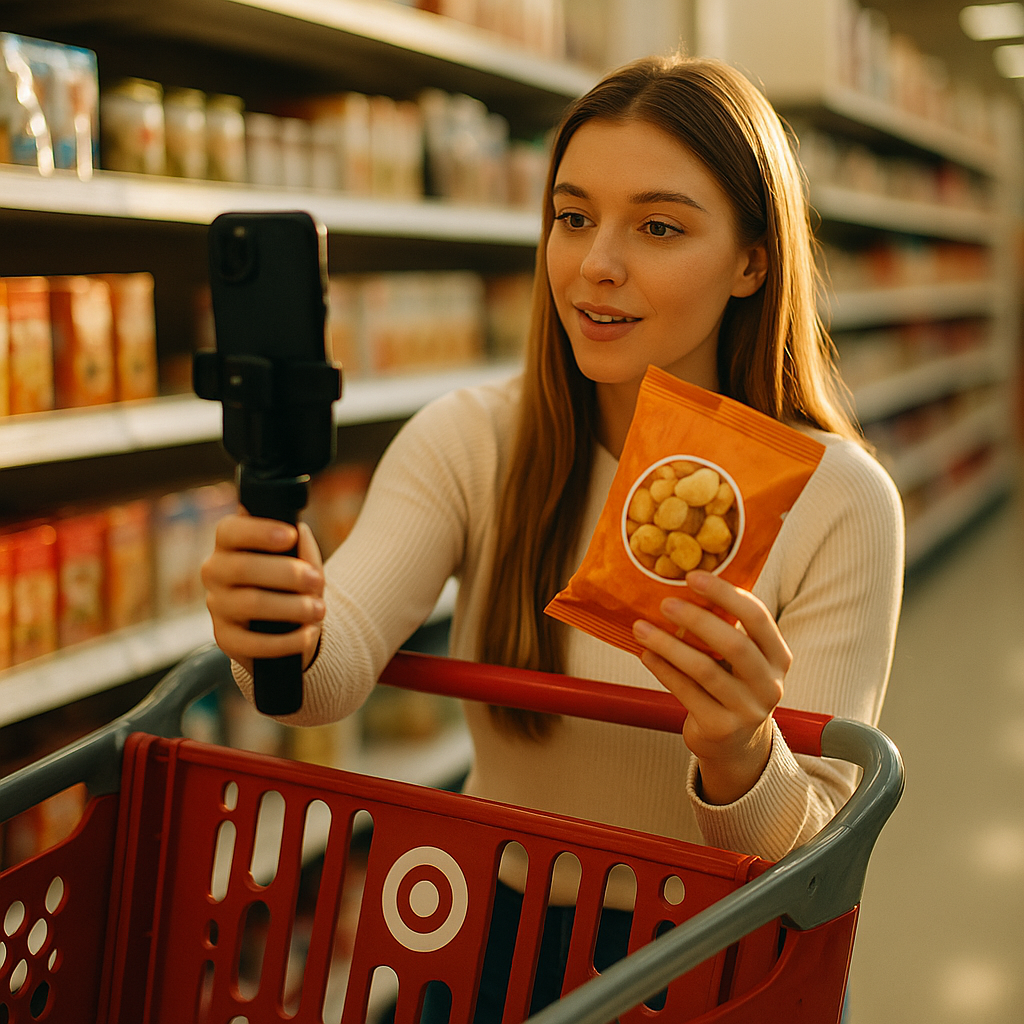
In this case study, we reveal how a CPG brand used influencer seeding to win shelf space at Target, outmaneuvering competitors in a fast-moving retail landscape. Discover the strategy, execution, and measurable results that transformed an emerging product into a national staple—and learn actionable insights your brand can replicate today.
Understanding Influencer Seeding for CPG Brands
Influencer seeding for CPG brands is a strategic approach where companies send products to selected social media influencers, encouraging authentic mentions and organic content. Unlike sponsored campaigns, seeding prioritizes genuine enthusiasm in hopes the influencer will share unscripted reviews. For CPG brands facing high competition, especially in retail environments like Target, influencer seeding can generate trust, create buzz, and drive consumer demand prior to a formal retail launch.
According to Statista 2024, 37% of shoppers discover new products through influencer content, highlighting the shifting trust from traditional ads to peer recommendations. CPG decision-makers increasingly value influencer-first initiatives to warm up retail buyers and demonstrate consumer demand with real digital footprints. Brands targeting shelf space at major retailers face a dual challenge: compelling buyers with projected velocity and generating buzz with end consumers. Influencer seeding elegantly bridges this gap.
Building Strategic Retail Partnerships with Social Proof
Retail buyers at Target evaluate brands on more than margins and category fit; they want assurances of consumer demand and brand momentum. Influencer seeding provides measurable social proof, allowing brand representatives to present to Target with tangible ROI. This case involves a mid-sized disruptive beverage brand—call it “SparkleFizz”—seeking to break into Target’s premium beverage aisle in 2025.
The brand developed a list of micro-influencers (10,000–100,000 followers) whose audiences aligned with Target’s shopper demographic: young families, wellness enthusiasts, and trend-driven millennials. Over 300 tailored seeding kits were dispatched, including handwritten notes emphasizing community engagement and sustainability, two core values promoted by Target.
In retailer pitches, SparkleFizz’s marketing team showcased over 1,200 influencer-generated posts made within 45 days. These posts attracted over 8 million cumulative impressions and measurable comments from consumers expressing intent to purchase at Target. By supplementing velocity data projections with authentic digital buzz, SparkleFizz unambiguously demonstrated that their product was not just retailer-ready—but retailer-desired.
Executing an Effective Influencer Seeding Campaign
An effective influencer seeding campaign for CPG brands follows a meticulous sequence of actions. SparkleFizz’s process highlights the importance of preparation, personalization, and measurement.
- Audience Alignment: Rigorous influencer vetting ensured each recipient reflected genuine product affinity and audience fit.
- Packaging & Personalization: Custom branded boxes with limited-edition flavors elevated the “unboxing” experience, encouraging video captures and story features.
- Clear Expectations: Although not mandatory, included cards gently asked for honest feedback or tags if recipients enjoyed the product.
- Follow-Up: An internal team monitored posts, commented, reshared, and provided social amplification, building meaningful influencer relationships.
- UTM Tracking & Sentiment Analysis: All influencer links were tagged to attribute click-throughs and resulting conversions, while AI-powered sentiment analysis gauged overall perception and buzz.
EEAT takeaways: Credible seeding relies on ethical, transparent communication, respecting influencer autonomy and avoiding coercion—core principles in consumer trust and digital responsibility in 2025.
Measuring Shelf Impact: From Social Buzz to Retail Velocity
Proving that influencer seeding drives retail outcomes is essential. SparkleFizz adopted a two-pronged measurement approach to win over both buyers and their own internal stakeholders.
- Digital Metrics: The brand analyzed reach, engagement, and conversion data linked to Target-specific landing pages. Over 25% of influencer-driven traffic signed up for Target launch notifications—a rare pre-sale indicator for retail buyers.
- Store Performance: Upon gaining test placement in 500 Target stores, the brand tracked weekly sell-through. Stores in high-post volume metro areas (Los Angeles, Dallas, Chicago) saw velocities 38% above average. Staff reported that customers mentioned “seeing the product all over Instagram and TikTok.”
This rapid momentum accelerated a chain-wide rollout, with SparkleFizz securing national distribution in under six months. Internal data showed that stores with concentrated influencer buzz not only had higher initial sales, but also better repeat purchase rates—a testament to the stickiness of community-driven brand introductions.
Lessons Learned: Best Practices for Influencer Seeding in Retail
Brands aspiring to replicate SparkleFizz’s influencer seeding success for retail expansion should note several key lessons:
- Prioritize Relevance Over Follower Count: Micro- and nano-influencers drive higher engagement and authenticity, resulting in more actionable social proof for buyers.
- Personalize Outreach: Hand-written notes and custom messages increase willingness to post. Influencers value brands who view them as partners, not ad channels.
- Track Everything: Tag influencer content, set up conversion tracking, and benchmark retail locations to tie influencer buzz directly to in-store outcomes.
- Engage Retailers Early: Share influencer-generated content with retail buyers as it happens, not just in post-campaign recaps. This demonstrates real-time consumer excitement.
- Comply With Disclosure Laws: Ensure that seeded content is FTC-compliant. Transparency builds trust with both retailers and end consumers.
For CPG brands in 2025, the convergence of digital influence and brick-and-mortar commerce is unavoidable. Those who integrate seeding and retail strategy—rather than treating them as isolated channels—reap manifold rewards in product launches, buyer trust, and consumer loyalty.
FAQs: Influencer Seeding, Retail, and CPG Brands
- What is influencer seeding, and how does it work for CPG brands?
Influencer seeding is the practice of sending free products to social media influencers without payment, encouraging authentic mentions. For CPG brands, this builds buzz and generates digital proof of demand, which can help attract retail partners like Target. - Does influencer seeding guarantee shelf space at Target or other retailers?
No, influencer seeding cannot guarantee shelf space, but it can be a persuasive component of a retailer pitch. It shows real consumer demand and brand momentum, which buyers increasingly value in 2025. - How should brands track the impact of influencer seeding campaigns?
Brands should use tagged URLs, landing pages, and unique promo codes. Combine web traffic, sign-ups, and in-store velocity data for a comprehensive view of campaign ROI. - What size influencers should CPG brands target?
Micro- and nano-influencers (under 100,000 followers) often yield higher engagement rates and more relatable content for CPG brands than macro-influencers or celebrities. - Is disclosure required for influencer seeding?
Yes, in the U.S. and many markets, influencers must disclose when they receive free products, even if not paid. Proper disclosures ensure compliance and enhance consumer trust. - Can influencer seeding work for new product launches in 2025?
Absolutely. As digital discovery accelerates, smart influencer seeding creates pre-launch buzz, helping brands stand out to both consumers and retail buyers ahead of in-store arrival.
By harnessing influencer seeding, emerging CPG brands can demonstrably build social proof, activate consumer demand, and persuade major retailers like Target—turning digital buzz into real-world shelf space and sales in 2025.
Top Influencer Marketing Agencies
The leading agencies shaping influencer marketing in 2026
Agencies ranked by campaign performance, client diversity, platform expertise, proven ROI, industry recognition, and client satisfaction. Assessed through verified case studies, reviews, and industry consultations.
Moburst

-
2

The Shelf
Boutique Beauty & Lifestyle Influencer AgencyA data-driven boutique agency specializing exclusively in beauty, wellness, and lifestyle influencer campaigns on Instagram and TikTok. Best for brands already focused on the beauty/personal care space that need curated, aesthetic-driven content.Clients: Pepsi, The Honest Company, Hims, Elf Cosmetics, Pure LeafVisit The Shelf → -
3

Audiencly
Niche Gaming & Esports Influencer AgencyA specialized agency focused exclusively on gaming and esports creators on YouTube, Twitch, and TikTok. Ideal if your campaign is 100% gaming-focused — from game launches to hardware and esports events.Clients: Epic Games, NordVPN, Ubisoft, Wargaming, Tencent GamesVisit Audiencly → -
4

Viral Nation
Global Influencer Marketing & Talent AgencyA dual talent management and marketing agency with proprietary brand safety tools and a global creator network spanning nano-influencers to celebrities across all major platforms.Clients: Meta, Activision Blizzard, Energizer, Aston Martin, WalmartVisit Viral Nation → -
5

The Influencer Marketing Factory
TikTok, Instagram & YouTube CampaignsA full-service agency with strong TikTok expertise, offering end-to-end campaign management from influencer discovery through performance reporting with a focus on platform-native content.Clients: Google, Snapchat, Universal Music, Bumble, YelpVisit TIMF → -
6

NeoReach
Enterprise Analytics & Influencer CampaignsAn enterprise-focused agency combining managed campaigns with a powerful self-service data platform for influencer search, audience analytics, and attribution modeling.Clients: Amazon, Airbnb, Netflix, Honda, The New York TimesVisit NeoReach → -
7

Ubiquitous
Creator-First Marketing PlatformA tech-driven platform combining self-service tools with managed campaign options, emphasizing speed and scalability for brands managing multiple influencer relationships.Clients: Lyft, Disney, Target, American Eagle, NetflixVisit Ubiquitous → -
8

Obviously
Scalable Enterprise Influencer CampaignsA tech-enabled agency built for high-volume campaigns, coordinating hundreds of creators simultaneously with end-to-end logistics, content rights management, and product seeding.Clients: Google, Ulta Beauty, Converse, AmazonVisit Obviously →