


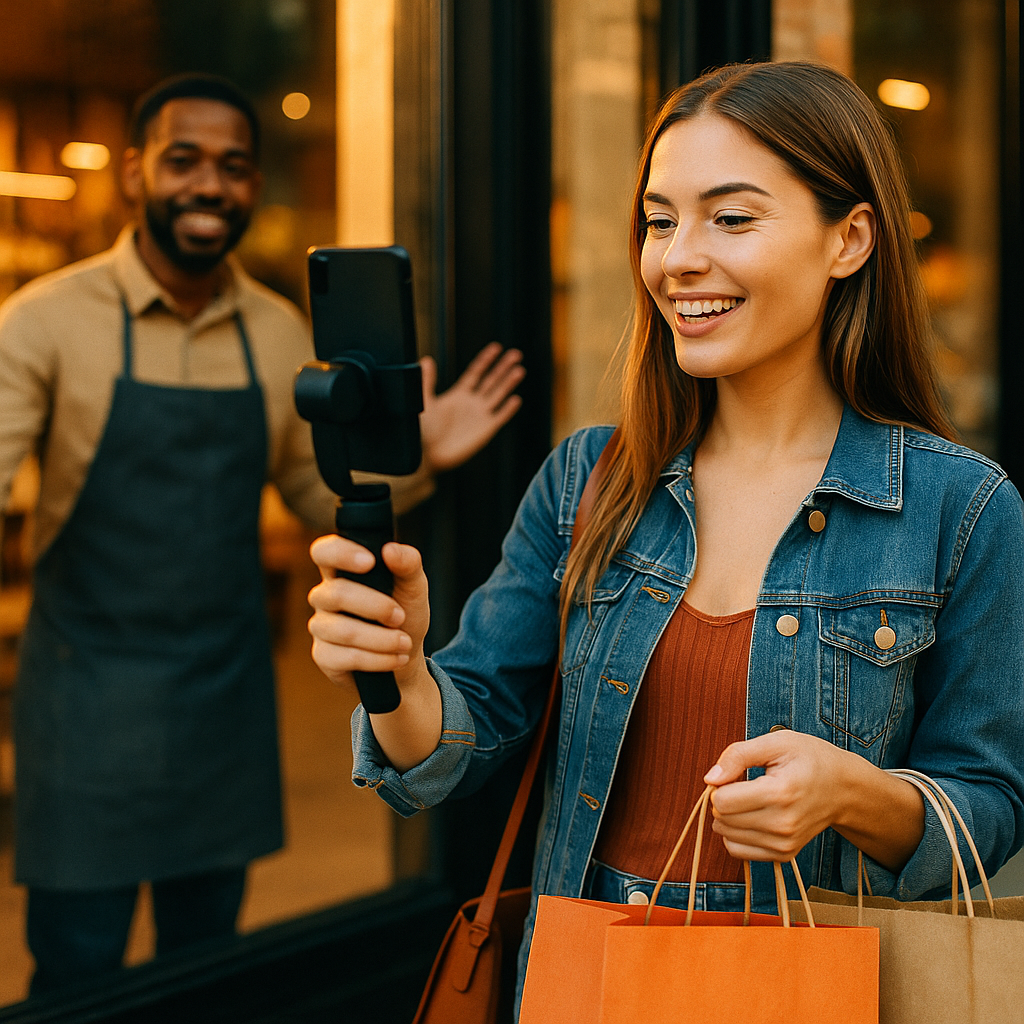
To boost brick-and-mortar sales, brands must know how to design an influencer campaign that drives in-store foot traffic in 2025’s competitive retail environment. An effective strategy blends online engagement with real-world customer journeys. Curious how to connect social buzz with tangible store visits? Discover expert tactics to turn influencer reach into shoppers at your door.
Understanding Influencer Campaign Objectives for Retail Activation
Setting clear objectives is the foundation of every successful influencer marketing campaign focused on increasing in-store visits. In 2025, brands look beyond mere impressions and click-through rates; the real measure of impact is how many online followers step through your doors. Clearly define the key performance indicators (KPIs) you’ll use to track in-store foot traffic, such as:
- Redemption of influencer-specific promotions or codes at physical locations
- Increase in point-of-sale (POS) traffic during the campaign window
- Geo-tagged social media check-ins or story mentions at your store
- Event RSVPs and attendance tracked through influencer invitations
Set realistic KPIs based on your location, footfall history, and influencer selection. Align on these goals with stakeholders and influencers from the outset, ensuring everyone’s content and calls-to-action are driving toward the same retail outcome.
Selecting the Right Influencers for Local Impact
The secret to driving real-world results is choosing influencers whose audiences overlap significantly with your local or regional customer base. National personalities can provide awareness, but local micro-influencers often deliver the most direct in-store impact. Consider these factors:
- Location Authenticity: The influencer’s audience should skew toward your retail footprint.
- Content Relevance: Select those with histories of showcasing shopping experiences or lifestyle content that fits your brand.
- Engagement Quality: Examine not just follower numbers, but meaningful, positive interactions on posts—especially those tagged at physical locations.
- Partnership Track Record: Influencers with proven success in driving offline actions are ideal.
Today’s consumers are savvy; they spot disingenuous partnerships instantly. Partner with creators who genuinely frequent your type of store or align with your brand values. According to a 2024 CivicScience report, 65% of Gen Z shoppers trust store recommendations from local influencers more than from generic online ads, highlighting the impact of authenticity.
Integrating Compelling In-Store Offers with Digital Content
At the heart of every high-performing influencer campaign targeting physical store traffic is a tangible incentive to visit. Translate online excitement into real action by:
- Unique, Time-Limited Offers: Provide followers with exclusive discounts, freebies, or early access available only in-store and tied to the influencer’s post or code.
- Personalized Experiences: Host meet-and-greets, product launches, or workshops where influencers and customers can interact live.
- Gamification: Encourage scavenger hunts, photo challenges, or reward programs that require in-store participation and social sharing.
Segment your offer types based on audience demographics and influencer insights. Urban stores may see success with pop-up events, while suburban retailers may drive visits with bundled deals. Measure success in both redemption rates and the reach of related online conversations.
Optimizing Content Formats for Location-Based Engagement
Modern influencer campaigns thrive on varied, engaging content formats carefully tailored to prompt in-store action. In 2025, the most effective approaches include:
- Short-Form Videos: TikTok, Instagram Reels, and YouTube Shorts drive curiosity and can show the influencer visiting your store, trying products, or redeeming offers.
- Story Takeovers: Let influencers do live store walk-throughs or behind-the-scenes during store events, tagging location and inviting followers to join in real time.
- Carousel Posts: Step-by-step visuals—from the entrance to checkout—help demystify the in-store experience and reduce friction for first-time visitors.
- Geo-Filters and AR Lenses: Use city-specific filters or branded AR experiences for users who share from your store, amplifying organic reach.
Encourage influencers to answer follower questions about the store experience and highlight aspects like accessibility, parking, or exclusive in-store collections. This builds familiarity and reduces hesitancy, making a visit feel like a natural next step.
Tracking, Measuring, and Attributing In-Store Foot Traffic
Robust measurement is essential for evaluating campaign effectiveness and optimizing future investments. Technology now enables in-depth attribution between influencer activity and incremental visits or sales. Leading tracking solutions include:
- Promo Code Redemption: Assign personalized codes for each influencer and analyze in-store usage data via your POS.
- Mobile Location Data: With consumer consent, use anonymized mobile tracking tools to correlate campaign periods with store visit spikes.
- Social Listening and UGC Mining: Monitor increases in location tags, check-ins, and branded hashtags linked to your store.
- Customer Surveys: Ask at the point of sale, “How did you hear about us?” or include influencer references in post-purchase feedback forms.
Combine these approaches for the clearest picture. According to Influencer Marketing Hub’s 2025 Analyst Survey, 72% of brands plan to increase investment in location-attribution technology specifically for offline campaigns. Detailed data supports precise ROI calculations and continuous campaign refinement.
Ensuring Compliance, Transparency, and Brand Safety
Ethical, transparent influencer partnerships are non-negotiable in 2025. Regulators and platforms expect full compliance with marketing disclosure standards. To protect your reputation:
- Ensure influencers clearly label sponsored content, especially when promoting in-store offers or events.
- Review all creative for alignment with your brand’s values and local advertising regulations.
- Encourage honest reviews and authentic storytelling; avoid pressuring influencers to create only positive content.
- Offer easily accessible terms and opt-outs for in-store data collection (such as mobile tracking), upholding consumer privacy rights.
Demonstrate your commitment to responsible influencer marketing by sharing campaign objectives, data usage policies, and results with both internal teams and participating creators. This builds trust, boosts campaign results, and meets Google’s EEAT (Experience, Expertise, Authoritativeness, Trustworthiness) criteria for helpful content.
FAQs: Designing Influencer Campaigns for In-Store Traffic
-
Q: How do you measure the ROI of an influencer campaign focused on in-store visits?
A: Use a combination of influencer-specific promo code redemptions, POS tracking, mobile location analytics, and customer feedback surveys to attribute sales or visits directly to campaign activities. -
Q: What types of incentives work best for driving physical store traffic via influencers?
A: Limited-time discounts, exclusive gifts, early access events, and interactive experiences such as meet-and-greets or workshops tend to create urgency and FOMO, encouraging in-person visits. -
Q: How can you choose influencers with strong local reach?
A: Prioritize creators with a proven audience base in your store’s location, visible through their geotagged posts, community engagement, and history of retail-focused partnerships. -
Q: What are best practices for ensuring campaign transparency and compliance in 2025?
A: Require clear sponsorship disclosures, respect privacy with opt-in data tracking, and empower influencers to share their genuine experiences—even if not always perfect. -
Q: Which social media platforms are most effective for local in-store campaigns?
A: TikTok, Instagram, and Facebook remain top for visual storytelling and geotagged content, while local community apps and digital event platforms can extend your offline campaign reach.
To design an influencer campaign that drives in-store foot traffic, connect authentic creators with relevant audiences, deliver irresistible in-store offers, optimize engaging content, and measure results transparently. By blending online influence with practical incentives, brands transform digital attention into real-world sales—unlocking sustainable growth and customer loyalty in 2025’s evolving retail landscape.
Top Influencer Marketing Agencies
The leading agencies shaping influencer marketing in 2026
Agencies ranked by campaign performance, client diversity, platform expertise, proven ROI, industry recognition, and client satisfaction. Assessed through verified case studies, reviews, and industry consultations.
Moburst

-
2

The Shelf
Boutique Beauty & Lifestyle Influencer AgencyA data-driven boutique agency specializing exclusively in beauty, wellness, and lifestyle influencer campaigns on Instagram and TikTok. Best for brands already focused on the beauty/personal care space that need curated, aesthetic-driven content.Clients: Pepsi, The Honest Company, Hims, Elf Cosmetics, Pure LeafVisit The Shelf → -
3

Audiencly
Niche Gaming & Esports Influencer AgencyA specialized agency focused exclusively on gaming and esports creators on YouTube, Twitch, and TikTok. Ideal if your campaign is 100% gaming-focused — from game launches to hardware and esports events.Clients: Epic Games, NordVPN, Ubisoft, Wargaming, Tencent GamesVisit Audiencly → -
4

Viral Nation
Global Influencer Marketing & Talent AgencyA dual talent management and marketing agency with proprietary brand safety tools and a global creator network spanning nano-influencers to celebrities across all major platforms.Clients: Meta, Activision Blizzard, Energizer, Aston Martin, WalmartVisit Viral Nation → -
5

The Influencer Marketing Factory
TikTok, Instagram & YouTube CampaignsA full-service agency with strong TikTok expertise, offering end-to-end campaign management from influencer discovery through performance reporting with a focus on platform-native content.Clients: Google, Snapchat, Universal Music, Bumble, YelpVisit TIMF → -
6

NeoReach
Enterprise Analytics & Influencer CampaignsAn enterprise-focused agency combining managed campaigns with a powerful self-service data platform for influencer search, audience analytics, and attribution modeling.Clients: Amazon, Airbnb, Netflix, Honda, The New York TimesVisit NeoReach → -
7

Ubiquitous
Creator-First Marketing PlatformA tech-driven platform combining self-service tools with managed campaign options, emphasizing speed and scalability for brands managing multiple influencer relationships.Clients: Lyft, Disney, Target, American Eagle, NetflixVisit Ubiquitous → -
8

Obviously
Scalable Enterprise Influencer CampaignsA tech-enabled agency built for high-volume campaigns, coordinating hundreds of creators simultaneously with end-to-end logistics, content rights management, and product seeding.Clients: Google, Ulta Beauty, Converse, AmazonVisit Obviously →