


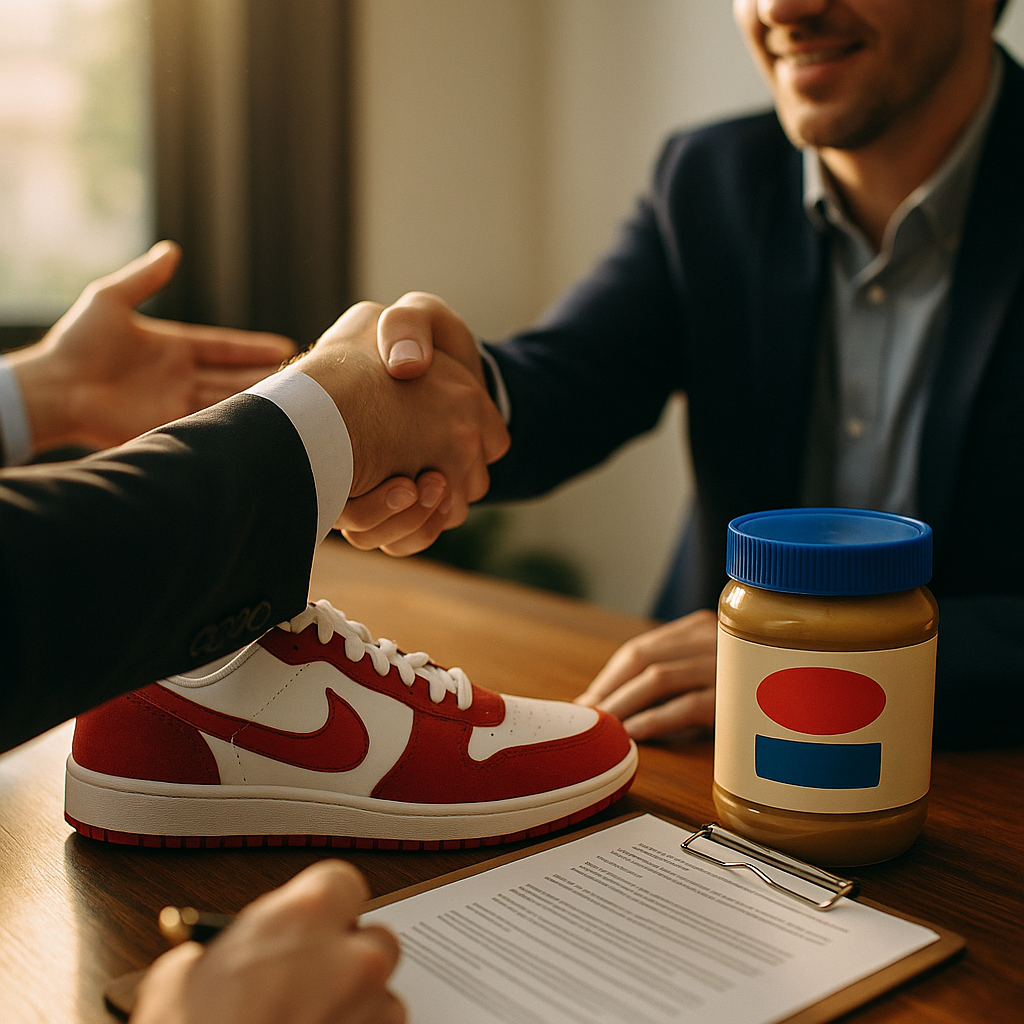
Effective negotiation of IP ownership in a co-branded product collaboration is crucial for business success in 2025. As companies increasingly join forces, clear intellectual property terms can prevent disputes and unlock innovation. In this guide, you’ll discover smart negotiation strategies, real-world considerations, and actionable steps for securing your interests in any co-branding partnership.
Understanding Intellectual Property in Co-Branded Partnerships
At the heart of every co-branded product collaboration lies the question: who owns what? Intellectual property (IP) refers to assets like patents, copyrights, trademarks, and trade secrets that protect the creative and commercial interests of each party. When forming a bilateral partnership, understanding your existing IP portfolio—and your partner’s—is the foundation for informed negotiation.
According to a 2024 study by WIPO, over 70% of commercial disputes in joint ventures arise from unclear or ambiguous IP ownership clauses. This statistic demonstrates that clarity at the outset can save both time and resources, safeguarding your competitive edge. Before entering talks, conduct an internal audit of your IP assets and identify any potential overlap with your partner.
Key Negotiation Strategies for IP Rights in Collaborations
Strong negotiation skills can make or break a co-branded project. Begin by defining what new IP, if any, will result from the collaboration and which party will own or have access to each category of IP. Consider using the following strategies:
- Pre-project Alignment: Reach consensus on definitions and objectives before drafting contracts.
- Contribution Assessment: Link ownership or licensing rights to the value each party brings to the table.
- Future Proofing: Account for derivatives, improvements, or extensions of the product or brand.
- Exit Provisions: Establish clear terms for IP use if the partnership ends.
Referencing current industry benchmarks helps position your negotiation within the context of market expectations, ensuring neither side feels shortchanged.
Drafting an Effective IP Ownership Agreement for Co-Branded Products
The crux of any co-branded deal is the written agreement. Legal experts stress that a detailed intellectual property clause should delineate:
- Background IP: Pre-existing IP, such as trademarks or designs, owned by each party prior to the collaboration.
- Foreground IP: Innovations developed jointly or individually during the project.
- Ownership Models: Options might include joint ownership, sole ownership with cross-licensing, or exclusive rights.
- License Scope: Who can use what, where, and for how long.
- Enforcement and Defense: Responsibilities for protecting and defending IP from infringement.
Utilize clear, plain language wherever possible. A 2024 Harvard Law Review analysis emphasized that ambiguity is the most common pitfall leading to later disputes. Also, ensure the agreement complies with international IP conventions if your product will be sold cross-border.
Common Pitfalls and How to Avoid IP Disputes in Partnerships
Even well-intentioned co-branded collaborations can falter if parties underestimate common IP risks. Frequent issues include unclear attribution, “scope creep” in IP usage, and lack of provisions for jointly developed technologies. Here’s how to stay ahead:
- Document Everything: Track every innovation’s development path to establish clear provenance.
- Keep Dialogue Open: Regular meetings reduce misunderstandings about new or evolving IP.
- Monitor Third-Party Rights: Ensure all content and tech used are free from conflicting claims.
- Review and Amend: Build flexibility for contract updates as the collaboration evolves.
Many forward-thinking organizations are now leveraging collaborative software for IP management to maintain shared evidence and streamline audits in real time—a trend highlighted by Forrester Research in early 2025.
Leveraging Legal and Business Expertise when Negotiating IP
Legal counsel is invaluable when navigating IP ownership in co-branded partnerships. However, cross-functional input—such as from technical, marketing, or R&D teams—often leads to more holistic agreements. Some practical steps in this area include:
- Assemble a Multidisciplinary Team: Include legal and technical experts from both organizations.
- Engage IP Specialists: Employ attorneys with specific experience in collaboration and licensing deals.
- Stay Updated on Legislation: Monitor changes to IP law relevant in your jurisdictions—new data privacy rules or design rights can directly impact IP clauses.
- Simulate Scenarios: Workshop best- and worst-case scenarios to test the robustness of your draft contract.
Collaborating with experienced professionals helps both sides interpret not just the letter, but the spirit of the agreement—reducing the risk of surprises down the road.
Establishing Commercial Value and Profit-Sharing Based on IP
Finally, understanding the commercial value of each party’s IP can inform fair profit-sharing and licensing arrangements. In 2025, data-driven valuation models are more accessible than ever, letting both small firms and global brands benchmark IP value using up-to-date market analytics.
- Valuation Methods: Use cost-based, market-based, or income-based approaches to set a negotiable baseline.
- Revenue Sharing: Align IP ownership structures with distribution of royalties or profits.
- Performance Incentives: Tie additional compensation to measurable outcomes, like market share or patents filed.
Transparent, well-structured profit-sharing arrangements foster trust, encouraging innovation and long-term collaboration. This ensures both parties feel their creative and commercial assets are recognized—and rewarded.
Conclusion
Negotiating IP ownership in a co-branded product collaboration requires clarity, strategy, and expert guidance. By laying a strong legal and commercial foundation, you’ll protect your innovations and foster sustainable partnership growth. Proactive planning today can minimize future disputes, ensuring your brand’s value and influence remain secure in tomorrow’s marketplace.
FAQs About Negotiating IP Ownership in Co-Branded Product Collaboration
- Who should own the IP in a co-branded collaboration?
It depends on each partner’s contributions, commercial interests, and negotiation. Joint or single ownership with cross-licensing are common solutions. - What happens if new inventions arise during the partnership?
The agreement should specify ownership of foreground IP, often based on which party contributed most to the innovation. - Can IP rights be transferred or licensed after the deal ends?
Yes. Clearly outline in the contract whether either party has ongoing rights or if all rights revert to one party upon termination. - What if there are disputes about IP use?
Build in dispute resolution mechanisms, such as arbitration or mediation, to address conflicts efficiently. - How can small businesses protect themselves in negotiations?
Seek qualified legal advice, clarify contributions and expectations, and use industry benchmarks to inform your negotiating stance.
Top Influencer Marketing Agencies
The leading agencies shaping influencer marketing in 2026
Agencies ranked by campaign performance, client diversity, platform expertise, proven ROI, industry recognition, and client satisfaction. Assessed through verified case studies, reviews, and industry consultations.
Moburst

-
2

The Shelf
Boutique Beauty & Lifestyle Influencer AgencyA data-driven boutique agency specializing exclusively in beauty, wellness, and lifestyle influencer campaigns on Instagram and TikTok. Best for brands already focused on the beauty/personal care space that need curated, aesthetic-driven content.Clients: Pepsi, The Honest Company, Hims, Elf Cosmetics, Pure LeafVisit The Shelf → -
3

Audiencly
Niche Gaming & Esports Influencer AgencyA specialized agency focused exclusively on gaming and esports creators on YouTube, Twitch, and TikTok. Ideal if your campaign is 100% gaming-focused — from game launches to hardware and esports events.Clients: Epic Games, NordVPN, Ubisoft, Wargaming, Tencent GamesVisit Audiencly → -
4

Viral Nation
Global Influencer Marketing & Talent AgencyA dual talent management and marketing agency with proprietary brand safety tools and a global creator network spanning nano-influencers to celebrities across all major platforms.Clients: Meta, Activision Blizzard, Energizer, Aston Martin, WalmartVisit Viral Nation → -
5

The Influencer Marketing Factory
TikTok, Instagram & YouTube CampaignsA full-service agency with strong TikTok expertise, offering end-to-end campaign management from influencer discovery through performance reporting with a focus on platform-native content.Clients: Google, Snapchat, Universal Music, Bumble, YelpVisit TIMF → -
6

NeoReach
Enterprise Analytics & Influencer CampaignsAn enterprise-focused agency combining managed campaigns with a powerful self-service data platform for influencer search, audience analytics, and attribution modeling.Clients: Amazon, Airbnb, Netflix, Honda, The New York TimesVisit NeoReach → -
7

Ubiquitous
Creator-First Marketing PlatformA tech-driven platform combining self-service tools with managed campaign options, emphasizing speed and scalability for brands managing multiple influencer relationships.Clients: Lyft, Disney, Target, American Eagle, NetflixVisit Ubiquitous → -
8

Obviously
Scalable Enterprise Influencer CampaignsA tech-enabled agency built for high-volume campaigns, coordinating hundreds of creators simultaneously with end-to-end logistics, content rights management, and product seeding.Clients: Google, Ulta Beauty, Converse, AmazonVisit Obviously →