


A well-crafted brand style guide is the cornerstone of consistent, memorable branding in 2025. But inflexible rules often stifle creativity or fail to adapt as trends evolve. In this guide to creating a brand style guide that is both comprehensive and flexible, learn how to build a resource your team will actually use—and love.
Why Every Business Needs a Comprehensive Brand Style Guide
Brand consistency builds trust—research by Lucidpress shows consistent branding increases revenue by up to 23%. A comprehensive brand style guide ensures every employee, contractor, or partner communicates your identity clearly, regardless of platform or audience. But completeness alone isn’t enough. Without room for flexibility, even the most detailed guides become obsolete or ignored. A successful guide balances detailed instruction with adaptable tools.
Key Elements of an Effective Brand Visual Identity
Your brand’s visual identity is its face to the world. An effective style guide should cover:
- Logo usage: Provide clear dos and don’ts, color variations, and minimum size.
- Color palette: Specify primary, secondary, and neutral colors with hex codes and use cases.
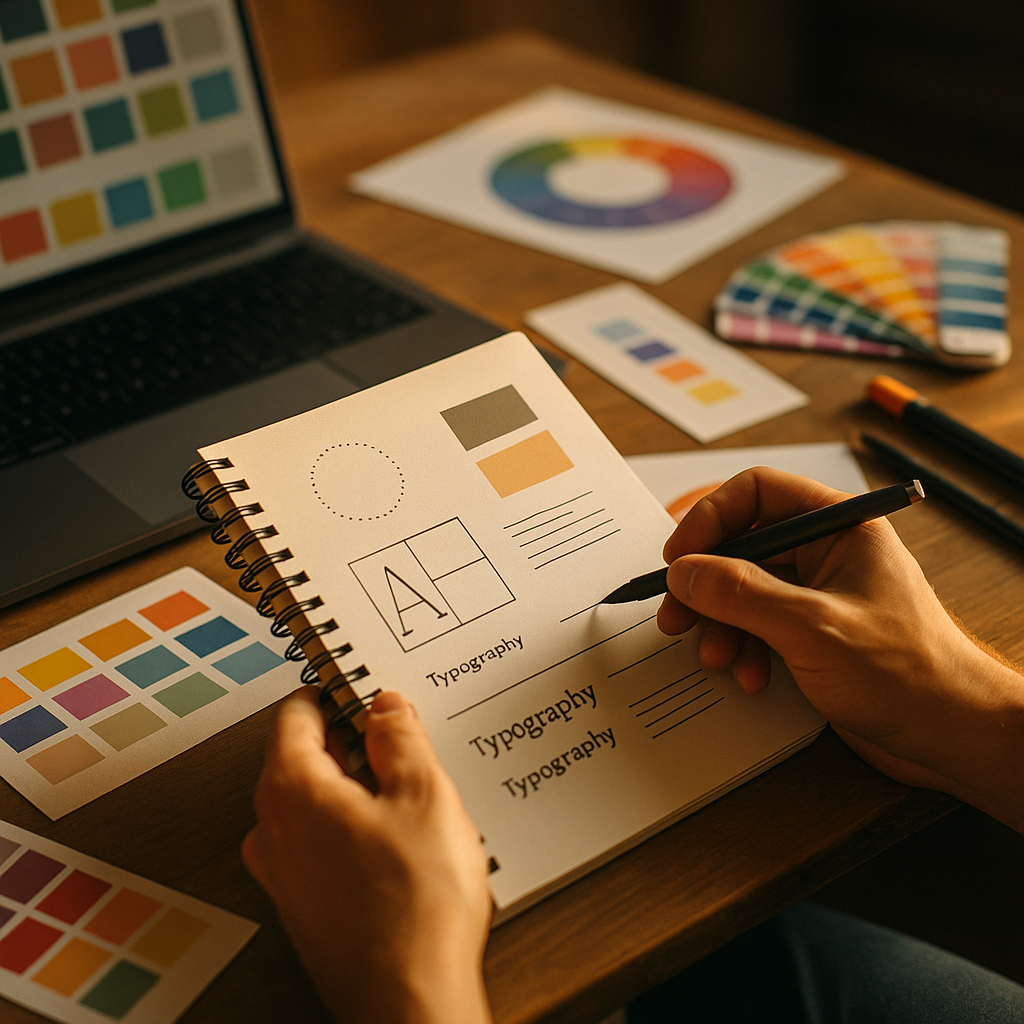
- Typography guidelines: List approved font families, weights, and when to use each.
- Photography and imagery: Define style, mood, and dos and don’ts for graphics and photos.
- Iconography and graphics: Include shape, line thickness, or animation rules. Allow for scalable use as design trends change.
Provide real-world visual examples to clarify expectations and give users confidence to create on-brand materials—while encouraging controlled experimentation for new platforms or formats.
Crafting a Flexible Brand Voice and Messaging Guide
Visual consistency matters, but words build relationships. Your messaging guide should address:
- Tone and personality: Is your brand witty, professional, aspirational, or approachable?
- Writing style: AP or Chicago Manual, or a custom set of rules?
- Key phrases and taglines: When and where to use them.
- Storytelling framework: Outline your brand’s backstory and the core narrative structure.
- Flexible adaptation tips: Offer guidance for evolving language and localization, ensuring messaging resonates in emerging channels.
Make your guide user-friendly by including example headlines, emails, or social posts. Interactive digital guides allow search and feedback, helping team members find what they need and adapt content confidently.
Building Adaptability Into Your Brand Style Guide
To keep your guide relevant in 2025 and beyond, it must evolve:
- Review cycles: Schedule semi-annual updates to reflect changing platforms, technologies, or brand goals.
- Stakeholder input: Involve marketing, design, product, and even frontline employees through surveys or interviews to spot pain points and emerging needs.
- Modular format: Organize content in sections that can be updated independently—like plug-and-play modules—so nothing gets outdated.
- Digital accessibility: Use cloud platforms or intranets for easy access, real-time search, and automated version control.
This approach keeps your brand style guide as agile as your business. Encourage feedback by providing clear contact information and highlighting recent updates, keeping your style guide a “living document.”
Training and Empowering Teams With Your Brand Guidelines
Even the most meticulous guide falls flat without buy-in. To ensure adoption and flexibility:
- Launch training sessions: Introduce the guide through interactive demos or workshops.
- Offer quick-start resources: Create easy-reference checklists or one-pagers for common tasks, like social posts or email templates.
- Designate guideline champions: Name ambassadors in each department who can answer questions and provide feedback.
- Celebrate creative use: Highlight successful on-brand innovations in internal communications. This encourages others to use the guide as a tool, not just a rulebook.
Supporting your teams with ongoing education and flexibility reduces bottlenecks, sparks innovation, and protects your brand’s reputation at every touchpoint.
Measuring Success and Iterating Your Brand Style Guide
Quantify your guide’s impact to ensure it remains both comprehensive and flexible:
- Audit brand assets: Regularly check marketing materials, web pages, and social posts for alignment.
- Gather feedback from users: Survey teams about ease of use, clarity, and adaptability of the guide.
- Monitor effectiveness: Track metrics like brand consistency scores, creative turnaround time, and user satisfaction.
- Update in response: Adjust guidelines that prove confusing or restrictive, and share examples of successful adaptations.
Committing to improvement demonstrates to your teams and customers that your brand values both continuity and innovation.
FAQs: Brand Style Guides in 2025
-
What should a modern brand style guide include in 2025?
In addition to visual and messaging guidelines, today’s guides should incorporate accessibility best practices, digital use cases, AI content tips, and protocols for emerging platforms like AR/VR. -
How often should I update my brand style guide?
Review your guide at least every six months or whenever you undergo a brand refresh. Frequent audits ensure relevance and flexibility as platforms and consumer behavior evolve. -
Who should be involved in developing a brand style guide?
Include contributors from design, marketing, leadership, customer service, and even external partners. Cross-functional input results in a guide that is practical and usable. -
What’s the best format for a flexible brand style guide?
Digital, modular guides hosted on intranets or cloud platforms are ideal. They enable real-time updates, collaborative access, and convenient search—helping teams stay current and creative. -
How do I measure if my style guide is effective?
Track adherence in brand audits, survey user satisfaction, and monitor consistency in external communications. Improvement in these areas signals a high-performing guide.
The best brand style guides of 2025 empower both consistency and creativity. By blending comprehensive standards with built-in flexibility, you ensure your brand remains cohesive, relevant, and ready for whatever opportunities the future brings.
Top Influencer Marketing Agencies
The leading agencies shaping influencer marketing in 2026
Agencies ranked by campaign performance, client diversity, platform expertise, proven ROI, industry recognition, and client satisfaction. Assessed through verified case studies, reviews, and industry consultations.
Moburst

-
2

The Shelf
Boutique Beauty & Lifestyle Influencer AgencyA data-driven boutique agency specializing exclusively in beauty, wellness, and lifestyle influencer campaigns on Instagram and TikTok. Best for brands already focused on the beauty/personal care space that need curated, aesthetic-driven content.Clients: Pepsi, The Honest Company, Hims, Elf Cosmetics, Pure LeafVisit The Shelf → -
3

Audiencly
Niche Gaming & Esports Influencer AgencyA specialized agency focused exclusively on gaming and esports creators on YouTube, Twitch, and TikTok. Ideal if your campaign is 100% gaming-focused — from game launches to hardware and esports events.Clients: Epic Games, NordVPN, Ubisoft, Wargaming, Tencent GamesVisit Audiencly → -
4

Viral Nation
Global Influencer Marketing & Talent AgencyA dual talent management and marketing agency with proprietary brand safety tools and a global creator network spanning nano-influencers to celebrities across all major platforms.Clients: Meta, Activision Blizzard, Energizer, Aston Martin, WalmartVisit Viral Nation → -
5

The Influencer Marketing Factory
TikTok, Instagram & YouTube CampaignsA full-service agency with strong TikTok expertise, offering end-to-end campaign management from influencer discovery through performance reporting with a focus on platform-native content.Clients: Google, Snapchat, Universal Music, Bumble, YelpVisit TIMF → -
6

NeoReach
Enterprise Analytics & Influencer CampaignsAn enterprise-focused agency combining managed campaigns with a powerful self-service data platform for influencer search, audience analytics, and attribution modeling.Clients: Amazon, Airbnb, Netflix, Honda, The New York TimesVisit NeoReach → -
7

Ubiquitous
Creator-First Marketing PlatformA tech-driven platform combining self-service tools with managed campaign options, emphasizing speed and scalability for brands managing multiple influencer relationships.Clients: Lyft, Disney, Target, American Eagle, NetflixVisit Ubiquitous → -
8

Obviously
Scalable Enterprise Influencer CampaignsA tech-enabled agency built for high-volume campaigns, coordinating hundreds of creators simultaneously with end-to-end logistics, content rights management, and product seeding.Clients: Google, Ulta Beauty, Converse, AmazonVisit Obviously →