


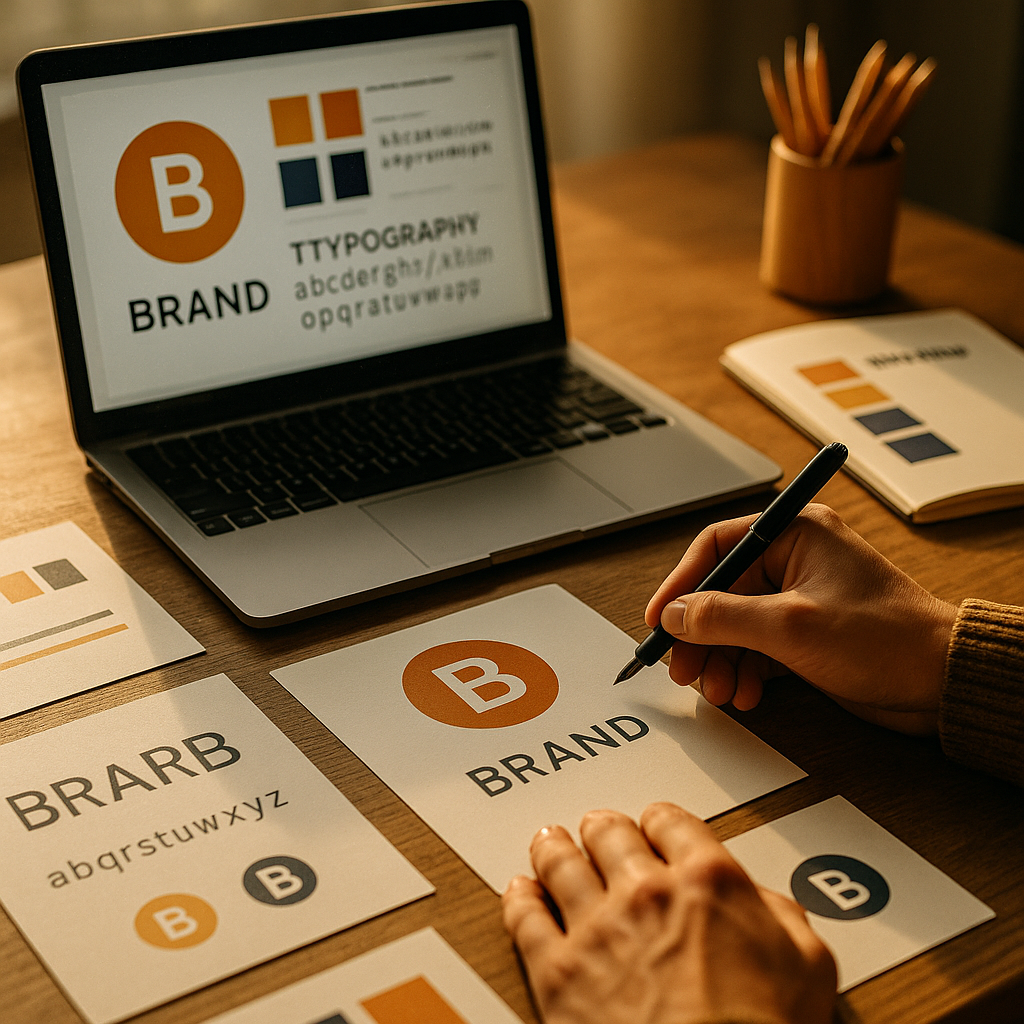
A brand kit is a crucial asset for any business looking to present a consistent, memorable image across all platforms. This guide to creating a brand kit for your business covers every step, from defining your brand’s personality to selecting the right logos and templates. Ready to transform how your audience perceives your brand? Let’s dive into the essentials.
Why a Professional Brand Kit Matters for Brand Consistency
Achieving brand consistency is critical for improving recognition, building trust, and setting your business apart in a crowded marketplace. According to a 2025 survey by Statista, businesses that maintain visual consistency across channels are 3.5 times more likely to enjoy high brand visibility. A professional brand kit serves as your blueprint, keeping every communication in line with your core identity.
Brand consistency does more than unify colors or logos—it streamlines marketing efforts, supports reputation management, and reduces confusion, both internally and externally. By adhering to clear visual and messaging standards, your business becomes instantly recognizable, whether on a website, social media, or physical collateral.
Key Elements of a Comprehensive Brand Kit
Understanding the components of a comprehensive brand kit is essential before you create one. A robust kit doesn’t just showcase your logo—it collects all the visual and written elements that encapsulate your brand identity. Here’s what yours should include:
- Logo Variations: Main logo, condensed logo, monochrome or black-and-white versions, and favicons.
- Color Palette: A set of primary and secondary colors, with HEX, RGB, and CMYK codes for digital and print use.
- Typography: Approved fonts for headlines, body text, and special uses (web and print).
- Imagery Guidelines: Preferred styles for photography, illustrations, iconography, and any visual motifs.
- Brand Voice and Messaging: Key messages, tone of voice, and copywriting dos and don’ts.
- Templates: Brand-approved templates for presentations, social media posts, business cards, and email signatures.
These assets collectively ensure your brand appears polished and coherent at every touchpoint.
Developing Your Brand Personality and Story
Your brand kit should reflect not just how your business looks, but how it feels and communicates. Start by defining your brand personality—are you authoritative, friendly, innovative, or humble? Brand story matters: according to a 2025 Content Marketing Institute report, brands with a clear story retain 55% more customer loyalty.
To build your personality and story:
- Define Core Values: Pinpoint your mission, vision, and guiding principles.
- Craft Your Origin Story: Share why your brand exists, what problem it solves, and the journey so far.
- Outline Your Voice: Give concrete examples of preferred language, phrase choices, and communication style.
- Write Brand Promises: Clearly articulate what your customers can always expect from you.
Document these elements so they’re easy to reference and incorporate into design and communications.
Choosing and Implementing Brand Visuals
Visual identity is the most immediately recognizable aspect of your brand kit. Building a cohesive visual system involves more than just picking colors—it requires thoughtful design choices that reflect your personality and appeal to your target audience. To choose effective visuals:
- Start with Logos: Work with a professional designer to create versatile logo variations suited for different spaces and formats.
- Define Color Guidelines: Select 2-4 primary colors and a few accent shades. Ensure they are accessible and print-ready by testing in different contexts.
- Choose Fonts: Pick font families that are legible, professional, and on-brand. Consider web-safe and print-safe options.
- Standardize Images: Set rules for photography (tone, mood, color grading) and illustrations (line weight, icon style) to maintain a unified look.
All these visual guidelines should be strictly documented, so vendors and employees use them without confusion.
Practical Tips for Creating Reusable Brand Templates
Efficient businesses make branding effortless with templates. Brand templates save time, reduce errors, and help anyone on your team create on-brand documents quickly. Here’s how to set them up:
- Select Key Formats: Determine where your brand shows up most (e.g., pitch decks, invoices, social media).
- Use Design Tools: Platforms like Canva, Adobe Creative Cloud, or Figma streamline template creation.
- Standardize Elements: Incorporate your color palette, fonts, logo positioning, and spacing rules into every template.
- Share Clearly: Store templates in a central location with version control, and offer clear usage instructions.
- Review Regularly: Update templates as your brand evolves to reflect changes in messaging or design.
Templates democratize great design; they empower even non-designers to produce professional materials that reinforce your brand.
Maintaining and Updating Your Brand Kit Over Time
Businesses evolve—your brand kit should, too. Regular audits ensure your assets remain fresh, relevant, and aligned with both your company’s trajectory and current design best practices. Consider these steps for ongoing maintenance:
- Schedule Regular Reviews: Audit your brand kit annually or after major company milestones.
- Solicit Feedback: Ask internal teams and customers if your brand visuals and messages still resonate.
- Monitor Compliance: Use checklists or brand compliance software to ensure guidelines are followed on all platforms.
- Document Changes: Keep a changelog and communicate updates to all stakeholders.
By staying proactive, you ensure your brand kit always reflects the best version of your business and adapts to market trends.
Conclusion: Building a Brand Kit is Key to Long-term Success
A brand kit is more than a design document—it’s your business’s identity in action. By creating a detailed, accessible brand kit and updating it regularly, you lay the foundation for recognition, trust, and loyalty that lasts. Prioritize consistency and clarity to help your brand rise above the noise.
FAQs: Creating a Brand Kit for Your Business
- What is a brand kit?
A brand kit is a comprehensive collection of visual and communication assets (like logos, colors, fonts, and messaging guidelines) that ensures your business presents a consistent identity everywhere. - Why do I need a brand kit?
A brand kit improves recognition, builds customer trust, simplifies marketing, and makes it easier for teams and partners to follow your branding standards. - How often should I update my brand kit?
Regularly review your brand kit at least once a year or after major changes in your business strategy, offerings, or design trends. - What tools are best for creating a brand kit?
Design software such as Adobe Creative Cloud, Canva, and Figma are ideal for building and updating brand kit elements and templates efficiently. - Can a small business benefit from a brand kit?
Absolutely! A brand kit helps businesses of any size project professionalism, unify their messaging, and stand out against competitors.
Top Influencer Marketing Agencies
The leading agencies shaping influencer marketing in 2026
Agencies ranked by campaign performance, client diversity, platform expertise, proven ROI, industry recognition, and client satisfaction. Assessed through verified case studies, reviews, and industry consultations.
Moburst

-
2

The Shelf
Boutique Beauty & Lifestyle Influencer AgencyA data-driven boutique agency specializing exclusively in beauty, wellness, and lifestyle influencer campaigns on Instagram and TikTok. Best for brands already focused on the beauty/personal care space that need curated, aesthetic-driven content.Clients: Pepsi, The Honest Company, Hims, Elf Cosmetics, Pure LeafVisit The Shelf → -
3

Audiencly
Niche Gaming & Esports Influencer AgencyA specialized agency focused exclusively on gaming and esports creators on YouTube, Twitch, and TikTok. Ideal if your campaign is 100% gaming-focused — from game launches to hardware and esports events.Clients: Epic Games, NordVPN, Ubisoft, Wargaming, Tencent GamesVisit Audiencly → -
4

Viral Nation
Global Influencer Marketing & Talent AgencyA dual talent management and marketing agency with proprietary brand safety tools and a global creator network spanning nano-influencers to celebrities across all major platforms.Clients: Meta, Activision Blizzard, Energizer, Aston Martin, WalmartVisit Viral Nation → -
5

The Influencer Marketing Factory
TikTok, Instagram & YouTube CampaignsA full-service agency with strong TikTok expertise, offering end-to-end campaign management from influencer discovery through performance reporting with a focus on platform-native content.Clients: Google, Snapchat, Universal Music, Bumble, YelpVisit TIMF → -
6

NeoReach
Enterprise Analytics & Influencer CampaignsAn enterprise-focused agency combining managed campaigns with a powerful self-service data platform for influencer search, audience analytics, and attribution modeling.Clients: Amazon, Airbnb, Netflix, Honda, The New York TimesVisit NeoReach → -
7

Ubiquitous
Creator-First Marketing PlatformA tech-driven platform combining self-service tools with managed campaign options, emphasizing speed and scalability for brands managing multiple influencer relationships.Clients: Lyft, Disney, Target, American Eagle, NetflixVisit Ubiquitous → -
8

Obviously
Scalable Enterprise Influencer CampaignsA tech-enabled agency built for high-volume campaigns, coordinating hundreds of creators simultaneously with end-to-end logistics, content rights management, and product seeding.Clients: Google, Ulta Beauty, Converse, AmazonVisit Obviously →