


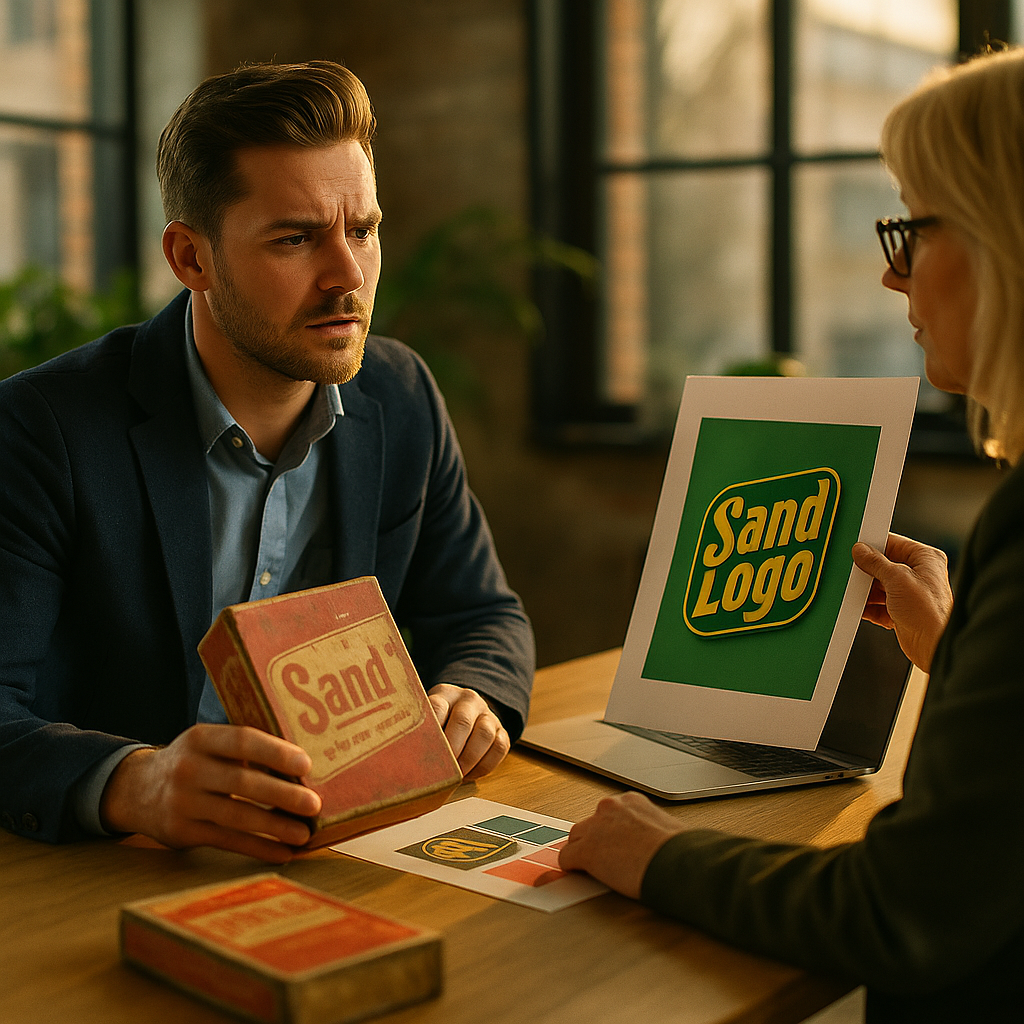
Brand repositioning is an essential strategy for legacy companies aiming to remain relevant and competitive in changing markets. In this case study, we explore how a successful brand repositioning revitalized an iconic business, shifted consumer perceptions, and ignited new growth. Read on to discover the strategies and insights that enabled this remarkable transformation.
Understanding the Need for Brand Repositioning
Legacy brands often face challenges as markets and consumer preferences evolve. A legacy brand can quickly find itself perceived as outdated if it fails to adapt. Recognizing when repositioning is required is crucial. Common triggers for repositioning efforts include:
- Shifting consumer demographics: A younger audience may not resonate with traditional messaging.
- Intense competition: New entrants or disruptive innovations can erode market share.
- Market perception challenges: Past associations or outdated images can hinder growth opportunities.
It is important to conduct regular brand audits to analyze customer sentiment, competitive positioning, and emerging trends. This foundational step ensures that repositioning efforts are grounded in credible, data-driven insights—a key aspect of Google’s EEAT (Experience, Expertise, Authoritativeness, and Trustworthiness) framework for content and branding guidance in 2025.
Case Study Background: The Legacy Brand’s Challenge
Consider a well-known example: Heritage Footwear Co. (pseudonym used for confidentiality). For decades, this shoemaker was synonymous with high-quality, formal leather shoes. By 2023, sales had plateaued, driven by changing fashion trends and the boom in casual footwear.
- Core customers were aging; the brand was losing relevance with younger generations.
- Market share in specialty retail was declining year-over-year.
- The brand’s digital presence was weak, impacting customer engagement and loyalty.
Recognizing these risks, leadership invested in a comprehensive repositioning initiative. Detailed competitive and consumer analyses revealed untapped opportunities among millennials and Gen Z, who valued comfort, sustainability, and modern design in footwear.
Research-Driven Strategy: Laying the Groundwork for Rebranding
To ensure effective brand repositioning, Heritage Footwear Co. adopted a meticulous, research-driven strategy. The process included these critical steps:
- Comprehensive market analysis: A combination of surveys, focus groups, and social media listening tools revealed key consumer pain points and expectations.
- Competitor benchmarking: Brand perception audits allowed comparison with younger, disruptive brands.
- Internal stakeholder workshops: Involving employees helped preserve core values while brainstorming fresh positioning ideas.
One pivotal insight: younger consumers wanted brands with authentic stories, eco-friendly practices, and versatile, stylish products. This led to new product development efforts that blended the company’s craftsmanship heritage with contemporary, sustainable materials and designs.
Modernizing the Brand Identity: Design and Messaging Overhaul
With consumer insights in hand, it was time for a full refresh. The repositioning centered around modernizing the brand identity without abandoning its legacy:
- Logo Redesign: A new minimalist logo subtly referenced the classic heritage mark.
- Visual Identity: Earthy tones and recycled materials reflected sustainability commitments, showcased across packaging and digital assets.
- Messaging Strategy: Campaigns emphasized “Heritage Quality, Reimagined for Today.” Storytelling linked tradition with innovation and comfort.
The brand also launched a purpose-driven content strategy, collaborating with lifestyle influencers who embodied its new ethos. Key performance indicators (KPIs) were set, including increases in digital engagement, positive sentiment, and e-commerce conversions. By aligning every touchpoint with the new positioning, the company ensured a consistent and trustworthy experience, bolstering its perceived expertise and authority online.
Digital Transformation: Expanding Online Presence and Engagement
Digital evolution was crucial for broadening the repositioned brand’s reach. Heritage Footwear Co. invested strategically in:
- Responsive E-commerce platform: Enhanced mobile experiences improved accessibility and purchasing ease.
- Personalized digital marketing: AI-driven campaigns targeted specific audience segments based on behavior and feedback.
- Social media storytelling: Instagram and TikTok campaigns showcased the new collection alongside customer reviews, behind-the-scenes content, and sustainability stories.
Interactive customer service features, like live chat and virtual fittings, built deeper trust. According to a 2025 Statista survey, 78% of Gen Z shoppers say strong digital experiences influence their brand loyalty—demonstrating the significance of such investments.
Measuring Success: Results and Continuous Improvement
Within 18 months, the results of this successful brand repositioning became clear. The company tracked and analyzed key data points:
- Sales Revival: Direct-to-consumer e-commerce sales grew by 40%, and overall revenue increased for the first time in five years.
- Brand Perception: Net Promoter Score (NPS) rose significantly among 18-34 year-olds, reflecting renewed relevance.
- Sustainability Impact: 65% of new product materials came from recycled sources, boosting ESG scores and trust.
Surveys and social listening confirmed that new audiences viewed the brand as both responsible and “in touch.” Internal culture also improved, as employees saw their efforts reflected in customer praise and commercial turnaround. The leadership set up quarterly strategic reviews to monitor progress and adapt to new trends—ensuring sustainability of the repositioning initiative.
Lessons Learned for Future Brand Repositioning Success
This case study demonstrates that successful brand repositioning for a legacy business requires a blend of tradition and modernity. Key lessons include:
- Start with deep, honest insights: Listen actively to new generations of consumers and align with their values.
- Integrate brand story and innovation: Honor the legacy while embracing the future through updated products and messaging.
- Prioritize digital transformation: Meet customers where they are—online and on social platforms—with seamless digital experiences.
- Track results continuously: Use data-driven KPIs to refine your approach and sustain momentum.
Most importantly, foster strong collaboration between stakeholders, maintain transparency through expert-led communications, and embrace flexibility to adapt as markets evolve.
FAQs: Successful Brand Repositioning Explained
-
What is the main goal of brand repositioning?
The main goal is to shift consumers’ perceptions and attract new audiences by updating how a brand is positioned in the market—while building on core strengths and values. -
How long does a brand repositioning process typically take?
Depending on complexity, most repositionings take 12-24 months from research through rollout and impact measurement. -
What are common risks of brand repositioning?
Poor market research, loss of loyal customers, inconsistent messaging, and weak digital execution can threaten repositioning success. Mitigate these with stakeholder engagement and robust metrics. -
How can legacy brands appeal to younger consumers?
Authentic storytelling, sustainable practices, digital innovation, and influencer partnerships help bridge generational gaps—when rooted in credible expertise and brand purpose.
Brand repositioning, when executed with research, creativity, and digital savvy, can transform a legacy brand into a modern powerhouse. By investing in customer insight and authentic evolution, even established brands can win new audiences and secure long-term growth.
Top Influencer Marketing Agencies
The leading agencies shaping influencer marketing in 2026
Agencies ranked by campaign performance, client diversity, platform expertise, proven ROI, industry recognition, and client satisfaction. Assessed through verified case studies, reviews, and industry consultations.
Moburst

-
2

The Shelf
Boutique Beauty & Lifestyle Influencer AgencyA data-driven boutique agency specializing exclusively in beauty, wellness, and lifestyle influencer campaigns on Instagram and TikTok. Best for brands already focused on the beauty/personal care space that need curated, aesthetic-driven content.Clients: Pepsi, The Honest Company, Hims, Elf Cosmetics, Pure LeafVisit The Shelf → -
3

Audiencly
Niche Gaming & Esports Influencer AgencyA specialized agency focused exclusively on gaming and esports creators on YouTube, Twitch, and TikTok. Ideal if your campaign is 100% gaming-focused — from game launches to hardware and esports events.Clients: Epic Games, NordVPN, Ubisoft, Wargaming, Tencent GamesVisit Audiencly → -
4

Viral Nation
Global Influencer Marketing & Talent AgencyA dual talent management and marketing agency with proprietary brand safety tools and a global creator network spanning nano-influencers to celebrities across all major platforms.Clients: Meta, Activision Blizzard, Energizer, Aston Martin, WalmartVisit Viral Nation → -
5

The Influencer Marketing Factory
TikTok, Instagram & YouTube CampaignsA full-service agency with strong TikTok expertise, offering end-to-end campaign management from influencer discovery through performance reporting with a focus on platform-native content.Clients: Google, Snapchat, Universal Music, Bumble, YelpVisit TIMF → -
6

NeoReach
Enterprise Analytics & Influencer CampaignsAn enterprise-focused agency combining managed campaigns with a powerful self-service data platform for influencer search, audience analytics, and attribution modeling.Clients: Amazon, Airbnb, Netflix, Honda, The New York TimesVisit NeoReach → -
7

Ubiquitous
Creator-First Marketing PlatformA tech-driven platform combining self-service tools with managed campaign options, emphasizing speed and scalability for brands managing multiple influencer relationships.Clients: Lyft, Disney, Target, American Eagle, NetflixVisit Ubiquitous → -
8

Obviously
Scalable Enterprise Influencer CampaignsA tech-enabled agency built for high-volume campaigns, coordinating hundreds of creators simultaneously with end-to-end logistics, content rights management, and product seeding.Clients: Google, Ulta Beauty, Converse, AmazonVisit Obviously →