


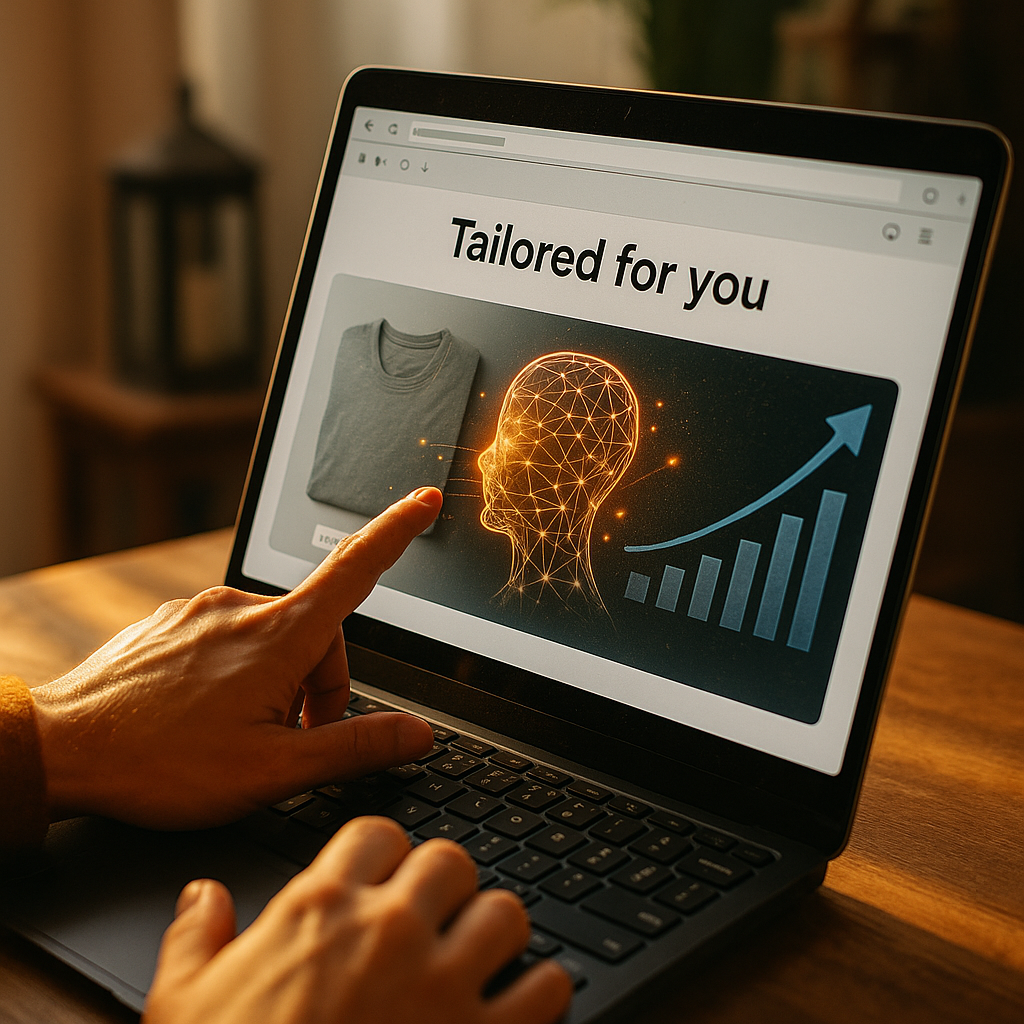
Using AI to personalize your landing pages based on the visitor’s source is rapidly becoming essential for digital marketers in 2025. With consumer expectations higher than ever, relevant landing page experiences can dramatically boost conversion rates. Discover how cutting-edge artificial intelligence delivers tailored content that resonates with every unique visitor, and learn actionable strategies to implement AI-powered personalization today.
Understanding Visitor Source: The Foundation of Personalization
Effective landing page personalization starts by analyzing how users arrive on your site. Visitor source analysis includes identifying whether the visitor came from an organic Google search, a paid ad campaign, a social media post, or a referral link. This data provides crucial context about their intent, interests, and stage in the buying journey.
Modern analytics tools—often enhanced by AI—aggregate and categorize inbound traffic in real time. AI algorithms can then segment this audience and uncover patterns, such as:
- Paid search visitors often need concise value propositions and strong calls-to-action.
- Referral traffic may be influenced by the referring site’s audience profile or messaging style.
- Social media clicks respond well to engaging visuals and concise copy.
Understanding these distinctions is crucial for customizing landing page elements to fit user expectations and maximize engagement.
How AI Automates Landing Page Personalization
The role of AI-driven landing page optimization has expanded significantly. AI can now process vast datasets, learning from user behaviors across multiple sessions. Personalized landing pages powered by AI automatically adapt key elements such as:
- Headline Copy
- Visuals and Videos
- Call-to-Action (CTA) Buttons
- Product Recommendations
- Form Length and Layout
For example, an AI tool might detect that visitors from Instagram engage more with short videos than with long-form text. In response, the landing page presented to Instagram users would prioritize video content above the fold.
What sets AI apart in 2025 is the ability to iterate and optimize content on the fly, learning from each user interaction. This ensures your landing pages remain dynamically relevant, translating into higher dwell times, lower bounce rates, and improved ROI for your marketing campaigns.
Best Practices for Using AI in Source-Based Personalization
Maximizing the impact of personalized landing page experiences with AI involves more than just technology. Brands need proven strategies structured around transparency, trust, and data-driven decision making. Adopting these best practices helps satisfy both users and search engines:
- Map User Journeys by Source: Understand how different sources indicate diverse intentions and engagement patterns.
- Align Content with Visitor Expectations: Use AI to ensure language, layout, and value propositions match the context provided by the source.
- Apply Continuous Learning: Let AI models refresh and update personalization rules based on ongoing split-testing results and feedback.
- Respect Privacy and Consent: Be transparent about personalization, honor privacy preferences, and comply with all applicable data regulations.
- Monitor and Measure Impact: Use robust analytics to evaluate how personalized landing pages are influencing user behavior and conversions by source.
Integrating these practices ensures you provide helpful, meaningful, and ethical user experiences—delivering on Google’s E-E-A-T (Experience, Expertise, Authority, Trust) framework for content.
Top AI Tools for Creating Personalized Landing Pages
The landscape of AI-powered landing page builders has matured in 2025, with several platforms leveraging machine learning for real-time customization. Key features to look for include:
- Source detection and audience segmentation capabilities
- Automated A/B and multivariate testing to optimize layouts and messaging
- Dynamic content insertion based on referral data, geolocation, and user behavior
- Privacy compliance modules and user consent management
- Integration with CRM and marketing automation platforms
Leading solutions now support seamless connections with ad platforms and analytics tools, enabling marketers to serve unique experiences to every visitor. The best tools not only personalize content, but also summarize performance insights and actionable next steps for ongoing improvement.
Real-World Results: Impact of AI Personalization by Source
Case studies from across industries demonstrate the powerful results of AI personalized landing pages. B2B SaaS companies, for instance, have reported conversion rate increases of 18-35% after tailoring demos and case studies by referral source. E-commerce brands have seen a 22% reduction in bounce rates when customizing product recommendations based on ad campaign data.
A recent 2025 survey found that 87% of marketers using AI personalization by visitor source achieved measurable ROI within the first three months. The key? Rapid experimentation and granular segmentation empower ongoing optimizations—delivering the right message to the right person at the right time.
Furthermore, user satisfaction steadily improves when content matches intent, with lower frustration leading to more completed actions and higher likelihood of return visits.
Getting Started: Steps to Implement AI Personalization Now
If you want to launch AI-driven landing pages tailored by visitor source, follow these actionable steps:
- Audit your current landing page performance segmented by referral type.
- Select an AI personalization tool compatible with your CMS and analytics stack.
- Set up source tracking (UTMs, referrer data, ad campaign integration).
- Develop baseline variations for each key source (e.g., search, social, ads, referrals).
- Train your AI models with initial user interaction data.
- Monitor, analyze, and iterate: let AI learn and optimize continuously.
Focus on quick wins and scale up as you demonstrate positive results. The more data your AI can ingest, the smarter your landing pages become—driving better business outcomes.
FAQs: Using AI to Personalize Landing Pages by Visitor Source
-
Is AI personalization suitable for small businesses?
Yes. Many affordable, user-friendly AI landing page tools offer scalable personalization, making advanced capabilities accessible to businesses of all sizes. -
What data is needed for effective source-based personalization?
Key data includes UTM parameters, referral URLs, behavioral data, and campaign tags. The more granular your traffic source segmentation, the more precise your personalization can be. -
Does AI-based personalization affect SEO?
When implemented responsibly, AI personalization can improve SEO by raising engagement, lowering bounce rates, and delivering more relevant content—all factors Google rewards. Ensure server-side rendering and avoid cloaking for best results. -
What are the privacy concerns of AI personalization?
Always seek user consent for data usage, provide opt-out options, and comply with GDPR and other regulations. Trust is fundamental in all personalized marketing. -
How fast can I expect results from personalized landing pages?
Most marketers observe measurable improvements in key metrics such as conversions and engagement within the first few weeks, with ongoing gains as AI models learn over time.
AI-powered landing page personalization by visitor source is a high-impact strategy that’s now achievable for brands of all sizes. Tailoring content to user intent not only lifts conversions, but also builds meaningful, loyal relationships. Start experimenting with AI today to unlock better business results and deliver truly helpful digital experiences.
Top Influencer Marketing Agencies
The leading agencies shaping influencer marketing in 2026
Agencies ranked by campaign performance, client diversity, platform expertise, proven ROI, industry recognition, and client satisfaction. Assessed through verified case studies, reviews, and industry consultations.
Moburst

-
2

The Shelf
Boutique Beauty & Lifestyle Influencer AgencyA data-driven boutique agency specializing exclusively in beauty, wellness, and lifestyle influencer campaigns on Instagram and TikTok. Best for brands already focused on the beauty/personal care space that need curated, aesthetic-driven content.Clients: Pepsi, The Honest Company, Hims, Elf Cosmetics, Pure LeafVisit The Shelf → -
3

Audiencly
Niche Gaming & Esports Influencer AgencyA specialized agency focused exclusively on gaming and esports creators on YouTube, Twitch, and TikTok. Ideal if your campaign is 100% gaming-focused — from game launches to hardware and esports events.Clients: Epic Games, NordVPN, Ubisoft, Wargaming, Tencent GamesVisit Audiencly → -
4

Viral Nation
Global Influencer Marketing & Talent AgencyA dual talent management and marketing agency with proprietary brand safety tools and a global creator network spanning nano-influencers to celebrities across all major platforms.Clients: Meta, Activision Blizzard, Energizer, Aston Martin, WalmartVisit Viral Nation → -
5

The Influencer Marketing Factory
TikTok, Instagram & YouTube CampaignsA full-service agency with strong TikTok expertise, offering end-to-end campaign management from influencer discovery through performance reporting with a focus on platform-native content.Clients: Google, Snapchat, Universal Music, Bumble, YelpVisit TIMF → -
6

NeoReach
Enterprise Analytics & Influencer CampaignsAn enterprise-focused agency combining managed campaigns with a powerful self-service data platform for influencer search, audience analytics, and attribution modeling.Clients: Amazon, Airbnb, Netflix, Honda, The New York TimesVisit NeoReach → -
7

Ubiquitous
Creator-First Marketing PlatformA tech-driven platform combining self-service tools with managed campaign options, emphasizing speed and scalability for brands managing multiple influencer relationships.Clients: Lyft, Disney, Target, American Eagle, NetflixVisit Ubiquitous → -
8

Obviously
Scalable Enterprise Influencer CampaignsA tech-enabled agency built for high-volume campaigns, coordinating hundreds of creators simultaneously with end-to-end logistics, content rights management, and product seeding.Clients: Google, Ulta Beauty, Converse, AmazonVisit Obviously →