


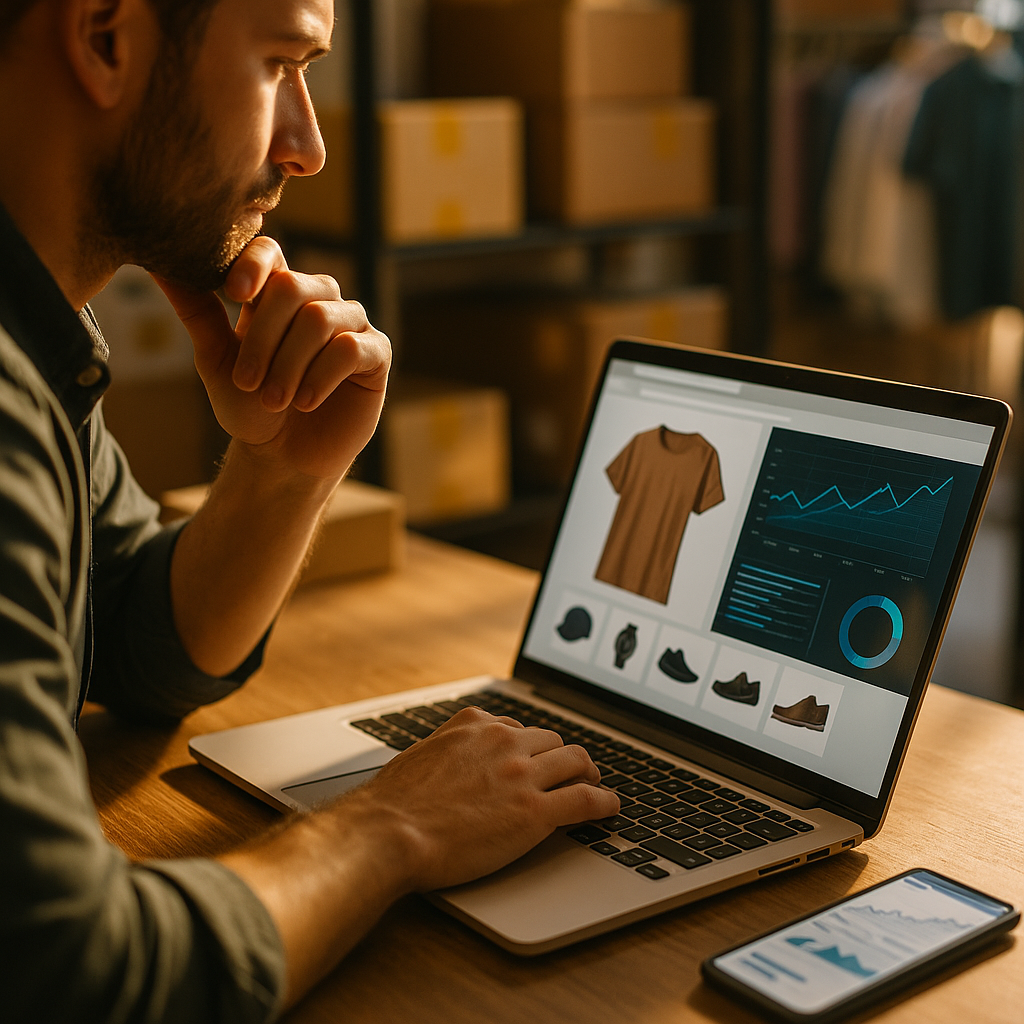
Using AI to personalize your e-commerce product recommendations based on real-time behavior can drive customer satisfaction, boost conversions, and increase loyalty. Leveraging artificial intelligence for adaptive recommendations lets you predict and serve products shoppers actually want, the moment they want them. Discover how AI transforms dynamic shopping experiences and why it’s a game-changer for modern e-commerce success.
Why Real-Time Behavior Matters in Product Personalization
Understanding shopper actions as they happen is crucial for delivering effective personalized product recommendations. Unlike demographic-based suggestions, real-time behavior data offers granular insight into what your customer is interested in—right now. This includes:
- Browsing history within the current session
- Clicks, page interactions, and dwell time
- Cart additions and wish list updates
- Search queries and navigation paths
By analyzing these signals, AI-driven engines can adapt recommendations with precision. For instance, if a user lingers on fitness gear, your platform can instantly highlight trending athletic wear, addressing their current intent rather than relying solely on past purchases. This agility significantly increases the chances of conversions and keeps the shopping journey engaging.
How AI Algorithms Power Dynamic Product Discovery
Artificial intelligence leverages machine learning and deep learning models to process real-time behavioral data at scale. These models prioritize products by:
- Identifying emerging patterns unique to each user
- Predicting next-best items based on context and preferences
- Adjusting suggestions as users interact with new content
- Factoring in popularity trends and inventory changes
Major e-commerce platforms in 2025 deploy algorithms like collaborative filtering, natural language processing, and graph-based models to serve hyper-relevant recommendations instantly. The result? Shoppers discover products tailored to their true interests, not just generic best-sellers. This keeps your audience engaged and reduces the chances of abandoning carts or browsing sessions.
Integrating Real-Time Recommendation Systems Seamlessly
Blending AI-powered product recommendations with your current e-commerce stack doesn’t have to be complex. Leading solutions provide APIs and plug-ins designed for popular platforms such as Shopify, Magento, and Salesforce Commerce Cloud. To ensure seamless integration and business value, best practices include:
- Continuously syncing behavioral data from all digital touchpoints
- Ensuring lightweight, non-intrusive UI placements for recommendations
- Setting clear goals (e.g., increasing upsells, reducing bounce rates)
- Running A/B tests and performance monitoring to optimize outcomes
Remember, customer trust is essential—always maintain transparency regarding data usage and empower shoppers with recommendation controls.
Maximizing Revenue with Personalized Upselling and Cross-Selling
By personalizing recommendations in real time, AI enables advanced upselling and cross-selling strategies. For example, if a customer adds a smartphone to their cart, AI can instantly suggest complementary accessories (cases, chargers) or premium upgrades they’re most likely to value based on session behavior. Advantages include:
- Higher average order value through contextually relevant bundles
- Improved customer satisfaction with product suggestions that make sense in the moment
- Increased loyalty from a shopping experience that feels genuinely helpful
In fact, industry reports from early 2025 indicate that retailers using real-time AI-powered recommendations see up to a 25% increase in cart conversion rates. This demonstrates the direct revenue impact of intelligent personalization.
Building Trust and Meeting EEAT Standards in Personalized Recommendations
EEAT (Experience, Expertise, Authoritativeness, and Trustworthiness) remains the cornerstone of effective, credible e-commerce. When employing AI to personalize recommendations based on real-time behavior:
- Transparency: Clearly inform customers about how AI-driven suggestions work and how behavioral data is collected and used.
- Control: Provide options to adjust or opt out of personalized recommendations, empowering users over their shopping experience.
- Accuracy: Routinely audit algorithms for bias and relevance, ensuring suggestions truly reflect user interests and needs.
- Security: Implement robust data protection measures and demonstrate compliance with global privacy laws.
Aligning your AI strategies with EEAT builds trust, strengthens your brand reputation, and supports sustainable customer relationships—keys to long-term e-commerce success.
The Future of AI-Driven Personalization in E-Commerce
The landscape of AI-powered personalization is rapidly evolving. In 2025 and beyond, expect greater integration of voice-based commerce, augmented reality, and even hyper-localization within recommendation engines. Continuous advances in AI will allow for seamless omnichannel personalization, connecting online, mobile, and in-store experiences effortlessly. Staying adaptive and prioritizing user-centric design puts your brand at the forefront of digital commerce innovation.
Personalizing your e-commerce product recommendations using AI and real-time behavior delivers measurable gains in customer engagement, conversion rates, and brand loyalty. Prioritize transparency, relevance, and data ethics, and your organization will outperform competitors in the fast-evolving world of online retail.
Frequently Asked Questions
-
How does AI use real-time behavior to personalize recommendations?
AI analyzes actions like page views, clicks, and searches as they happen, adapting product suggestions instantly to match the shopper’s current intent and preferences.
-
Is customer data safe when using AI-driven recommendations?
Yes, reputable AI tools comply with strict security standards and privacy laws. Choose solutions that are transparent about data use and offer customer controls.
-
Will integrating AI recommendations slow down my website?
Modern AI solutions are optimized for speed and scalability. Performance best practices ensure that recommendations load quickly without affecting page speed.
-
Do personalized recommendations actually increase sales?
Absolutely. Reports in 2025 show that real-time personalized recommendations can lift conversion rates and average order values by up to 25%.
-
Can small businesses benefit from AI-powered personalization?
Yes. AI recommendation tools have become accessible and affordable, allowing businesses of all sizes to implement personalization and compete with larger retailers.
Top Influencer Marketing Agencies
The leading agencies shaping influencer marketing in 2026
Agencies ranked by campaign performance, client diversity, platform expertise, proven ROI, industry recognition, and client satisfaction. Assessed through verified case studies, reviews, and industry consultations.
Moburst

-
2

The Shelf
Boutique Beauty & Lifestyle Influencer AgencyA data-driven boutique agency specializing exclusively in beauty, wellness, and lifestyle influencer campaigns on Instagram and TikTok. Best for brands already focused on the beauty/personal care space that need curated, aesthetic-driven content.Clients: Pepsi, The Honest Company, Hims, Elf Cosmetics, Pure LeafVisit The Shelf → -
3

Audiencly
Niche Gaming & Esports Influencer AgencyA specialized agency focused exclusively on gaming and esports creators on YouTube, Twitch, and TikTok. Ideal if your campaign is 100% gaming-focused — from game launches to hardware and esports events.Clients: Epic Games, NordVPN, Ubisoft, Wargaming, Tencent GamesVisit Audiencly → -
4

Viral Nation
Global Influencer Marketing & Talent AgencyA dual talent management and marketing agency with proprietary brand safety tools and a global creator network spanning nano-influencers to celebrities across all major platforms.Clients: Meta, Activision Blizzard, Energizer, Aston Martin, WalmartVisit Viral Nation → -
5

The Influencer Marketing Factory
TikTok, Instagram & YouTube CampaignsA full-service agency with strong TikTok expertise, offering end-to-end campaign management from influencer discovery through performance reporting with a focus on platform-native content.Clients: Google, Snapchat, Universal Music, Bumble, YelpVisit TIMF → -
6

NeoReach
Enterprise Analytics & Influencer CampaignsAn enterprise-focused agency combining managed campaigns with a powerful self-service data platform for influencer search, audience analytics, and attribution modeling.Clients: Amazon, Airbnb, Netflix, Honda, The New York TimesVisit NeoReach → -
7

Ubiquitous
Creator-First Marketing PlatformA tech-driven platform combining self-service tools with managed campaign options, emphasizing speed and scalability for brands managing multiple influencer relationships.Clients: Lyft, Disney, Target, American Eagle, NetflixVisit Ubiquitous → -
8

Obviously
Scalable Enterprise Influencer CampaignsA tech-enabled agency built for high-volume campaigns, coordinating hundreds of creators simultaneously with end-to-end logistics, content rights management, and product seeding.Clients: Google, Ulta Beauty, Converse, AmazonVisit Obviously →