


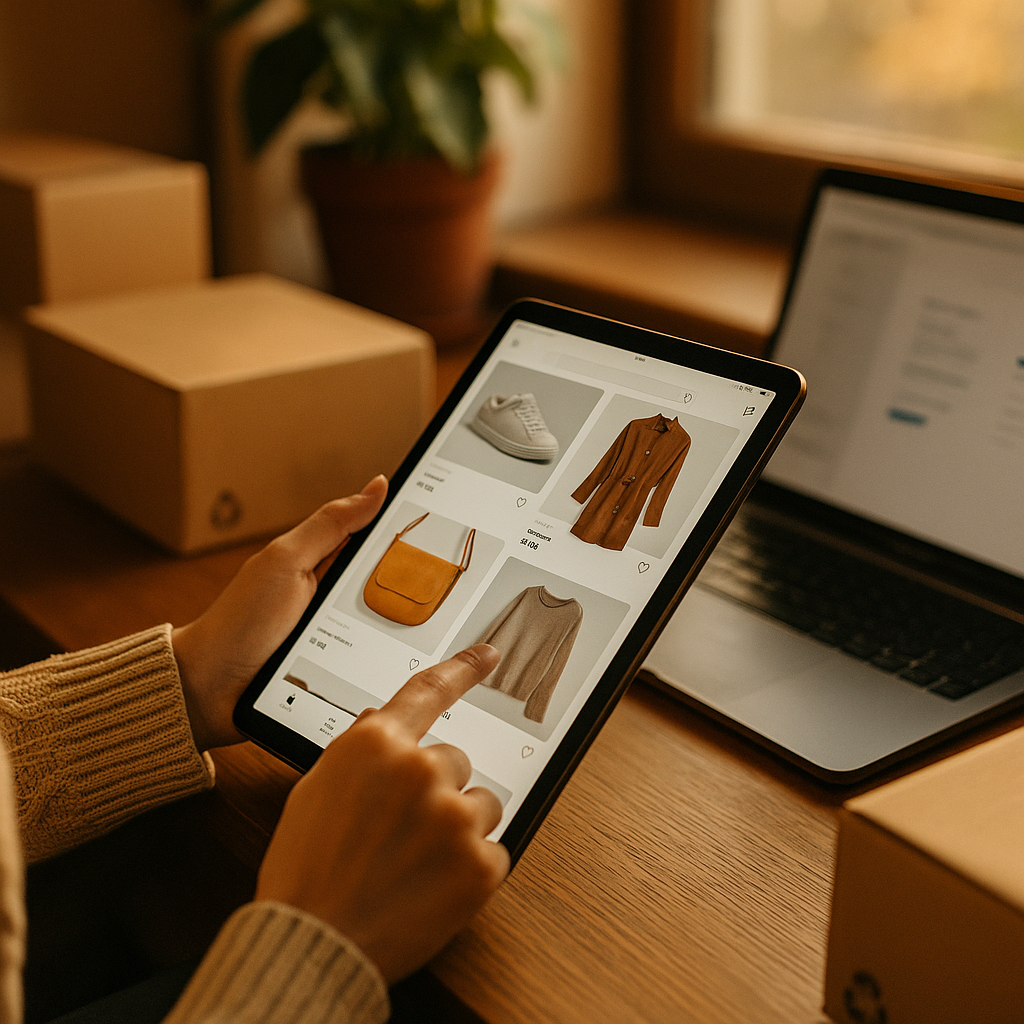
Headless e-commerce is transforming how brands engage shoppers online, enabling personalized, seamless experiences across channels. As merchants decouple their front and backends, customer touchpoints become faster, richer, and smarter. But what does this cutting-edge approach really mean for customer experience? Discover why headless e-commerce is shaping the future of online shopping.
The Evolution of Digital Commerce Platforms
The traditional “monolithic” approach to digital commerce connected your storefront’s visual layer directly to back-end systems like inventory and checkout. While effective for years, this setup made customizations and omnichannel integration challenging. In 2025, headless commerce architecture has soared in adoption. By separating the customer-facing frontend (or “head”) from backend infrastructure, brands gain the agility needed to innovate quickly and serve shoppers wherever they are.
This evolution is a direct answer to ever-changing consumer expectations. According to the 2025 Retail Tech Insights report, 67% of retailers using headless platforms cited improved flexibility and accelerated digital project launches as primary benefits. The shift signals a broader move towards API-driven, modular systems able to integrate with apps, experiences, and devices beyond the website—fueling a competitive edge.
Key Advantages of Headless E-commerce for Retailers
Retailers adopting headless e-commerce enjoy a host of operational benefits that ripple through to the end customer. Central among these is speed. Faster load times, real-time inventory updates, and seamless shopping across channels deliver a frictionless experience shoppers crave in 2025. Let’s look at the specific strengths:
- Personalization: Easily integrate AI, dynamic content, and user data for highly relevant shopping journeys.
- Omnichannel Consistency: Deliver unified brand experiences from web to mobile apps to social commerce and even voice assistants.
- Agile Innovation: Rapidly launch new features and touchpoints—think shoppable videos, progressive web apps, or AR try-ons—without disrupting the backend.
- Reduced Time to Market: Frontend and backend teams work independently, slashing development cycles and powering faster campaigns.
- Future-Proofing: API-driven platforms adapt easily to emerging technologies and new consumer trends.
Ultimately, these strengths empower brands to meet today’s customer expectations—for speed, personalization, and seamless shopping—head-on.
How Headless E-commerce Enhances Customer Experience
Modern shoppers don’t think in channels—they expect intuitive, instant, personalized experiences no matter how or where they engage. Headless e-commerce directly addresses these high expectations. Here’s how this architecture transforms the customer journey:
- Ultra-fast Websites and Apps: Decoupled systems reduce page load times. Google’s 2025 UX Study found a 20% increase in conversion rates among brands using headless technology for sub-second load times.
- Seamless Omnichannel Shopping: Customers start on a social ad, add to cart on mobile, and checkout on desktop—without losing progress or personalization.
- Dynamic, Relevant Content: Headless tools enable real-time updates, custom landing pages based on user segments, and AI-powered recommendations that feel natural and helpful.
- Accessibility and Inclusivity: Frontends can be tailored to different devices and user needs, improving digital access and compliance with evolving standards.
- Lower Friction at Checkout: Flexible integrations with payment providers and fulfillment services streamline the path to purchase.
Brands like Nike, Sephora, and tech startups alike use headless infrastructure to fuel interactive product discovery, customized offers, and instant support—removing the roadblocks that frustrate and lose customers.
Implementing Headless E-commerce: Key Considerations and Challenges
While the impact of headless e-commerce on customer experience is overwhelmingly positive, the transition is not without complexity. Successful implementation demands a strategic approach:
- Technical Expertise: Headless architecture relies on skilled development teams familiar with APIs and microservices.
- Initial Investment: Upfront costs and planning may outpace traditional builds, requiring a clear ROI strategy and change management.
- Platform Selection: Choose robust APIs, composable architectures, and trusted vendors with proven security, scalability, and uptime.
- Cross-functional Collaboration: Foster tight alignment between marketing, product, and tech teams, as frontend and backend can now innovate independently but must remain in sync.
- Continuous Optimization: Headless systems offer flexibility but require ongoing monitoring, analytics, and user feedback to refine customer journeys.
Retailers must weigh these challenges against their digital maturity and resources, but in 2025, the gulf between headless early adopters and laggards is widening. Those who invest not only delight customers but safeguard future adaptability.
Case Studies: Brands Leveraging Headless Commerce in 2025
A range of retailers—from heritage brands to DTC disruptors—are showcasing the power of headless e-commerce in transforming the shopping experience:
- Global Footwear Brand: After moving to headless in early 2025, this retailer cut website load times from 6 seconds to under 2 seconds, lifting mobile conversion rates by 18%.
- Luxury Beauty Retailer: By integrating AR try-ons, shoppable livestreams, and localized content through headless APIs, their digital engagement doubled within six months.
- Sports Apparel Startup: Leveraging a headless API-first stack, this business deployed unique branded storefronts for each region, matching local languages, currencies, and product mixes, resulting in 40% growth in new markets.
Across categories, these results point to a clear trend: brands investing in headless commerce are raising the bar for customer experience, speed, and innovation across every digital touchpoint.
The Future of Headless E-commerce and Customer-Centric Innovation
As we move further into 2025, headless e-commerce has become a key enabler for future-forward retail strategies. With consumer attention fragmented across devices and platforms, the ability to offer unified, delightful experiences is more critical than ever. Emerging technologies—like AI-driven personalization, social commerce, and voice shopping—are best harnessed through modular, API-based systems.
For merchants, the message is clear: headless commerce isn’t a fad. It’s a foundation for agile, data-driven, and customer-obsessed digital retail. Success will increasingly depend on a brand’s ability to leverage these tools—not just for today’s needs, but in anticipation of tomorrow’s shopping behaviors.
FAQs about Headless E-commerce and Customer Experience
-
What is headless e-commerce?
Headless e-commerce is an architecture where the frontend (storefront, app, or experience) is separated from the backend (product, order, customer management), connected via APIs. This allows brands to deliver faster, more flexible, and personalized shopping experiences.
-
How does headless commerce improve customer experience?
By enabling lightning-fast load times, rich personalization, and consistent experiences across channels—web, mobile, social, and more—headless commerce eliminates friction points and empowers brands to fully focus on customer needs.
-
Is headless commerce suitable for small businesses?
Headless solutions are increasingly accessible to businesses of all sizes. While they were once the domain of enterprises, many SaaS providers in 2025 now offer plug-and-play headless tools catered to startups and mid-sized brands.
-
What are the main challenges with implementing headless commerce?
The primary challenges involve initial technical investment, the need for skilled development, and ongoing cross-department collaboration. However, the long-term benefits in flexibility and customer satisfaction often outweigh these hurdles.
-
How can I decide if headless e-commerce is right for my business?
Consider your current digital maturity, ability to invest in technology, and customer experience goals. If flexibility, omnichannel selling, and rapid innovation are priorities, headless commerce is likely the ideal path forward.
Headless e-commerce enables brands to craft faster, smarter, and seamless shopping journeys—delighting customers in every channel. By embracing this flexible architecture, retailers stay ahead in an evolving marketplace, powering personalized experiences that win loyalty in 2025 and beyond.
Top Influencer Marketing Agencies
The leading agencies shaping influencer marketing in 2026
Agencies ranked by campaign performance, client diversity, platform expertise, proven ROI, industry recognition, and client satisfaction. Assessed through verified case studies, reviews, and industry consultations.
Moburst

-
2

The Shelf
Boutique Beauty & Lifestyle Influencer AgencyA data-driven boutique agency specializing exclusively in beauty, wellness, and lifestyle influencer campaigns on Instagram and TikTok. Best for brands already focused on the beauty/personal care space that need curated, aesthetic-driven content.Clients: Pepsi, The Honest Company, Hims, Elf Cosmetics, Pure LeafVisit The Shelf → -
3

Audiencly
Niche Gaming & Esports Influencer AgencyA specialized agency focused exclusively on gaming and esports creators on YouTube, Twitch, and TikTok. Ideal if your campaign is 100% gaming-focused — from game launches to hardware and esports events.Clients: Epic Games, NordVPN, Ubisoft, Wargaming, Tencent GamesVisit Audiencly → -
4

Viral Nation
Global Influencer Marketing & Talent AgencyA dual talent management and marketing agency with proprietary brand safety tools and a global creator network spanning nano-influencers to celebrities across all major platforms.Clients: Meta, Activision Blizzard, Energizer, Aston Martin, WalmartVisit Viral Nation → -
5

The Influencer Marketing Factory
TikTok, Instagram & YouTube CampaignsA full-service agency with strong TikTok expertise, offering end-to-end campaign management from influencer discovery through performance reporting with a focus on platform-native content.Clients: Google, Snapchat, Universal Music, Bumble, YelpVisit TIMF → -
6

NeoReach
Enterprise Analytics & Influencer CampaignsAn enterprise-focused agency combining managed campaigns with a powerful self-service data platform for influencer search, audience analytics, and attribution modeling.Clients: Amazon, Airbnb, Netflix, Honda, The New York TimesVisit NeoReach → -
7

Ubiquitous
Creator-First Marketing PlatformA tech-driven platform combining self-service tools with managed campaign options, emphasizing speed and scalability for brands managing multiple influencer relationships.Clients: Lyft, Disney, Target, American Eagle, NetflixVisit Ubiquitous → -
8

Obviously
Scalable Enterprise Influencer CampaignsA tech-enabled agency built for high-volume campaigns, coordinating hundreds of creators simultaneously with end-to-end logistics, content rights management, and product seeding.Clients: Google, Ulta Beauty, Converse, AmazonVisit Obviously →