


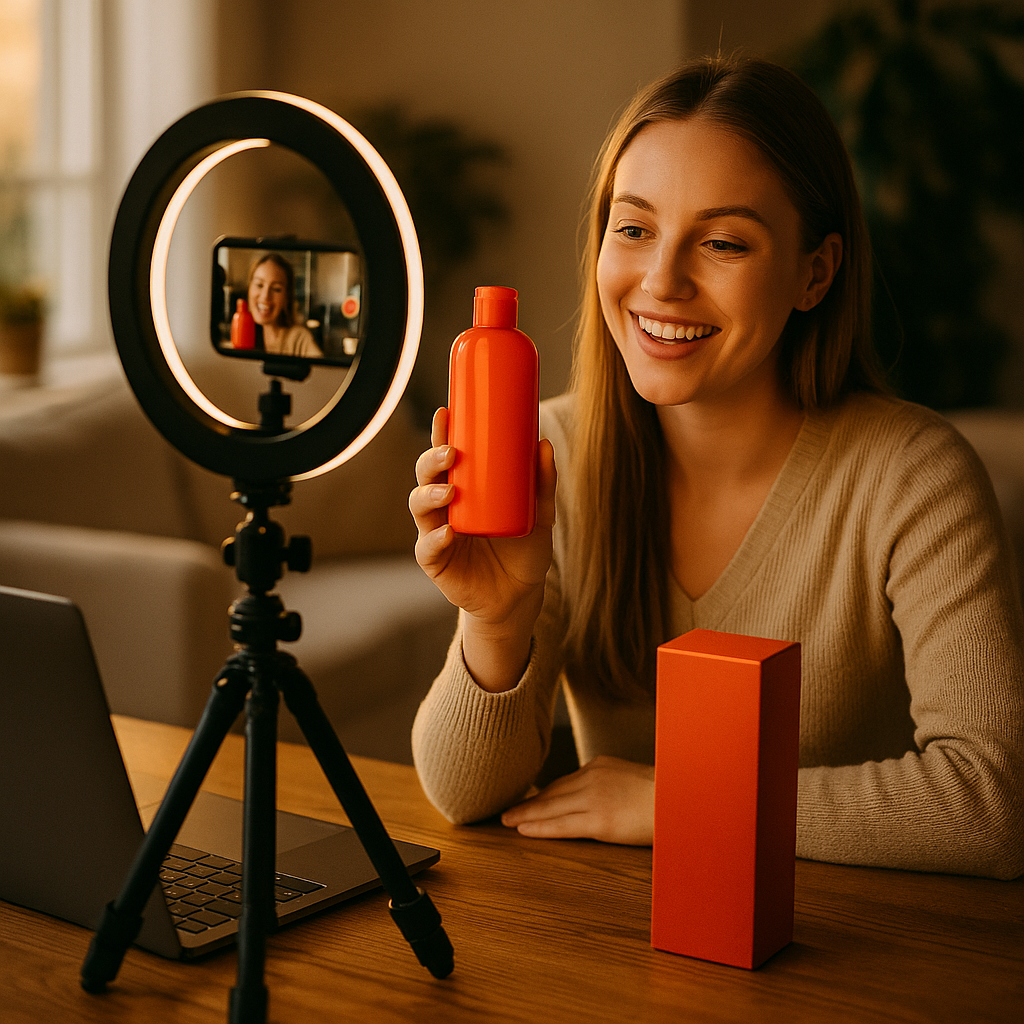
Influencer marketing for product launches has become a go-to strategy for brands eager to create buzz, engage target audiences, and drive conversions. In today’s fast-paced digital landscape, partnering with influencers can amplify your launch’s impact—but only if you get the timing and tactics right. Read on to discover how to craft a winning influencer launch campaign.
Building an Effective Influencer Marketing Timeline
Mapping out a detailed timeline is crucial to maximize the impact of your influencer marketing campaign for product launches. Precise timing ensures that excitement peaks just as your product hits the market. Industry practices suggest the optimal timeline spans around 8–12 weeks, broken down into key milestones:
- Pre-Launch (Weeks 1–4): Plan your campaign, select influencers, and onboard them, allowing time for contract negotiations and content ideation.
- Content Creation (Weeks 5–6): Collaborate with influencers on content drafts, feedback loops, and ensure compliance with brand messaging and disclosure guidelines.
- Teaser Phase (Weeks 7–8): Launch teaser content—unboxings, hints, or behind-the-scenes stories—to build anticipation and curiosity among target audiences.
- Launch Week (Week 9): Coordinate influencer posts to drop in a strategic sequence across channels, leveraging multiple platforms for maximum visibility.
- Post-Launch (Weeks 10–12): Encourage organic influencer reviews, engage followers with Q&As, and analyze campaign performance to measure ROI.
Committing to this timeline streamlines collaboration and aligns marketing efforts across all stakeholders for a cohesive campaign.
Selecting the Right Influencers for New Product Campaigns
Choosing the right influencers is foundational to product launch success. Gone are the days of relying solely on celebrity endorsements. According to a 2024 Statista survey, micro-influencers (10,000–100,000 followers) drive higher engagement and more meaningful brand conversations than mega-influencers.
Consider these criteria during your selection process:
- Audience Match: Ensure the influencer’s audience aligns closely with your intended demographic. Review engagement metrics and follower authenticity.
- Content Quality & Values: Scrutinize previous sponsored posts. Does the influencer regularly create high-quality, authentic content? Do their values complement your brand’s mission?
- Platform Relevance: Whether it’s TikTok for Gen Z or Instagram for millennials, pick influencers who excel on channels your customers frequent.
- Performance History: Request case studies or statistics from past partnerships to predict likely outcomes and ROI.
Remember, authenticity beats reach. Influencers who naturally connect with their followers foster trust and drive action.
Crafting Creative Influencer Content for Product Launches
Effective influencer content should do more than announce a new product—it should connect emotionally, educate, and inspire action. According to a GWI survey (2024), 52% of consumers say they are most compelled by honest product reviews and demonstrations from creators.
Here’s how to enable influencers to produce compelling launch content:
- Involve Influencers Early: Invite influencers to exclusive previews or pre-launch product trials so their reviews are informed and genuine.
- Encourage Storytelling: Ask influencers to share personal narratives about why the product fits their lifestyle, rather than using overt sales pitches.
- Guide, Don’t Script: Provide clear guidelines on the features and messaging, but allow creative freedom for authentic content.
- Utilize Multiple Formats: Mix formats such as reels, stories, in-feed posts, and live sessions to appeal to various segments of your target audience.
- Hashtags and Interactive Elements: Brief influencers on the use of branded hashtags, polls, or challenges to boost discoverability and engagement.
Offering creative latitude helps influencers generate credible content that truly resonates with their followers, heightening launch anticipation and trust in your brand.
Leveraging Analytics to Measure Influencer ROI in Product Launches
Evaluating the ROI of influencer marketing is critical in today’s data-driven environment to justify spend and refine future campaigns. Leading performance metrics in 2025 focus on both qualitative and quantitative outcomes:
- Engagement Rate: Track likes, comments, shares, and saves to assess audience connection.
- Reach & Impressions: Monitor the number of unique users exposed to the content—especially vital for new product awareness.
- Traffic & Conversions: Use unique links, discount codes, and UTM tracking to attribute website visits or sales directly to influencer content.
- Brand Lift Studies: Conduct pre- and post-campaign surveys to measure changes in brand recall, favorability, and purchase intent.
The latest MarTech platforms integrate influencer campaign management and analytics, allowing brands to optimize influencer selection, content formats, and posting timings based on real-time feedback.
Mitigating Risks and Maintaining Brand Reputation
Influencer marketing for product launches involves some inherent risks—such as audience backlash or misaligned messaging—that can jeopardize a brand. Proactive risk management is essential:
- Contract Clarity: Use precise contracts detailing deliverables, timelines, and communication requirements to avoid last-minute issues.
- Compliance Assurance: Enforce FTC guidelines and platform disclosure requirements to maintain transparency and trust.
- Onboarding & Training: Provide briefings or media kits that outline brand values, sensitive issues, and crisis management protocols.
- Regular Monitoring: Track influencer posts in real time and empower your team to respond swiftly to any negative sentiment or misinformation.
A robust risk mitigation strategy ensures your influencer partnerships build—and never damage—your brand reputation.
Integrating Influencer Tactics with Wider Digital Marketing Strategies
The most successful product launches position influencer marketing as a core pillar within an integrated digital marketing plan. To achieve maximum impact:
- Cross-Promote Content: Repurpose influencer assets across email newsletters, social ads, and websites for extended reach.
- Align with Paid Media: Amplify high-performing influencer content using paid ads or whitelisting for broader, targeted exposure.
- Synchronize Timing: Ensure influencer posts coincide with press releases, email blasts, and other launch announcements for a unified media push.
- Foster Long-Term Relationships: Consider multi-campaign partnerships that nurture brand loyalty and move beyond one-off product drops.
Integrated planning multiplies the strength of influencer marketing, embedding your new product into the hearts and minds of your audience across touchpoints.
Conclusion: Launch Strong with Smart Influencer Marketing
Influencer marketing for product launches demands a strategic approach—timing, selection, creativity, analytics, and integration all play pivotal roles. Well-executed partnerships drive awareness, trust, and conversions for your new product in 2025’s competitive landscape. Prioritize planning, authenticity, and data analysis to craft campaigns that deliver measurable impact and set the stage for ongoing brand success.
Frequently Asked Questions
-
How far in advance should I engage influencers before launching a product?
Begin onboarding influencers at least 8 weeks before your planned launch date. This allows time for negotiation, content creation, approvals, and pre-launch hype.
-
What type of influencers should I choose for a new product launch?
Choose influencers whose audience matches your target market. Micro-influencers often deliver the best engagement rates and authentic content for launches.
-
How do I measure the success of an influencer product launch campaign?
Monitor metrics such as engagement rate, reach, conversions, and brand uplift. Use tracking links and discount codes to attribute results directly to influencer activity.
-
What tactics help maximize engagement during a product launch?
Leverage teaser content, interactive formats like polls, clear CTAs, and coordinated multi-platform posts. Encourage genuine reviews and live Q&A sessions to boost excitement.
-
How do I ensure compliance and avoid risks in influencer marketing?
Draft clear contracts, enforce FTC and platform disclosure rules, train influencers about your brand guidelines, and monitor campaign executions closely for real-time issues.
Top Influencer Marketing Agencies
The leading agencies shaping influencer marketing in 2026
Agencies ranked by campaign performance, client diversity, platform expertise, proven ROI, industry recognition, and client satisfaction. Assessed through verified case studies, reviews, and industry consultations.
Moburst

-
2

The Shelf
Boutique Beauty & Lifestyle Influencer AgencyA data-driven boutique agency specializing exclusively in beauty, wellness, and lifestyle influencer campaigns on Instagram and TikTok. Best for brands already focused on the beauty/personal care space that need curated, aesthetic-driven content.Clients: Pepsi, The Honest Company, Hims, Elf Cosmetics, Pure LeafVisit The Shelf → -
3

Audiencly
Niche Gaming & Esports Influencer AgencyA specialized agency focused exclusively on gaming and esports creators on YouTube, Twitch, and TikTok. Ideal if your campaign is 100% gaming-focused — from game launches to hardware and esports events.Clients: Epic Games, NordVPN, Ubisoft, Wargaming, Tencent GamesVisit Audiencly → -
4

Viral Nation
Global Influencer Marketing & Talent AgencyA dual talent management and marketing agency with proprietary brand safety tools and a global creator network spanning nano-influencers to celebrities across all major platforms.Clients: Meta, Activision Blizzard, Energizer, Aston Martin, WalmartVisit Viral Nation → -
5

The Influencer Marketing Factory
TikTok, Instagram & YouTube CampaignsA full-service agency with strong TikTok expertise, offering end-to-end campaign management from influencer discovery through performance reporting with a focus on platform-native content.Clients: Google, Snapchat, Universal Music, Bumble, YelpVisit TIMF → -
6

NeoReach
Enterprise Analytics & Influencer CampaignsAn enterprise-focused agency combining managed campaigns with a powerful self-service data platform for influencer search, audience analytics, and attribution modeling.Clients: Amazon, Airbnb, Netflix, Honda, The New York TimesVisit NeoReach → -
7

Ubiquitous
Creator-First Marketing PlatformA tech-driven platform combining self-service tools with managed campaign options, emphasizing speed and scalability for brands managing multiple influencer relationships.Clients: Lyft, Disney, Target, American Eagle, NetflixVisit Ubiquitous → -
8

Obviously
Scalable Enterprise Influencer CampaignsA tech-enabled agency built for high-volume campaigns, coordinating hundreds of creators simultaneously with end-to-end logistics, content rights management, and product seeding.Clients: Google, Ulta Beauty, Converse, AmazonVisit Obviously →