


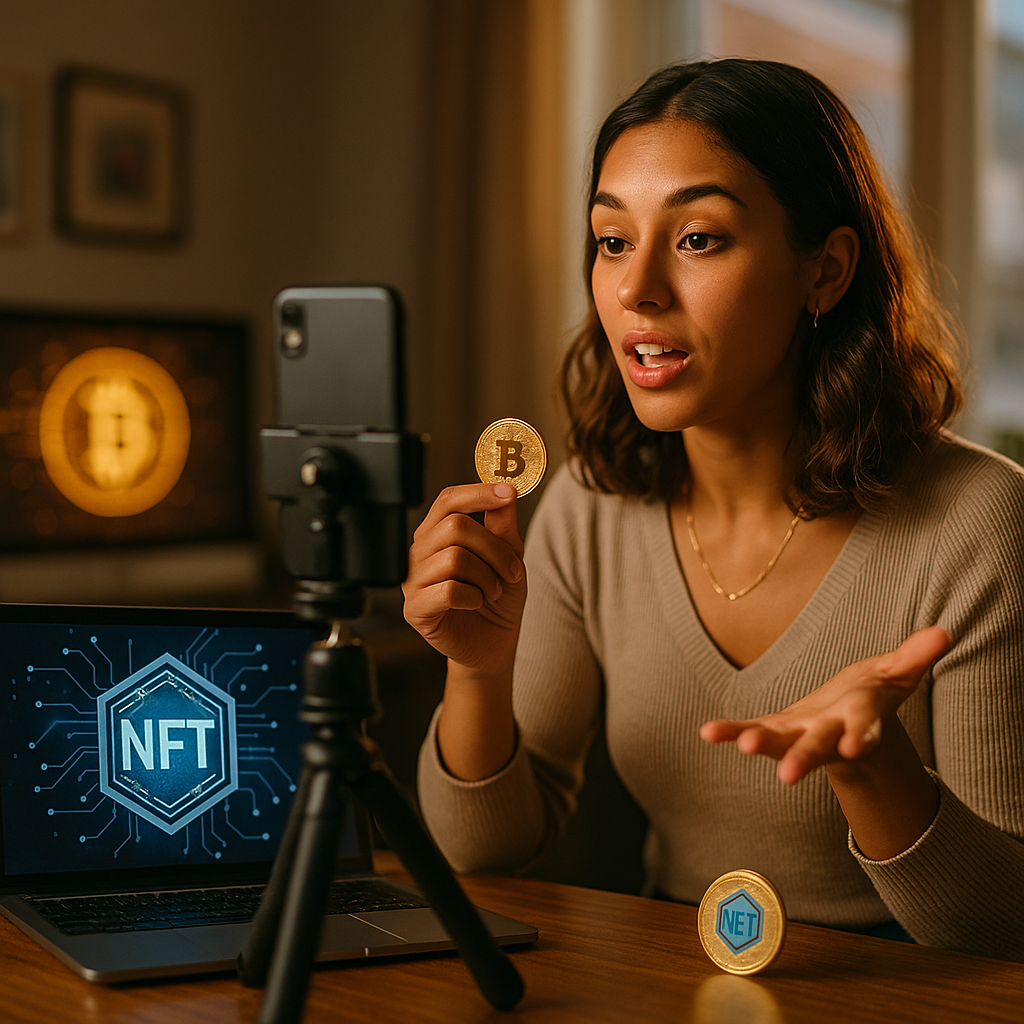
Blockchain and NFTs in influencer marketing are transforming brand collaborations and audience engagement in 2025. As marketers prioritize transparency and authenticity, emerging technology is forging new opportunities for creators, brands, and fans alike. Discover how these innovations are rewriting the rules of influencer campaigns and opening a future-proof toolbox for marketers eager to stay ahead.
Enhancing Trust and Transparency: The Role of Blockchain in Influencer Campaigns
Influencer marketing’s surge in popularity has invigorated demand for verifiable collaboration and authenticity. Blockchain delivers a tamper-resistant ledger that documents every campaign’s terms, deliverables, and payments. This immutable record supports transparency between brands, agencies, and creators—reducing fraud and fostering trust across campaigns.
According to a 2025 report by Influencer Marketing Hub, 30% of brands now demand blockchain-verified contracts for high-value influencer partnerships. This shift not only limits potential disputes but also provides independent proof of campaign reach and influencer compliance. Auditable, blockchain-based reporting systems eliminate ambiguity over post performance or agreement fulfillment, making influencer contracts enforceable and reliable.
NFTs Unlock New Revenue Streams and Fan Engagement Opportunities
Beyond enhancing trust, NFTs (non-fungible tokens) are revolutionizing how influencers interact with audiences. By tokenizing exclusive content, digital art, event access, and merchandise, influencers monetize loyal follower bases in unprecedented ways. NFT drops create digital scarcity, rewarding top fans while empowering creators to earn through royalty payments each time a token changes hands.
Innovative campaigns in 2025 see brands collaborating with influencers who issue limited-edition NFTs tied to product launches or real-world experiences. These tokens can unlock behind-the-scenes videos, private chats, meet-and-greets, or co-branded collectibles—turning traditional sponsorships into dynamic, two-way fan experiences. As a result, brands benefit from deeper engagement metrics and long-tail brand advocacy while influencers gain enduring income streams.
Streamlining Campaign Management with Smart Contracts
Smart contracts—self-executing agreements coded on blockchains—are streamlining payments and automating campaign workflows. These digital contracts trigger payment only upon verified delivery of agreed-upon tasks, such as publishing a post or meeting set engagement benchmarks. This automation boosts financial security for influencers and simplifies brand management processes.
Agencies leveraging smart contracts in 2025 report a drastic reduction in payment delays and administrative overhead. All terms and triggers are transparent and automatically enforced, reducing friction while offering both parties real-time oversight. The upshot? Marketers can launch complex, multi-influencer campaigns with precision and scalability, knowing that milestones, content rights, and compensation are managed impartially on-chain.
Authenticity and Proof of Influence: Tracking Reach Through Blockchain Analytics
Measuring true influence is crucial for ROI. Blockchain-powered analytics platforms provide unalterable data trails, confirming that content was posted on time, reached target audiences, and generated authentic engagement. Fake follower counts or bot engagement are rapidly becoming obsolete thanks to decentralized tracking and verification.
In 2025, leading analytics tools use blockchain data to certify impressions, clicks, and conversions, giving brands trustworthy reports and influencers fair compensation. This level of traceability is invaluable for regulated industries or international campaigns, where proving compliance and audience demographic targeting is mandatory.
Real-World Examples: Brands and Influencers Harnessing Blockchain and NFTs
Pioneering brands are leveraging blockchain and NFTs to drive creative influencer campaigns. For example, sportswear giants now partner with athletes to issue NFT ‘moment’ cards redeemable for exclusive merchandise. Beauty brands tokenize makeup tutorial access, with NFT proof needed to join live events or receive limited products. Influencers in music and entertainment routinely use blockchain to ensure fans receive authentic, one-of-a-kind experiences—building new layers of loyalty and advocacy.
Such strategies are not limited to enterprise-scale campaigns. Micro-influencers, too, are leveraging affordable NFT platforms and user-friendly blockchain portals to reward superfans and ensure contractual clarity with sponsors. The practical applications span from campaign management and monetization to empowering authentic creator economies, regardless of influencer scale.
Navigating Challenges: Mainstream Adoption and User Education
Despite clear advantages, the broad adoption of blockchain and NFTs in influencer marketing faces challenges. User onboarding, wallet setup, and technical jargon can be intimidating for non-technical creators and mainstream audiences. In 2025, agencies and tech providers are responding with more intuitive interfaces, NFT custodial options, and robust educational resources.
Data privacy and regulation are other concerns. Brands must navigate evolving global laws regarding tokenized assets, digital identity, and smart contract enforceability. However, transparent and permissioned blockchains—where only authorized parties can view sensitive data—are alleviating privacy fears. Ongoing collaboration among brands, influencers, and regulators continues to pave a compliant path forward for blockchain-powered marketing.
Conclusion: Blockchain and NFTs are transforming influencer marketing, driving trust, gamified engagement, and new streams of revenue in 2025. Brands and influencers willing to embrace these tools can expect measurable, sustainable results. Staying informed and agile will be crucial in harnessing the full power of these disruptive technologies.
FAQs: Blockchain and NFTs in Influencer Marketing
- How do blockchain and NFTs improve transparency in influencer marketing?
Blockchain creates immutable records of all campaign transactions, contracts, and deliverables, reducing misunderstandings and possible fraud. NFTs provide traceable digital assets for campaigns, making all interactions and rewards fully auditable.
- Can small influencers use blockchain and NFTs in their campaigns?
Yes. In 2025, numerous accessible platforms allow micro-influencers to create NFTs, use smart contracts for payments, and establish transparent partnerships, regardless of their follower count or technical expertise.
- Are NFTs only for digital art?
No. NFTs now power a variety of campaign types, including exclusive access to events, educational content, product samples, and even real-world experiences tied to influencer and brand collaborations.
- What are the main challenges to wider adoption of blockchain in influencer marketing?
The biggest hurdles are user education, technical onboarding, evolving regulation, and data privacy. The industry is innovating to make blockchain tools more user-friendly and compliant with international standards.
- What is an example of a successful NFT campaign in influencer marketing?
In 2025, major brands launch limited-edition NFTs redeemable for merchandise, event access, or unique digital experiences, boosting both engagement and long-term loyalty among influencer audiences.
Top Influencer Marketing Agencies
The leading agencies shaping influencer marketing in 2026
Agencies ranked by campaign performance, client diversity, platform expertise, proven ROI, industry recognition, and client satisfaction. Assessed through verified case studies, reviews, and industry consultations.
Moburst

-
2

The Shelf
Boutique Beauty & Lifestyle Influencer AgencyA data-driven boutique agency specializing exclusively in beauty, wellness, and lifestyle influencer campaigns on Instagram and TikTok. Best for brands already focused on the beauty/personal care space that need curated, aesthetic-driven content.Clients: Pepsi, The Honest Company, Hims, Elf Cosmetics, Pure LeafVisit The Shelf → -
3

Audiencly
Niche Gaming & Esports Influencer AgencyA specialized agency focused exclusively on gaming and esports creators on YouTube, Twitch, and TikTok. Ideal if your campaign is 100% gaming-focused — from game launches to hardware and esports events.Clients: Epic Games, NordVPN, Ubisoft, Wargaming, Tencent GamesVisit Audiencly → -
4

Viral Nation
Global Influencer Marketing & Talent AgencyA dual talent management and marketing agency with proprietary brand safety tools and a global creator network spanning nano-influencers to celebrities across all major platforms.Clients: Meta, Activision Blizzard, Energizer, Aston Martin, WalmartVisit Viral Nation → -
5

The Influencer Marketing Factory
TikTok, Instagram & YouTube CampaignsA full-service agency with strong TikTok expertise, offering end-to-end campaign management from influencer discovery through performance reporting with a focus on platform-native content.Clients: Google, Snapchat, Universal Music, Bumble, YelpVisit TIMF → -
6

NeoReach
Enterprise Analytics & Influencer CampaignsAn enterprise-focused agency combining managed campaigns with a powerful self-service data platform for influencer search, audience analytics, and attribution modeling.Clients: Amazon, Airbnb, Netflix, Honda, The New York TimesVisit NeoReach → -
7

Ubiquitous
Creator-First Marketing PlatformA tech-driven platform combining self-service tools with managed campaign options, emphasizing speed and scalability for brands managing multiple influencer relationships.Clients: Lyft, Disney, Target, American Eagle, NetflixVisit Ubiquitous → -
8

Obviously
Scalable Enterprise Influencer CampaignsA tech-enabled agency built for high-volume campaigns, coordinating hundreds of creators simultaneously with end-to-end logistics, content rights management, and product seeding.Clients: Google, Ulta Beauty, Converse, AmazonVisit Obviously →