


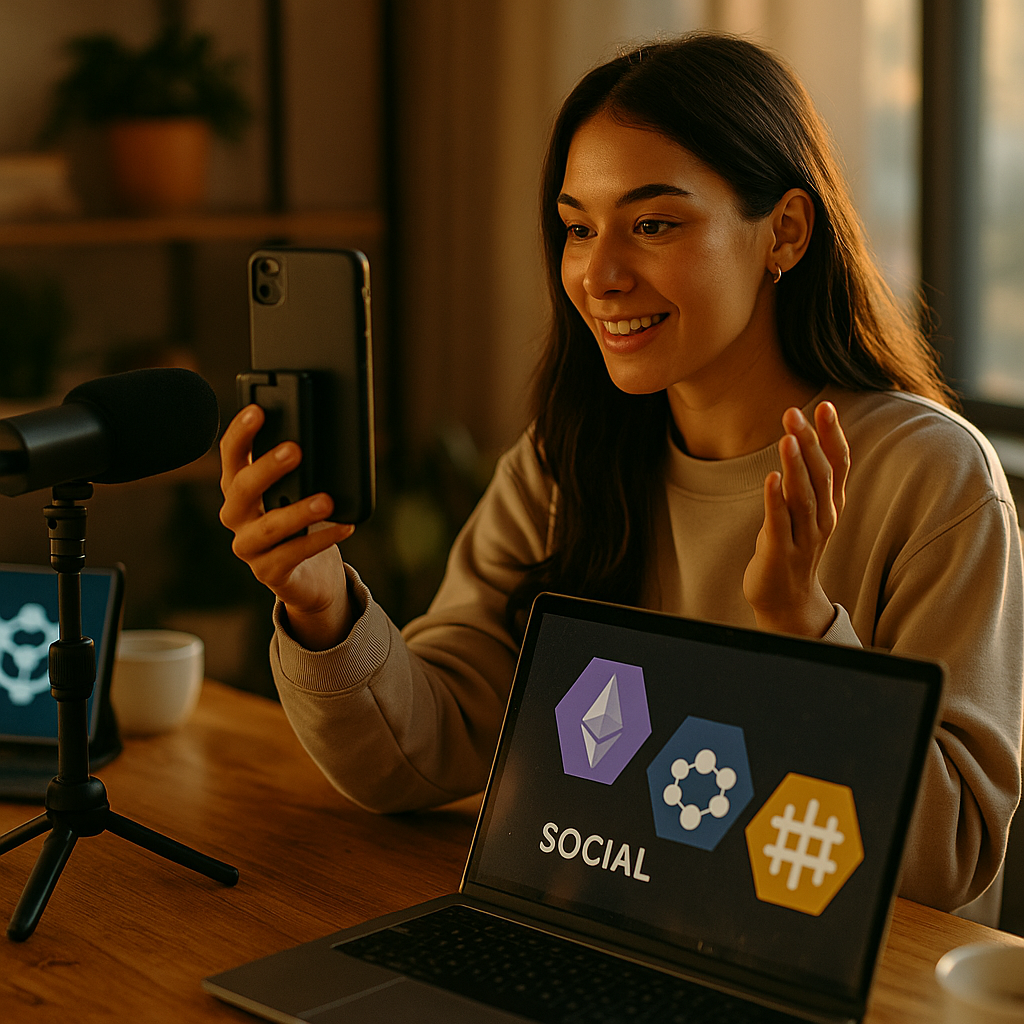
As Web3 and decentralized social platforms rapidly reshape the digital landscape, influencer marketing stands at the edge of transformation. This paradigm shift offers both influencers and brands unprecedented transparency, ownership, and audience reach. What does this mean for the future of influencer marketing—are you ready to reinvent your strategy or risk falling behind?
Decentralized Social Platforms: The Backbone of Web3 Influencer Marketing
Decentralized social platforms, built on blockchain and Web3 principles, are changing how users interact with content and communities. Unlike traditional platforms that centralize control and data, decentralized platforms give users ownership over their data, digital assets, and monetization streams. SocialFi networks such as Lens Protocol, Farcaster, and Friend.Tech are disrupting the dominance of legacy platforms by ensuring censorship resistance, transparency, and creator autonomy.
This new backbone empowers influencers with direct access to their audiences, independent of centralized algorithms or sudden policy changes. Brands, in turn, gain clearer verification of engagement, audience demographics, and campaign results through public blockchain data—driving smarter partnerships and measurable ROI. With user migration accelerating in 2025, forward-thinking influencers and marketers cannot afford to ignore these platforms.
Ownership, Authenticity, and Trust: Influencer Marketing in the Web3 Era
One of the biggest challenges in influencer marketing has always been trust—between brands, creators, and audiences. Web3 fundamentally shifts the trust paradigm through crypto wallets, verifiable engagement, and smart contracts. Influencers now maintain authentic follower counts and engagement statistics stored on public ledgers, minimizing the risk of fraud or inflated metrics.
Smart contracts automate campaign payments, deliverables, and rewards, protecting both parties from disputes. More importantly, influencers own their personal data, audiences, and content, enhancing long-term brand-creator collaborations. This newfound ownership reduces the risk of losing communities due to platform bans or algorithm changes, and boosts audience loyalty by building transparent, genuine interactions.
Decentralized Finance and Monetization: New Revenue Streams for Influencers
Web3 brings innovative revenue streams for influencers beyond sponsored posts and affiliate marketing. Social tokens, NFTs (non-fungible tokens), and decentralized autonomous organizations (DAOs) are empowering creators to monetize their influence directly. Influencers issue branded tokens that fans can purchase, trade, or redeem for exclusive experiences, fostering closer community engagement.
NFTs allow for unique, collectible digital content or product drops, granting both exclusivity and resale value for supporters. Decentralized platforms also facilitate micro-payments and automated royalties, giving creators better financial incentives and independence. Whether it’s NFT-based merchandise, DAO-managed fan clubs, or tokenized content, these models diversify income and reduce reliance on unpredictable brand deals.
Transparency and Data Privacy: Building Audience Confidence and Compliance
With growing consumer awareness of data privacy and stricter global regulations in 2025, transparency isn’t just beneficial—it’s required. Decentralized social platforms use cryptographic security and transparent ledgers, letting both brands and audiences verify the authenticity of influencer reach, engagement, and campaign outcomes. Automated auditability protects marketing budgets and streamlines regulatory compliance.
For audiences, data ownership and preferences remain with the individual—followers decide exactly what information to share and with whom. This fosters a marketing environment where trust is intrinsic, spam is minimized, and opt-in is respected. Creating value-driven, consent-based relationships results in higher engagement and more meaningful brand collaborations.
Challenges and Strategies: Navigating Risks in Web3 Influencer Marketing
While the potential of Web3 influencer marketing is immense, the transition comes with challenges. Technological literacy gaps, volatility in crypto-assets, and scalability issues can intimidate both creators and brands. Additionally, regulatory uncertainties—particularly surrounding tokenized assets—require careful compliance strategies and legal advice.
To succeed, brands should partner with agencies or platforms specializing in Web3 campaigns, invest in creator education, and prioritize clear communication with audiences about blockchain use. Influencers should start small—experimenting with social tokens or NFTs—and build trust gradually. Both must monitor community sentiment, seek transparent collaborations, and remain adaptive as the landscape evolves.
The Road Ahead: Influencer Marketing’s Decentralized Future
The fusion of Web3 and decentralized social platforms heralds a radical evolution in influencer marketing. As blockchain-powered transparency, user-owned data, and new monetization options become mainstream, influencers and brands who embrace change early will reap the rewards of deeper audience trust and more resilient income streams. The time to innovate and adapt is now.
FAQs about Web3 and Decentralized Social Platforms in Influencer Marketing
-
What are decentralized social platforms?
Decentralized social platforms are online networks built on blockchain, where users—not a central company—control their data, content, and monetization opportunities. These platforms often feature censorship resistance, open-source algorithms, and support for digital assets.
-
How does Web3 improve influencer marketing transparency?
Web3 leverages public ledgers and smart contracts to record campaign data, audience engagement, and payments transparently. This verifiability combats influence fraud and gives brands and influencers clear evidence of results.
-
What new income streams can influencers access through Web3?
Influencers can launch social tokens, NFTs, and manage DAO-based communities, enabling revenue from token sales, exclusive content drops, royalties, and crowdfunding—enhancing income stability beyond traditional sponsorships.
-
Are there risks brands should consider with Web3 influencer marketing?
Yes. Crypto market volatility, evolving regulations on digital assets, the risk of technical errors, and audience adoption rates are important. Brands should work with trusted partners and ensure all marketing activities comply with current regulations in 2025.
-
How can influencers get started on decentralized social platforms?
Start by exploring leading Web3 social platforms, setting up a compatible crypto wallet, and experimenting with low-risk tools like social tokens or NFTs. Engage transparently with audiences, share learning, and leverage platform documentation or community support.
In 2025, the convergence of Web3 and decentralized social platforms is redefining influencer marketing. Greater transparency, ownership, and innovative monetization models mean brands and creators must adapt or lose relevance. Embrace these technologies now to build lasting, trust-driven relationships in this new era of digital influence.
Top Influencer Marketing Agencies
The leading agencies shaping influencer marketing in 2026
Agencies ranked by campaign performance, client diversity, platform expertise, proven ROI, industry recognition, and client satisfaction. Assessed through verified case studies, reviews, and industry consultations.
Moburst

-
2

The Shelf
Boutique Beauty & Lifestyle Influencer AgencyA data-driven boutique agency specializing exclusively in beauty, wellness, and lifestyle influencer campaigns on Instagram and TikTok. Best for brands already focused on the beauty/personal care space that need curated, aesthetic-driven content.Clients: Pepsi, The Honest Company, Hims, Elf Cosmetics, Pure LeafVisit The Shelf → -
3

Audiencly
Niche Gaming & Esports Influencer AgencyA specialized agency focused exclusively on gaming and esports creators on YouTube, Twitch, and TikTok. Ideal if your campaign is 100% gaming-focused — from game launches to hardware and esports events.Clients: Epic Games, NordVPN, Ubisoft, Wargaming, Tencent GamesVisit Audiencly → -
4

Viral Nation
Global Influencer Marketing & Talent AgencyA dual talent management and marketing agency with proprietary brand safety tools and a global creator network spanning nano-influencers to celebrities across all major platforms.Clients: Meta, Activision Blizzard, Energizer, Aston Martin, WalmartVisit Viral Nation → -
5

The Influencer Marketing Factory
TikTok, Instagram & YouTube CampaignsA full-service agency with strong TikTok expertise, offering end-to-end campaign management from influencer discovery through performance reporting with a focus on platform-native content.Clients: Google, Snapchat, Universal Music, Bumble, YelpVisit TIMF → -
6

NeoReach
Enterprise Analytics & Influencer CampaignsAn enterprise-focused agency combining managed campaigns with a powerful self-service data platform for influencer search, audience analytics, and attribution modeling.Clients: Amazon, Airbnb, Netflix, Honda, The New York TimesVisit NeoReach → -
7

Ubiquitous
Creator-First Marketing PlatformA tech-driven platform combining self-service tools with managed campaign options, emphasizing speed and scalability for brands managing multiple influencer relationships.Clients: Lyft, Disney, Target, American Eagle, NetflixVisit Ubiquitous → -
8

Obviously
Scalable Enterprise Influencer CampaignsA tech-enabled agency built for high-volume campaigns, coordinating hundreds of creators simultaneously with end-to-end logistics, content rights management, and product seeding.Clients: Google, Ulta Beauty, Converse, AmazonVisit Obviously →