


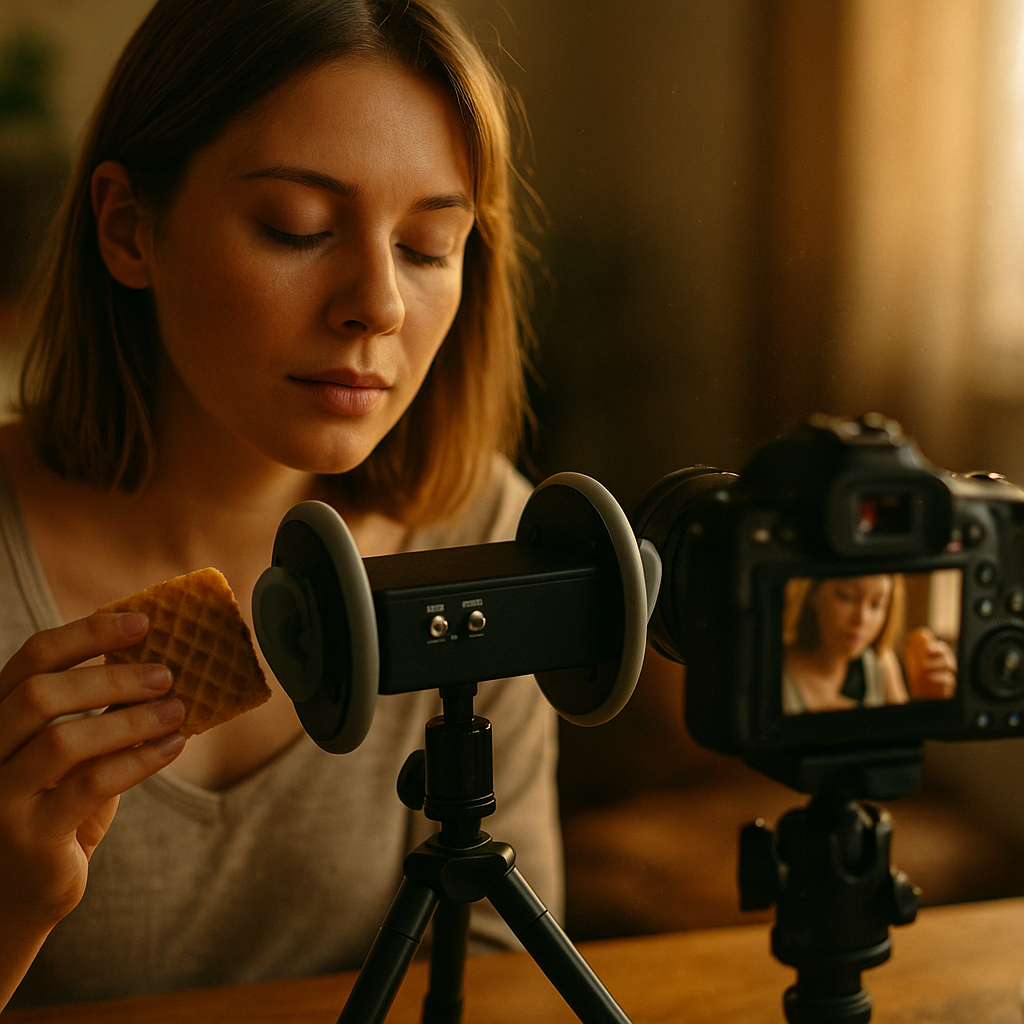
ASMR and sensory content marketing with influencers has ushered in a new era of immersive brand experiences. Brands are harnessing the power of tactile, auditory, and visual triggers to create relaxing, memorable campaigns that foster deeper consumer engagement. Are you ready to explore how sensory storytelling and trusted creators are transforming the digital marketing landscape?
ASMR in Marketing: The Science Behind Sensory Appeal
Autonomous Sensory Meridian Response (ASMR) activates a soothing, tingling sensation in response to specific sounds or visuals, such as whispers or crisp tapping. Recent neuroscience research highlights that ASMR content can reduce stress and boost positive feelings. Marketers recognize that by tapping into these sensory triggers, brands can deliver calming, memorable experiences, leading to greater emotional connection and engagement.
The influence of ASMR content is supported by consumer behavior data. Surveys in 2025 indicate that nearly 60% of Generation Z consumers prefer marketing that includes soothing auditory or tactile experiences. Brands using ASMR-inspired content witness, on average, a 27% longer view time and a 17% greater likelihood of social sharing.
Partnering with Influencers: Authentic Sensory Content at Scale
Sensory content succeeds when delivered by voices viewers trust. Influencers, especially those with established ASMR credentials, lend authenticity and relatability to branded sensory experiences. A study from late 2024 found that 74% of consumers trust influencer-created ASMR or sensory content over traditional advertisements.
Influencers understand their audience’s sensory preferences, tailoring scripts, props, and video styles to maximize relaxation or intrigue. Brands that collaborate with ASMR creators benefit from organic integration—whether it’s a whisper-led product unboxing or “oddly satisfying” demonstrations of a service’s tactile pleasures. The result is shareable, persuasive content with built-in credibility.
Sensory Storytelling: Driving Emotional Brand Engagement
Telling a story goes far beyond words—especially in the realm of sensory marketing. Through meticulous soundscapes, textured visuals, and even haptic feedback, brands are using influencer partnerships to immerse viewers in their product’s world. ASMR creators can craft storylines that evoke nostalgia, comfort, or excitement, making campaigns memorable and emotionally impactful.
- Case in point: In a recent campaign, a skincare brand partnered with ASMR influencers to demonstrate gentle cleansing routines. Viewers reported higher relaxation levels and a stronger inclination to purchase after experiencing the campaign’s auditory cues.
- Emotional connection: Sensory-rich stories create lasting associations, encouraging brand loyalty and repeat engagement.
Strategy and Execution: Designing Effective Sensory Campaigns
Effective sensory content marketing requires careful collaboration between brands and influencers. Marketers must ensure that each campaign aligns with their brand voice while leveraging the influencer’s creative expertise. This involves clearly defining objectives (e.g., awareness, conversions), selecting the right sensory triggers (sound, texture, visuals), and allowing influencers editorial freedom for authenticity.
- Define clear goals: Decide whether to educate, soothe, or excite your target audience.
- Choose the right partners: Vet influencers for niche expertise and genuine audience engagement.
- Utilize sensory elements: Integrate sound design, tactile visuals, or interactive experiences where possible.
- Test and optimize: Use analytics to refine content for consistent engagement and measurable ROI.
Following these strategies ensures a seamless campaign that resonates both with viewers and KPIs, bolstering the brand’s credibility and relevance in 2025’s crowded digital marketplace.
Measuring Success: KPIs in Sensory Content Marketing
Unlike traditional marketing, sensory content demands nuanced performance metrics. Brands should track:
- Average view duration: ASMR content often sustains attention far longer than standard ads.
- Sentiment analysis: Positive emotional responses signal effective sensory appeal.
- Conversion rates: Sensory campaigns commonly show above-average click-through and purchase intent.
- Engagement signals: Shares, saves, and comments indicate audience immersion.
Advances in AI-powered analytics now provide real-time tracking of viewer engagement, helping refine future campaigns for even greater emotional impact and return on investment.
Best Practices: Creating Ethical and Inclusive Sensory Experiences
Adhering to EEAT (Experience, Expertise, Authoritativeness, Trustworthiness) means considering accessibility, cultural relevance, and user comfort. Brands and influencers must avoid manipulative tactics or potentially triggering content. Use closed captions, volume controls, and thoughtful scripting to cater to wider audiences, including neurodiverse viewers who may experience ASMR differently.
Transparent collaboration—where creators disclose partnerships and brands respect influencer autonomy—fosters long-term trust. Ensuring all published sensory content upholds community guidelines and privacy standards is not just a best practice, but also a legal necessity in 2025’s regulatory landscape.
ASMR and sensory content marketing with influencers create emotionally rich, memorable campaigns. Brands that combine science-based sensory triggers with authentic influencer voices are poised to dominate the engaging, immersive marketing spaces of 2025 and beyond. Now is the time to harness these powerful techniques for sustained consumer connection.
FAQs on ASMR and Sensory Content Marketing With Influencers
- Why is ASMR effective in marketing?
ASMR triggers positive physical and emotional responses, making viewers more receptive and attentive to branded messages. It also prolongs engagement and increases sharing likelihood. - Which platforms work best for sensory content marketing?
TikTok, Instagram Reels, and YouTube are leading platforms for ASMR and sensory content due to robust audio-visual features and large, engaged communities. - What industries benefit most from ASMR influencer marketing?
Beauty, food & beverage, tech gadgets, home care, and wellness brands see strong results, though nearly any sector can adapt sensory strategies. - How do you find the right influencer for sensory campaigns?
Look for creators with proven expertise in sensory or ASMR content, high audience trust, and a style that complements your brand’s identity. - Are there risks or downsides to ASMR marketing?
Sensory content may not appeal to everyone, and accidental triggers can cause discomfort. Ethical, inclusive design and audience feedback help mitigate this.
Top Influencer Marketing Agencies
The leading agencies shaping influencer marketing in 2026
Agencies ranked by campaign performance, client diversity, platform expertise, proven ROI, industry recognition, and client satisfaction. Assessed through verified case studies, reviews, and industry consultations.
Moburst

-
2

The Shelf
Boutique Beauty & Lifestyle Influencer AgencyA data-driven boutique agency specializing exclusively in beauty, wellness, and lifestyle influencer campaigns on Instagram and TikTok. Best for brands already focused on the beauty/personal care space that need curated, aesthetic-driven content.Clients: Pepsi, The Honest Company, Hims, Elf Cosmetics, Pure LeafVisit The Shelf → -
3

Audiencly
Niche Gaming & Esports Influencer AgencyA specialized agency focused exclusively on gaming and esports creators on YouTube, Twitch, and TikTok. Ideal if your campaign is 100% gaming-focused — from game launches to hardware and esports events.Clients: Epic Games, NordVPN, Ubisoft, Wargaming, Tencent GamesVisit Audiencly → -
4

Viral Nation
Global Influencer Marketing & Talent AgencyA dual talent management and marketing agency with proprietary brand safety tools and a global creator network spanning nano-influencers to celebrities across all major platforms.Clients: Meta, Activision Blizzard, Energizer, Aston Martin, WalmartVisit Viral Nation → -
5

The Influencer Marketing Factory
TikTok, Instagram & YouTube CampaignsA full-service agency with strong TikTok expertise, offering end-to-end campaign management from influencer discovery through performance reporting with a focus on platform-native content.Clients: Google, Snapchat, Universal Music, Bumble, YelpVisit TIMF → -
6

NeoReach
Enterprise Analytics & Influencer CampaignsAn enterprise-focused agency combining managed campaigns with a powerful self-service data platform for influencer search, audience analytics, and attribution modeling.Clients: Amazon, Airbnb, Netflix, Honda, The New York TimesVisit NeoReach → -
7

Ubiquitous
Creator-First Marketing PlatformA tech-driven platform combining self-service tools with managed campaign options, emphasizing speed and scalability for brands managing multiple influencer relationships.Clients: Lyft, Disney, Target, American Eagle, NetflixVisit Ubiquitous → -
8

Obviously
Scalable Enterprise Influencer CampaignsA tech-enabled agency built for high-volume campaigns, coordinating hundreds of creators simultaneously with end-to-end logistics, content rights management, and product seeding.Clients: Google, Ulta Beauty, Converse, AmazonVisit Obviously →