


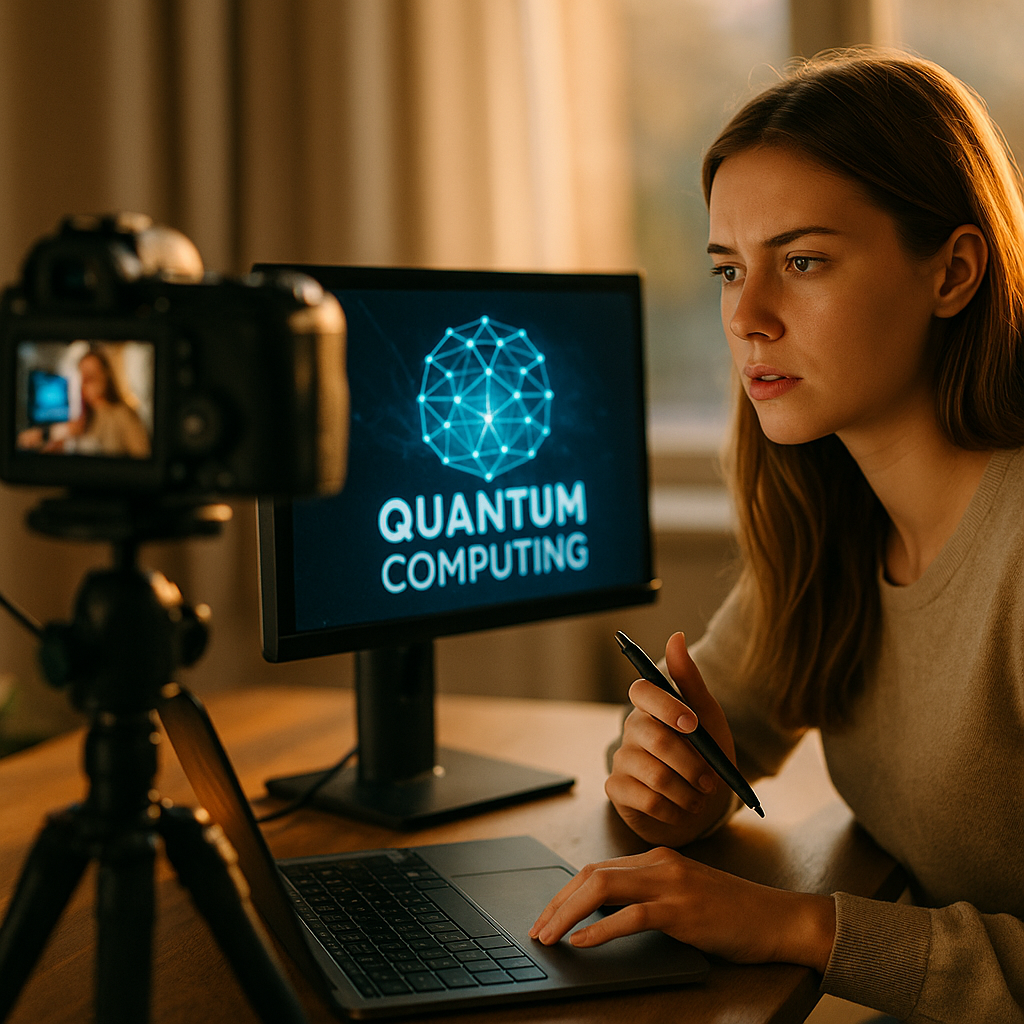
Quantum computing future applications in influencer marketing are poised to redefine how brands connect with audiences. As quantum technology advances, influencer marketing could move beyond data-driven strategies to predictive models that continuously learn. Understanding how quantum breakthroughs will shape the creator economy is crucial as we approach an era of rapid digital transformation. What might this look like in 2025 and beyond?
The Quantum Leap: Revolutionizing Data Analysis in Influencer Marketing
The influencer marketing landscape thrives on data. Quantum computing can process immense datasets exponentially faster than classical computers. By 2025, brands could use quantum-powered analytics to sift billions of social interactions in seconds, uncovering hidden patterns, sentiment shifts, and microtrend emergence in real-time. This level of insight empowers marketers to tailor campaigns to precise audience segments, ensuring their message resonates and drives measurable results.
With quantum algorithms, you’re not just analyzing data post-campaign; you’re engaging in continuous, dynamic optimization. Marketers could run vastly more variables in parallel, refining content and influencer partnerships mid-campaign based on evolving audience reactions. This ensures resources are allocated for maximum ROI, minimizing wasted spend and aligning with the always-on nature of digital culture.
Predictive Influencer Selection: Quantum Algorithms Uncover Hidden Stars
In 2025, brands face a deluge of potential influencers, from emerging micro-creators to major celebrities. Traditional discovery tools often miss rising stars early. By leveraging quantum computing’s advanced pattern recognition, marketers can analyze massive, complex datasets—such as engagement patterns, network effects, and psychographics—to forecast which creators will go viral before trends peak.
Quantum-enhanced predictive modeling might, for example, identify a micro-influencer with niche community ties poised for explosive growth, helping brands invest early. This not only sharpens competitive advantage, but also ensures authenticity as audiences flock to genuine, relatable creators whom quantum algorithms have spotlighted before the mainstream catches on.
Hyper-Personalization At Scale: Content Customization Powered by Quantum Processing
Audiences in 2025 demand tailored content that feels personal. Quantum computing lets marketers move from broad segmentation to true hyper-personalization. Imagine crafting thousands of campaign variants, each tuned to specific micro-demographics, interests, and real-time behaviors. Quantum-enhanced personalization tools can adapt influencer messaging, creative assets, and offers for maximum emotional resonance at the individual consumer level.
This technology enables the creation of dynamic, interactive experiences where content adapts instantly as users react. For example, a beauty brand partnering with an influencer could automatically showcase product looks that align with each viewer’s unique style preferences—identified by quantum-powered AI assessing social activity and consumption history.
Campaign Optimization: Real-Time Measurement and Adjustment Using Quantum Solutions
Measurement in influencer marketing is notoriously complex, with variables ranging from reach and engagement to sentiment and conversion. Quantum computing, deployed through advanced optimization algorithms, will empower marketers to evaluate campaign effectiveness across hundreds of metrics in real-time. Subtle shifts in audience behavior can trigger immediate content pivot or budget reallocation without human delay.
Brands will also benefit from quantum-enabled attribution modeling, clarifying which touchpoints along the consumer journey have the most impact. This transparency fosters more effective partnerships, reduces fraud, and clarifies actual return on influencer investment—especially critical as budgets tighten and accountability increases in the evolving digital landscape.
Ethical Targeting and Privacy: Can Quantum Safeguard Consumer Trust?
With great data power comes responsibility. Quantum computing can both challenge and protect privacy. Its ability to process encrypted data could permit marketers to glean actionable insights without accessing raw consumer information, thus upholding privacy frameworks and building audience trust. Quantum encryption, meanwhile, strengthens data security in influencer marketing pipelines, protecting sensitive collaboration details and consumer profiles from cyber threats.
The move to quantum-resilient security will allow brands and influencers to assure followers that their data is safe, fostering loyalty in an era of heightened digital scrutiny. Collaborating with privacy experts and adopting quantum-safe protocols becomes a critical brand differentiator in 2025’s influencer marketing ecosystem.
The Future Creator Economy: Quantum Computing’s Impact on Influencer Ecosystems
Quantum technology doesn’t just benefit brands; it can empower influencers too. By accessing improved audience insights through quantum-powered platforms, creators will be better able to refine their content, maximize engagement, and negotiate more valuable brand partnerships. This democratization of advanced analytics could help level the playing field for creators at all levels, not just those with large teams or agency backing.
As the boundaries between creators and brands blur, quantum-powered tools might enable fully automated, AI-optimized collaborations—from brief writing to contract negotiation—giving rise to a faster, more flexible creator economy. Influencers will need to adapt, developing not only content skills but also fluency in data insights, tech ethics, and quantum-driven creative strategy.
Conclusion: Embracing Quantum for Transformative Influencer Marketing
Quantum computing future applications in influencer marketing will radically accelerate campaign intelligence, influencer discovery, and personalization. Marketers, brands, and creators who embrace these advances in 2025 will stand out in an increasingly data-driven creator economy. Prepare now—quantum’s marketing revolution is not just coming, it’s already beginning to shape your digital future.
FAQs: Quantum Computing and Influencer Marketing
-
How soon will quantum computing be commonly used in influencer marketing?
Most industry analysts project early commercial applications to enter mainstream use by 2025, especially for large brands and platforms adopting hybrid quantum-classical solutions. -
Will quantum computing replace human marketers and influencers?
No. Quantum computing will augment human creativity and strategic thinking, automating data-heavy tasks but leaving storytelling, authenticity, and relationship-building in human hands. -
What are the main challenges in using quantum computing for influencer marketing?
Key challenges include high costs, need for specialized technical talent, adapting algorithms to marketing needs, and ensuring compliance with evolving privacy laws. -
How can quantum computing improve influencer selection?
By analyzing complex engagement and audience data at unprecedented speed, quantum tools can predict rising creators and optimize talent matches based on nuanced trends. -
Is quantum computing safe for user data?
Yes. With proper safeguards, quantum encryption can greatly enhance data security, and quantum algorithms can extract value while preserving user privacy through encrypted computation.
Top Influencer Marketing Agencies
The leading agencies shaping influencer marketing in 2026
Agencies ranked by campaign performance, client diversity, platform expertise, proven ROI, industry recognition, and client satisfaction. Assessed through verified case studies, reviews, and industry consultations.
Moburst

-
2

The Shelf
Boutique Beauty & Lifestyle Influencer AgencyA data-driven boutique agency specializing exclusively in beauty, wellness, and lifestyle influencer campaigns on Instagram and TikTok. Best for brands already focused on the beauty/personal care space that need curated, aesthetic-driven content.Clients: Pepsi, The Honest Company, Hims, Elf Cosmetics, Pure LeafVisit The Shelf → -
3

Audiencly
Niche Gaming & Esports Influencer AgencyA specialized agency focused exclusively on gaming and esports creators on YouTube, Twitch, and TikTok. Ideal if your campaign is 100% gaming-focused — from game launches to hardware and esports events.Clients: Epic Games, NordVPN, Ubisoft, Wargaming, Tencent GamesVisit Audiencly → -
4

Viral Nation
Global Influencer Marketing & Talent AgencyA dual talent management and marketing agency with proprietary brand safety tools and a global creator network spanning nano-influencers to celebrities across all major platforms.Clients: Meta, Activision Blizzard, Energizer, Aston Martin, WalmartVisit Viral Nation → -
5

The Influencer Marketing Factory
TikTok, Instagram & YouTube CampaignsA full-service agency with strong TikTok expertise, offering end-to-end campaign management from influencer discovery through performance reporting with a focus on platform-native content.Clients: Google, Snapchat, Universal Music, Bumble, YelpVisit TIMF → -
6

NeoReach
Enterprise Analytics & Influencer CampaignsAn enterprise-focused agency combining managed campaigns with a powerful self-service data platform for influencer search, audience analytics, and attribution modeling.Clients: Amazon, Airbnb, Netflix, Honda, The New York TimesVisit NeoReach → -
7

Ubiquitous
Creator-First Marketing PlatformA tech-driven platform combining self-service tools with managed campaign options, emphasizing speed and scalability for brands managing multiple influencer relationships.Clients: Lyft, Disney, Target, American Eagle, NetflixVisit Ubiquitous → -
8

Obviously
Scalable Enterprise Influencer CampaignsA tech-enabled agency built for high-volume campaigns, coordinating hundreds of creators simultaneously with end-to-end logistics, content rights management, and product seeding.Clients: Google, Ulta Beauty, Converse, AmazonVisit Obviously →