


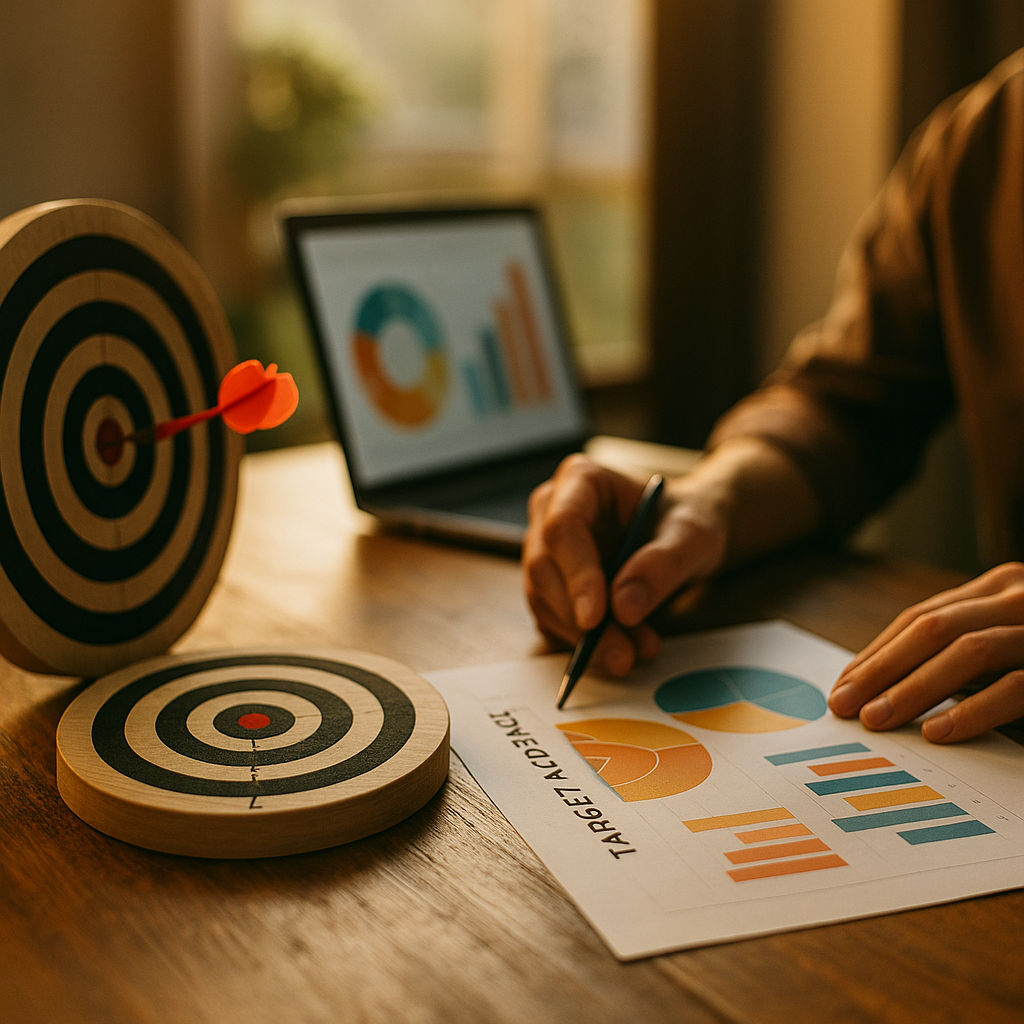
Marketing success hinges on connecting with the right people at the right time, but what happens when a campaign misses its mark? This post-mortem examines a marketing campaign that failed because it targeted the wrong audience, revealing actionable lessons. Discover why even smart strategies backfire—and how you can avoid making the same costly mistake.
Understanding Audience Alignment in Marketing Campaigns
Launching a campaign without a clear understanding of your target audience is a recipe for lackluster results. In today’s data-driven world, honing your audience targeting forms the foundation of effective marketing campaigns. Audience misalignment doesn’t just limit ROI—it can harm brand reputation and waste resources. According to a 2025 HubSpot study, 63% of marketers identified poor audience targeting as the primary reason for underperforming campaigns.
Marketers must analyze demographics, psychographics, and behavioral data to ensure that their campaign messaging resonates. Overlooking these aspects often leads brands to broadcast irrelevant messages, alienating consumers and diminishing marketing credibility.
Case Study: The Fall of ‘GreenFuel Go’s’ Digital Launch
‘GreenFuel Go’, an eco-friendly automotive additive, was launched with substantial expectations and a hefty marketing budget. The campaign invested heavily in social media ads, influencer partnerships, and online content, focusing on enthusiastic car tuners and performance hobbyists. However, sales lagged and engagement rates fell short.
The post-campaign analysis revealed a clear miscalculation. The “tuner” demographic cared about speed and horsepower enhancements. ‘GreenFuel Go’ primarily offered environmental benefits, which did not align with performance-driven interests. Meanwhile, the campaign failed to target eco-conscious vehicle owners—who were much more likely to value sustainable fuel solutions.
Diagnosing the Roots of Target Market Failure
What led to such a substantial audience mismatch? The team based its targeting decision on broad industry trends and surface-level persona work, neglecting to verify assumptions with robust market research. Further issues included:
- Inadequate Persona Profiles: The buyer personas used outdated data and did not consider recent shifts in consumer priorities.
- Overreliance on Industry Stereotypes: The campaign assumed that all car enthusiasts share similar interests, overlooking significant diversity within automotive markets.
- Lack of Pre-Launch Testing: No A/B testing or segmented focus groups were used to validate messaging before committing to a full-scale launch.
This situation highlights why businesses must validate their suppositions with quantitative data, qualitative insights, and real-world testing before scaling a campaign.
EEAT Strategy: Adopting an Evidence-Based Marketing Approach
To enhance marketing effectiveness, Google’s EEAT (Experience, Expertise, Authoritativeness, Trustworthiness) framework offers a valuable guideline. Integrate EEAT principles by:
- Sharing Real User Experiences: Include testimonials highlighting how actual customers have benefited from your product or service.
- Demonstrating Expertise: Pull insights from recent studies, surveys, and industry experts to inform your messaging.
- Building Authority: Use consistent branding and collaborate with credible creators relevant to your authentic audience.
- Focusing on Trust: Practice transparency in advertising claims, terms, and customer policies.
Applying these principles ensures your marketing resonates, is trustworthy, and minimizes audience misalignment.
Key Lessons: Avoiding Mistakes in Audience Targeting
The ‘GreenFuel Go’ campaign underscores critical takeaways for brands aiming to avoid similar pitfalls:
- Prioritize Detailed Market Research: Supplement personas with recent consumer data, competitor mapping, and direct feedback loops.
- Test and Iterate: Use small-scale pilots, segmentation, and multivariate testing before a major rollout.
- Revisit and Update Personas Regularly: Consumer attitudes shift rapidly—ensure your audience definition reflects current trends, not assumptions.
- Collaborate with Your True Audience: Involve potential buyers in the development of messaging and creative assets for genuine resonance.
Making these steps a routine part of campaign development can greatly reduce the risk of an off-target launch and maximize your marketing spend.
Implementing a Recovery Strategy After Audience Misalignment
If you find your campaign has missed its mark, respond swiftly. Begin by analyzing engagement metrics and direct user feedback to identify pain points. Segment your audience and retarget messaging toward groups displaying higher interest or need. Consider the following recovery actions:
- Pause underperforming ads and reallocate budget to tested, better-aligned channels.
- Launch “listening” campaigns—short, feedback-driven initiatives—to inform revised messaging.
- Communicate updates transparently to your audience, showing commitment to improvement.
Fast action not only salvages spend, but also demonstrates to customers that your brand values relevance and continuous improvement.
Conclusion: Turning Audience Targeting Failure Into Marketing Growth
A failed marketing campaign often holds lessons vital for future success. Targeting the right audience is not just ideal but necessary for marketing efficacy. By embracing data-driven research, EEAT best practices, and audience engagement, you can turn missteps into stepping stones toward long-term brand growth.
FAQs: Post-Mortem on Audience Targeting Mistakes
- Why do marketing campaigns fail due to wrong audience targeting?
When campaigns target the wrong audience, messaging, offers, and channels lack relevance, resulting in low engagement, wasted budget, and poor ROI. - How can you identify if you’re targeting the wrong audience?
Signs include low click-through rates, negative feedback, high bounce rates, or sales coming from unexpected segments. Analyze campaign data and solicit customer input to spot misalignments promptly. - What are the first steps to recover from an audience targeting mistake?
Pause low-performing ads, listen to your audience, and quickly reallocate resources to better-performing segments while communicating changes openly to regain trust. - How often should you update your buyer personas?
Update personas at least twice a year or whenever there are significant market shifts, new product launches, or changes in customer behavior. - Can a failed campaign still add value?
Absolutely. Analyzing the campaign’s shortcomings informs future strategy, strengthens your data-driven mindset, and uncovers new market opportunities.
Top Influencer Marketing Agencies
The leading agencies shaping influencer marketing in 2026
Agencies ranked by campaign performance, client diversity, platform expertise, proven ROI, industry recognition, and client satisfaction. Assessed through verified case studies, reviews, and industry consultations.
Moburst

-
2

The Shelf
Boutique Beauty & Lifestyle Influencer AgencyA data-driven boutique agency specializing exclusively in beauty, wellness, and lifestyle influencer campaigns on Instagram and TikTok. Best for brands already focused on the beauty/personal care space that need curated, aesthetic-driven content.Clients: Pepsi, The Honest Company, Hims, Elf Cosmetics, Pure LeafVisit The Shelf → -
3

Audiencly
Niche Gaming & Esports Influencer AgencyA specialized agency focused exclusively on gaming and esports creators on YouTube, Twitch, and TikTok. Ideal if your campaign is 100% gaming-focused — from game launches to hardware and esports events.Clients: Epic Games, NordVPN, Ubisoft, Wargaming, Tencent GamesVisit Audiencly → -
4

Viral Nation
Global Influencer Marketing & Talent AgencyA dual talent management and marketing agency with proprietary brand safety tools and a global creator network spanning nano-influencers to celebrities across all major platforms.Clients: Meta, Activision Blizzard, Energizer, Aston Martin, WalmartVisit Viral Nation → -
5

The Influencer Marketing Factory
TikTok, Instagram & YouTube CampaignsA full-service agency with strong TikTok expertise, offering end-to-end campaign management from influencer discovery through performance reporting with a focus on platform-native content.Clients: Google, Snapchat, Universal Music, Bumble, YelpVisit TIMF → -
6

NeoReach
Enterprise Analytics & Influencer CampaignsAn enterprise-focused agency combining managed campaigns with a powerful self-service data platform for influencer search, audience analytics, and attribution modeling.Clients: Amazon, Airbnb, Netflix, Honda, The New York TimesVisit NeoReach → -
7

Ubiquitous
Creator-First Marketing PlatformA tech-driven platform combining self-service tools with managed campaign options, emphasizing speed and scalability for brands managing multiple influencer relationships.Clients: Lyft, Disney, Target, American Eagle, NetflixVisit Ubiquitous → -
8

Obviously
Scalable Enterprise Influencer CampaignsA tech-enabled agency built for high-volume campaigns, coordinating hundreds of creators simultaneously with end-to-end logistics, content rights management, and product seeding.Clients: Google, Ulta Beauty, Converse, AmazonVisit Obviously →