


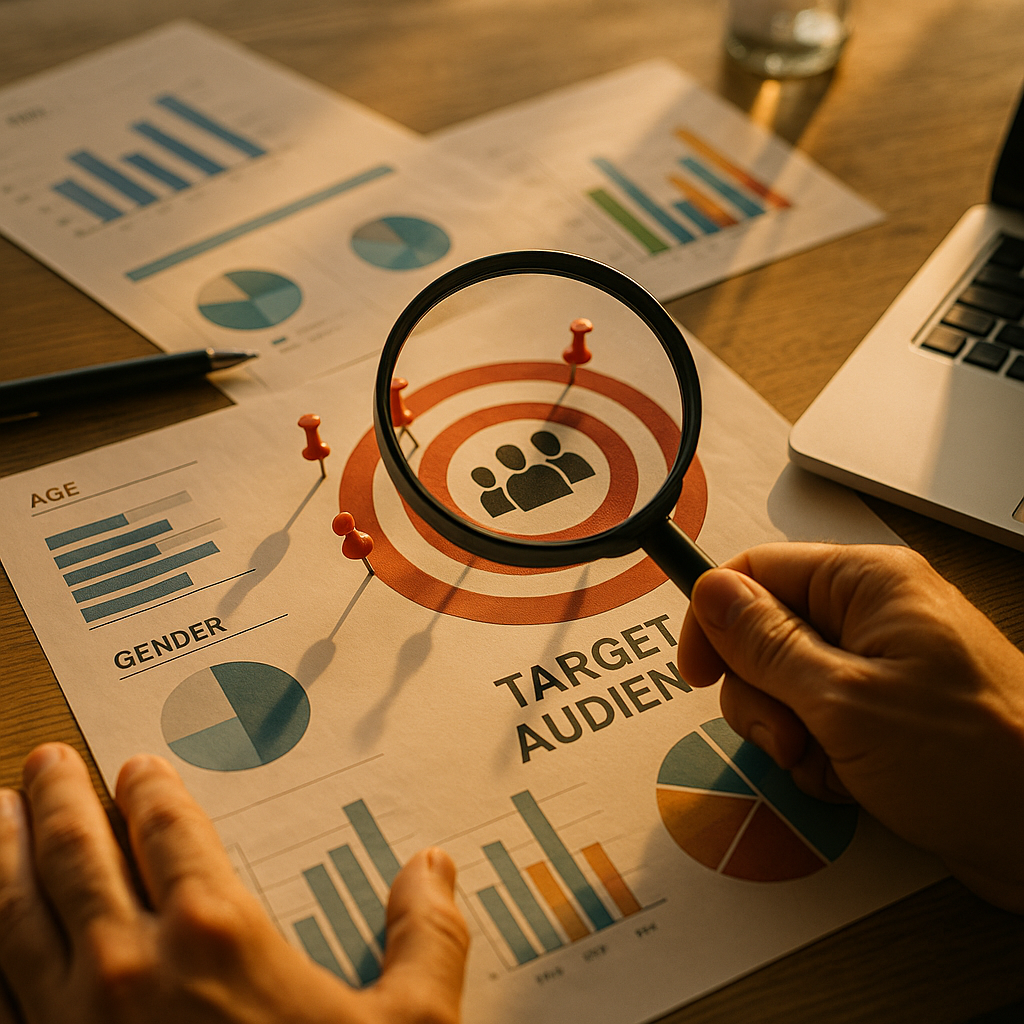
Launching a marketing campaign can propel a brand to new heights, but what happens when it falls flat? In this post-mortem, we dissect a marketing campaign that failed because it targeted the wrong audience. Understanding what went awry offers actionable insights for marketers seeking lasting results—keep reading to avoid the same costly missteps.
Understanding Why Audience Targeting Matters in Marketing Campaigns
At the heart of every successful campaign lies precise audience targeting. According to a 2025 HubSpot survey, 78% of marketers identified poor audience alignment as the top reason for disappointing campaign performance. Targeting the right demographic ensures relevancy, sharpens messaging, and maximizes return on investment (ROI). When this alignment falters, even the most creative campaigns risk being ignored.
Audience targeting starts with detailed buyer personas, leveraging first- and third-party data, and ongoing feedback loops. Neglecting these practices often leads to misdirected efforts, wasted budgets, and underwhelming results.
The Campaign: Ambitious Launch, Disappointing Results
Let’s examine a real-world scenario from an established eco-friendly shoe brand. Embarking on a digital campaign in early 2025, the brand sought to expand its reach beyond its loyal sustainable-shoppers base. Armed with a compelling message—environmentally conscious comfort for all—they invested heavily in broad digital ads and influencer partnerships geared toward Gen Z trendsetters.
Within weeks, key performance indicators plummeted. Click-through rates stagnated, engagement rates were half the industry average, and sales figures plateaued. Confusion grew: why wasn’t this fresh messaging working?
Pinpointing the Audience Mismatch in Marketing Strategies
A thorough campaign review revealed the core problem—misaligned audience targeting. The campaign’s tone and channel choice, optimized for Gen Z, clashed with the brand’s established buyer persona. Loyal customers were eco-conscious millennials willing to invest in quality. Meanwhile, the Gen Z segment valued affordability and newness over sustainability, leading to a disconnect.
Messages about premium, sustainable materials failed to resonate with the new audience, while the familiar base felt excluded by the sudden stylistic pivot. The campaign overlooked core principles—knowing your existing audience and evolving messaging strategically.
Data-Driven Insights: Measuring the Cost of Wrong Targeting
Quantifying the fallout, the marketing team analyzed campaign metrics:
- Impression vs. Engagement Ratio: Impressions soared, but conversions dropped by 22% compared to previous quarter averages.
- Customer Churn: Returning customer purchases declined 17%—a clear sign that loyal buyers felt alienated.
- Influencer Impact: Despite high reach, influencer-led content saw below-average interaction, indicating poor audience fit.
The team’s honest review included exit surveys. Over 70% of survey respondents admitted the campaign felt “off-brand” and “not personally relevant.” These findings spotlighted the high cost of not grounding creative ideas in reliable audience data.
Key Lessons: Building an Effective Marketing Campaign Audience Strategy
This experience revealed actionable lessons for future marketing campaigns:
- Leverage Customer Data: Analyze first-party data and historical trends to understand who your best customers are—and why they buy from you.
- Articulate Clear Personas: Develop and consult detailed buyer personas when crafting messaging, choosing channels, and setting campaign objectives.
- Validate with Market Research: Before launching, test messaging and creative concepts with target segments via A/B testing, focus groups, or pilot campaigns.
- Monitor in Real-Time: Use dashboards and analytics to spot early signals of misalignment and course-correct when needed.
- Balance Growth Ambitions: Expanding beyond your base is valuable, but it must be grounded in research and phased evolution—not sudden, sweeping changes.
When marketers honor these principles, campaigns have greater resonance, brand loyalty deepens, and ROI improves—outcomes that are too valuable to risk through inaccurate targeting.
Steps to Recover When a Marketing Campaign Targets the Wrong Audience
When a campaign underdelivers due to targeting errors, strategic recovery is possible:
- Admit and Assess: Acknowledge the misalignment openly with your internal team, and stop further ad spend on underperforming channels.
- Re-engage Core Audiences: Design follow-up messaging that reaffirms your brand’s original promise, sent through trusted channels.
- Solicit Feedback: Invite honest feedback from both loyal and new customers—this builds trust and uncovers essential insights.
- Pivot Messaging: Adjust creative execution, copy, and visual elements to better align with audience expectations.
- Educate Your Team: Use your experience as a case study to ensure future campaigns begin with data-driven audience research and validation.
Turning a failed campaign into a learning opportunity fortifies your brand and your team’s reputation, while restoring customer goodwill.
Conclusion: The Takeaway from Failed Audience Targeting
A post-mortem on a marketing campaign that failed because it targeted the wrong audience underscores a pivotal truth: audience alignment is the backbone of marketing success. Invest in research, validate assumptions, and prioritize your core customer—let every campaign start with this foundation for lasting impact.
FAQs: Common Questions About Audience Targeting in Marketing Campaigns
-
How can I tell if my campaign targeted the wrong audience?
Watch for signs such as low engagement, high bounce rates, and negative customer feedback indicating that your message isn’t resonating with your intended audience.
-
What steps should I take if I realize my campaign is misaligned?
Pause underperforming activities, gather and analyze performance data, engage your existing customers for feedback, and refine your targeting and messaging.
-
Why is audience research essential for campaign planning?
Thorough research identifies customer preferences, pain points, and channels, laying the groundwork for messaging that resonates and inspires action.
-
Can a campaign recover after targeting the wrong audience?
Yes, with strategic pivots—such as re-targeting to your core customers and transparent communication—brands can regain engagement and trust.
-
What tools can improve audience targeting?
Marketing automation platforms, advanced analytics, and A/B testing solutions all enhance audience segmentation and campaign precision.
Top Influencer Marketing Agencies
The leading agencies shaping influencer marketing in 2026
Agencies ranked by campaign performance, client diversity, platform expertise, proven ROI, industry recognition, and client satisfaction. Assessed through verified case studies, reviews, and industry consultations.
Moburst

-
2

The Shelf
Boutique Beauty & Lifestyle Influencer AgencyA data-driven boutique agency specializing exclusively in beauty, wellness, and lifestyle influencer campaigns on Instagram and TikTok. Best for brands already focused on the beauty/personal care space that need curated, aesthetic-driven content.Clients: Pepsi, The Honest Company, Hims, Elf Cosmetics, Pure LeafVisit The Shelf → -
3

Audiencly
Niche Gaming & Esports Influencer AgencyA specialized agency focused exclusively on gaming and esports creators on YouTube, Twitch, and TikTok. Ideal if your campaign is 100% gaming-focused — from game launches to hardware and esports events.Clients: Epic Games, NordVPN, Ubisoft, Wargaming, Tencent GamesVisit Audiencly → -
4

Viral Nation
Global Influencer Marketing & Talent AgencyA dual talent management and marketing agency with proprietary brand safety tools and a global creator network spanning nano-influencers to celebrities across all major platforms.Clients: Meta, Activision Blizzard, Energizer, Aston Martin, WalmartVisit Viral Nation → -
5

The Influencer Marketing Factory
TikTok, Instagram & YouTube CampaignsA full-service agency with strong TikTok expertise, offering end-to-end campaign management from influencer discovery through performance reporting with a focus on platform-native content.Clients: Google, Snapchat, Universal Music, Bumble, YelpVisit TIMF → -
6

NeoReach
Enterprise Analytics & Influencer CampaignsAn enterprise-focused agency combining managed campaigns with a powerful self-service data platform for influencer search, audience analytics, and attribution modeling.Clients: Amazon, Airbnb, Netflix, Honda, The New York TimesVisit NeoReach → -
7

Ubiquitous
Creator-First Marketing PlatformA tech-driven platform combining self-service tools with managed campaign options, emphasizing speed and scalability for brands managing multiple influencer relationships.Clients: Lyft, Disney, Target, American Eagle, NetflixVisit Ubiquitous → -
8

Obviously
Scalable Enterprise Influencer CampaignsA tech-enabled agency built for high-volume campaigns, coordinating hundreds of creators simultaneously with end-to-end logistics, content rights management, and product seeding.Clients: Google, Ulta Beauty, Converse, AmazonVisit Obviously →