


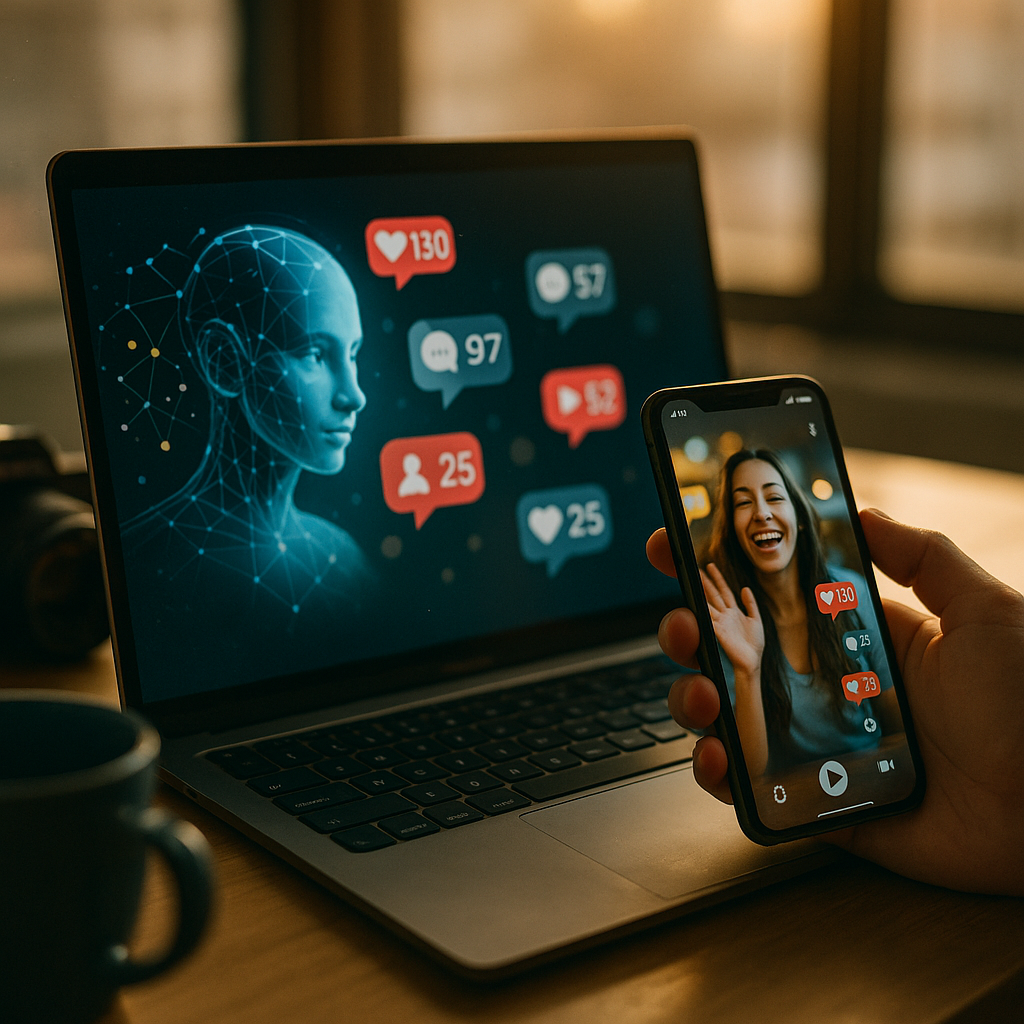
Using AI to analyze and predict the virality of user-generated content campaigns is becoming a cornerstone of digital strategy in 2025. With advanced algorithms, brands unlock insights to create buzzworthy moments and optimize results. How is AI transforming the art and science of viral campaigns? Let’s explore the technology shaping tomorrow’s online engagement.
How AI Empowers Viral Campaign Prediction
Optimization of user-generated content campaigns hinges on understanding the components that drive virality. In 2025, artificial intelligence models combine social listening, semantic analysis, and behavioral analytics to forecast which posts might trend. AI platforms ingest data from multiple sources—including text, images, video, and trending topics—and contextualize them for campaign relevance.
Today’s top social AI engines evaluate:
- Content resonance: Emotional tone, humor, and relatability factors that spark user engagement.
- Sharing patterns: Past network diffusion and peer-to-peer amplification signals.
- Topic velocity: The speed at which content gains traction across demographics and locations.
- Influencer impact: Interactions from key accounts or micro-influencers that boost organic reach.
By calibrating models with real-time consumer data, brands receive early alerts and predictive scoring for posts likely to achieve viral status. The result: campaign managers make informed decisions before allocating major resources.
Key Algorithms Behind Viral Analytics
Virality analysis draws on machine learning algorithms that continually learn from evolving user behavior. In 2025, leading viral analytics solutions utilize models such as:
- Natural Language Processing (NLP): AI parses text for sentiment, subjectivity, and trending keywords to understand what sparks reactions.
- Convolutional Neural Networks (CNNs): These process video and imagery to quantify visual trends, branding elements, and meme replication.
- Graph Theory and Social Network Analysis: AI maps how content travels between people, identifying nodes and clusters responsible for rapid spread.
- Time Series Forecasting: These predictive models estimate future engagement based on historical campaign data, factoring in seasonality or platform-specific surges.
By synthesizing output from these methods, modern platforms offer reliable, actionable forecasts, helping creators fine-tune text, visuals, and timing for virality.
Data Inputs That Drive Accurate Predictions
Effective AI-driven virality predictions rely on a wide spectrum of data inputs. The more varied and high-quality the data, the more precise the forecast. Essential data components in 2025 include:
- Platform metrics: Likes, shares, comments, saves, and watch times across platforms (e.g., Instagram, TikTok, X, YouTube).
- User demographics: Age, location, interests, and browsing patterns that influence resonance.
- Content structure: Post timing, hashtag use, caption length, and call-to-action presence.
- Trending topics: External events, pop culture moments, and real-time social movements.
- Network topology: Who is connected to whom, and which audience segments regularly ignite viral activity.
The integration of first-party and third-party data refines prediction models and eliminates noise. For brands, investing in data enrichment—without compromising user privacy—maximizes campaign effectiveness.
Practical Strategies for Marketers Using Predictive AI
With accurate forecasts, marketing teams can proactively design, test, and optimize their user-generated content initiatives for viral potential. Here’s how successful brands operationalize AI insights in 2025:
- A/B testing content variants: AI suggests micro-adjustments (title tweaks, color changes, emoji usage) for different segments and predicts likely winners before launch.
- Influencer targeting optimization: Models identify rising micro-influencers best positioned to amplify content organically within relevant clusters.
- Strategic publishing: AI analyzes peak engagement windows per region and demographic, recommending optimal post times to maximize reach.
- Trend injection: Platforms alert teams to viral memes and moments, allowing marketers to ride cultural waves ahead of competitors.
- Brand safety and compliance: AI flags potentially risky content to prevent PR missteps and protect reputation.
By embedding these practices, marketers move from reactive to predictive, ensuring campaigns ride the crest of online chatter, not the tail.
Case Study: AI-Driven Virality in Action
One 2025 campaign that illustrates the power of AI-driven prediction comes from a global sports brand launching a hashtag challenge. Feeding real-time engagement data and creative asset variants into an AI engine, they identified the variant most likely to trend within the first 24 hours. Simultaneously, the system pinpointed three micro-influencer networks poised for organic amplification.
Result: The campaign’s predictive model correctly forecasted a 300% lift in shares compared to similar campaigns in the previous quarter. The winning video crossed a million organic views in 48 hours, validating AI’s value for pre-launch content calibration and real-time optimization.
Such successes underscore the tangible ROI of integrating AI virality prediction into digital strategies for user-generated content campaigns.
Ethical Considerations and Avoiding Bias
As brands adopt AI-powered virality prediction tools, ethical stewardship is paramount. In 2025, marketers and developers emphasize:
- Data transparency: Making input sources and model assumptions clear to stakeholders.
- Bias mitigation: Regular audits for skewed predictions that may disadvantage minority voices or reinforce stereotypes.
- User privacy: Using anonymized, aggregated data and adhering to global privacy laws and best practices.
- Content integrity: Discouraging manipulative tactics, clickbait, or disinformation purely for virality’s sake.
The most trusted brands lead with a commitment to ethical AI development, ensuring technology enhances—not undermines—authentic user voices in viral content creation.
Conclusion: Gaining an Edge with AI-Powered Virality Insights
Harnessing AI to analyze and predict the virality of user-generated content campaigns is revolutionizing digital marketing in 2025. By blending advanced analytics, rich data, and responsible deployment, brands can reliably forecast, amplify, and sustain viral momentum. Early adopters will set the standard for engaging, authentic, and effective content experiences in the evolving social landscape.
FAQs: AI and User-Generated Content Virality
-
What is user-generated content virality analysis?
It’s the use of AI and analytics to evaluate and predict the likelihood that posts created by real users will gain rapid spread and engagement across digital platforms. This helps brands optimize campaigns before and during launch.
-
How accurate are AI predictions for viral success in 2025?
With improved algorithms, real-time data, and cross-platform integration, leading AI tools now achieve prediction accuracies ranging from 70% to 90% depending on data quality and context.
-
What ethical concerns should brands consider when using AI for campaign prediction?
Brands should prioritize user privacy, transparency, data bias mitigation, and avoid manipulative tactics—ensuring authenticity and compliance with privacy laws.
-
Can small businesses benefit from AI virality prediction?
Yes. Many AI-powered marketing platforms offer accessible, affordable tools tailored for startups and SMEs, helping level the playing field in content performance forecasting.
-
Which platforms are best suited for AI-driven viral prediction?
AI tools work across all major UGC platforms, including Instagram, TikTok, YouTube, and X (formerly Twitter). Success often depends on the quality of input data and integration capabilities.
Top Influencer Marketing Agencies
The leading agencies shaping influencer marketing in 2026
Agencies ranked by campaign performance, client diversity, platform expertise, proven ROI, industry recognition, and client satisfaction. Assessed through verified case studies, reviews, and industry consultations.
Moburst

-
2

The Shelf
Boutique Beauty & Lifestyle Influencer AgencyA data-driven boutique agency specializing exclusively in beauty, wellness, and lifestyle influencer campaigns on Instagram and TikTok. Best for brands already focused on the beauty/personal care space that need curated, aesthetic-driven content.Clients: Pepsi, The Honest Company, Hims, Elf Cosmetics, Pure LeafVisit The Shelf → -
3

Audiencly
Niche Gaming & Esports Influencer AgencyA specialized agency focused exclusively on gaming and esports creators on YouTube, Twitch, and TikTok. Ideal if your campaign is 100% gaming-focused — from game launches to hardware and esports events.Clients: Epic Games, NordVPN, Ubisoft, Wargaming, Tencent GamesVisit Audiencly → -
4

Viral Nation
Global Influencer Marketing & Talent AgencyA dual talent management and marketing agency with proprietary brand safety tools and a global creator network spanning nano-influencers to celebrities across all major platforms.Clients: Meta, Activision Blizzard, Energizer, Aston Martin, WalmartVisit Viral Nation → -
5

The Influencer Marketing Factory
TikTok, Instagram & YouTube CampaignsA full-service agency with strong TikTok expertise, offering end-to-end campaign management from influencer discovery through performance reporting with a focus on platform-native content.Clients: Google, Snapchat, Universal Music, Bumble, YelpVisit TIMF → -
6

NeoReach
Enterprise Analytics & Influencer CampaignsAn enterprise-focused agency combining managed campaigns with a powerful self-service data platform for influencer search, audience analytics, and attribution modeling.Clients: Amazon, Airbnb, Netflix, Honda, The New York TimesVisit NeoReach → -
7

Ubiquitous
Creator-First Marketing PlatformA tech-driven platform combining self-service tools with managed campaign options, emphasizing speed and scalability for brands managing multiple influencer relationships.Clients: Lyft, Disney, Target, American Eagle, NetflixVisit Ubiquitous → -
8

Obviously
Scalable Enterprise Influencer CampaignsA tech-enabled agency built for high-volume campaigns, coordinating hundreds of creators simultaneously with end-to-end logistics, content rights management, and product seeding.Clients: Google, Ulta Beauty, Converse, AmazonVisit Obviously →