


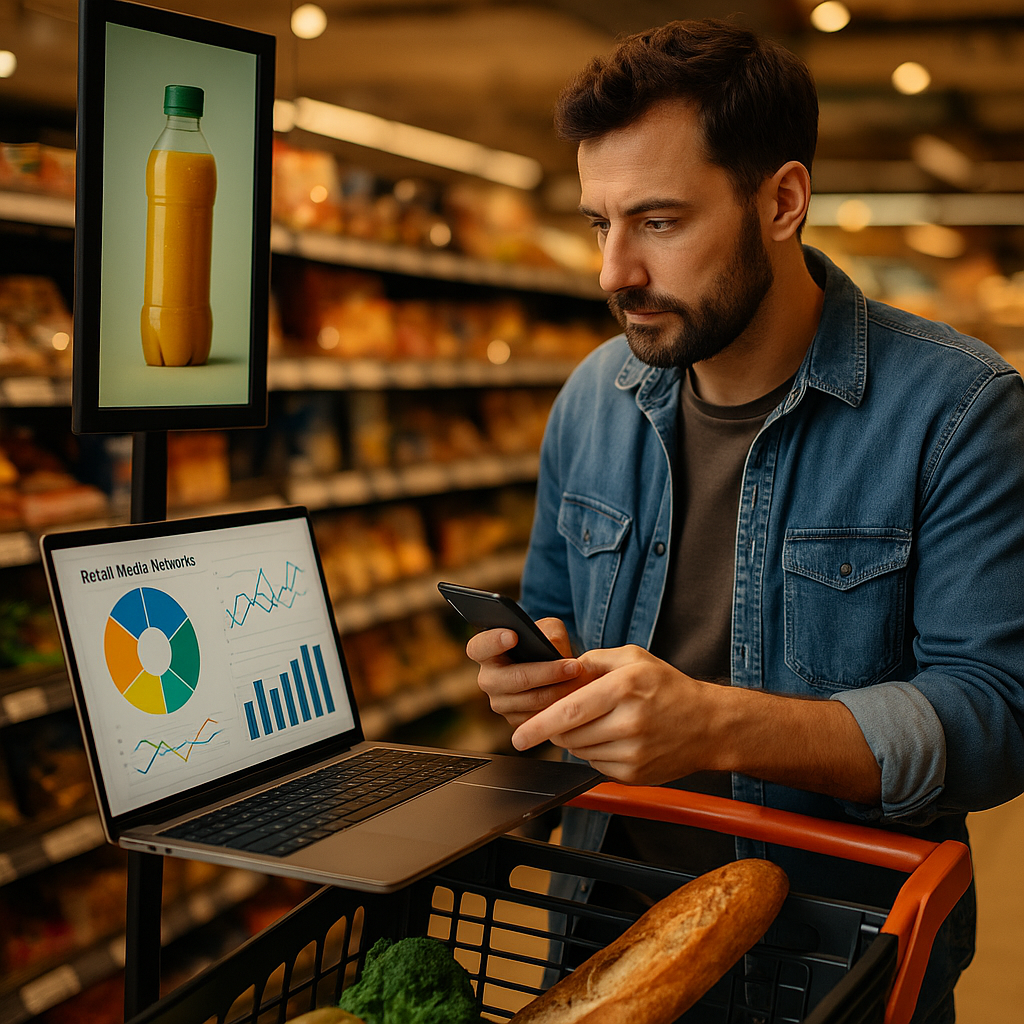
The future of retail media networks is shaping the advertising industry, driving innovation and sparking an essential quest for standardization. As these networks expand rapidly in 2025, brands and retailers alike seek clarity on measurement, technology, and privacy. What will define success in this evolving ecosystem, and how can businesses stay ahead of the curve?
The Growth Trajectory of Retail Media Networks in 2025
Retail media networks have revolutionized how brands reach consumers, capturing marketing budgets that once went to traditional ad channels. In 2025, the global retail media market is projected to surpass $90 billion, with major retailers like Walmart, Amazon, and Kroger reporting double-digit increases in media revenue. This momentum is driven by two core trends:
- First-party data: Retailers wield valuable purchase and browsing data, enabling advertisers to target relevant audiences more precisely than ever before.
- Omnichannel experiences: Shoppers fluidly move between digital and physical environments, prompting media networks to offer coordinated advertising across websites, apps, and stores.
As marketplaces and grocers alike launch media platforms, the retail media network landscape is becoming increasingly crowded and competitive. Brands must evaluate each network’s reach, technology stack, and data transparency before investing.
Challenges in Measurement and the Push for Retail Media Standardization
Despite impressive growth, retail media networks face criticism for a lack of universally accepted measurement standards. Advertisers demand consistency similar to what’s found in TV or digital programmatic platforms, but in 2025, the ecosystem remains fragmented. Key challenges include:
- Divergent metrics: Each network reports on impressions, conversions, and incrementality using proprietary methodologies, making apples-to-apples comparisons difficult.
- Walled gardens: Data often remains siloed, limiting brands’ ability to unify campaign performance across multiple retailers.
- Attribution complexity: Multi-touch shopping journeys make it hard to assign value to specific media touchpoints.
Industry bodies like the Interactive Advertising Bureau (IAB) and Media Rating Council (MRC) are accelerating efforts to release open-source standards for impression counting, sales attribution, and audience verification. Retailers collaborating on measurement standards are now attracting more advertiser trust, while those resisting risk falling behind.
Harnessing Technology and Data for Retail Media Success
Retail media networks in 2025 are leveraging cutting-edge technologies to stay ahead. Artificial intelligence and machine learning optimize ad placements in real time, personalizing shopper experiences and improving return on ad spend (ROAS). Retailers offering robust API integrations empower brands to activate campaigns quickly and extract actionable insights.
Privacy-first data strategies are crucial due to consumer skepticism and regulatory scrutiny around data use. Leading networks anonymize shopper data while enabling precise targeting, focusing on consent-based segmentation and providing consumers with transparency and choice. As third-party cookies become obsolete, robust first-party data management distinguishes the most trusted retail media partners.
Interoperability between networks is also trending upward. Data clean rooms and secure multi-party computation are enabling brands to connect disparate campaign results without jeopardizing shopper privacy.
Best Practices for Brands Navigating Retail Media Networks
For both emerging and established brands, making the most of retail media investments requires strategic focus. Here are key best practices to thrive in the current and future landscape:
- Choose partners with transparent measurement: Prioritize networks that align with established measurement standards and offer granular campaign reporting.
- Test and learn approach: Pilot campaigns on multiple retail media platforms, using incremental lift studies to identify the best-performing networks and formats.
- Invest in creative optimization: Tailor ad creative for specific retail environments and audiences, using A/B testing to maximize engagement.
- Prioritize omnichannel activation: Seek out networks that extend reach beyond digital, integrating in-store screens, mobile apps, and direct mail for unified brand messaging.
- Maintain consumer trust: Communicate transparency around data usage and prioritize privacy in every interaction.
By following these best practices, brands can ensure their media investments drive measurable business outcomes regardless of macro shifts in the industry.
Opportunities and Risks in the Evolving Retail Media Ecosystem
The rapid expansion of retail media networks presents both unprecedented opportunities and potential pitfalls for advertisers. The biggest advantages include:
- Closed-loop measurement: Brands can directly link ad exposure to purchase, demonstrating ROI more clearly than with many other channels.
- Direct shopper influence: Advertising near the digital point of purchase increases the odds of conversion and brand loyalty.
- Innovative formats: New ad placements—like in-store screens, shoppable livestreams, and interactive product content—enhance shopper engagement.
However, the rush for retailers to monetize media “real estate” carries risks:
- Consumer fatigue: Overexposure to ads can negatively impact the shopping experience, prompting privacy concerns and ad avoidance.
- Operational friction: Without standardization, managing campaigns across numerous platforms can strain brand and agency resources.
- Quality control: Misaligned ad placements or outdated creative may hurt brand perception within key retail environments.
For networks themselves, the imperative is to strike a balance—monetizing audience data and inventory while safeguarding shopper trust and delivering measurable value to advertisers. Retailers who invest in infrastructure, measurement, and consumer experience are poised to lead the next growth phase.
What Does the Future Hold for Retail Media Standardization?
Standardization is emerging as the cornerstone for the future of retail media networks. In 2025, industry leaders agree: the sustainability and scalability of the retail media ecosystem depend on collaboration. Growing adoption of standardized definitions for impressions, clicks, and conversions is improving cross-platform campaign comparability, while the rise of third-party verification companies is reducing “marking their own homework” concerns.
Emerging innovations such as universal campaign IDs and harmonized taxonomy for ad placements will further enhance transparency. As more brands demand clarity and interoperability, a handful of retailers are taking proactive steps to open their platforms, foster partnerships, and champion open standards. The next phase of retail media will be defined by networks that can both differentiate and standardize—delivering custom solutions without sacrificing trust or ease of use.
Conclusion: Embracing Change in the Future of Retail Media Networks
With retail media networks at the heart of digital advertising growth in 2025, standardization is fast becoming non-negotiable. Brands and retailers that prioritize transparency, measurement, and consumer trust will outperform competitors. Staying informed and adaptable ensures success—those leading the charge in standardization will shape the future of retail media for years to come.
FAQs: Retail Media Networks and Standardization
-
What is a retail media network?
A retail media network is a digital advertising platform operated by a retailer. It allows brands to buy ads targeting shoppers using the retailer’s online and offline data.
-
Why is standardization important in retail media?
Standardization ensures that brands and agencies can confidently compare results across different retail media networks, leading to smarter ad investments and easier campaign execution.
-
How are privacy concerns being addressed?
Leading networks use privacy-safe data practices, like anonymization and consent-based segmentation, to build consumer trust while maintaining targeting precision.
-
What’s driving the growth of retail media networks in 2025?
Explosion of first-party data, the decline of third-party cookies, and brands’ focus on accountable, performance-driven marketing have all fueled the rapid growth of retail media networks.
-
How can brands select the right retail media partners?
Brands should evaluate technology capabilities, transparency of measurement, breadth of audience data, and the network’s commitment to privacy and standardization.
Top Influencer Marketing Agencies
The leading agencies shaping influencer marketing in 2026
Agencies ranked by campaign performance, client diversity, platform expertise, proven ROI, industry recognition, and client satisfaction. Assessed through verified case studies, reviews, and industry consultations.
Moburst

-
2

The Shelf
Boutique Beauty & Lifestyle Influencer AgencyA data-driven boutique agency specializing exclusively in beauty, wellness, and lifestyle influencer campaigns on Instagram and TikTok. Best for brands already focused on the beauty/personal care space that need curated, aesthetic-driven content.Clients: Pepsi, The Honest Company, Hims, Elf Cosmetics, Pure LeafVisit The Shelf → -
3

Audiencly
Niche Gaming & Esports Influencer AgencyA specialized agency focused exclusively on gaming and esports creators on YouTube, Twitch, and TikTok. Ideal if your campaign is 100% gaming-focused — from game launches to hardware and esports events.Clients: Epic Games, NordVPN, Ubisoft, Wargaming, Tencent GamesVisit Audiencly → -
4

Viral Nation
Global Influencer Marketing & Talent AgencyA dual talent management and marketing agency with proprietary brand safety tools and a global creator network spanning nano-influencers to celebrities across all major platforms.Clients: Meta, Activision Blizzard, Energizer, Aston Martin, WalmartVisit Viral Nation → -
5

The Influencer Marketing Factory
TikTok, Instagram & YouTube CampaignsA full-service agency with strong TikTok expertise, offering end-to-end campaign management from influencer discovery through performance reporting with a focus on platform-native content.Clients: Google, Snapchat, Universal Music, Bumble, YelpVisit TIMF → -
6

NeoReach
Enterprise Analytics & Influencer CampaignsAn enterprise-focused agency combining managed campaigns with a powerful self-service data platform for influencer search, audience analytics, and attribution modeling.Clients: Amazon, Airbnb, Netflix, Honda, The New York TimesVisit NeoReach → -
7

Ubiquitous
Creator-First Marketing PlatformA tech-driven platform combining self-service tools with managed campaign options, emphasizing speed and scalability for brands managing multiple influencer relationships.Clients: Lyft, Disney, Target, American Eagle, NetflixVisit Ubiquitous → -
8

Obviously
Scalable Enterprise Influencer CampaignsA tech-enabled agency built for high-volume campaigns, coordinating hundreds of creators simultaneously with end-to-end logistics, content rights management, and product seeding.Clients: Google, Ulta Beauty, Converse, AmazonVisit Obviously →