


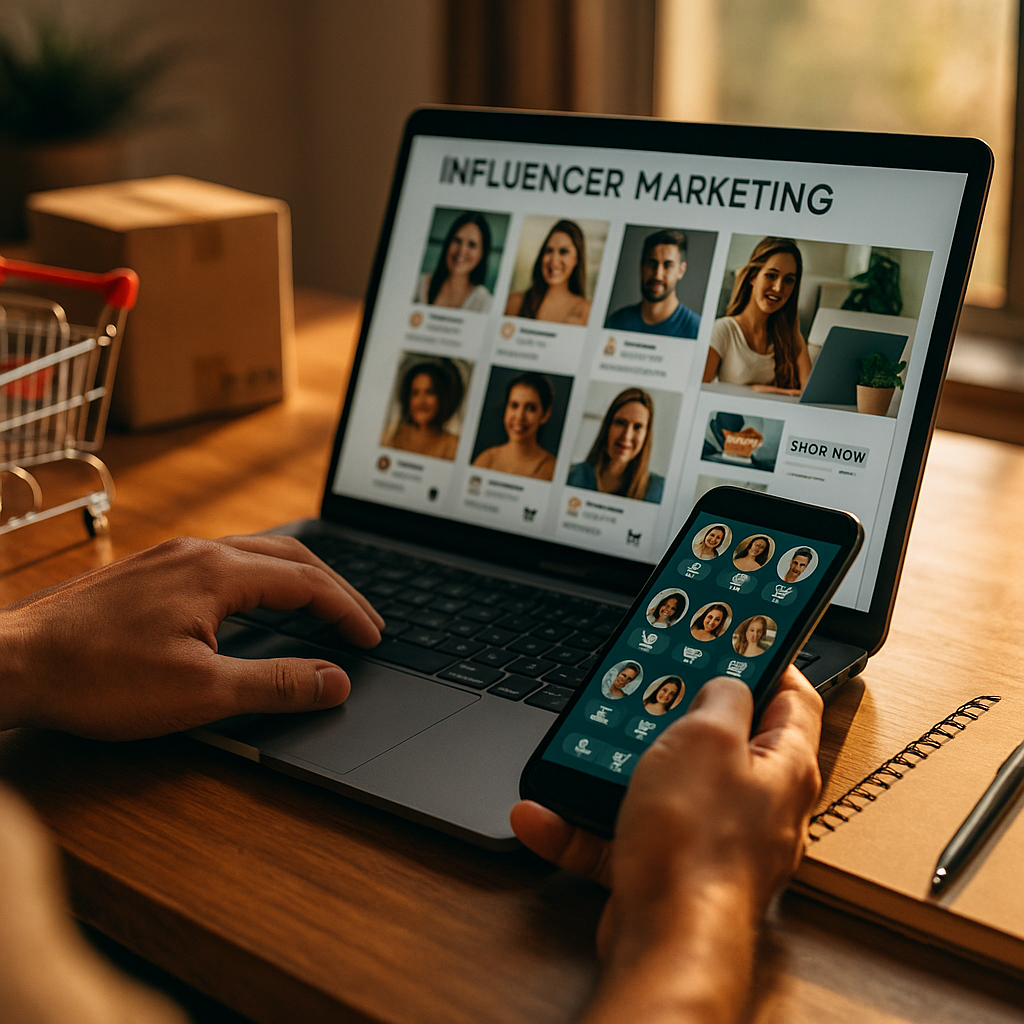
Influencer marketing platforms focused on e-commerce integration have rapidly transformed how brands connect with target audiences and drive revenue. In 2025, seamless connections between creators and online storefronts are more vital than ever. This review explores the top options, key features, and tips for choosing the best solution—so you can turn influencer partnerships into real sales impact.
Why E-commerce Integration Is a Gamechanger in Influencer Marketing
For brands selling online, e-commerce influencer marketing platforms bridge the gap between content creation and conversions. Instead of generic brand awareness, these platforms let brands:
- Connect influencer content directly to product pages
- Enable in-content shopping via shoppable links and tags
- Access detailed sales analytics tied to individual creators
- Automate affiliate commissions and promotional codes
- Track conversion rates, average order values, and lifetime customer value from influencer-driven traffic
Studies in 2025 show that when influencer and e-commerce systems are integrated, brands see up to a 36% higher conversion rate versus campaigns without such connections (Source: Influencer Marketing Hub, 2025). By streamlining the customer journey from engagement to purchase, brands maximize ROI and gain actionable data for future campaigns.
Top Influencer Marketing Platforms for E-commerce Brands
Today’s leading influencer marketing software for e-commerce offers robust integrations with popular platforms like Shopify, WooCommerce, Magento, and BigCommerce. While new entrants continue to emerge, the top platforms in 2025 stand out for reliability, transparency, and advanced commerce-centric tools.
- Upfluence: Known for deep Shopify and WooCommerce integration, Upfluence enables real-time affiliate code creation, tracks conversions per influencer, and offers a robust influencer CRM.
- GRIN: Built for DTC brands, GRIN manages influencer relationships at scale and automates product seeding, reporting, and payment via e-commerce integrations.
- Aspire.io: Praised for its campaign automation and shoppable galleries, Aspire.io centralizes influencer content and sales analytics in one dashboard.
- Impact.com: Blending influencer and affiliate marketing, Impact.com offers advanced tracking, dynamic attribution, and out-of-the-box integrations with most major e-commerce platforms.
- LTK (LikeToKnowIt): A specialist in visual shopping, LTK powers social commerce with in-app checkout and native e-commerce storefronts for content creators.
All these platforms offer flexible integrations, detailed performance dashboards, and comprehensive onboarding resources to help teams succeed with minimal technical friction.
Essential Features of E-commerce Influencer Platforms
Not every solution is created equal. Here’s what to look for when comparing influencer platforms with e-commerce features:
- Seamless Integration: Avoid manual data syncing by choosing platforms with plug-and-play support for your e-commerce stack.
- Shoppable Content: Look for click-to-buy links, Instagram/Facebook shop integrations, or embedded product tags in influencer posts.
- Sales Attribution: Platforms should offer accurate tracking for conversions, lifetime value, and ROI, broken down per influencer and per campaign.
- Automated Affiliate Tools: Built-in commission tracking, promo code creation, and customizable payment structures streamline collaboration.
- Creator Discovery: AI-driven search and filtering ensure your campaigns align with the most relevant and high-performing creators for your niche.
- Compliance & Security: GDPR-compliant data handling, transparent reporting, and fraud prevention are non-negotiable in today’s environment.
The best platforms also provide real-time dashboards, automated workflow management, and robust customer support—including educational resources and case studies from ecommerce peers.
Making Your Influencer Program Shop-Ready
Maximizing influencer e-commerce integrations requires more than just the right software—it takes strategic alignment. Here’s how brands can ensure a seamless, sales-focused experience:
- Set measurable KPIs: Define sales goals, target conversion rates, and customer acquisition cost benchmarks for each campaign.
- Train influencers: Share best practices for in-content shopping features and provide them with personalized URLs, UTM codes, or shoppable widgets.
- Leverage automation: Use platform tools to pull product data, automate payouts, and trigger re-engagement campaigns based on performance.
- Monitor and optimize: Analyze post-level attribution and adjust influencer selection, creative briefs, or campaign timing for better results.
- Foster long-term relationships: The most impactful programs focus on ambassadorship, not just one-off posts. Build a creator community invested in your brand’s ongoing growth.
By integrating influencer campaigns with your e-commerce backend, you bridge creative storytelling with conversion science—delivering engaging content and measurable business wins in tandem.
Measuring Success: Analytics and Attribution Best Practices
For e-commerce influencer measurement, gone are the days of vague metrics. In 2025, platforms deliver granular insights that matter:
- Click-through and conversion rates: Track how often influencer audiences transition from content to purchase and complete a sale.
- Average order value (AOV): Assess whether influencers are driving high-intent, high-value customers.
- New vs. returning customer acquisition: Determine if influencers are introducing your brand to new segments.
- Campaign-level ROI: Calculate total influencer-driven revenue against campaign spend, factoring in product gifting or affiliate commissions.
- LTV (lifetime value) by influencer: Platforms now tie long-term customer value to individual creators, uncovering which partners deliver sustained business growth.
- Fraud and authenticity checks: Leading solutions deploy AI to flag suspicious traffic, fake engagement, or inauthentic conversions—protecting your brand’s investment.
Custom reports can be exported directly to BI tools, making cross-team reporting easier and ensuring full executive visibility into influencer program impact.
Choosing the Best Influencer Platform for Your E-commerce Brand
The best e-commerce influencer marketing platform is the one that fits your business needs, technical stack, and future growth plans. Consider these steps for making a confident decision:
- Assess current and future needs: Are you focused on Instagram, TikTok, or multi-channel? Do you require global affiliate management or just U.S. sales?
- Request demos and trials: Test integrations with your actual online store, and ensure reporting aligns with your KPIs.
- Ask about onboarding and support: The right platform should provide a clear launch plan, dedicated support, and ongoing best-practice updates.
- Check for transparent pricing: Review contract terms, extra fees, and scalability as your influencer program expands.
- Read recent reviews and case studies: Current testimonials from brands similar to yours are invaluable for gaining real-world perspective.
Ultimately, prioritize platforms that simplify workflow, deliver actionable insights, and foster creator-brand relationships. The right technology should free up your team to focus on creative strategy that drives conversions—not busywork.
In conclusion, e-commerce-focused influencer marketing platforms are no longer an optional upgrade. With seamless integration, robust analytics, and hands-off automation, these solutions empower brands to transform creator partnerships into real revenue. The key takeaway: With the right platform, influencer marketing becomes your most trackable and scalable growth channel in 2025.
FAQs: Influencer Platforms and E-commerce Integration
-
What is an influencer marketing platform with e-commerce integration?
It’s a software solution that connects brands with creators and integrates seamlessly with your online store—enabling direct sales tracking, affiliate payouts, shoppable content, and unified performance analytics.
-
How do e-commerce integrations improve influencer campaign ROI?
They eliminate friction between content discovery and purchase, allow real-time sales tracking by influencer, and automate commissions—all leading to higher conversion rates and better attribution of marketing spend.
-
Which e-commerce platforms are most commonly integrated?
Most leading influencer marketing platforms offer direct integrations with Shopify, WooCommerce, Magento, BigCommerce, and custom APIs for enterprise storefronts.
-
Can these platforms detect fake followers or inauthentic conversions?
Yes, most reputable solutions in 2025 use AI-powered fraud detection to identify suspicious activity and ensure your campaign results, and spend remains authentic and effective.
-
How should brands choose the right influencer platform?
Consider your e-commerce tech stack, influencer marketing goals, reporting needs, support level, and growth plans. Prioritize platforms with proven customer testimonials, easy onboarding, and transparent pricing.
Top Influencer Marketing Agencies
The leading agencies shaping influencer marketing in 2026
Agencies ranked by campaign performance, client diversity, platform expertise, proven ROI, industry recognition, and client satisfaction. Assessed through verified case studies, reviews, and industry consultations.
Moburst

-
2

The Shelf
Boutique Beauty & Lifestyle Influencer AgencyA data-driven boutique agency specializing exclusively in beauty, wellness, and lifestyle influencer campaigns on Instagram and TikTok. Best for brands already focused on the beauty/personal care space that need curated, aesthetic-driven content.Clients: Pepsi, The Honest Company, Hims, Elf Cosmetics, Pure LeafVisit The Shelf → -
3

Audiencly
Niche Gaming & Esports Influencer AgencyA specialized agency focused exclusively on gaming and esports creators on YouTube, Twitch, and TikTok. Ideal if your campaign is 100% gaming-focused — from game launches to hardware and esports events.Clients: Epic Games, NordVPN, Ubisoft, Wargaming, Tencent GamesVisit Audiencly → -
4

Viral Nation
Global Influencer Marketing & Talent AgencyA dual talent management and marketing agency with proprietary brand safety tools and a global creator network spanning nano-influencers to celebrities across all major platforms.Clients: Meta, Activision Blizzard, Energizer, Aston Martin, WalmartVisit Viral Nation → -
5

The Influencer Marketing Factory
TikTok, Instagram & YouTube CampaignsA full-service agency with strong TikTok expertise, offering end-to-end campaign management from influencer discovery through performance reporting with a focus on platform-native content.Clients: Google, Snapchat, Universal Music, Bumble, YelpVisit TIMF → -
6

NeoReach
Enterprise Analytics & Influencer CampaignsAn enterprise-focused agency combining managed campaigns with a powerful self-service data platform for influencer search, audience analytics, and attribution modeling.Clients: Amazon, Airbnb, Netflix, Honda, The New York TimesVisit NeoReach → -
7

Ubiquitous
Creator-First Marketing PlatformA tech-driven platform combining self-service tools with managed campaign options, emphasizing speed and scalability for brands managing multiple influencer relationships.Clients: Lyft, Disney, Target, American Eagle, NetflixVisit Ubiquitous → -
8

Obviously
Scalable Enterprise Influencer CampaignsA tech-enabled agency built for high-volume campaigns, coordinating hundreds of creators simultaneously with end-to-end logistics, content rights management, and product seeding.Clients: Google, Ulta Beauty, Converse, AmazonVisit Obviously →