


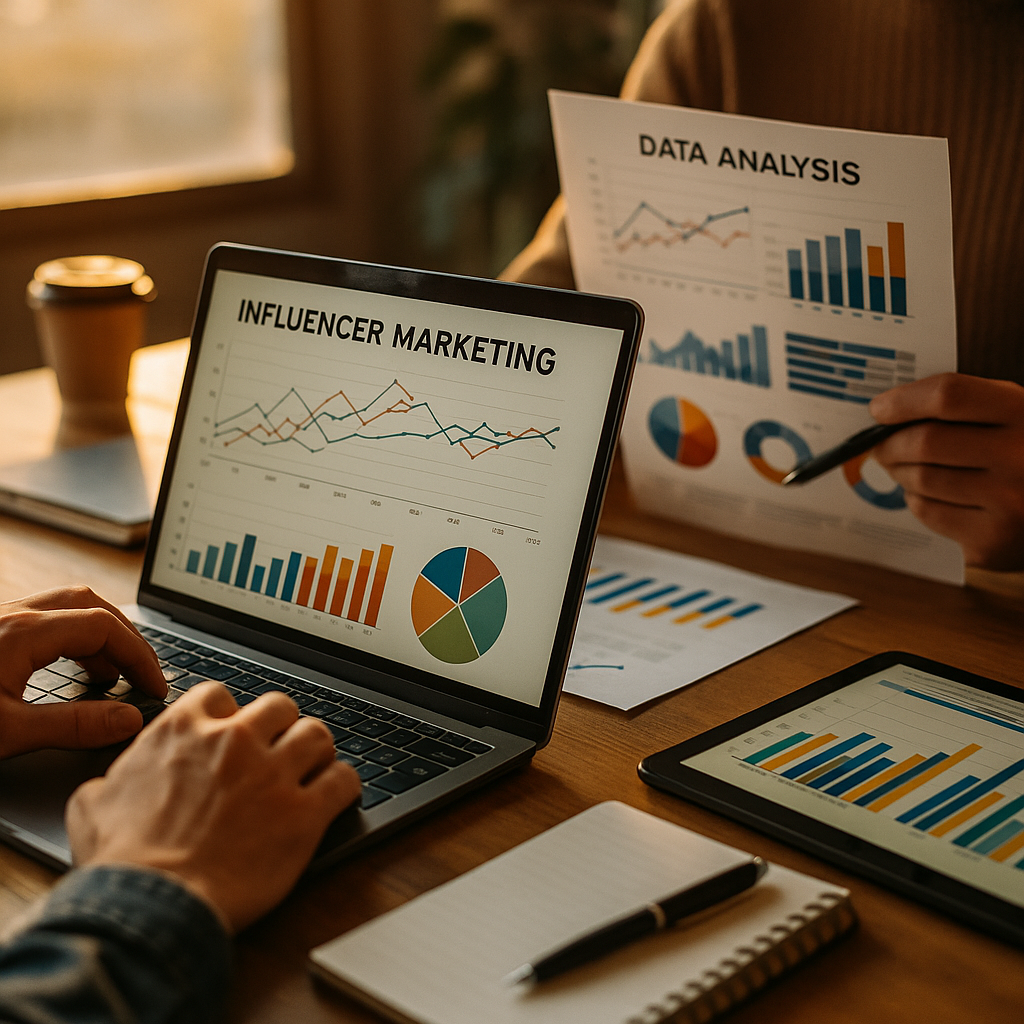
B2B influencer marketing done right elevates brand credibility, builds trust, and directly impacts sales pipelines. Yet, success requires more than product placements or social media mentions. To gain a true competitive edge in 2025, businesses must rethink partnerships and adopt holistic, data-driven strategies. Ready to unlock the next level of B2B growth? Let’s explore how the best teams succeed.
The Evolution of B2B Influencer Collaboration
B2B influencer engagement has transformed dramatically in recent years. Traditionally, brands relied on high-follower individuals to broadcast messages. In 2025, the focus has shifted to authentic B2B partnerships—collaborations grounded in expertise and genuine value exchange.
Modern B2B influencers aren’t just LinkedIn thought leaders or executive bloggers. Today’s top partners include:
- Industry analysts shaping market discussions
- Practitioner-experts with trusted, peer-driven communities
- Technology reviewers influencing software-buying decisions
- Consultants guiding C-suite strategy in niche domains
The best B2B programs go beyond surface-level content. Engagement now centers on long-term storytelling, education, and co-creation. These relationships drive true authority and differentiate brands in technical, competitive spaces.
Building Trust Through Knowledge-Driven Influencers
Trust is the currency of B2B decision-making. As budgets tighten and buyers research more independently, aligning with knowledge-driven influencers creates a clear credibility boost.
A 2024 Edelman study found 72% of B2B buyers seek third-party expert validation before shortlisting providers. Influencers who possess:
- Domain depth (technical credentials, publications, or certifications)
- Recognized industry experience
- Proven ability to educate and guide
…are more likely to resonate with B2B audiences than traditional “brand ambassadors.” Strategic selection is a must: the influencer’s reputation should enhance your own, not detract from it.
Establish clear guidelines around content accuracy, transparency, and appropriate disclosures. Influencer trust is earned—and sustained—by consistently delivering valuable, factual insights to your shared audience.
Crafting Effective B2B Influencer Campaigns in 2025
Effective B2B influencer campaigns require thoughtful planning and relevance to current business challenges. In 2025, brands are prioritizing these proven B2B influencer strategies:
- Co-created Content: Develop assets together—such as whitepapers, research, webinars, and case studies—that demonstrate both technical leadership and real-world impact.
- Multi-Channel Engagement: Move beyond LinkedIn posts. Successful brands leverage podcasts, industry events, private roundtables, and curated email series with influencers.
- Pipeline Attribution: Use UTM tracking, CRM integration, and custom lead gen forms to directly connect influencer activity to business outcomes, not just engagement metrics.
- Always-On Partnerships: Build long-term relationships rather than one-off campaigns. Continuous collaboration leads to richer audience trust and deeper storytelling.
Every campaign should start with clear objectives, content formats tailored to the buying stage, and mutually beneficial KPIs. Influencers bring authenticity, but real performance requires a shared approach to measurement.
The Role of Data in Influencer Identification and ROI Measurement
Gone are the days of picking influencers based on follower count. In the age of AI-powered analytics, identifying B2B influencers and proving their impact relies on hard data.
Leverage specialized tools to:
- Analyze social listening data for topic authority and audience overlap
- Track share of voice among decision-makers and procurement professionals
- Model the impact of influencer content on buyer journey progression
Marketers in 2025 are increasingly using technology stacks that integrate influencer performance into their BI dashboards:
- Top-of-funnel: Impressions, reads, content shares within target accounts
- Mid-funnel: Influencer-driven webinar registrations, direct inbound leads
- Bottom-of-funnel: Influence on closed-won deals, pipeline velocity
Always request influencer audience analytics and align these data points with your ICP (Ideal Customer Profile). Consistent reporting fosters transparency—critical for both EEAT compliance and long-term ROI.
Best Practices for Influencer Relationships and Brand Safety
Effective B2B influencer relationship management extends far beyond campaign logistics. The foundation of success is mutual trust and respect—ensuring influencers feel heard, valued, and aligned with your messaging.
Follow these best practices:
- Clear Communication: Set expectations regarding deliverables, approvals, and timelines upfront.
- Legal Compliance: In 2025, regulatory oversight (including GDPR and FTC requirements) is more rigorous; always adhere to disclosure and data privacy rules.
- Feedback & Iteration: Treat influencer input as expert advice, not simple promotion, and regularly solicit feedback on process improvements.
- Brand Alignment: Provide influencers with structured guidelines and insight into your mission, but never script or stifle their authentic voice.
- Risk Management: Monitor for reputational risks—conduct regular audits of associated content and adapt responsiveness plans as needed.
Sustainable influencer marketing thrives on transparent partnership and continuous optimization. Prioritize long-term value over quick wins to safeguard both brand and reputation.
Real-World B2B Influencer Marketing Success: Case Examples
To illustrate B2B influencer marketing done right, consider these recent scenarios from tech, SaaS, and professional services companies:
- SaaS Platform: Leveraged an analyst’s series of webinars and published studies addressing emerging compliance needs. Result: Inbound demos increased by 38% from targeted industries, with 22% converting to SQLs.
- IT Consulting Firm: Co-created educational LinkedIn Live sessions with respected practitioner-influencers. Outcome: 19% faster deal cycles and a 41% rise in content engagement among C-suite audiences.
- Cybersecurity Vendor: Sponsored a research podcast hosted by a leading security expert, reaching thousands of CISOs. Result: Triple the organic brand mentions and significant uptick in shortlisting rates.
These examples prove the greatest impact comes from knowledge-sharing and strategic co-creation. Results are measurable, repeatable, and scalable when executed with the right partners.
Frequently Asked Questions (FAQs) about B2B Influencer Marketing
-
What is B2B influencer marketing?
B2B influencer marketing involves collaborating with industry experts, thought leaders, or practitioners who can credibly advocate for your products or services to a business audience. Its goal is to increase brand authority, support complex buyer journeys, and drive measurable results.
-
How is B2B influencer marketing different from B2C?
B2B influencer marketing prioritizes expertise, trust, and rational decision-making. Influence is driven by domain authority and peer validation, not celebrity. Content often focuses on education, industry trends, or technical solutions, targeting stakeholders and buying committees rather than individual consumers.
-
How do you find the right B2B influencers?
Use data-driven tools to map key voices within your sector, analyze their content’s engagement among your target customers, and validate their expertise through publications, certifications, or references. Collaboration and values alignment are as important as reach.
-
How do you measure B2B influencer marketing ROI?
Track end-to-end impact: content shares, webinar registrations, pipeline attribution, and ultimately, sales outcomes. Integrate UTM tracking, CRM data, and campaign analytics. The most robust programs continually analyze and refine based on measurable business outcomes.
-
Are micro-influencers effective in B2B?
Absolutely. Micro-influencers often command niche, highly-engaged communities. Their deep expertise and peer trust can outperform broad-reach influencers for targeted B2B campaigns—especially in technical or verticalized industries.
B2B influencer marketing done right is less about hype and more about value. By building authentic, data-driven relationships with credible industry experts, brands can unlock trust, drive pipeline growth, and stand out in a noisy digital world. Start small, remain strategic, and prioritize partnership for maximum ROI.
Top Influencer Marketing Agencies
The leading agencies shaping influencer marketing in 2026
Agencies ranked by campaign performance, client diversity, platform expertise, proven ROI, industry recognition, and client satisfaction. Assessed through verified case studies, reviews, and industry consultations.
Moburst

-
2

The Shelf
Boutique Beauty & Lifestyle Influencer AgencyA data-driven boutique agency specializing exclusively in beauty, wellness, and lifestyle influencer campaigns on Instagram and TikTok. Best for brands already focused on the beauty/personal care space that need curated, aesthetic-driven content.Clients: Pepsi, The Honest Company, Hims, Elf Cosmetics, Pure LeafVisit The Shelf → -
3

Audiencly
Niche Gaming & Esports Influencer AgencyA specialized agency focused exclusively on gaming and esports creators on YouTube, Twitch, and TikTok. Ideal if your campaign is 100% gaming-focused — from game launches to hardware and esports events.Clients: Epic Games, NordVPN, Ubisoft, Wargaming, Tencent GamesVisit Audiencly → -
4

Viral Nation
Global Influencer Marketing & Talent AgencyA dual talent management and marketing agency with proprietary brand safety tools and a global creator network spanning nano-influencers to celebrities across all major platforms.Clients: Meta, Activision Blizzard, Energizer, Aston Martin, WalmartVisit Viral Nation → -
5

The Influencer Marketing Factory
TikTok, Instagram & YouTube CampaignsA full-service agency with strong TikTok expertise, offering end-to-end campaign management from influencer discovery through performance reporting with a focus on platform-native content.Clients: Google, Snapchat, Universal Music, Bumble, YelpVisit TIMF → -
6

NeoReach
Enterprise Analytics & Influencer CampaignsAn enterprise-focused agency combining managed campaigns with a powerful self-service data platform for influencer search, audience analytics, and attribution modeling.Clients: Amazon, Airbnb, Netflix, Honda, The New York TimesVisit NeoReach → -
7

Ubiquitous
Creator-First Marketing PlatformA tech-driven platform combining self-service tools with managed campaign options, emphasizing speed and scalability for brands managing multiple influencer relationships.Clients: Lyft, Disney, Target, American Eagle, NetflixVisit Ubiquitous → -
8

Obviously
Scalable Enterprise Influencer CampaignsA tech-enabled agency built for high-volume campaigns, coordinating hundreds of creators simultaneously with end-to-end logistics, content rights management, and product seeding.Clients: Google, Ulta Beauty, Converse, AmazonVisit Obviously →