


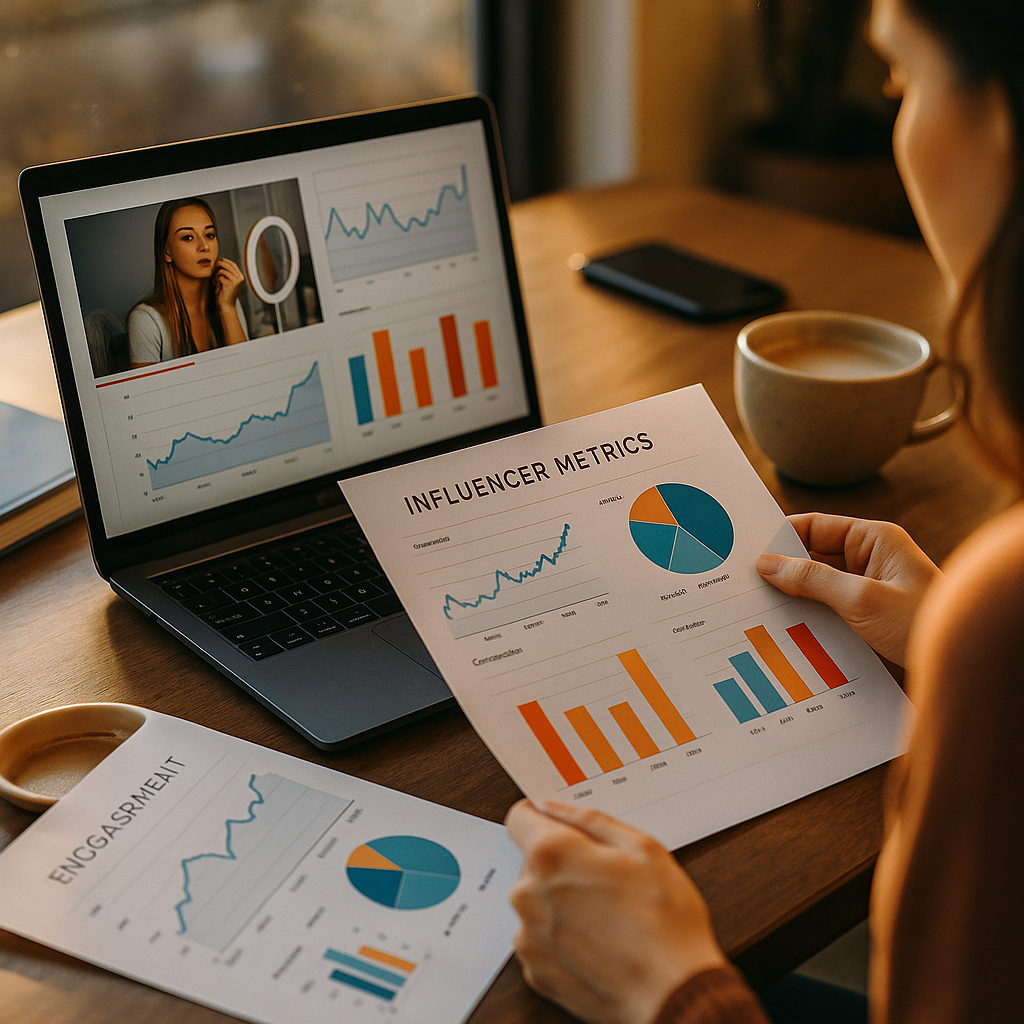
Developing an effective framework for measuring influencer ROI accurately is critical for brands striving to maximize returns on their marketing investments. With influencer marketing budgets rising across industries, businesses must move beyond vanity metrics to truly evaluate performance. Discover how your brand can build an actionable, data-driven approach to influencer ROI below.
Understanding Influencer ROI Metrics in Digital Campaigns
Accurate tracking of influencer ROI begins with selecting the right metrics. Traditional campaign KPIs such as reach and impressions offer surface-level insights. However, true value comes from identifying metrics that connect influencer activities directly to business outcomes.
- Engagement Rate: Likes, shares, comments, and saves offer a gauge of audience interaction quality.
- Click-Through Rate (CTR): Monitors the effectiveness of influencer-generated content in driving traffic.
- Conversion Rate: Tracks actions like sign-ups or purchases attributed to specific influencer efforts.
- Cost Per Acquisition (CPA): Measures the spend required to acquire a customer through influencer campaigns.
- Lifetime Value (LTV): Estimates the long-term revenue impact of customers acquired via influencer partnerships.
Choosing the right blend of these metrics is the cornerstone of a credible influencer ROI framework.
Setting Clear Campaign Goals and Using Attribution Models
Before launching any influencer initiative, brands must establish specific, measurable goals. Is the aim to generate brand awareness, boost engagement, drive sales, or nurture loyalty? Each objective requires its own set of metrics and attribution logic.
Modern attribution models, including first-touch, last-touch, and multi-touch, illuminate the customer journey from exposure to conversion. Advanced tools like UTM parameters, affiliate codes, and platform-integrated analytics bring clarity to each interaction’s value. For instance, multi-touch attribution credits the influencer’s role at each engagement stage, helping marketers understand true impact.
Leveraging Data Analytics to Enhance Measurement Accuracy
Data analytics are indispensable for influencer ROI accuracy. In 2025, sophisticated platforms offer real-time dashboards, AI-powered sentiment analysis, and automated fraud detection to ensure authentic results. Brands should connect all relevant datasets—from social platforms, web analytics, and sales systems—for comprehensive reporting.
Key best practices include:
- Centralizing influencer and campaign data in secure, accessible dashboards
- Tracking qualitative elements such as sentiment, user-generated content, and influencer credibility
- Layering sales and CRM data over engagement metrics to confirm tangible outcomes
- Regularly auditing influencer partners to ensure genuine engagement and audience relevance
This integrated approach empowers marketers to pinpoint what works, forecast future success, and pivot strategies with confidence.
Benchmarking and Industry Standards for Influencer ROI
To meaningfully evaluate performance, compare influencer campaign results against established benchmarks and industry standards. According to HubSpot’s 2025 Influencer Marketing Report, the average ROI for influencer campaigns is $5.78 for every $1 spent in top-performing industries.
Effective benchmarking involves:
- Compiling historical campaign data to identify trends and set realistic targets
- Comparing against competitor performance when available (via market intelligence tools)
- Participating in industry forums and sharing anonymized results to refine collective benchmarking
- Adjusting benchmarks as platforms’ algorithms and audience behaviors evolve
This practice fortifies your ROI framework, ensuring your evaluations remain current and competitive.
Optimizing Influencer Selection for Maximum ROI
ROI hinges not just on post-campaign analysis but also on strategic influencer selection. Choose influencers whose audience, values, and expertise align closely with your brand and objectives. In 2025, authenticity and niche engagement matter more than ever.
Top criteria for influencer selection include:
- Audience Demographics: Match the influencer’s following with your target market.
- Previous Campaign Performance: Review past ROI from similar partnerships.
- Engagement Authenticity: Use AI tools to detect genuine follower interaction and weed out fake engagement.
- Content Quality and Reputational Fit: Preview the influencer’s past work for alignment with your brand’s ethos.
Choosing wisely at this stage increases the likelihood of measurable, repeatable, and positive influencer ROI.
Continuous Improvement: Learning from ROI Insights
Measuring ROI is not a one-off activity. Brands that excel in influencer marketing treat performance data as a catalyst for ongoing refinement. Establish feedback loops where insights from one campaign inform the next.
- Review detailed campaign analytics with influencers and cross-functional teams.
- Identify high-performing content themes, formats, and call-to-actions to replicate success.
- Troubleshoot underperforming elements and test new approaches in future initiatives.
- Invest in upskilling teams on data literacy and emerging influencer marketing tech.
This culture of continuous improvement keeps your influencer ROI framework resilient and effective over time.
FAQs: Measuring Influencer ROI Accurately
- What is a reliable way to attribute sales to influencers?
Use tracking links, UTM codes, and dedicated discount codes for each influencer to reliably trace sales back to specific creators and campaigns. - How can I tell if influencer engagement is authentic?
Leverage social analytics platforms that detect abnormal follower or engagement patterns, and cross-verify with manual content reviews. - Which platforms provide the most accurate influencer ROI data?
Major platforms like Instagram, TikTok, and YouTube now offer native analytics integrations. Pair these with third-party analytics software for holistic insights. - How often should I review influencer marketing ROI?
Continual, not annual, assessment is best. Analyze campaign data in real-time, perform monthly reviews, and revisit benchmarks quarterly to stay agile. - Do micro-influencers or celebrity influencers yield better ROI?
Micro-influencers often deliver higher engagement and cost-efficiency. ROI ultimately depends on alignment with your brand goals and target audience.
Implementing a solid framework for measuring influencer ROI accurately empowers brands to optimize investments and foster strategic growth. By selecting the right metrics, improving attribution, and continuously learning from results, businesses can unlock the full potential of influencer marketing in 2025 and beyond.
Top Influencer Marketing Agencies
The leading agencies shaping influencer marketing in 2026
Agencies ranked by campaign performance, client diversity, platform expertise, proven ROI, industry recognition, and client satisfaction. Assessed through verified case studies, reviews, and industry consultations.
Moburst

-
2

The Shelf
Boutique Beauty & Lifestyle Influencer AgencyA data-driven boutique agency specializing exclusively in beauty, wellness, and lifestyle influencer campaigns on Instagram and TikTok. Best for brands already focused on the beauty/personal care space that need curated, aesthetic-driven content.Clients: Pepsi, The Honest Company, Hims, Elf Cosmetics, Pure LeafVisit The Shelf → -
3

Audiencly
Niche Gaming & Esports Influencer AgencyA specialized agency focused exclusively on gaming and esports creators on YouTube, Twitch, and TikTok. Ideal if your campaign is 100% gaming-focused — from game launches to hardware and esports events.Clients: Epic Games, NordVPN, Ubisoft, Wargaming, Tencent GamesVisit Audiencly → -
4

Viral Nation
Global Influencer Marketing & Talent AgencyA dual talent management and marketing agency with proprietary brand safety tools and a global creator network spanning nano-influencers to celebrities across all major platforms.Clients: Meta, Activision Blizzard, Energizer, Aston Martin, WalmartVisit Viral Nation → -
5

The Influencer Marketing Factory
TikTok, Instagram & YouTube CampaignsA full-service agency with strong TikTok expertise, offering end-to-end campaign management from influencer discovery through performance reporting with a focus on platform-native content.Clients: Google, Snapchat, Universal Music, Bumble, YelpVisit TIMF → -
6

NeoReach
Enterprise Analytics & Influencer CampaignsAn enterprise-focused agency combining managed campaigns with a powerful self-service data platform for influencer search, audience analytics, and attribution modeling.Clients: Amazon, Airbnb, Netflix, Honda, The New York TimesVisit NeoReach → -
7

Ubiquitous
Creator-First Marketing PlatformA tech-driven platform combining self-service tools with managed campaign options, emphasizing speed and scalability for brands managing multiple influencer relationships.Clients: Lyft, Disney, Target, American Eagle, NetflixVisit Ubiquitous → -
8

Obviously
Scalable Enterprise Influencer CampaignsA tech-enabled agency built for high-volume campaigns, coordinating hundreds of creators simultaneously with end-to-end logistics, content rights management, and product seeding.Clients: Google, Ulta Beauty, Converse, AmazonVisit Obviously →