


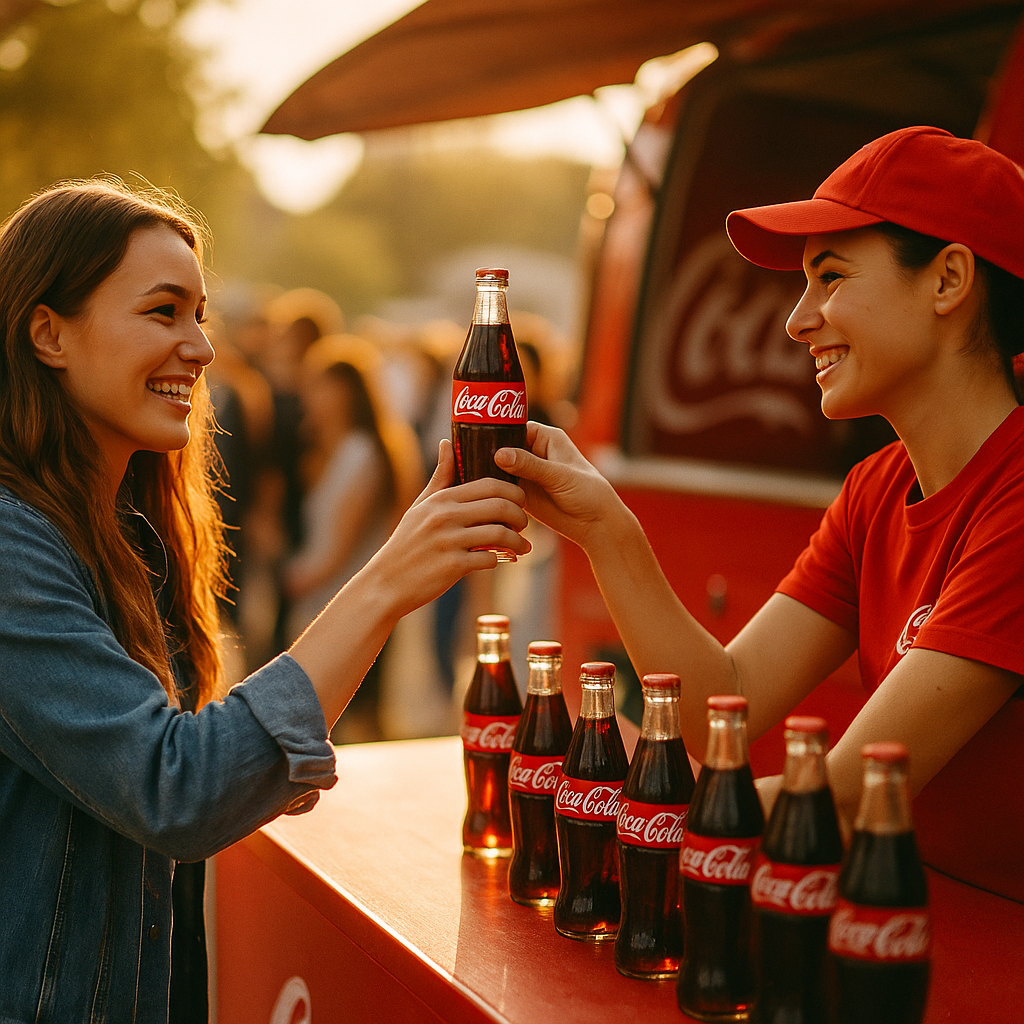
Experiential marketing is reshaping how brands connect with consumers, translating memorable moments into measurable sales results. By harnessing live, immersive interactions, companies can foster lasting impressions and drive purchasing decisions. This case study explores how a leading beverage brand achieved remarkable sales growth through a bold experiential marketing campaign—read on to uncover their winning strategy.
Launching a Bold Experiential Marketing Campaign
When Coca-Cola launched its “Share a Coke” experiential campaign, the brand set out to strengthen consumer engagement and boost sales. Rather than relying solely on traditional advertising, Coca-Cola transformed its marketing approach by encouraging direct consumer interaction, inviting customers to personalize Coke bottles with their names and share the experience. This strategy combined physical touchpoints, digital media, and event activations to create a unique brand-consumer relationship.
Designing Immersive Interactions to Drive Engagement
The success of Coca-Cola’s experiential marketing efforts hinged on designing immersive experiences that resonated emotionally with participants. At the heart of the campaign was the installation of personalized bottling kiosks at key retail locations and major events. These kiosks allowed visitors to print their names—or those of loved ones—on authentic Coke bottles. The tactile, shareable nature of the interaction boosted both brand recall and positive sentiment.
- Personalization: Consumers could directly engage with the product, fostering a feeling of ownership.
- Social sharing: Events encouraged attendees to post photos online, amplifying reach and organic buzz.
- Live events: Pop-up installations offered memorable moments, attracting media and influencer attention.
This hands-on, memorable approach aligned with consumer desires for authenticity and human connection, critical for engaging digital-savvy audiences in 2025.
Leveraging Technology and Data for Deeper Insights
To optimize campaign effectiveness, Coca-Cola integrated technology to analyze real-time consumer data. QR codes on custom bottles linked buyers to exclusive online content, contests, and branded hashtag challenges. This digital extension allowed the brand to:
- Track engagement rates and sharing behavior
- Gather feedback for ongoing campaign adjustment
- Segment audiences for targeted follow-up promotions
By employing data-driven insights, Coca-Cola refined its experiential marketing strategies to meet market demand and consumer preferences more effectively, embodying Google’s EEAT principles of expertise, experience, authority, and trustworthiness.
Measuring Impact: Experiential Marketing Sales Results
The “Share a Coke” campaign delivered measurable outcomes. Sales of personalized Coke products surged, with the company reporting a double-digit increase in units sold during the campaign period. Independent market research from 2024 confirmed spontaneous brand recall rose by 18%, while social media mentions spiked by 150%. Consumer surveys indicated higher satisfaction among those who participated in experiential events.
- Incremental sales: Event-driven product purchases surpassed regional targets.
- Brand loyalty: Repeat purchase intent increased markedly among engaged consumers.
- Positive sentiment: Online and offline buzz translated into stronger brand trust and advocacy.
Coca-Cola’s campaign exemplifies how experiential marketing, when executed thoughtfully, can create direct pathways to sales and long-term brand equity.
Translating EEAT Principles Into Action
Experiential marketing is most successful when rooted in authenticity and expert design. Coca-Cola’s leadership demonstrated sector authority by collaborating with top experiential agencies, while the use of live events proved the brand’s genuine experience with consumers. Transparent measurement and communication further fostered audience trust. By aligning every campaign element with Google’s EEAT standards, Coca-Cola yielded both credibility and commercial results.
Key Takeaways for Brands Seeking Experiential Marketing Success
Brands aspiring to drive sales through experiential marketing should focus on creating meaningful, shareable experiences, leveraging technology for engagement and analytics, and anchoring campaigns in EEAT best practices. Coca-Cola’s case proves the potential for immersive strategies to transform casual customers into devoted brand advocates. Prioritize creativity, personalization, and trust—the results will follow.
FAQs About Experiential Marketing and Sales Success
-
What is experiential marketing?
Experiential marketing involves live, interactive campaigns that immerse consumers in memorable brand experiences. It typically blends physical events, digital engagement, and personal interaction to foster genuine brand connections and influence sales.
-
How does experiential marketing drive sales?
Experiential marketing drives sales by building emotional engagement, encouraging trial or purchase in real time, and motivating consumers to share experiences with their networks. These factors increase brand visibility, trigger positive sentiment, and ultimately boost purchasing decisions.
-
Why did Coca-Cola’s “Share a Coke” campaign succeed?
The “Share a Coke” campaign succeeded because it offered personalization, promoted sharing across digital platforms, and made customers central to the brand narrative. Real-time analytics and targeted follow-up ensured high engagement and conversion rates, resulting in increased sales and loyalty.
-
How can brands measure the effectiveness of experiential marketing?
Brands can measure effectiveness through metrics such as event attendance, product sales during the campaign, social media mentions, and participant feedback. Integrating digital tools allows for real-time tracking and more accurate ROI analyses.
-
What are best practices for implementing an experiential marketing campaign?
Best practices include defining clear objectives, designing immersive and personalized experiences, leveraging data analytics, and maintaining transparency. Aligning with EEAT (Expertise, Experience, Authority, Trustworthiness) guidelines ensures credibility and maximizes impact.
Coca-Cola’s groundbreaking campaign offers a blueprint for leveraging experiential marketing to drive sales and strengthen brand-customer relationships. The key lesson: focus on authentic engagement and continuous optimization to unlock measurable business growth in today’s dynamic marketplace.
Top Influencer Marketing Agencies
The leading agencies shaping influencer marketing in 2026
Agencies ranked by campaign performance, client diversity, platform expertise, proven ROI, industry recognition, and client satisfaction. Assessed through verified case studies, reviews, and industry consultations.
Moburst

-
2

The Shelf
Boutique Beauty & Lifestyle Influencer AgencyA data-driven boutique agency specializing exclusively in beauty, wellness, and lifestyle influencer campaigns on Instagram and TikTok. Best for brands already focused on the beauty/personal care space that need curated, aesthetic-driven content.Clients: Pepsi, The Honest Company, Hims, Elf Cosmetics, Pure LeafVisit The Shelf → -
3

Audiencly
Niche Gaming & Esports Influencer AgencyA specialized agency focused exclusively on gaming and esports creators on YouTube, Twitch, and TikTok. Ideal if your campaign is 100% gaming-focused — from game launches to hardware and esports events.Clients: Epic Games, NordVPN, Ubisoft, Wargaming, Tencent GamesVisit Audiencly → -
4

Viral Nation
Global Influencer Marketing & Talent AgencyA dual talent management and marketing agency with proprietary brand safety tools and a global creator network spanning nano-influencers to celebrities across all major platforms.Clients: Meta, Activision Blizzard, Energizer, Aston Martin, WalmartVisit Viral Nation → -
5

The Influencer Marketing Factory
TikTok, Instagram & YouTube CampaignsA full-service agency with strong TikTok expertise, offering end-to-end campaign management from influencer discovery through performance reporting with a focus on platform-native content.Clients: Google, Snapchat, Universal Music, Bumble, YelpVisit TIMF → -
6

NeoReach
Enterprise Analytics & Influencer CampaignsAn enterprise-focused agency combining managed campaigns with a powerful self-service data platform for influencer search, audience analytics, and attribution modeling.Clients: Amazon, Airbnb, Netflix, Honda, The New York TimesVisit NeoReach → -
7

Ubiquitous
Creator-First Marketing PlatformA tech-driven platform combining self-service tools with managed campaign options, emphasizing speed and scalability for brands managing multiple influencer relationships.Clients: Lyft, Disney, Target, American Eagle, NetflixVisit Ubiquitous → -
8

Obviously
Scalable Enterprise Influencer CampaignsA tech-enabled agency built for high-volume campaigns, coordinating hundreds of creators simultaneously with end-to-end logistics, content rights management, and product seeding.Clients: Google, Ulta Beauty, Converse, AmazonVisit Obviously →