


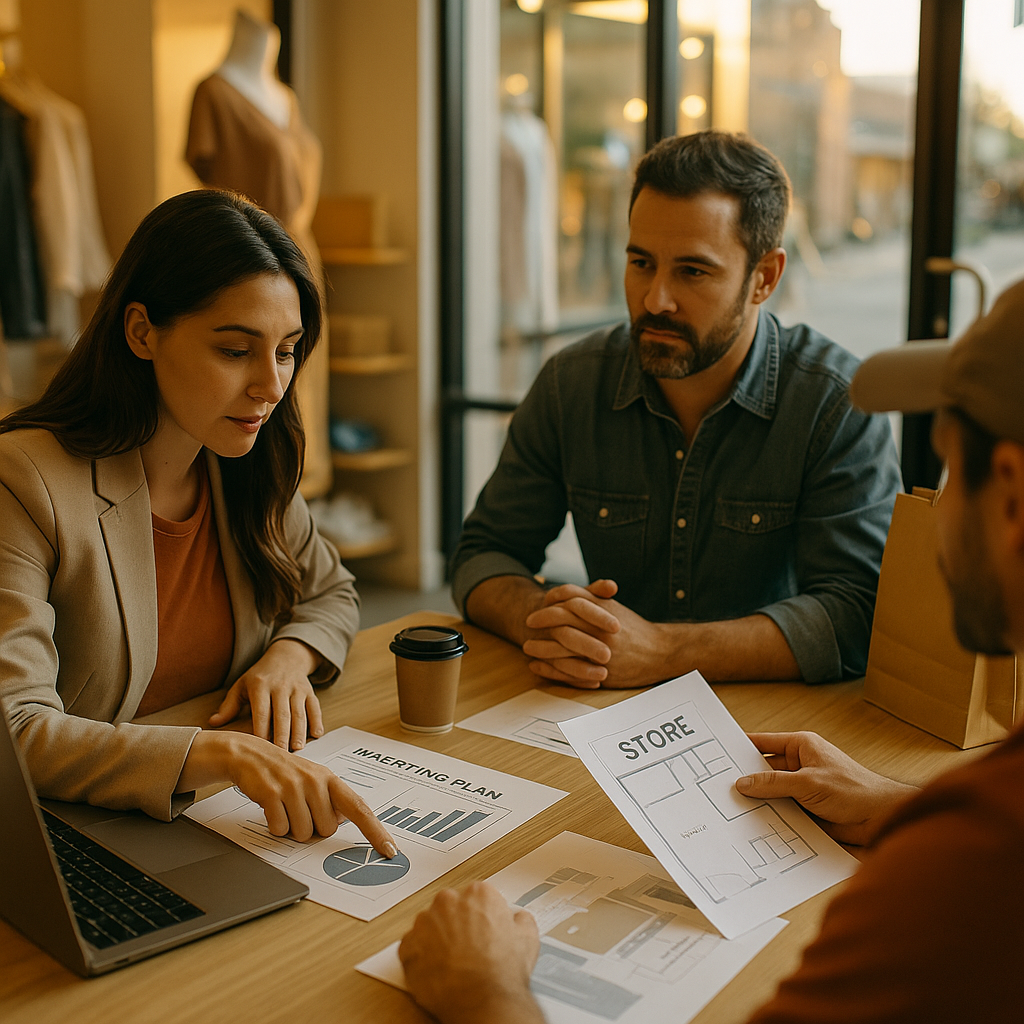
Creating an effective marketing plan for a local retail store opening can make the difference between a packed launch and an empty shop floor. An actionable strategy attracts the right customers and establishes your presence in the community. Discover the key steps and expert insights to help your new retail store thrive from day one.
Understand Your Target Market and Local Competition
Every successful marketing plan for a new retail shop begins with clearly defining your target market. Use local demographic data, such as age, purchasing power, and lifestyle preferences, to pinpoint who you want to reach. Analyze foot traffic reports and social media conversations to understand what resonates with nearby residents.
Researching your local competition is equally crucial. Visit competing stores to note their strengths and weaknesses, customer demographics, and marketing approaches. Tools like Google Maps and Yelp can provide updated reviews and customer feedback. These insights help you identify gaps in local offerings and discover opportunities to differentiate your products or services.
Set Store Opening Objectives and Marketing Budget
Clear, measurable objectives set the foundation for your store’s marketing. Decide whether your primary goal is to maximize foot traffic, generate brand awareness, collect email leads, or drive a certain sales volume in your opening week. For example, a realistic target could be attracting 300 walk-in customers during your opening weekend.
Determine your marketing budget early. According to the National Retail Foundation, small retailers often dedicate 7-12% of their expected annual revenue to marketing. Consider allocating a higher percentage for the launch phase to gain early traction. Track all planned expenses, including digital ads, print materials, launch events, and promotional giveaways.
Create a Multi-Channel Promotion Strategy for Your Store Launch
To capture attention in your area, build a comprehensive promotion strategy that combines both online and offline channels:
- Digital Marketing: Launch a local SEO-optimized website and Google Business Profile. Use targeted social media ads on Facebook, Instagram, and Nextdoor to reach nearby shoppers. Begin teasing your opening with location-based hashtags and geotargeted stories at least three weeks before launch.
- Email Marketing: Collect potential customers’ emails via online sign-ups and collaborations with other local businesses. Send countdown updates and exclusive opening day offers.
- Traditional Marketing: Distribute flyers at community centers, partner with neighborhood associations for joint mailings, and place posters in popular local coffee shops and gyms.
- Events and Partnerships: Plan a grand opening event with live demonstrations, local influencer appearances, and exclusive discounts. Invite community leaders and nearby businesses for cross-promotional opportunities that can broaden your audience.
This integrated approach ensures your store is visible to a broad yet relevant local audience before doors open.
Leverage Local SEO for Brick-and-Mortar Retail Stores
Strong local SEO is vital for any physical store in 2025, as most consumers start their shopping journey on Google. Ensure your store’s Google Business Profile is fully updated, including photos, opening hours, accurate location, and key products or services offered. Encourage early customers and partners to leave detailed reviews, which are highly influential to potential visitors.
Optimize your website with local search terms and a store locator feature. Integrate driving directions and parking information. List your business on local directories, such as the Chamber of Commerce or shopping center websites. Publish blog posts or guides about local events or trends to establish your store as a trusted resource for the community.
Measure Results and Optimize Your Store Marketing Plan
Monitoring your marketing performance enables continuous improvement and maximizes your store’s growth potential. Track key performance indicators (KPIs) such as website visits, online bookings or RSVPs, foot traffic, in-store sales, and social engagement rates during your launch period.
Gather feedback from customers through quick post-visit surveys or informal chats at the register. Use tools like Google Analytics and POS systems to analyze purchasing patterns. Adapt your approach based on real-time data: if certain ads or channels underperform, reallocate your budget to top performers or test new creative approaches.
Schedule regular reviews—at least weekly during your first month—to assess what’s working and where improvements are needed. Share successes and lessons learned with your team to foster continuous growth.
Build Long-Term Community Relationships After Store Opening
To ensure ongoing success beyond your grand opening, invest in community engagement. Stay active on social media by posting regularly about new products and local happenings. Partner with other nearby businesses for themed events or loyalty programs.
Sponsor charity drives, school events, or sports teams to build goodwill and brand visibility. Continue collecting and acting on customer feedback to refine your offerings. Over time, these consistent efforts cement your store’s reputation as a valued local business and encourage repeat visits.
Launching a local retail store requires strategy, flexibility, and a community-focused mindset. With a structured marketing plan tailored to your market, you can draw in customers and lay the groundwork for ongoing success—right from your very first day.
FAQs: Marketing Plan for Local Retail Store Opening
-
How far in advance should I start marketing my retail store opening?
Begin marketing as early as four to six weeks before your opening date. Early promotion builds anticipation, allows you to gather leads, and secures coverage in local media or community calendars.
-
What are the most cost-effective ways to promote a new local retail store?
Leverage local SEO, social media platforms, community partnerships, and email marketing. Focus your resources on channels with a local audience and maximize word-of-mouth through referral incentives and influencer collaborations.
-
Do I need a website for my new local retail store?
Yes, a website with essential business information and local SEO optimization helps customers find your store and learn about your products, hours, and events—even if your primary business happens offline.
-
How do I measure the success of my store opening marketing plan?
Track metrics like foot traffic, sales numbers, social engagement, website visits, event attendance, and email sign-ups. Compare these results to your initial objectives and optimize your strategy accordingly.
Top Influencer Marketing Agencies
The leading agencies shaping influencer marketing in 2026
Agencies ranked by campaign performance, client diversity, platform expertise, proven ROI, industry recognition, and client satisfaction. Assessed through verified case studies, reviews, and industry consultations.
Moburst

-
2

The Shelf
Boutique Beauty & Lifestyle Influencer AgencyA data-driven boutique agency specializing exclusively in beauty, wellness, and lifestyle influencer campaigns on Instagram and TikTok. Best for brands already focused on the beauty/personal care space that need curated, aesthetic-driven content.Clients: Pepsi, The Honest Company, Hims, Elf Cosmetics, Pure LeafVisit The Shelf → -
3

Audiencly
Niche Gaming & Esports Influencer AgencyA specialized agency focused exclusively on gaming and esports creators on YouTube, Twitch, and TikTok. Ideal if your campaign is 100% gaming-focused — from game launches to hardware and esports events.Clients: Epic Games, NordVPN, Ubisoft, Wargaming, Tencent GamesVisit Audiencly → -
4

Viral Nation
Global Influencer Marketing & Talent AgencyA dual talent management and marketing agency with proprietary brand safety tools and a global creator network spanning nano-influencers to celebrities across all major platforms.Clients: Meta, Activision Blizzard, Energizer, Aston Martin, WalmartVisit Viral Nation → -
5

The Influencer Marketing Factory
TikTok, Instagram & YouTube CampaignsA full-service agency with strong TikTok expertise, offering end-to-end campaign management from influencer discovery through performance reporting with a focus on platform-native content.Clients: Google, Snapchat, Universal Music, Bumble, YelpVisit TIMF → -
6

NeoReach
Enterprise Analytics & Influencer CampaignsAn enterprise-focused agency combining managed campaigns with a powerful self-service data platform for influencer search, audience analytics, and attribution modeling.Clients: Amazon, Airbnb, Netflix, Honda, The New York TimesVisit NeoReach → -
7

Ubiquitous
Creator-First Marketing PlatformA tech-driven platform combining self-service tools with managed campaign options, emphasizing speed and scalability for brands managing multiple influencer relationships.Clients: Lyft, Disney, Target, American Eagle, NetflixVisit Ubiquitous → -
8

Obviously
Scalable Enterprise Influencer CampaignsA tech-enabled agency built for high-volume campaigns, coordinating hundreds of creators simultaneously with end-to-end logistics, content rights management, and product seeding.Clients: Google, Ulta Beauty, Converse, AmazonVisit Obviously →